
In the complex ecosystem of modern finance, understanding the foundational elements that facilitate seamless money movement is paramount. Among these, the bank routing number stands as a silent yet crucial workhorse, enabling billions of financial transactions daily across the United States. For many, this nine-digit code remains an obscure detail, only sought out when a specific financial task demands it. However, a deeper understanding of what it is, where to find it, and how to use it securely is fundamental to sound personal finance and efficient business operations. This comprehensive guide aims to demystify the bank routing number, positioning it not just as a random sequence of digits, but as an indispensable identifier in your financial toolkit.
Decoding the Routing Number: What It Is and Why It Matters
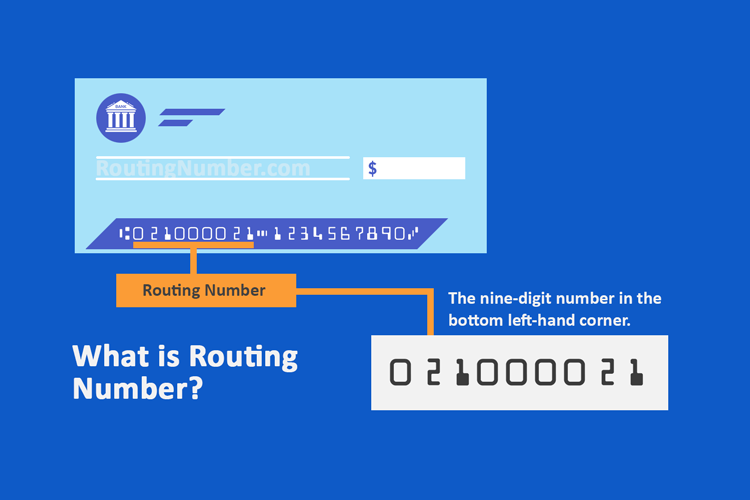
At its core, a bank routing number, also known as an ABA (American Bankers Association) routing transit number, is a unique nine-digit code assigned to U.S. financial institutions. Its primary purpose is to identify the specific bank or credit union involved in a transaction, ensuring that funds are directed to and from the correct entity. Established in 1910 by the ABA, this system revolutionized interbank settlements, creating a standardized method for processing checks and, later, electronic transfers.
The Core Function of a Routing Number
Think of a routing number as the postal code for your bank. Just as a postal code directs mail to the correct city and region, a routing number directs financial transactions to the specific financial institution where your account is held. This identification is critical for several reasons:
- Accuracy: It prevents misdirection of funds, reducing errors in financial transfers.
- Efficiency: It streamlines the process of clearing checks and facilitating electronic transfers, making financial operations faster and more reliable.
- Security: By uniquely identifying institutions, it adds a layer of accountability to financial transactions.
Without this standardized identifier, the vast network of banks and credit unions would struggle to communicate effectively, making tasks like direct deposits or online bill payments far more cumbersome, if not impossible.
Key Use Cases in Personal and Business Finance
The routing number is an invisible yet indispensable participant in a multitude of financial activities you engage in regularly:
- Direct Deposits: Whether it’s your paycheck, government benefits, or tax refund, your employer or the paying entity requires your bank’s routing number to deposit funds directly into your account. This is perhaps its most common and widely utilized function.
- Automatic Bill Payments (ACH Transactions): Many utility companies, landlords, and lenders offer the convenience of automatic bill payments, where funds are directly debited from your account. Your routing number ensures these debits are processed by the correct institution.
- Wire Transfers: For larger, time-sensitive fund transfers, especially between different financial institutions, the routing number is crucial to initiate and receive domestic wire transfers.
- Electronic Funds Transfers (EFTs): This broad category includes everything from transferring money between your own accounts at different banks to paying for goods and services online.
- Writing Checks: Every check you write includes your bank’s routing number pre-printed on it, allowing the recipient’s bank to identify your bank for processing.
- Tax Payments and Refunds: When filing taxes, you often provide your routing number for direct deposit of refunds or direct debit of payments.
For businesses, routing numbers are equally vital for payroll processing, vendor payments, receiving customer payments, and managing cash flow across various bank accounts.
Differentiating Routing Numbers from Account Numbers
It’s common for individuals to confuse routing numbers with account numbers, but they serve distinct purposes.
- Routing Number: Identifies the financial institution where your account is held. It’s like the name of the street your house is on.
- Account Number: Identifies your specific account within that financial institution. It’s like your house number on that street.
Both are essential for completing a transaction, as one directs funds to the correct bank, and the other directs them to the correct account within that bank. You typically need both for direct deposits, online bill payments, and wire transfers.
Navigating the Maze: Practical Ways to Locate Your Routing Number
Given its widespread utility, accessing your bank’s routing number is thankfully straightforward. There are several reliable methods to find it, catering to different preferences and situations.
The Classic Checkbook Method
Perhaps the most traditional and easily accessible source for your routing number is your personal checkbook. Look at the bottom edge of a standard check. You’ll typically find three sets of numbers, printed using magnetic ink character recognition (MICR) font:
- Routing Number: This is usually the first set of nine digits on the far left.
- Account Number: The middle set of numbers, which varies in length.
- Check Number: The last set of numbers, often 4 digits, matching the number at the top right of the check.
Always double-check that you’re using a personal check associated with the specific account for which you need the routing number, as some institutions might have different routing numbers for different types of accounts or geographical branches.
Digital Accessibility: Online Banking and Mobile Apps
In today’s digital age, your bank’s online portal and mobile app are often the quickest ways to retrieve your routing number.
- Online Banking: After logging into your bank’s website, navigate to the details section of your specific checking or savings account. You’ll often find the routing number clearly listed alongside your account number. Look for sections like “Account Summary,” “Account Details,” “Direct Deposit Information,” or “Statements.” Some banks also have a dedicated “Contact Us” or “FAQs” page where they list common routing numbers.
- Mobile Apps: Most banking apps provide similar functionality. Once logged in, tap on your specific account. The routing number is usually displayed prominently or can be found under “Account Info,” “Details,” or “Settings.” Some apps even offer a “Direct Deposit Form” generator that pre-fills all necessary information, including the routing number.
If you have multiple accounts (e.g., checking, savings, money market) at the same bank, verify that the routing number shown applies to the specific account you intend to use, although often it’s the same for all accounts at a single institution.
Direct Communication: Bank Statements and Customer Service
If digital access isn’t an option or you prefer a physical record, your bank statement is another reliable source.
- Bank Statements: Your monthly or quarterly bank statements, whether paper or electronic, typically list your bank’s routing number, often near your account number at the top or bottom of the statement.
- Customer Service: When all else fails, or if you simply prefer to speak with a human, calling your bank’s customer service line is always an option. A representative can quickly provide you with the correct routing number after verifying your identity. Most banks also have a physical branch where you can inquire in person.
Public Resources: The ABA Routing Number Directory

For general verification or if you need to look up a routing number for a bank you don’t personally bank with (e.g., for a vendor’s bank), the ABA maintains a public routing number directory. Websites like the Federal Reserve E-Payments Routing Directory allow you to search for routing numbers using a bank’s name and location, or vice versa. This can be a useful tool for confirming the validity of a routing number provided to you.
Safeguarding Your Financial Information: Best Practices for Routing Number Usage
While a routing number alone cannot completely compromise your account (it needs to be combined with your account number to initiate most transactions), it is still a piece of sensitive financial information that warrants careful handling.
When and How to Share Your Routing Number Securely
You will legitimately need to share your routing number in several scenarios:
- Setting up Direct Deposit: For paychecks, benefits, or tax refunds. Always provide it to trusted entities (your employer, government agencies) through secure channels, often via official forms.
- Automating Bill Payments: For utilities, loans, or subscriptions with reputable companies. Use secure online payment portals or official forms.
- Initiating Wire Transfers: With your bank or a trusted third party.
- Sending or Receiving Money through P2P Apps: Some apps might require it for linking bank accounts, though many rely on debit card details or micro-deposits for verification.
Always ensure you are providing the information to a legitimate recipient and through a secure, encrypted connection (look for “https://” in the URL). Avoid sharing your routing number over unsecured email or public Wi-Fi networks if possible.
Common Pitfalls and How to Avoid Them
Being aware of potential risks can help protect your finances:
- Phishing Scams: Be wary of unsolicited emails, texts, or calls asking for your routing and account numbers. Legitimate banks and institutions will rarely ask for this information directly through insecure channels. Always verify the source.
- Unauthorized Access: While less common than account number theft, having your routing number combined with other personal identifiers could potentially be misused. Treat it with discretion.
- Errors in Data Entry: A simple typo in a routing number can cause significant delays or misdirection of funds. Always double-check any numbers you enter, especially for important transactions.
The Importance of Double-Checking
Before finalizing any transaction that involves your routing number, take an extra moment to verify the accuracy of the digits. This simple step can save you considerable time, effort, and potential stress in correcting misrouted funds. Confirm the routing number with your bank’s official website or a physical check to ensure it matches precisely.
Beyond Domestic: Routing Numbers in a Global Financial Landscape
While the routing number is foundational for transactions within the United States, its relevance changes significantly when dealing with international transfers.
Understanding International Equivalents
For global money transfers, other identification systems take precedence:
- SWIFT/BIC Codes (Society for Worldwide Interbank Financial Telecommunication / Bank Identifier Code): These codes (8 or 11 characters) identify banks globally and are essential for international wire transfers. Every bank participating in international transfers has a unique SWIFT/BIC code.
- IBAN (International Bank Account Number): Primarily used in Europe and some other parts of the world, an IBAN is an alphanumeric code that identifies a specific bank account within an international bank. It combines country code, bank code, and account number into a single string.
When a Routing Number Isn’t Enough
If you’re sending money to an overseas recipient or expecting a payment from abroad, your U.S. routing number will not be sufficient. You will typically need your bank’s SWIFT/BIC code in addition to your account number. The recipient will also need to provide their bank’s SWIFT/BIC or IBAN, depending on their country. Confusing these identifiers can lead to delayed or rejected international transactions.
Frequently Asked Questions About Bank Routing Numbers
Despite its ubiquitous presence, several common questions often arise regarding routing numbers.
Do All Banks Have the Same Routing Number?
No, definitely not. Each financial institution in the U.S. has at least one unique routing number assigned to it by the American Bankers Association. Larger banks, or those with a significant presence across different states, might have multiple routing numbers depending on the region or specific type of transaction (e.g., one for ACH transfers, another for wire transfers). It’s crucial to use the correct routing number for your specific bank and account.
Can I Use My Bank’s Main Routing Number for Everything?
While many transactions will use the general routing number listed on your checks or online banking, there can be exceptions. Some banks use different routing numbers for:
- Wire Transfers vs. ACH Transfers: Though increasingly rare, some banks might differentiate. Always confirm for wire transfers.
- Different States/Regions: For banks with a vast national footprint, branches in different states might have slightly different routing numbers.
- Specific Account Types: Very occasionally, a specific type of account might have a unique routing number, but this is uncommon for standard checking/savings.
When in doubt, always refer to your specific account details in online banking or contact your bank directly.

What if I Have Multiple Accounts?
Generally, if you have multiple checking or savings accounts at the same financial institution, they will share the same routing number. However, it’s always prudent to confirm. Review the account details for each specific account you intend to use to ensure you’re providing the correct routing number. A small variance could lead to significant financial inconvenience.
In conclusion, the bank routing number, while a seemingly minor detail, is a linchpin of the U.S. financial system. Understanding its purpose, knowing where to locate it reliably, and practicing secure handling are essential competencies for anyone managing their finances in the modern world. By demystifying this nine-digit code, you empower yourself with greater control and confidence in all your financial endeavors.
aViewFromTheCave is a participant in the Amazon Services LLC Associates Program, an affiliate advertising program designed to provide a means for sites to earn advertising fees by advertising and linking to Amazon.com. Amazon, the Amazon logo, AmazonSupply, and the AmazonSupply logo are trademarks of Amazon.com, Inc. or its affiliates. As an Amazon Associate we earn affiliate commissions from qualifying purchases.