
The Amazon Rainforest, often referred to as the “lungs of the Earth” and a global biodiversity hotspot, transcends mere geography; it is a foundational pillar of Brazil’s national identity and a potent element in its international branding. To understand “where the Amazon Rainforest is located in Brazil” is not just to pinpoint coordinates on a map, but to grasp the immense territorial scope that defines a significant portion of Brazil’s brand narrative, its global reputation, and its economic potential. This vast biome, predominantly situated within Brazil, shapes perceptions, drives ecotourism, influences product branding, and underpins the nation’s commitment to environmental stewardship.
The Geographic Heart of Brazil’s Brand Identity
Brazil’s brand is inextricably linked to the Amazon. The sheer scale and ecological richness of this region offer a unique selling proposition on the global stage, positioning Brazil as a steward of unparalleled natural heritage. The location of the Amazon within Brazil is not just a geographical fact; it’s a strategic asset and a significant responsibility that impacts how the country is perceived worldwide.
A Vast, Untamed Canvas: Understanding the Amazonian Extent
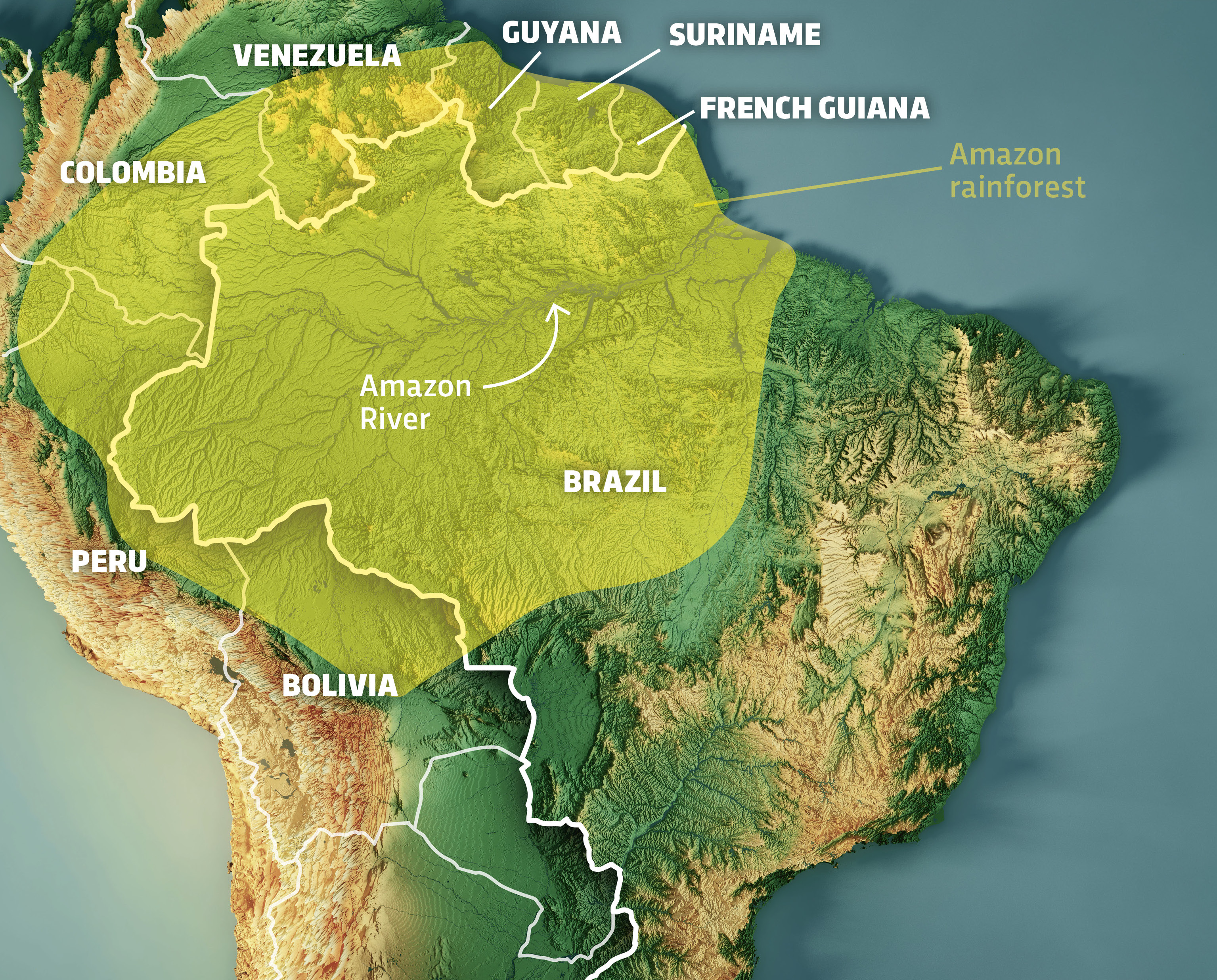
The Amazon Rainforest is a colossal biome, the largest tropical rainforest in the world. While it spans across nine South American countries, approximately 60% of its total area lies within Brazil’s borders. This immense Brazilian Amazon, known as “Amazônia Legal” for administrative and developmental purposes, covers over 4 million square kilometers – an area larger than Western Europe. This substantial territorial claim grants Brazil a unique custodianship, placing it at the forefront of global conversations on climate, biodiversity, and sustainable development. The brand implications are profound: Brazil is globally recognized, and often judged, by its management of this vast, irreplaceable natural asset. Its ability to protect, sustainably develop, and communicate its efforts in the Amazon directly shapes its international image and brand equity.
The States of Amazonia: Pillars of the National Brand
The Brazilian Amazon is not a monolithic entity but a mosaic of nine states, each contributing to the multifaceted brand story of the region and the nation. These states form the geographical backbone of Brazil’s Amazonian brand:
- Acre: Known for its history of rubber extraction and its pioneering efforts in sustainable development and indigenous land rights, Acre contributes a narrative of resilience and forward-thinking conservation.
- Amapá: With a significant portion protected by national parks and reserves, Amapá emphasizes conservation and pristine wilderness, appealing to the brand of untouched nature.
- Amazonas: Home to Manaus, the largest city in the Amazon and a free trade zone, Amazonas combines urban development with vast stretches of rainforest. It’s the brand’s gateway, offering a blend of cultural immersion and ecological exploration.
- Maranhão: While only a smaller western portion falls within the Amazon biome, it bridges the Amazon with the semi-arid Northeast, adding a unique ecological diversity to the overall Amazonian brand.
- Mato Grosso: Significant for its Amazonian transition zones to the Cerrado and Pantanal biomes, Mato Grosso underscores the Amazon’s diverse landscapes and the challenges of agricultural expansion versus conservation.
- Pará: A vast and economically significant state with abundant natural resources and extensive river systems, Pará represents the Amazon’s resource wealth and the complexities of balancing development with sustainability. Belém, its capital, is a major port city and cultural hub at the mouth of the Amazon River.
- Rondônia: Historically known for ranching and logging, Rondônia highlights the ongoing struggles and opportunities for sustainable land use and environmental recovery within the Amazon’s brand narrative.
- Roraima: The northernmost state, sharing borders with Venezuela and Guyana, Roraima offers a brand of remote wilderness and unique indigenous cultures, including the Yanomami territory.
- Tocantins: The newest Brazilian state, Tocantins lies at the southeastern edge of the Amazon, showcasing its transition zones and the diverse ecosystems that define the greater Amazonian brand.
Each of these states, with their distinct characteristics and challenges, contributes to the complex “Amazon brand” that Brazil presents to the world. Their individual contributions weave into a larger narrative of ecological significance, cultural richness, and development dilemmas.
Branding Through Biodiversity: The Amazon’s Unique Selling Proposition
The Amazon’s unparalleled biodiversity is its strongest brand asset. This natural wealth offers Brazil a unique selling proposition, drawing global attention and fostering opportunities for branding related to science, tourism, and sustainable products. The rainforest’s intricate ecosystems and vibrant cultures provide compelling narratives that resonate with a global audience increasingly concerned with environmental issues and authentic experiences.
Ecosystems as Brand Assets: Flora, Fauna, and Indigenous Cultures
The Amazon is a living brand testament to nature’s ultimate design. Its ecosystems are teeming with life, housing an estimated 10% of the world’s known species. This includes countless unique plants, insects, fish, birds, and mammals, many yet to be discovered. This biological richness is a potent brand asset for Brazil, attracting scientific research, documentary filmmakers, and ecotourists. Beyond the natural world, the Amazon is home to hundreds of indigenous communities, each with distinct languages, traditions, and an intimate knowledge of the forest. These cultures add an invaluable layer of authenticity and heritage to the Amazon’s brand, offering unique opportunities for cultural tourism and responsible engagement. Highlighting these interwoven elements—the biological diversity and the human cultures—strengthens Brazil’s brand message as a guardian of both natural and cultural patrimony. Responsible brand communication emphasizes the importance of respecting these communities and their ancestral lands.
The Narrative Power of the Amazon: Storytelling for Global Engagement

The Amazon provides an inexhaustible wellspring of stories that can be leveraged for global engagement and brand building. From tales of discovery and adventure to narratives of scientific breakthroughs, conservation heroes, and the daily lives of indigenous peoples, these stories captivate audiences worldwide. For Brazil, the Amazon offers a powerful platform to communicate its values, its challenges, and its aspirations. This storytelling can be used to promote ecotourism, attracting visitors seeking authentic and transformative experiences; to market sustainably sourced products, appealing to conscious consumers; and to engage in international dialogues on climate change, positioning Brazil as a key player. Effective brand strategy involves crafting these narratives with authenticity and transparency, ensuring they reflect the realities of the Amazon while inspiring action and appreciation.
Challenges to the Brand: Deforestation, Sustainability, and Reputation
The global perception of the Amazon, and by extension Brazil’s brand, is significantly influenced by ongoing environmental challenges. Issues such as deforestation, illegal mining, and unsustainable agricultural practices pose a direct threat not only to the ecosystem but also to Brazil’s international reputation and its brand integrity. Managing these challenges effectively is crucial for maintaining a credible and positive national brand.
Protecting the Brand’s Integrity: Combatting Environmental Threats
The Amazon’s brand integrity is under constant scrutiny. Reports of deforestation, forest fires, and encroachment on indigenous lands can severely damage Brazil’s image as an environmental steward. These issues trigger global concern, leading to criticism from international organizations, consumers, and potential investors. To protect its brand, Brazil must demonstrate robust and sustained efforts to combat these threats. This includes strengthening environmental law enforcement, promoting sustainable land use, supporting conservation initiatives, and working collaboratively with international partners. Proactive measures and transparent reporting are essential to counteract negative perceptions and rebuild trust, thereby safeguarding a crucial aspect of Brazil’s national brand.
Communicating Commitment: Transparency and Sustainable Practices
Effective brand management requires more than just action; it demands clear and consistent communication. Brazil’s brand needs to actively communicate its commitment to sustainability and showcase the tangible progress being made in the Amazon. This involves transparent reporting on environmental metrics, highlighting successful conservation projects, promoting sustainable economic alternatives for local communities, and engaging in open dialogue with stakeholders. Beyond policy, the emphasis must be on real-world impact. Branding sustainable practices, such as responsible agriculture, certified timber, and renewable energy initiatives within the Amazon, can reposition Brazil as a leader in green development. This proactive communication builds a stronger, more resilient brand identity that aligns with global expectations for environmental responsibility.
Leveraging Location for Economic Branding: Ecotourism and Sustainable Ventures
The Amazon’s distinct geographical location within Brazil presents significant opportunities for economic branding. By highlighting its unique natural and cultural attributes, Brazil can develop powerful branding strategies for industries like ecotourism and sustainable product development, driving economic growth while promoting conservation.
Crafting Experiences: Branding Amazonian Tourism
Ecotourism in the Amazon is a prime example of leveraging location for economic branding. Brazil can brand unique Amazonian experiences, from river cruises that explore the vast waterways and biodiversity of the Amazonas state, to guided treks that delve into the heart of the rainforest, or cultural exchanges with indigenous communities. The brand promise is an immersive, authentic, and transformative encounter with one of the world’s last great wildernesses. This requires careful segmentation and targeting, developing bespoke tourism packages that cater to different traveler profiles – from adventure seekers to cultural enthusiasts to scientific researchers. Strong branding in this sector emphasizes responsible tourism, local empowerment, and the educational value of experiencing the Amazon firsthand, thereby reinforcing Brazil’s commitment to conservation while generating revenue.
Origin and Authenticity: Branding Sustainable Products from the Amazon
The Amazon’s specific location in Brazil also provides a compelling origin story for sustainable products. Products such as açaí, Brazil nuts, guarana, and a variety of artisanal crafts can be branded with their Amazonian provenance, appealing to consumers who value authenticity, ethical sourcing, and environmental responsibility. “Made in the Amazon, Brazil” can become a powerful label, signifying not just a geographic origin but also a commitment to sustainable harvesting, fair trade practices, and the support of local communities. Effective branding requires clear certification, transparent supply chains, and compelling narratives that connect the consumer to the unique ecosystem and the people who produce these goods. This approach not only adds significant value to the products but also strengthens Brazil’s brand as a source of high-quality, sustainably produced goods that contribute to forest conservation.

The Amazon as Brazil’s Enduring Brand Legacy
The question of “where is the Amazon Rainforest located in Brazil” goes far beyond a simple geographical answer. It delineates the territory of Brazil’s most significant and globally recognized brand asset. The vast expanse of the Amazon within its borders, spanning numerous states and ecosystems, defines a crucial part of Brazil’s identity on the world stage. From its unparalleled biodiversity and rich cultural tapestry to the complex challenges of sustainable development, every aspect of the Amazon contributes to the nation’s brand narrative.
Managing this colossal asset effectively—protecting its integrity, communicating its value, and leveraging its potential for sustainable economic growth—is paramount for Brazil. The Amazon is not just a rainforest; it is a powerful symbol, a global responsibility, and an enduring legacy that will continue to shape Brazil’s brand for generations to come. The future of Brazil’s international brand is inextricably tied to the health and stewardship of its Amazonian heartland.
aViewFromTheCave is a participant in the Amazon Services LLC Associates Program, an affiliate advertising program designed to provide a means for sites to earn advertising fees by advertising and linking to Amazon.com. Amazon, the Amazon logo, AmazonSupply, and the AmazonSupply logo are trademarks of Amazon.com, Inc. or its affiliates. As an Amazon Associate we earn affiliate commissions from qualifying purchases.