
The Amazon Rainforest, often referred to as the “lungs of the Earth,” is a colossal natural wonder that transcends simple geographical coordinates. While its physical location is a matter of established fact, its true significance – particularly in economic terms – is intrinsically linked to its vast spread and the wealth of resources it contains. Understanding where the Amazon is, geographically and politically, is the foundational step to comprehending its profound financial implications for global markets, national economies, and individual livelihoods.
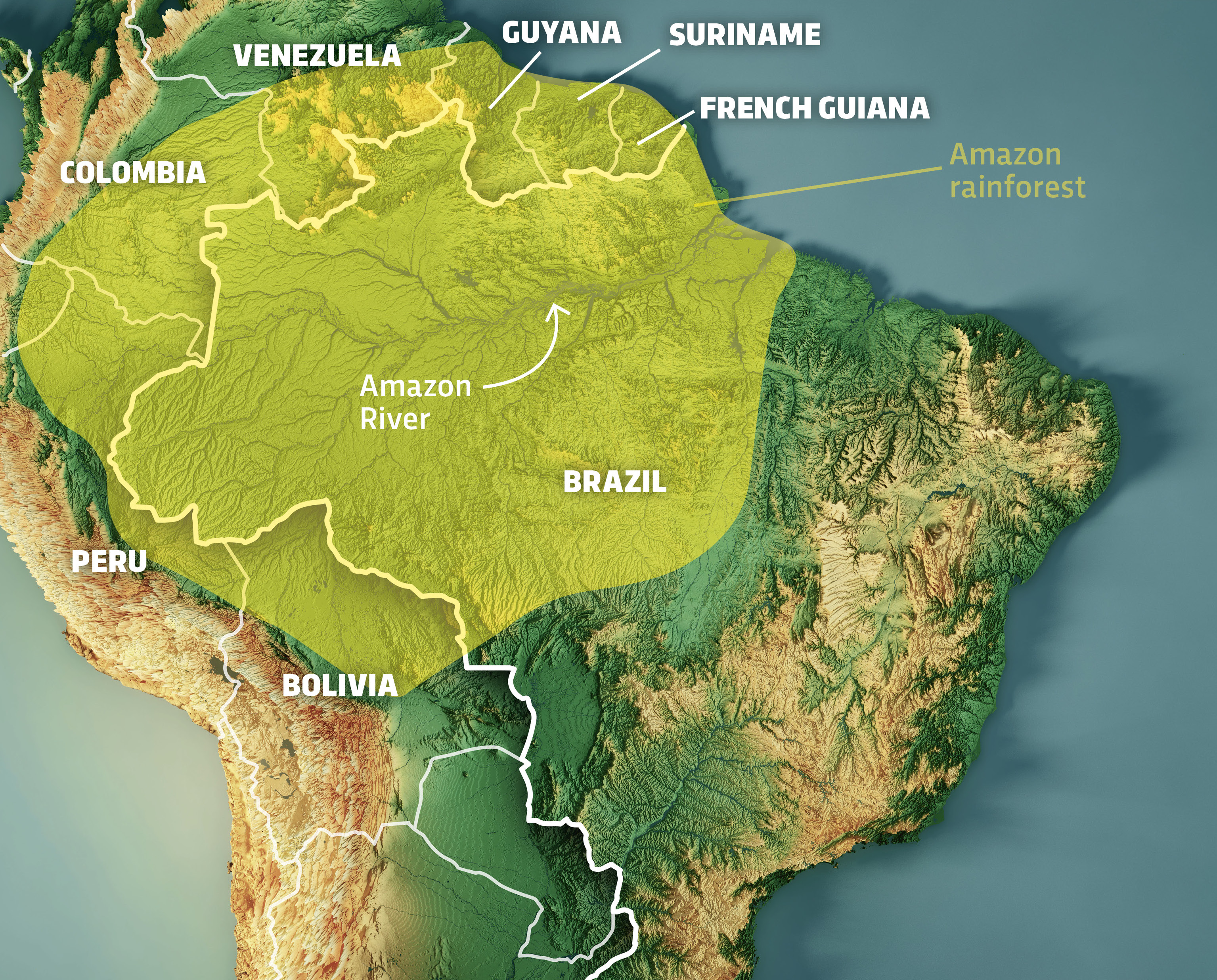
Spanning an impressive 6.7 million square kilometers (2.6 million square miles), the Amazon Basin covers roughly 40% of South America. The rainforest itself is primarily concentrated within this basin, encompassing territory within nine sovereign nations: Brazil, Peru, Colombia, Ecuador, Bolivia, Guyana, Suriname, French Guiana (an overseas territory of France), and Venezuela. Brazil holds the lion’s share, with approximately 60% of the forest within its borders, followed by Peru and Colombia. This multi-national distribution means that its economic challenges and opportunities are complex, requiring international cooperation and diverse financial strategies to manage.
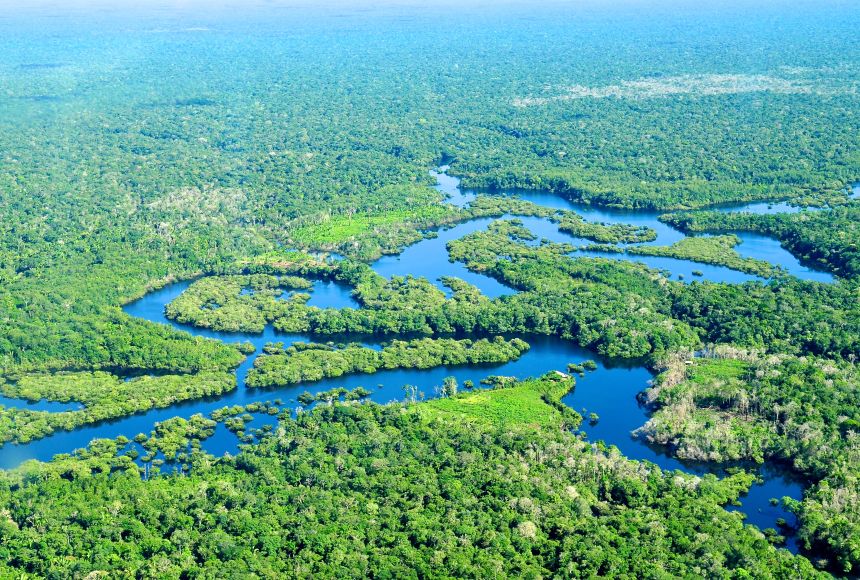
The Amazon’s Economic Geography: A Repository of Global Wealth
The physical location of the Amazon rainforest places it at the nexus of immense biological, hydrological, and carbon cycles, all of which translate into significant financial value and impact. It is not merely a collection of trees and rivers but a dynamic system whose economic output, both realized and potential, is staggering.
Biodiversity as a Financial Asset
The Amazon is the planet’s most biodiverse terrestrial ecosystem, home to an estimated 10% of the world’s known species. This biodiversity represents an untapped treasure trove for pharmaceuticals, biotechnology, agriculture, and other industries. The genetic material contained within its flora and fauna holds the potential for new medicines, crops resilient to climate change, and innovative industrial materials. The economic value of bioprospecting, while controversial without equitable benefit-sharing, highlights the immense financial potential embedded in its unique biodiversity. Companies and research institutions invest heavily in discovering new compounds, demonstrating the tangible financial interest in the Amazon’s biological capital.
Hydrological Powerhouse and Water Security
The Amazon River, the largest river by discharge volume in the world, and its vast network of tributaries are critical for South American water security and beyond. This extensive river system supports hydroelectric power generation, inland navigation, and agricultural irrigation, all of which are vital economic activities. The rainforest itself plays a crucial role in the regional hydrological cycle, influencing rainfall patterns far beyond its immediate borders, affecting agricultural output and water availability in countries like Argentina and Uruguay. Disruptions to this cycle due to deforestation have direct financial consequences for food production, energy supply, and municipal water systems.
Carbon Sinks and Climate Finance
Positioned as a major global carbon sink, the Amazon rainforest stores an estimated 150-200 billion tons of carbon. Its capacity to absorb atmospheric carbon dioxide provides an invaluable ecosystem service, mitigating climate change and its associated economic costs. As global carbon markets expand and the financial penalties for carbon emissions increase, the Amazon’s role as a natural carbon store becomes an asset of immense financial magnitude. The ability to monetize this service through schemes like REDD+ (Reducing Emissions from Deforestation and Forest Degradation) represents a significant financial incentive for conservation, attracting investment from governments, corporations, and philanthropic organizations focused on climate finance.
Economic Pressures and the Financial Cost of Deforestation
The very resources that make the Amazon an economic powerhouse also make it vulnerable to exploitation. The pressure to convert forest land for short-term economic gain drives deforestation, incurring both immediate and long-term financial costs.
Agricultural Expansion: Cattle and Soy
The primary driver of deforestation in the Amazon is agricultural expansion, particularly cattle ranching and soy cultivation. The demand for beef and soy (used largely for animal feed) in global markets creates powerful economic incentives for clearing land. Land in the Amazon is often cheap, and converting forest to pasture or cropland offers a quick return on investment for ranchers and agribusiness. This economic model, however, externalizes significant environmental costs, which eventually translate into financial burdens for society: soil degradation, loss of ecosystem services, and increased greenhouse gas emissions.
Mining, Logging, and Infrastructure Development
The Amazon is rich in minerals such as gold, iron ore, and bauxite, leading to extensive mining operations, often illegal, that cause severe environmental damage. Logging, both legal and illegal, also contributes to deforestation, driven by demand for timber in domestic and international markets. Furthermore, large-scale infrastructure projects like hydroelectric dams, roads, and oil and gas pipelines open up previously inaccessible forest areas, facilitating further exploitation and settlement. These projects, while promising economic development and energy independence for host nations, often come with substantial environmental and social costs that are difficult to quantify in financial terms but severely impact long-term natural capital.
The Hidden Financial Costs of Ecological Loss
The financial implications of Amazonian deforestation extend far beyond the immediate economic gains from agriculture or resource extraction. Biodiversity loss can mean the permanent disappearance of potential pharmaceuticals or agricultural solutions. Disruptions to rainfall patterns can lead to droughts or floods, impacting agricultural productivity and increasing disaster relief costs. The release of stored carbon exacerbates climate change, leading to increased frequency and intensity of extreme weather events, which carry enormous financial price tags in infrastructure damage, health crises, and lost economic output globally. The long-term financial cost of neglecting the Amazon’s ecological health far outweighs the short-term profits derived from its destruction.
Investing in Sustainability: Financial Opportunities in the Amazon’s Future
Despite the challenges, the Amazon also presents a unique frontier for sustainable investment, innovation, and ethical finance. Its sheer scale and importance mean that sustainable solutions here can have global financial ramifications.
Ecotourism and Sustainable Livelihoods
The unparalleled natural beauty and biodiversity of the Amazon offer significant potential for ecotourism. Sustainable tourism models, which prioritize environmental conservation and benefit local communities, can generate substantial income, creating jobs and providing economic alternatives to destructive practices. Investing in local businesses, lodges, and tour operators that adhere to strict ecological guidelines represents a growing market for socially responsible investors.
Bioeconomy and Value-Added Products
The Amazon’s biodiversity can be harnessed sustainably through the development of a bioeconomy. This involves researching and developing new products from rainforest resources (e.g., açai, Brazil nuts, rubber, medicinal plants) in a way that promotes forest standing rather than clearing. Investments in processing facilities, sustainable harvesting technologies, and fair-trade supply chains can create high-value products that benefit local communities and provide competitive returns for investors seeking ethical and environmentally sound ventures. This approach transforms raw biological capital into manufactured wealth, keeping the forest intact.
Carbon Markets and Conservation Finance
The growing global focus on climate change has spurred the development of carbon markets, where the avoidance of deforestation can be financially rewarded through the sale of carbon credits. Investment in projects that protect standing forests, reforest degraded lands, or implement sustainable land management practices can generate verifiable carbon credits, offering a new financial asset class. Beyond carbon, broader conservation finance mechanisms, such as green bonds and debt-for-nature swaps, are emerging as innovative tools to channel capital towards Amazonian conservation efforts, linking financial returns with ecological preservation.

Impact Investing and ESG Funds
For investors prioritizing environmental, social, and governance (ESG) factors, the Amazon presents a critical area. Funds focused on impact investing seek to generate measurable positive social and environmental impact alongside a financial return. This can include investments in sustainable agriculture, renewable energy projects, community-based enterprises, and technological solutions for monitoring and protecting the rainforest. The demand for ESG-compliant investments is growing rapidly, positioning the Amazon as a key region for demonstrating scalable sustainable finance models.
In conclusion, understanding “where is the Amazon rainforest” transcends a simple geographical inquiry. Its location dictates its immense economic value as a global resource, its vulnerability to financially motivated exploitation, and its potential as a frontier for sustainable investment. The financial decisions made concerning this vital ecosystem will have profound and lasting impacts on global economies, climate stability, and human well-being for generations to come.
aViewFromTheCave is a participant in the Amazon Services LLC Associates Program, an affiliate advertising program designed to provide a means for sites to earn advertising fees by advertising and linking to Amazon.com. Amazon, the Amazon logo, AmazonSupply, and the AmazonSupply logo are trademarks of Amazon.com, Inc. or its affiliates. As an Amazon Associate we earn affiliate commissions from qualifying purchases.