
In the modern financial landscape, the question of where a bank is located has evolved. It is no longer just a matter of finding the nearest street corner with a green-and-white logo; it is a question of strategic accessibility, digital reach, and the intersection of physical presence with global financial mobility. TD Bank, which markets itself as “America’s Most Convenient Bank,” occupies a unique position in the North American market. For consumers and business owners, understanding the geographic and digital footprint of TD Bank is essential for managing liquidity, accessing credit, and ensuring seamless cross-border transactions.
Whether you are a retail depositor, a small business owner, or a frequent traveler between the United States and Canada, the location of your banking institution dictates the speed of your transactions and the quality of your personal service. To determine if TD Bank is the right fit for your financial portfolio, one must look closely at its physical concentration, its digital infrastructure, and its specialized cross-border capabilities.
The Geographic Footprint: Where to Find Physical TD Bank Branches
TD Bank, N.A., is the American subsidiary of the Canadian multinational Toronto-Dominion Bank. This dual-country heritage creates a massive footprint that spans the North American continent, though its physical “store” presence in the United States is intentionally concentrated.
The East Coast Powerhouse: US Operations
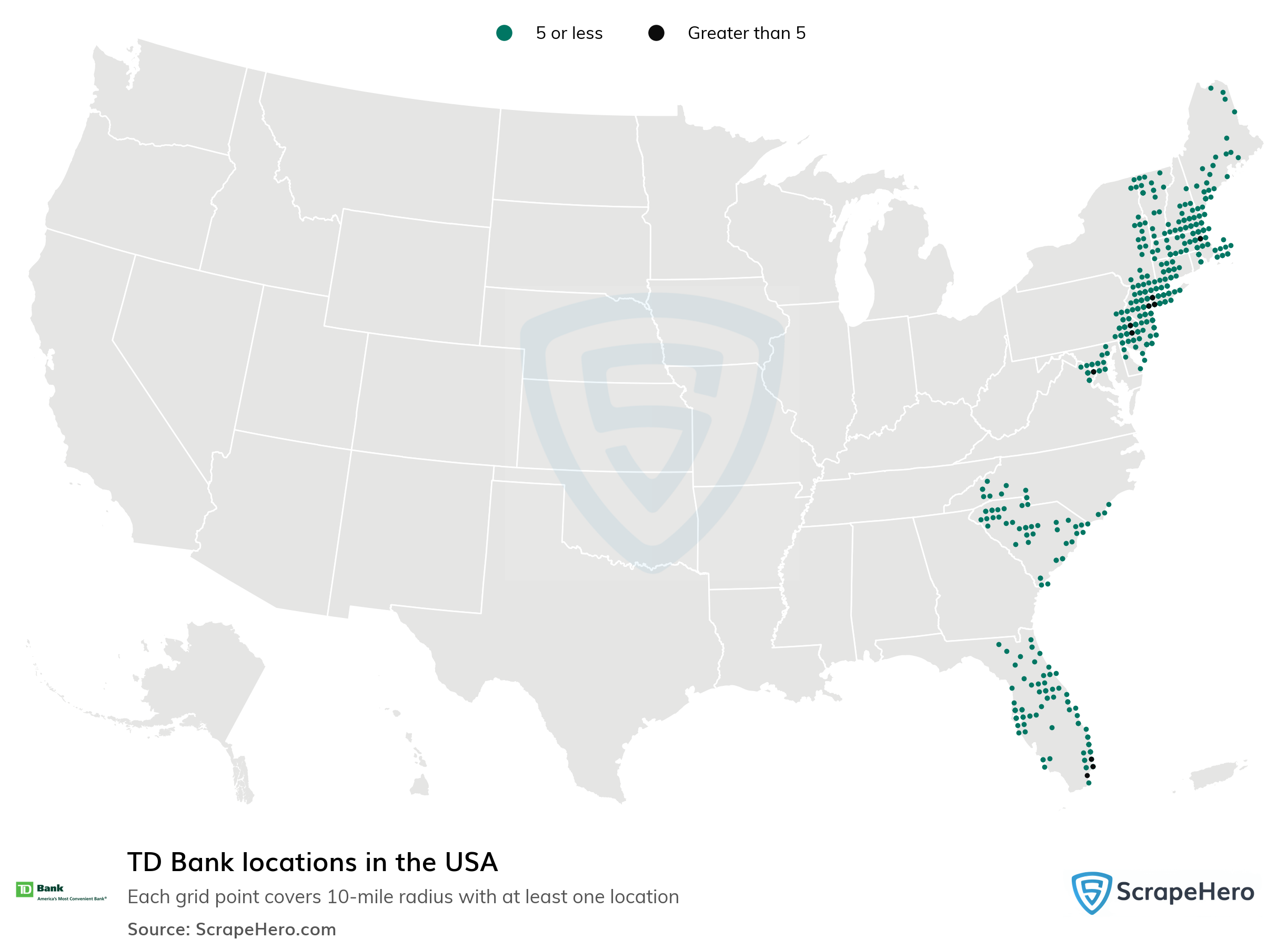
In the United States, TD Bank does not attempt to be a “coast-to-coast” physical bank in the way that some of its larger competitors do. Instead, it has mastered a high-density regional strategy. You will find TD Bank branches primarily along the East Coast, stretching from the northern tips of Maine down to the southern reaches of Florida.
The bank maintains over 1,100 locations across more than a dozen states, including Connecticut, Delaware, Florida, Maine, Maryland, Massachusetts, New Hampshire, New Jersey, New York, North Carolina, Pennsylvania, Rhode Island, South Carolina, Vermont, Virginia, and the District of Columbia. For residents in the Northeast and Mid-Atlantic, TD Bank is often the most visible financial institution, frequently situated in high-traffic retail corridors. This concentration is a strategic choice; by dominating the Eastern Seaboard, TD Bank can provide a dense network of ATMs and branches, reducing the “banking deserts” that plague some suburban and urban areas.
Dominance in the North: Canadian Operations
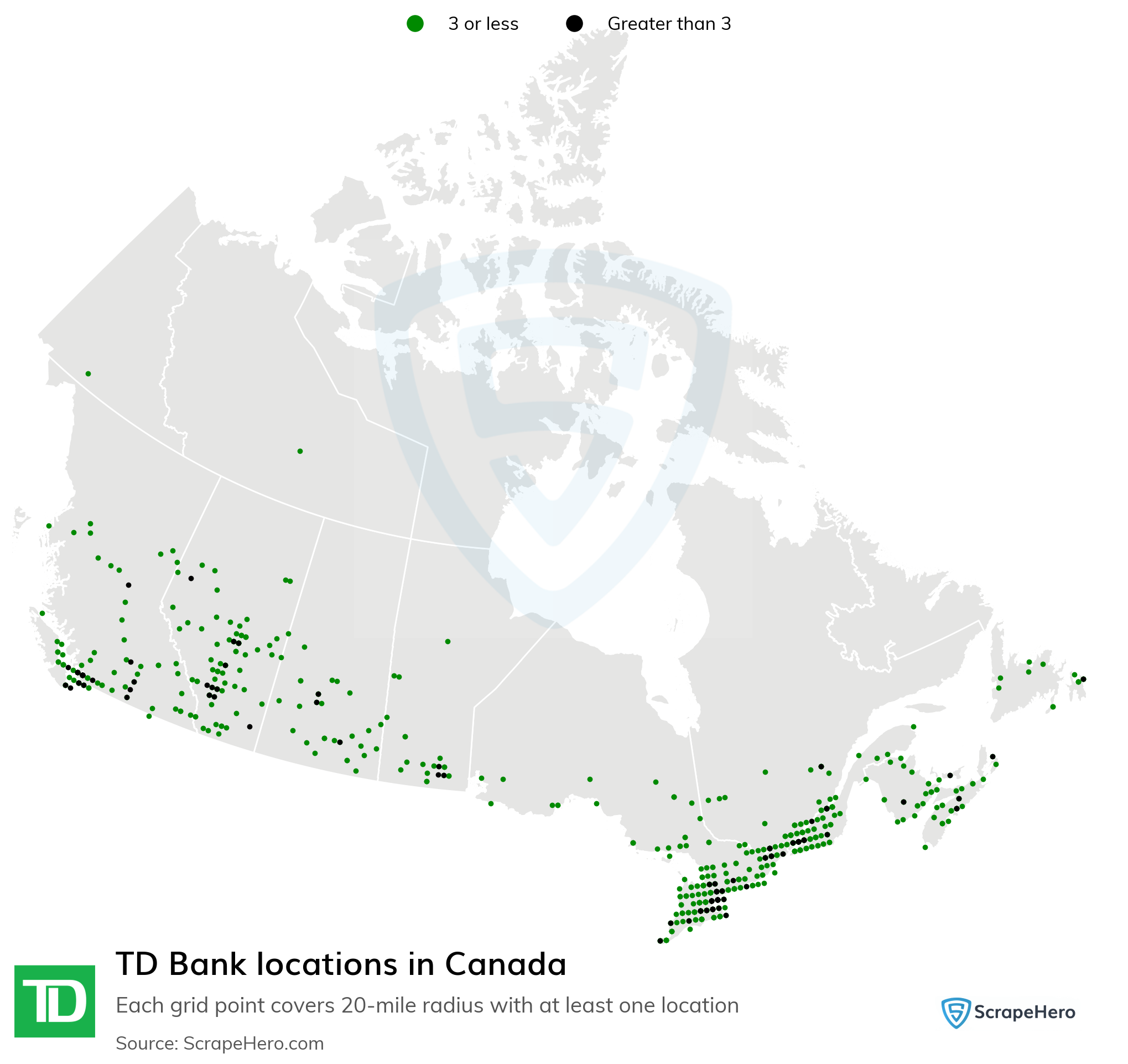
For those looking for TD Bank in Canada, the presence is even more ubiquitous. Operating as TD Canada Trust, the bank is one of the “Big Five” Canadian banks. Unlike the US division, which is regionally focused, TD Canada Trust is truly national. From Vancouver to Halifax and everywhere in between, TD provides services to more than 11 million customers across the country.
This massive Canadian presence is significant for US-based customers because it provides a safety net of familiarity and institutional strength. When you ask where TD Bank is located, the answer often depends on which side of the border you are standing on, but the commitment to physical accessibility remains a core part of their brand identity.
The “America’s Most Convenient Bank” Philosophy
The physical location of a TD Bank is often defined by its accessibility. The bank famously pioneered longer hours, including weekends and many holidays, at a time when most financial institutions adhered to strict “bankers’ hours.” This means that the physical “location” is more than just a coordinate; it is a resource that is available when other banks are closed. For small business owners who need to make cash deposits after Saturday shifts or individuals who work standard 9-to-5 jobs, the availability of these physical locations represents a tangible financial advantage.
Navigating the Digital Map: Banking Beyond Physical Borders
In the age of fintech and neo-banks, a bank’s location is increasingly found in the palm of your hand. For those who live outside the East Coast of the US or the major provinces of Canada, the “location” of TD Bank is effectively its mobile application and online portal.
The Shift Toward Mobile and Online Banking
While TD Bank prides itself on its physical stores, it has invested billions in its digital infrastructure to ensure that a customer in California or Texas can manage their money as effectively as someone in New York. The TD Bank mobile app serves as a virtual branch, offering features like mobile check deposit, Zelle integration for peer-to-peer payments, and real-time fraud alerts.
For the modern investor, the digital location of the bank is often more important than the physical one. The ability to move funds between savings, checking, and brokerage accounts (via TD Ameritrade, though now transitioning through the Charles Schwab merger) happens entirely within this digital ecosystem. Consequently, TD Bank is “located” wherever there is an internet connection, making it a viable option for digital nomads and those who prefer a paperless financial life.

Finding ATMs and Shared Networks
Physical location also relates to the cost of accessing your own cash. TD Bank customers have access to thousands of TD-branded ATMs across their footprint. Furthermore, many of TD’s premium checking accounts offer out-of-network ATM fee reimbursements. This effectively expands the bank’s “location” to any ATM in the world. From a personal finance perspective, this is a critical consideration. If a bank can reimburse your fees, its lack of a physical branch in a specific city becomes a non-issue, allowing you to maintain your primary relationship with an institution that might be headquartered thousands of miles away.
Cross-Border Banking: Why Location Matters for International Clients
One of the most compelling reasons people seek out TD Bank’s specific locations is its unique cross-border banking platform. This is a specialized niche in the money management world that few other banks have mastered.
Seamless Integration for Snowbirds and Travelers
There is a massive demographic of “snowbirds”—Canadian citizens who spend their winters in Florida or the Carolinas—and US citizens who do business in Canada. For these individuals, the fact that TD Bank is located in both countries is a game-changer.
Most international banking involves high wire fees, unfavorable exchange rates, and long waiting periods for funds to clear. However, TD Bank’s cross-border banking allows users to link their US and Canadian accounts. You can view both balances in a single online dashboard and move money between them instantly. This effectively eliminates the “border” as a financial barrier.
Managing Accounts Across the US-Canada Border
When you are located in one country but have financial obligations in another—such as a mortgage on a vacation home or a son or daughter attending university abroad—having a bank with a physical presence in both regions is invaluable. You can walk into a branch in Toronto and discuss your US-based accounts, or vice versa. This level of institutional continuity provides a sense of security that purely digital banks cannot yet match.
Choosing a Bank Based on Proximity vs. Digital Capabilities
In the context of personal finance, the decision to use a bank often comes down to the “Cost of Convenience.” Where a bank is located influences your daily financial habits and your long-term wealth management.
When In-Person Banking Still Matters
While digital banking is sufficient for 90% of transactions, there are moments when physical proximity is essential. Complex financial moves—such as securing a commercial loan, obtaining a cashier’s check for a real estate closing, or accessing a safe deposit box—often require a visit to a brick-and-mortar location. If your financial life involves frequent high-stakes transactions or the handling of physical assets, choosing a bank located within a 20-minute drive of your home or office is a strategic necessity.
Assessing Fee Structures Based on Regional Presence
Location also affects the fees you pay. Banks often tailor their products to the competitive landscape of their primary regions. Because TD Bank is located in highly competitive markets like New York City and Philadelphia, they offer a wide array of account tiers to attract different types of depositors. By understanding the regional focus of the bank, you can better navigate their fee waivers, such as maintaining a minimum balance to avoid monthly maintenance costs.
The Future of TD Bank’s Physical Presence in a Digital Economy
As we look toward the future of money, the definition of “where a bank is located” will continue to blur. TD Bank has shown a commitment to maintaining its physical “stores” even as it scales its digital offerings. This hybrid model—often called “phygital” banking—suggests that the bank views its physical locations not just as transaction hubs, but as branding landmarks and centers for financial advice.
For the consumer, this means the best of both worlds. You have the security and reliability of a massive physical institution with the flexibility of a modern tech platform. When you ask, “Where is TD Bank located?” the most accurate answer is that it is located at the intersection of traditional East Coast stability and modern digital convenience.
Whether you are looking for a branch in downtown Boston, an ATM in Miami, or a mobile app that allows you to manage a cross-border portfolio from a coffee shop in Seattle, TD Bank’s footprint is designed to meet the demands of a mobile, financially-conscious population. In the end, the right bank location is the one that minimizes your friction and maximizes your access to your capital, wherever you happen to be.
aViewFromTheCave is a participant in the Amazon Services LLC Associates Program, an affiliate advertising program designed to provide a means for sites to earn advertising fees by advertising and linking to Amazon.com. Amazon, the Amazon logo, AmazonSupply, and the AmazonSupply logo are trademarks of Amazon.com, Inc. or its affiliates. As an Amazon Associate we earn affiliate commissions from qualifying purchases.