
In an increasingly digital financial landscape, the question “Where is Synchrony Bank located?” isn’t as straightforward as asking for the address of a local credit union. Unlike traditional banks with sprawling networks of brick-and-mortar branches, Synchrony Bank primarily operates within the digital realm, redefining what “location” means for a financial institution in the 21st century. This distinction is crucial for understanding its business model, its offerings, and how it serves millions of consumers and businesses across the United States. As a pivotal player in consumer finance, particularly in private label credit cards and high-yield savings products, Synchrony Bank’s physical presence is minimal, while its digital footprint is expansive and deeply integrated into the fabric of modern commerce. This article delves into Synchrony’s unique operational structure, its strategic “location” in the financial world, and what this means for its customers and the broader economy.

The Evolving Landscape of Banking and Synchrony’s Niche
The financial industry has undergone a seismic shift over the last few decades, moving from a predominantly physical, branch-centric model to one heavily reliant on digital platforms. Synchrony Bank has not only adapted to this change but has strategically positioned itself at the forefront of the online banking revolution. Understanding its “location” requires acknowledging this fundamental transformation in how financial services are delivered and consumed.
The Shift from Brick-and-Mortar to Digital
For centuries, banks were defined by their physical presence – grand buildings, local branches, and tellers who knew customers by name. This model provided a sense of security and accessibility. However, the advent of the internet and mobile technology dramatically altered consumer expectations. People began to demand convenience, speed, and 24/7 access to their finances, leading to the rise of online banking. This evolution allowed financial institutions to reduce overhead costs associated with maintaining physical branches, often translating into more competitive interest rates and lower fees for customers. This paradigm shift paved the way for institutions like Synchrony Bank to thrive without a traditional branch network.
Synchrony Bank’s Online-Centric Model
Synchrony Bank was purpose-built for the digital age. Emerging from GE Capital’s retail finance division, it carved out a niche as a specialized financial services company focused heavily on partnerships and online operations. Its model eschews the traditional branch network almost entirely, opting instead for a robust online presence and sophisticated digital infrastructure. This allows Synchrony to operate with significantly lower overheads compared to traditional banks, a cost saving that it often passes on to its customers through higher interest rates on savings accounts and certificates of deposit (CDs), and through competitive credit card offerings in partnership with major retailers. Their “location,” therefore, is less about a specific physical address and more about their ubiquitous presence across various digital channels where consumers interact with their money.
The “Location” of Synchrony Bank: A Multifaceted Answer
While Synchrony Bank may not have branches on every street corner, it does have a definitive operational base and a widespread digital reach. Pinpointing its “location” involves understanding both its corporate headquarters and its virtual accessibility.
Its Operational Headquarters: Stamford, CT
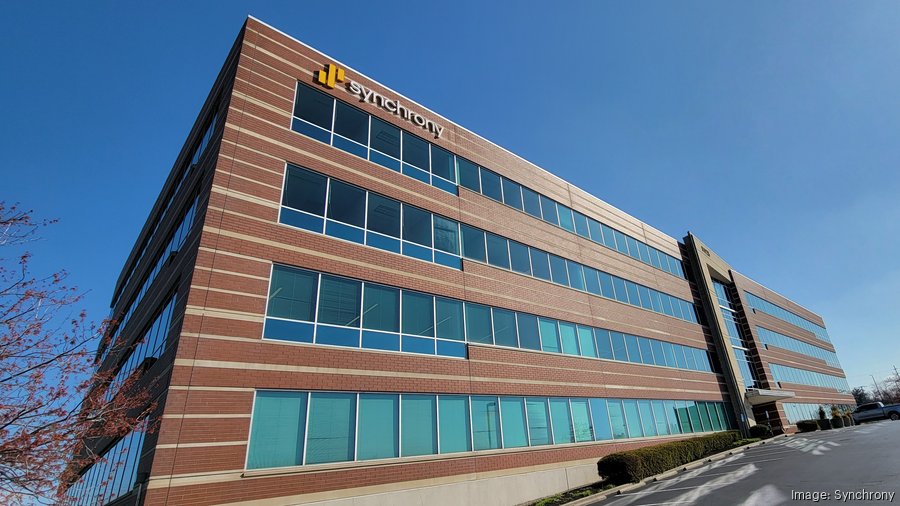
Synchrony Financial, the parent company of Synchrony Bank, maintains its corporate headquarters in Stamford, Connecticut. This is where executive decisions are made, strategic partnerships are forged, and the core operational teams manage the vast ecosystem of Synchrony’s financial products and services. While not a customer-facing branch, this physical location serves as the central nervous system for the entire organization, overseeing its digital platforms, regulatory compliance, and business development initiatives. From Stamford, Synchrony coordinates its extensive network of business-to-business (B2B) relationships and manages the technological infrastructure that supports its consumer-facing products.
Its Digital Footprint: Everywhere You Are
For the average customer, Synchrony Bank is located wherever they have an internet connection. This means it’s accessible from a smartphone in New York, a tablet in California, or a laptop in Texas. Its primary “location” is its official website, SynchronyBank.com, and its dedicated mobile banking applications. Through these digital portals, customers can open accounts, manage their savings and CDs, make payments, transfer funds, and access customer service. This “everywhere” accessibility is a cornerstone of its value proposition, offering unparalleled convenience and removing geographical barriers to financial services. It’s a bank designed to fit into the modern consumer’s lifestyle, available on demand, 24/7.
The Absence of Traditional Branches
A defining characteristic of Synchrony Bank is its deliberate choice to forgo a network of physical branches. This is a crucial piece of the puzzle when considering its “location.” Potential customers looking for a local Synchrony branch to walk into for a deposit or a consultation will not find one. This branchless model is a strategic decision that underpins its operational efficiency and competitive advantage. By eliminating the substantial costs associated with real estate, staffing, and maintaining physical outlets, Synchrony can allocate more resources to developing robust digital platforms, offering attractive rates, and investing in customer support infrastructure that operates remotely. This model is appealing to a segment of the population that is comfortable with digital banking and prioritizes convenience and competitive returns over in-person interactions.
Synchrony’s Core Business: Powering Retail and Consumer Finance
Synchrony Bank’s strategic “location” within the financial ecosystem is largely defined by its core business activities, which primarily revolve around specialized consumer financing and high-yield deposit products. These distinct offerings position it uniquely among financial institutions.

Private Label Credit Cards and Retail Partnerships
One of Synchrony’s most significant contributions to the financial landscape is its extensive portfolio of private label credit cards. Synchrony partners with hundreds of national and regional retailers, healthcare providers, and automotive service companies to offer branded credit cards to their customers. For example, if you have a store credit card from Lowe’s, Amazon, JCPenney, or Gap, there’s a high probability it’s issued and serviced by Synchrony Bank. These partnerships are a core component of Synchrony’s B2B2C (business-to-business-to-consumer) model, where it serves as the financial engine behind numerous retail brands, facilitating consumer purchases and building brand loyalty. This makes Synchrony “located” indirectly in thousands of retail outlets across the country, as their financial products are offered directly at the point of sale.
Consumer Savings Products: High-Yield Accounts and CDs
Beyond its credit card partnerships, Synchrony Bank is also a prominent provider of consumer deposit accounts, including high-yield savings accounts, money market accounts, and certificates of deposit (CDs). Because of its online-only model and lower overheads, Synchrony is often able to offer interest rates significantly higher than those found at traditional brick-and-mortar banks. This makes it an attractive option for savers looking to maximize their returns on liquid funds or long-term investments. For these customers, Synchrony Bank’s “location” is purely digital, offering a secure and convenient platform to manage their savings without the need for physical interaction. These deposit products are crucial for funding Synchrony’s lending operations, creating a balanced financial ecosystem.
Understanding Synchrony’s B2B2C Model
Synchrony’s business model is a testament to its innovative approach. It operates as a vital link between businesses and their customers. By issuing private label credit cards, Synchrony empowers retailers to offer flexible financing options, drive sales, and enhance customer loyalty. Simultaneously, it provides consumers with accessible credit and high-yield savings products. This unique B2B2C structure allows Synchrony to integrate deeply into the retail economy while also directly serving individual savers. Its strategic “location” is therefore at the intersection of retail commerce and personal finance, providing essential financial tools that support both businesses and consumers. This model allows it to scale efficiently and reach a vast customer base through its partners’ existing retail infrastructure.
Navigating Synchrony Bank: Accessibility and Customer Experience
Despite its lack of physical branches, Synchrony Bank is highly accessible and offers various channels for customer interaction, ensuring a comprehensive and secure banking experience. The key lies in understanding how to engage with a purely digital financial institution.
Online and Mobile Banking Platforms
The primary points of interaction for Synchrony Bank customers are its robust online banking portal and mobile application. These platforms are designed for intuitive navigation and offer a full suite of self-service options. Customers can check account balances, review transaction history, set up automatic payments, transfer funds between accounts, pay bills, and manage their personal information. The mobile app, available on both iOS and Android devices, extends this functionality, allowing for banking on the go, often with features like mobile check deposit. These digital tools are continuously updated with advanced security features and user-friendly interfaces, making them the virtual “front desk” of Synchrony Bank.
Customer Support Channels
Recognizing that some financial matters require human interaction, Synchrony Bank provides multiple avenues for customer support. While there are no in-person tellers, customers can typically reach support representatives via:
- Telephone: Dedicated customer service lines for various products (e.g., credit cards, savings accounts) are available during extended business hours.
- Secure Messaging: Many online banking portals offer a secure messaging system, allowing customers to send inquiries and receive responses directly within their account, ensuring privacy and convenience.
- Email: For less urgent matters, email support is often available.
- Mail: Traditional postal mail is still an option for official correspondence or specific documentation.
These diverse channels ensure that customers can access assistance when needed, bridging the gap created by the absence of physical branches and affirming Synchrony’s commitment to customer service within its digital framework.
Security and FDIC Insurance: Trust in a Digital World
A common concern with online-only banks is security. Synchrony Bank addresses this through multiple layers of protection and regulatory compliance. All deposit accounts at Synchrony Bank are FDIC insured up to the maximum amount allowed by law ($250,000 per depositor, per ownership category). This means that even in the unlikely event of the bank’s failure, depositors’ funds are protected by the full faith and credit of the U.S. government, providing the same level of security as traditional banks. Furthermore, Synchrony employs advanced encryption technologies, multi-factor authentication, and fraud monitoring systems to safeguard customer data and transactions, ensuring a secure digital banking environment. This commitment to security is paramount for building trust in an institution whose primary “location” is the internet.
The Advantages and Considerations of Online-Only Banking
Synchrony Bank’s online-only model offers significant benefits but also presents unique considerations for consumers. Understanding these aspects is key to determining if a branchless bank is the right financial partner.
Benefits for Consumers: Rates and Convenience
The primary advantage of banking with an online-only institution like Synchrony is the potential for higher interest rates on savings products. Without the overhead of physical branches, Synchrony can pass those cost savings on to customers in the form of more competitive annual percentage yields (APYs). Additionally, the convenience factor is unmatched. Customers can manage their finances from anywhere, at any time, eliminating the need to visit a physical branch during specific banking hours. This flexibility is particularly appealing to digitally-savvy individuals who prefer managing their money independently and efficiently.
Challenges and Solutions in a Branchless Environment
While convenient, the branchless model can present certain challenges. The most common is the inability to conduct cash transactions (deposits or withdrawals) directly at a teller. Solutions for this typically involve:
- Electronic Transfers: Easily moving funds between Synchrony Bank and an external linked bank account.
- ATM Access: While Synchrony doesn’t have its own ATM network, customers can often use external banks or credit unions for cash needs (though this may be more relevant for linked debit cards, which Synchrony typically doesn’t offer for its savings accounts).
- Mobile Check Deposit: Depositing checks remotely using a smartphone camera.
For those who heavily rely on cash transactions, an online-only bank might require a supplementary account at a traditional bank or credit union.
The Future of Digital Banking and Synchrony’s Position
The trend towards digital banking is irreversible, and Synchrony Bank is well-positioned for continued growth and innovation within this paradigm. As technology advances, online banks will likely integrate more sophisticated AI-driven tools, personalized financial insights, and even more seamless user experiences. Synchrony’s agile, digitally-focused structure allows it to adapt quickly to these technological shifts, offering cutting-edge financial solutions without the legacy burden of an extensive physical infrastructure. Its continued success will depend on its ability to maintain competitive rates, foster strong retail partnerships, and continuously enhance its digital security and customer service, solidifying its “location” as a leader in the evolving world of online finance.
In conclusion, asking “where is Synchrony Bank located?” reveals far more than a simple street address. It highlights the profound transformation of the banking industry, where convenience, digital accessibility, and competitive financial products have become paramount. While its operational heart beats in Stamford, CT, Synchrony Bank’s true presence is omnipresent across the digital landscape, seamlessly integrated into our daily lives through its partnerships and online platforms, making it a powerful force in modern consumer finance.
aViewFromTheCave is a participant in the Amazon Services LLC Associates Program, an affiliate advertising program designed to provide a means for sites to earn advertising fees by advertising and linking to Amazon.com. Amazon, the Amazon logo, AmazonSupply, and the AmazonSupply logo are trademarks of Amazon.com, Inc. or its affiliates. As an Amazon Associate we earn affiliate commissions from qualifying purchases.