
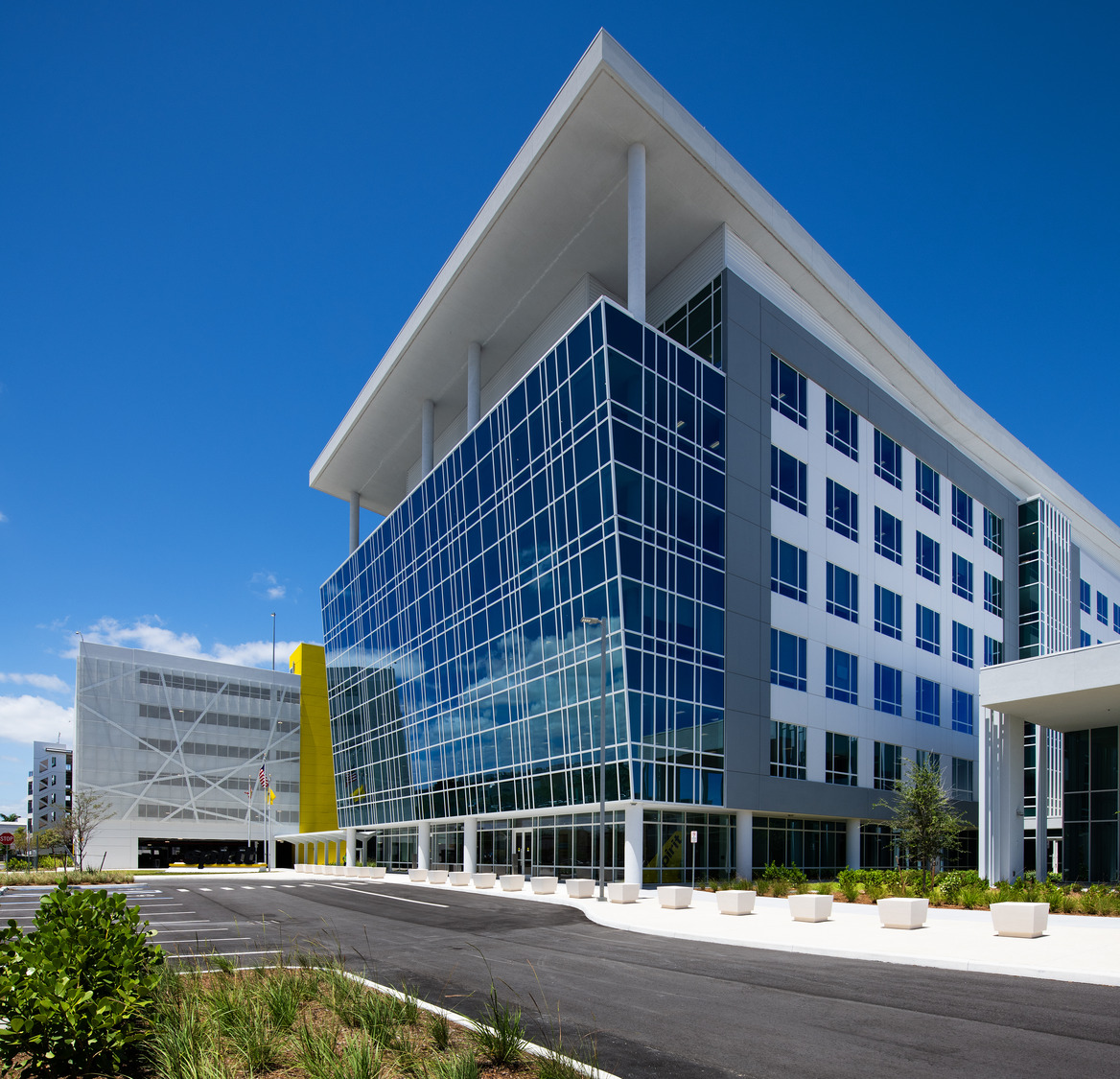
While the question “where is Spirit Airlines based?” might seem like a simple geographical query, for a publicly traded company operating in the highly competitive aviation sector, the answer is steeped in complex financial and strategic considerations. An airline’s operational base is far more than a physical address; it is the nerve center from which all financial decisions radiate, influencing everything from operational costs and market strategy to investor perception and long-term profitability. For Spirit Airlines, a pioneer in the ultra-low-cost carrier (ULCC) model, its chosen base—Miramar, Florida—serves as a testament to its commitment to lean operations and strategic financial management. Understanding the why behind this location reveals crucial insights into the financial architecture of modern airlines, particularly those built on a value-driven premise.

This article delves into the intricate financial tapestry that dictates an airline’s operational base. We will explore how these decisions are meticulously crafted to optimize costs, maximize revenue potential, secure crucial investments, and ultimately, bolster shareholder value. Far from a mere logistical footnote, the location of an airline’s home base is a cornerstone of its business finance, a strategic asset engineered to drive economic efficiency and sustained growth.
The Financial Imperatives Behind Base Location
The choice of an airline’s primary operational base is not arbitrary; it is the culmination of rigorous financial analysis, balancing myriad factors to create a stable and cost-effective foundation. Every aspect, from labor markets to regulatory environments, is scrutinized through a financial lens to ensure optimal performance and profitability.
Cost Optimization: Labor, Facilities, and Fuel Efficiency
For any airline, and especially for a ULCC like Spirit, controlling costs is paramount. The operational base directly impacts several critical expenditure categories. Labor costs, for instance, are significantly influenced by local wage rates, availability of skilled personnel (pilots, flight attendants, mechanics, ground staff), and the prevalence of unions. A base in a region with a competitive labor market or a lower cost of living can translate into substantial savings on salaries and benefits. Beyond human capital, the cost of facilities—hangars, maintenance depots, corporate offices, and training centers—is heavily dependent on real estate values and construction costs in the chosen location. Lower property taxes and favorable land leases can provide a distinct financial advantage.
Furthermore, fuel efficiency, while primarily driven by aircraft technology and flight routes, can also be indirectly affected by the base. Proximity to major fuel supply hubs, competitive local fuel pricing, and logistical advantages in fuel delivery can contribute to marginal but significant savings over time. For Spirit Airlines, establishing its headquarters in South Florida, a region with a diverse labor pool and a generally more favorable business environment compared to traditional legacy airline hubs, allows it to maintain its aggressive cost structure. This strategic positioning enables Spirit to leverage regional economic conditions to keep its operational expenses as low as possible, a core tenet of its ULCC model.
Market Access and Revenue Potential
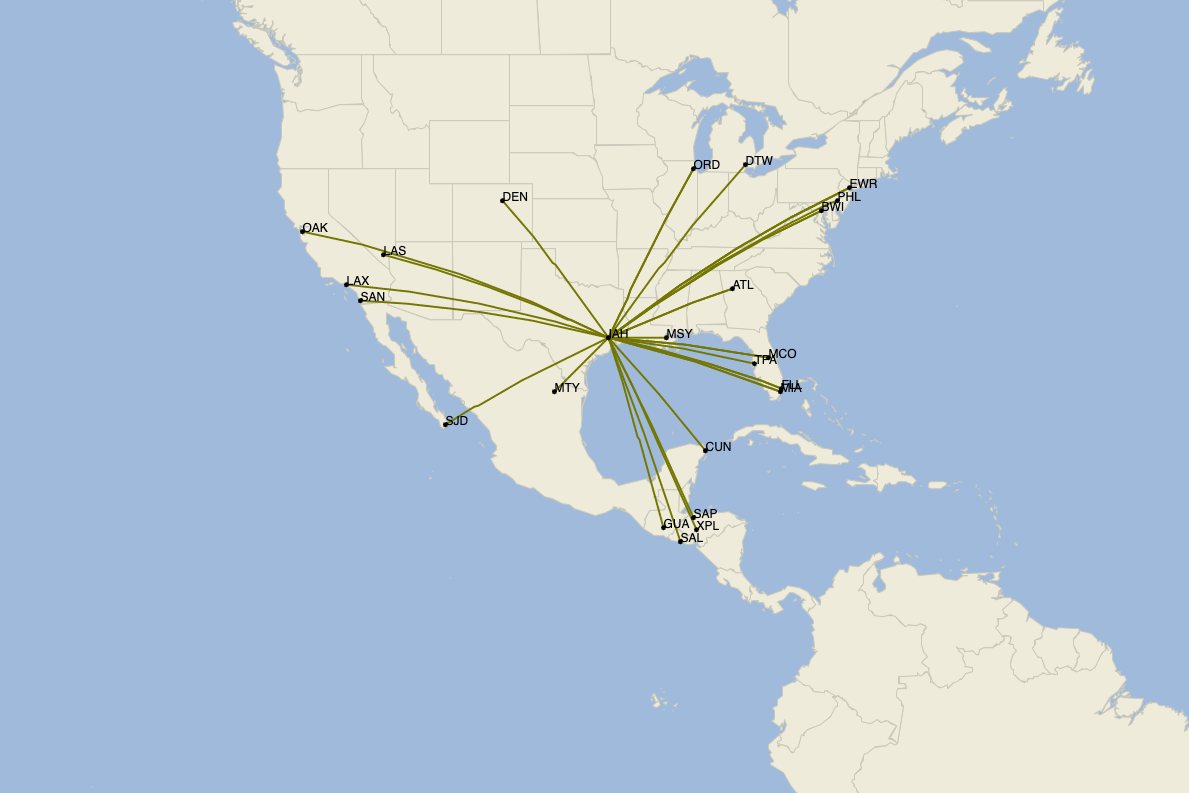
A strategically located base enhances an airline’s ability to access key markets, thereby maximizing revenue generation. For Spirit, South Florida serves as a gateway to robust leisure travel markets, particularly to the Caribbean, Latin America, and various domestic vacation destinations. This geographical advantage allows Spirit to efficiently deploy its fleet on high-demand routes that align with its target demographic: value-conscious leisure travelers. The base facilitates quicker turnaround times and more efficient network planning for these popular destinations.
Beyond direct flight routes, the base can also influence ancillary revenue streams. For instance, proximity to major tourist hubs or business centers can create opportunities for partnerships, cargo operations, and even specialized services. An airline’s base helps define its network strategy, enabling it to penetrate specific markets with minimal repositioning costs, thereby enhancing its revenue per available seat mile (RASM) and overall top-line growth. The ability to quickly and economically pivot aircraft from its central hub to high-yield routes is a significant financial lever.
Regulatory and Tax Environment
The regulatory and tax landscape of a chosen base city, county, and state is a crucial financial determinant. Different jurisdictions offer varying incentives, tax breaks, and regulatory frameworks that can either burden or benefit an airline. State corporate income taxes, property taxes, sales taxes, and local airport fees can significantly impact an airline’s financial health. Some states actively seek to attract aviation businesses, offering grants, tax credits for job creation, or favorable depreciation schedules for capital investments.
For a cost-sensitive carrier like Spirit, operating in a state like Florida, which has historically maintained a pro-business environment with no state income tax on wages (though corporate income tax applies), can translate into a more favorable financial outlook. Reduced tax burdens free up capital for reinvestment in fleet modernization, technology, or network expansion, directly contributing to long-term shareholder value. Furthermore, a stable and predictable regulatory environment minimizes compliance costs and provides a clearer roadmap for future financial planning and investment.
Investing in Infrastructure: Capital Expenditure and Long-Term Value
An airline’s operational base represents a substantial capital investment, far beyond mere office space. It embodies a complex ecosystem of infrastructure designed to support thousands of flights, millions of passengers, and a vast workforce. This investment is meticulously planned to generate long-term financial value, ensure operational resilience, and support scalable growth.
Building an Operational Ecosystem
The financial outlay for an airline’s base encompasses more than just corporate headquarters. It involves the development or leasing of extensive infrastructure, including aircraft maintenance facilities (hangars, repair shops), pilot and flight attendant training centers (with flight simulators), ground support equipment depots, and centralized operational control centers. These facilities are capital-intensive, requiring significant upfront investment in land, construction, and specialized equipment. For Spirit, establishing a comprehensive operational ecosystem in Miramar, Florida, means creating a self-sufficient hub that minimizes reliance on third-party services, thereby reducing ongoing operational costs and increasing control over critical functions.
From a financial perspective, these investments are strategic assets. Well-maintained facilities reduce the likelihood of costly operational disruptions and extend the lifespan of aircraft, minimizing the need for premature replacements. Training centers ensure a steady supply of qualified personnel, mitigating recruitment costs and improving safety records, which can indirectly lower insurance premiums. The integrated nature of this ecosystem is a testament to careful capital allocation, designed to deliver efficiencies that contribute directly to the airline’s bottom line over decades.
Attracting and Retaining Talent: A Human Capital Investment
While discussed in terms of cost optimization, the financial implications of attracting and retaining talent extend into capital investment. A well-established base in an attractive location can be a significant draw for skilled aviation professionals. Beyond competitive salaries, factors like quality of life, access to good schools, and a supportive community environment contribute to employee satisfaction and retention. High employee turnover is financially detrimental, leading to increased recruitment costs, training expenses, and potential operational inefficiencies.
Spirit’s base in South Florida allows it to tap into a diverse labor market, including experienced personnel from other airlines and a growing local talent pool. Investing in a positive work environment at its base, coupled with career development opportunities, ensures a stable and motivated workforce. This human capital investment translates into higher productivity, reduced operational errors, and better customer service, all of which directly or indirectly bolster the airline’s financial performance and reputation. Ultimately, a stable and experienced workforce is a critical asset that delivers tangible financial returns through enhanced operational reliability and efficiency.
Scalability and Future Growth
The initial financial decision regarding an airline’s base must incorporate a vision for future growth. A base that offers ample room for expansion, both physically and operationally, mitigates future capital expenditure. If an airline outgrows its base, relocating or establishing a secondary hub can be enormously expensive and disruptive. Therefore, the strategic financial planning includes assessing the potential for adding more gates, expanding maintenance facilities, or increasing training capacities without incurring prohibitive costs.
For Spirit, choosing a location that permits future growth aligns with its ambitious expansion plans. The ability to scale operations efficiently from its primary base means it can add new routes, increase flight frequencies, and expand its fleet without facing significant logistical or financial bottlenecks. This foresight in capital allocation ensures that the initial investment in the base continues to support the airline’s evolving operational needs, allowing for sustainable growth and maximizing the long-term return on investment for shareholders.
Impact on Shareholder Value and Investor Confidence
Ultimately, every major financial decision an airline makes, including the selection and management of its operational base, is scrutinized for its impact on shareholder value and investor confidence. A well-chosen and efficiently run base sends a clear signal to the market about an airline’s strategic acumen and its potential for sustained profitability.
Operational Efficiency as a Driver of Profitability
A perfectly optimized operational base is a direct conduit to enhanced profitability. When an airline can minimize costs associated with labor, facilities, and maintenance, and simultaneously maximize revenue through efficient market access, its profit margins improve. This operational efficiency translates directly into stronger financial statements, including higher net income and robust cash flows. Investors closely monitor these metrics as indicators of an airline’s financial health and its ability to generate consistent returns.
For Spirit Airlines, its base in Miramar, Florida, is designed to be a linchpin of its ultra-low-cost model. By keeping operational overhead low and streamlining processes from its central hub, Spirit can offer competitive fares while maintaining healthy profit margins. This efficiency allows the company to weather economic fluctuations more effectively and deliver consistent financial performance, which is highly attractive to investors seeking stable and growing assets within the often-volatile aviation sector.
Risk Mitigation and Business Resilience
A strategically located and diversified operational base can significantly mitigate various business risks. Geographic diversification of operational centers, though often costlier, can protect against localized natural disasters (e.g., hurricanes, earthquakes), labor disputes, or economic downturns in a specific region. While Spirit’s primary base is in Florida, its broader operational network and fleet deployment strategy would consider similar risk factors.
From a financial perspective, risk mitigation translates into business resilience. An airline less susceptible to sudden, uninsurable disruptions is viewed as a safer investment. A base that provides access to alternative airports or resources in times of crisis, or one that is situated in a region with fewer inherent risks, reduces the potential for costly operational shutdowns and protects revenue streams. This stability is highly valued by investors, as it minimizes unforeseen liabilities and contributes to more predictable financial outcomes.
Investor Perception and Strategic Positioning
The location of an airline’s base can also subtly influence investor perception and its strategic positioning within the market. A base in a rapidly growing economic region might signal aggressive expansion plans, while one in a more established hub could suggest stability and a focus on legacy routes. For Spirit, its Florida base aligns perfectly with its identity as a leisure-focused, value-driven carrier. This location reinforces its brand message and its market niche.
Investors look for coherence between an airline’s stated strategy and its tangible assets, including its operational base. A base that supports its business model—whether it’s a ULCC, a premium full-service carrier, or a regional specialist—lends credibility to its long-term financial projections. This strategic alignment can positively influence stock valuation, attract institutional investors, and ensure continued access to capital markets for future financing needs. A clear, financially sound strategic positioning, rooted in its operational base, builds enduring investor confidence.
Spirit Airlines’ Approach: A Case Study in Lean Financial Operations
Spirit Airlines epitomizes the strategic financial thinking behind base selection, particularly for an ultra-low-cost carrier. Its base in Miramar, Florida, is not merely a geographic point but an integral component of its overarching financial strategy to deliver value and maintain profitability.
The Ultra-Low-Cost Carrier (ULCC) Model and Base Strategy
Spirit’s ULCC model is predicated on an obsessive focus on cost reduction across all operational facets, allowing it to offer highly competitive fares. This philosophy extends directly to its base strategy. The choice of Miramar, rather than a more congested and expensive mega-hub, reflects a conscious financial decision. Such a location often comes with lower real estate costs, more favorable airport agreements (reducing landing fees and gate charges), and potentially a more flexible labor market. The aim is to create a lean operational footprint that minimizes overheads.
From a financial perspective, every dollar saved at the base level—whether on property taxes, utility costs, or administrative expenses—directly contributes to a lower operating cost per available seat mile (CASM), a key metric for ULCCs. This enables Spirit to maintain its low-fare leadership, attract a broad customer base, and sustain its financial viability in a cutthroat industry. The base is configured to support high aircraft utilization and efficient turnarounds, crucial for a ULCC’s profitability model.
Balancing Growth with Financial Prudence
Spirit’s base strategy also demonstrates a meticulous balancing act between aggressive growth and financial prudence. The airline has embarked on significant expansion, adding new routes and rapidly growing its fleet. Its Miramar base is positioned to support this growth without compromising its cost-conscious identity. The scalability of its facilities, access to a growing talent pool, and its strategic location relative to target growth markets (such as Latin America and popular domestic leisure destinations) are all financially advantageous.
The long-term financial health of Spirit relies on its ability to expand profitably. Its base provides the centralized management and logistical backbone to coordinate this expansion efficiently, ensuring that new routes are launched with minimal incremental costs and that existing operations remain streamlined. This measured approach to growth, anchored by a financially optimized operational base, allows Spirit to continue increasing its market share and revenue streams while safeguarding its foundational financial strength, ensuring a sustainable trajectory for its investors.
In conclusion, the seemingly straightforward question of “where is Spirit Airlines based?” unravels a complex narrative of strategic financial decisions. Its base in Miramar, Florida, is a carefully chosen cornerstone of its ultra-low-cost business model, meticulously designed to optimize costs, maximize revenue potential, secure crucial capital investments, and ultimately, bolster shareholder value. Far from a mere physical address, an airline’s operational base is a dynamic financial asset, reflecting its core strategy, operational efficiencies, and long-term vision in the highly competitive world of aviation.
aViewFromTheCave is a participant in the Amazon Services LLC Associates Program, an affiliate advertising program designed to provide a means for sites to earn advertising fees by advertising and linking to Amazon.com. Amazon, the Amazon logo, AmazonSupply, and the AmazonSupply logo are trademarks of Amazon.com, Inc. or its affiliates. As an Amazon Associate we earn affiliate commissions from qualifying purchases.