
The narrative of Shake Shack is more than just a culinary success story; it’s a compelling case study in strategic brand development, proving that even the simplest concept, when nurtured with vision and unwavering commitment to quality and hospitality, can blossom into a global phenomenon. Far from being an overnight sensation, Shake Shack emerged from humble beginnings, meticulously crafted by a visionary whose philosophy of “enlightened hospitality” laid the groundwork for a brand that would redefine the fast-casual dining experience. Its origin story is a testament to the power of thoughtful branding, demonstrating how a clear identity, a distinct value proposition, and a carefully cultivated customer experience can transform a temporary installation into an enduring icon.

The Genesis of a Culinary Phenomenon: A Hot Dog Cart’s Humble Beginnings
The story of Shake Shack begins not in a gleaming corporate boardroom, but amidst the verdant expanse of Madison Square Park in New York City. This unassuming origin is central to the brand’s identity, grounding it in a sense of community, authenticity, and spontaneous charm that few modern chains can replicate. It was a calculated risk that paid off handsomely, illustrating how a focused approach to market entry can sow the seeds for monumental growth.
From Park Project to Public Sensation
In 2001, the Madison Square Park Conservancy embarked on a project to revitalize the park, and part of this initiative involved a temporary art installation that would also serve food. Danny Meyer, the acclaimed restaurateur behind Union Square Hospitality Group (USHG), was approached to operate a hot dog cart within the park. This wasn’t initially envisioned as the precursor to a multi-billion-dollar brand. Rather, it was a philanthropic gesture, a temporary fixture designed to enliven the park and offer simple, good food to visitors. The cart, known then simply as “Shake Shack,” quickly transcended its temporary status. Its simple menu of gourmet hot dogs, burgers, fries, and milkshakes, prepared with attention to quality unheard of in traditional park concessions, garnered immediate and overwhelming popularity. Queues formed daily, stretching through the park, signaling that Meyer and his team had inadvertently tapped into a latent demand for high-quality, approachable comfort food in an inviting, outdoor setting. This organic, grassroots success became the foundation upon which the entire brand would be built.
Danny Meyer’s Vision: Elevating the Everyday
Danny Meyer is more than just a successful restaurateur; he is a hospitality philosopher. His Union Square Hospitality Group, renowned for its fine dining establishments like Union Square Cafe and Gramercy Tavern, operates on a core principle he famously coined as “Enlightened Hospitality.” This philosophy prioritizes employees first, believing that happy, well-treated staff will, in turn, provide exceptional service to guests, which ultimately benefits suppliers, the community, and shareholders. When Shake Shack emerged, Meyer imbued this ethos into its very DNA. He saw an opportunity to apply the meticulous standards of fine dining to a fast-casual format, elevating the mundane hot dog or hamburger into an experience marked by quality ingredients, thoughtful service, and a welcoming atmosphere. This wasn’t just about selling food; it was about selling an experience, a moment of delight in a public park. Meyer’s vision was to create a space where everyone felt welcome and valued, transforming a simple burger joint into a community hub. This fundamental commitment to hospitality, even in a casual setting, became a distinguishing characteristic of the Shake Shack brand, setting it apart from its competitors and fostering an almost cult-like following.
Crafting the “Fine Casual” Brand Identity
The unexpected success of the Madison Square Park cart prompted Meyer and his team to consider a more permanent structure. In 2004, the temporary cart evolved into a permanent kiosk, still within the park, but with a more robust operation. It was at this juncture that the deliberate crafting of Shake Shack’s unique brand identity began, giving rise to a new dining category and a distinctive market position.
The Birth of a New Category
Shake Shack didn’t just join the fast-food landscape; it carved out its own niche, pioneering what became known as “fine casual” dining. This strategic positioning was a masterstroke in branding. It consciously placed Shake Shack above traditional fast food chains like McDonald’s or Burger King, emphasizing superior ingredient quality, more refined preparation techniques, and an elevated dining environment. Yet, it remained distinctly more casual and accessible than Meyer’s upscale restaurants. The “fine casual” label communicated a clear value proposition: customers could enjoy high-quality food, similar to what they might find in a sit-down restaurant, but with the speed and convenience of a casual setting, all at a more approachable price point. This branding stroke addressed a growing desire among consumers for better food options that didn’t demand the time or expense of fine dining, effectively bridging a significant gap in the market. It was a branding exercise in creating an entirely new market segment by redefining consumer expectations.
Pillars of Brand Distinction: Quality, Experience, Community
Shake Shack’s brand identity is built upon several foundational pillars that consistently reinforce its value proposition. Each element is meticulously managed to ensure a cohesive and compelling brand narrative.
- Quality Ingredients: At its core, Shake Shack promised better food. This commitment translated into sourcing premium ingredients: 100% all-natural Angus beef, never frozen, no hormones or antibiotics; fresh, locally-sourced produce whenever possible; and high-quality dairy for its iconic shakes. This dedication to ingredient integrity isn’t just about taste; it’s a critical part of the brand’s ethical stance and its promise of a healthier, more responsible dining option, resonating strongly with discerning consumers.
- Customer Experience: The “Enlightened Hospitality” philosophy permeates every customer interaction. From the friendly, efficient staff to the welcoming atmosphere, the brand strives to create a consistently positive and memorable experience. It’s about more than just transactional service; it’s about making guests feel genuinely cared for and appreciated. This attention to detail in service elevates Shake Shack beyond a mere food provider to a purveyor of pleasant moments.
- Community Integration: The brand’s origin in Madison Square Park intrinsically links it to the idea of community and public spaces. Shake Shack often emphasizes its local connections, supporting neighborhood initiatives, and designing its locations to be gathering places. This community-centric approach fosters a sense of belonging and loyalty, making the brand feel like a welcomed neighbor rather than a faceless corporation.
Design and Atmosphere as Brand Amplifiers
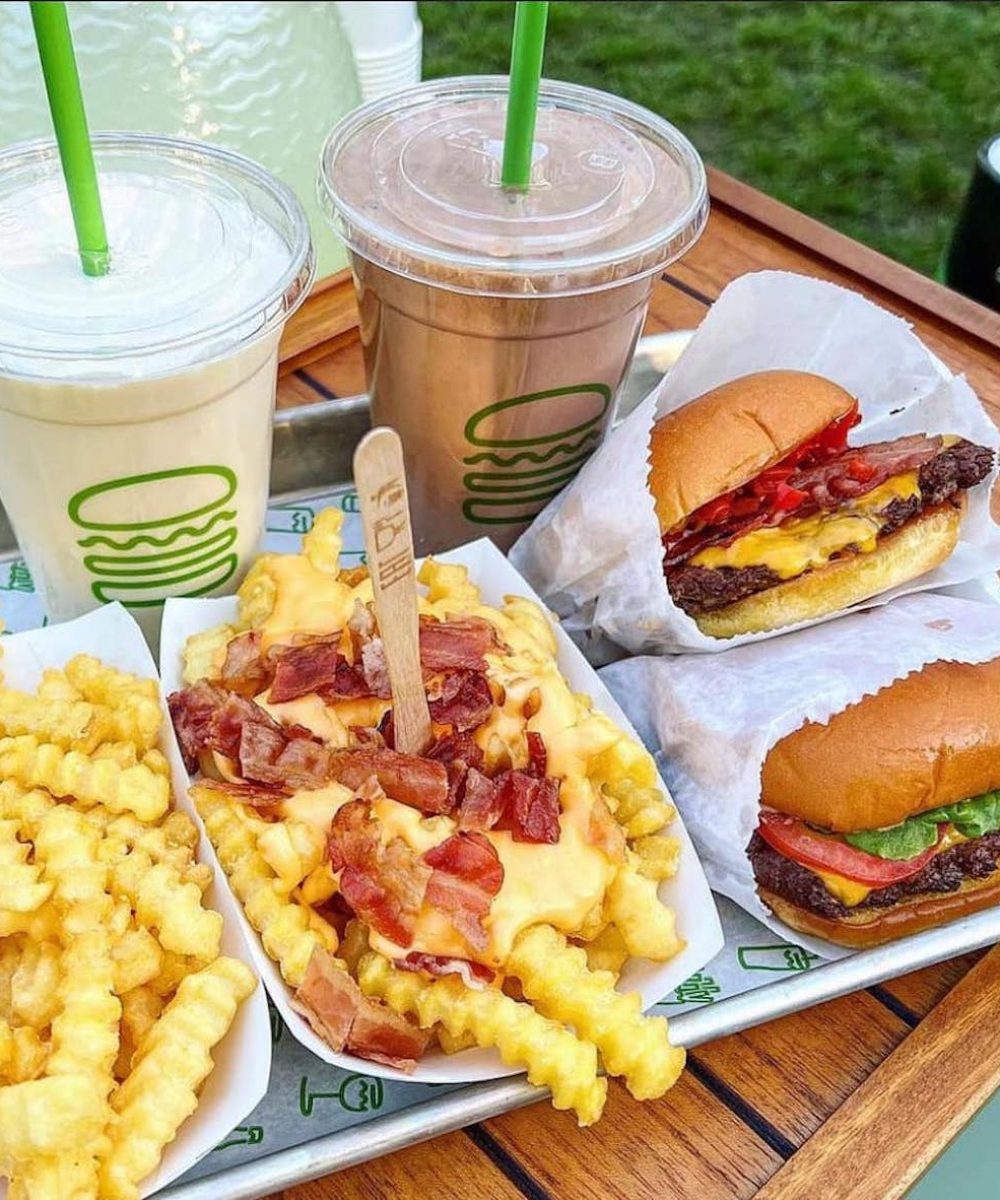
The physical spaces of Shake Shack restaurants are integral to its brand identity. Every location is designed to reinforce the “fine casual” ethos – premium yet approachable. Architects and designers meticulously craft interiors and exteriors that are modern, clean, and inviting, often incorporating natural materials like wood and concrete, alongside signature green accents. The open kitchen concept, where possible, emphasizes transparency and freshness. Lighting is typically warm and inviting, and seating arrangements are often communal, encouraging interaction and a lively atmosphere. Even the brand’s logo, a playful yet sophisticated type treatment, and its use of minimalist packaging, contribute to an overall aesthetic that is both premium and accessible. This holistic approach to design ensures that the physical environment is a powerful, non-verbal communicator of the Shake Shack brand, solidifying its position in the minds of consumers long before they take their first bite.
Strategic Brand Expansion and Global Footprint
With its distinct brand identity firmly established in New York, Shake Shack embarked on a journey of expansion, demonstrating a careful, measured approach to growth that prioritized brand integrity over rapid proliferation. This strategic rollout was crucial in maintaining its premium perception and cultural relevance.
Intentional Growth: From Local Gem to National Icon
Shake Shack’s initial expansion beyond Madison Square Park was deliberate and slow, particularly within New York City, reinforcing its roots and local allure. This strategy allowed the brand to solidify its operational model and protect its cult status before venturing further. When it began to expand nationally, it did so with a conscious effort to select high-profile, urban locations that aligned with its sophisticated yet approachable image. Each new Shack was treated as a significant event, often incorporating local architectural elements or commissioning local artists, further embedding the brand within its new communities. This controlled growth prevented brand dilution and ensured that the “Shake Shack experience” remained consistent, high-quality, and desirable, transforming it from a beloved local gem into a national culinary icon without sacrificing its core values.
Navigating International Markets with Brand Integrity
Venturing into international markets presented a new set of branding challenges, requiring adaptation while steadfastly preserving the core Shake Shack identity. The brand’s global expansion, which now includes locations across the Middle East, Asia, and Europe, has been characterized by a careful balance of localization and standardization. While the signature burgers and shakes remain consistent globally, Shake Shack often introduces market-specific menu items that cater to local tastes and culinary traditions. For instance, a limited-time special might feature ingredients popular in a specific region, or a shake flavor might be inspired by local desserts.
However, the brand’s commitment to quality ingredients, its distinctive restaurant design, and its “Enlightened Hospitality” service model are non-negotiable across all territories. This ensures that a customer visiting Shake Shack in London experiences the same fundamental brand promise as someone in Tokyo or Dubai. The challenge lies in communicating this global consistency while embracing local nuances, a delicate branding act that Shake Shack has largely mastered, allowing it to become a globally recognized premium casual brand.
The Franchise Model and Brand Control
To facilitate its international and some domestic expansion, Shake Shack has selectively employed a licensing model rather than traditional franchising. This distinction is critical for brand control. By opting for licensees (often large, experienced hospitality groups), Shake Shack maintains a tighter grip on its operational standards, ingredient sourcing, and overall brand experience. Licensees are typically partners who share the brand’s values and have a proven track record, ensuring that the Shake Shack ethos of quality and hospitality is meticulously replicated across diverse markets. This approach minimizes the risk of brand dilution that can sometimes plague traditional franchise models, safeguarding the brand’s premium image and ensuring a consistent customer experience globally. This careful structuring of partnerships is a testament to Shake Shack’s unwavering focus on brand integrity as a cornerstone of its long-term success.
Shake Shack’s Enduring Brand Legacy and Influence
Shake Shack’s journey from a hot dog cart to an international brand has left an indelible mark on the restaurant industry, demonstrating the profound impact of thoughtful branding on market trends and consumer expectations. Its legacy extends beyond its menu items, influencing how other brands approach quality, experience, and community engagement.
Reshaping the Fast-Casual Landscape
Shake Shack didn’t just join the fast-casual movement; it significantly defined and elevated it. Its success proved that consumers were willing to pay a premium for better quality ingredients and a superior dining experience in a casual setting. This challenged the traditional fast-food giants and inspired a wave of “better burger” concepts and other fine-casual establishments across various cuisines. Shake Shack demonstrated that a strong brand built on authenticity, quality, and hospitality could command loyalty and significant market share, forcing competitors to re-evaluate their own offerings, sourcing practices, and customer service models. It set a new benchmark for what diners could expect from quick-service restaurants, ushering in an era where consumers demand more transparency, higher quality, and a more engaging experience, even from their most casual meal options.

Maintaining Brand Relevance in a Competitive Market
In a constantly evolving and highly competitive culinary landscape, maintaining brand relevance is an ongoing strategic imperative. Shake Shack achieves this through a continuous commitment to innovation, community engagement, and adaptive marketing. The brand regularly introduces seasonal menu items, limited-time offerings, and collaborations with renowned chefs or local purveyors, keeping the menu fresh and exciting for loyal customers while attracting new ones.
Digitally, Shake Shack has embraced technology to enhance the customer journey, from user-friendly mobile ordering apps to engaging social media campaigns that foster a sense of community. Its commitment to sustainability and ethical sourcing also resonates with increasingly conscious consumers, strengthening its brand appeal. By consistently reinforcing its core values of quality, hospitality, and community, while simultaneously evolving its offerings and engagement strategies, Shake Shack successfully navigates the challenges of a dynamic market, ensuring its brand remains vibrant, desirable, and deeply connected with its diverse customer base for years to come. The brand’s story is a living testament to the power of a clear vision, relentless execution, and a deep understanding of what truly matters to its audience.
aViewFromTheCave is a participant in the Amazon Services LLC Associates Program, an affiliate advertising program designed to provide a means for sites to earn advertising fees by advertising and linking to Amazon.com. Amazon, the Amazon logo, AmazonSupply, and the AmazonSupply logo are trademarks of Amazon.com, Inc. or its affiliates. As an Amazon Associate we earn affiliate commissions from qualifying purchases.