
To ask “where is Nasdaq?” is to embark on a journey that transcends a simple geographical coordinate. It’s an inquiry that delves into the very fabric of modern finance, a exploration of an entity that is at once a physical location, a cutting-edge technological network, and a pulsating heart of global capital markets. Far from being a static point on a map, Nasdaq represents a dynamic ecosystem where innovation meets investment, where nascent ideas find the capital to flourish, and where the pulse of global economic ambition can be keenly felt.

For investors, business leaders, and anyone interested in the mechanics of modern finance, understanding “where Nasdaq is” means grasping its multifaceted nature: its symbolic New York presence, its distributed digital infrastructure that spans continents, its foundational role in connecting companies with capital, and its unparalleled influence on the tech-driven sectors of the global economy. This article will unravel these layers, providing an insightful and engaging perspective on Nasdaq’s true location and its profound significance in the world of money.
More Than a Physical Address: The Digital Heart of Global Trading
While Nasdaq maintains a significant physical presence, its true essence lies in its sophisticated digital infrastructure. It’s a network that epitomizes the evolution from noisy trading floors to lightning-fast electronic exchanges.
The New York Nexus: Nasdaq’s Headquarters and Symbolic Presence
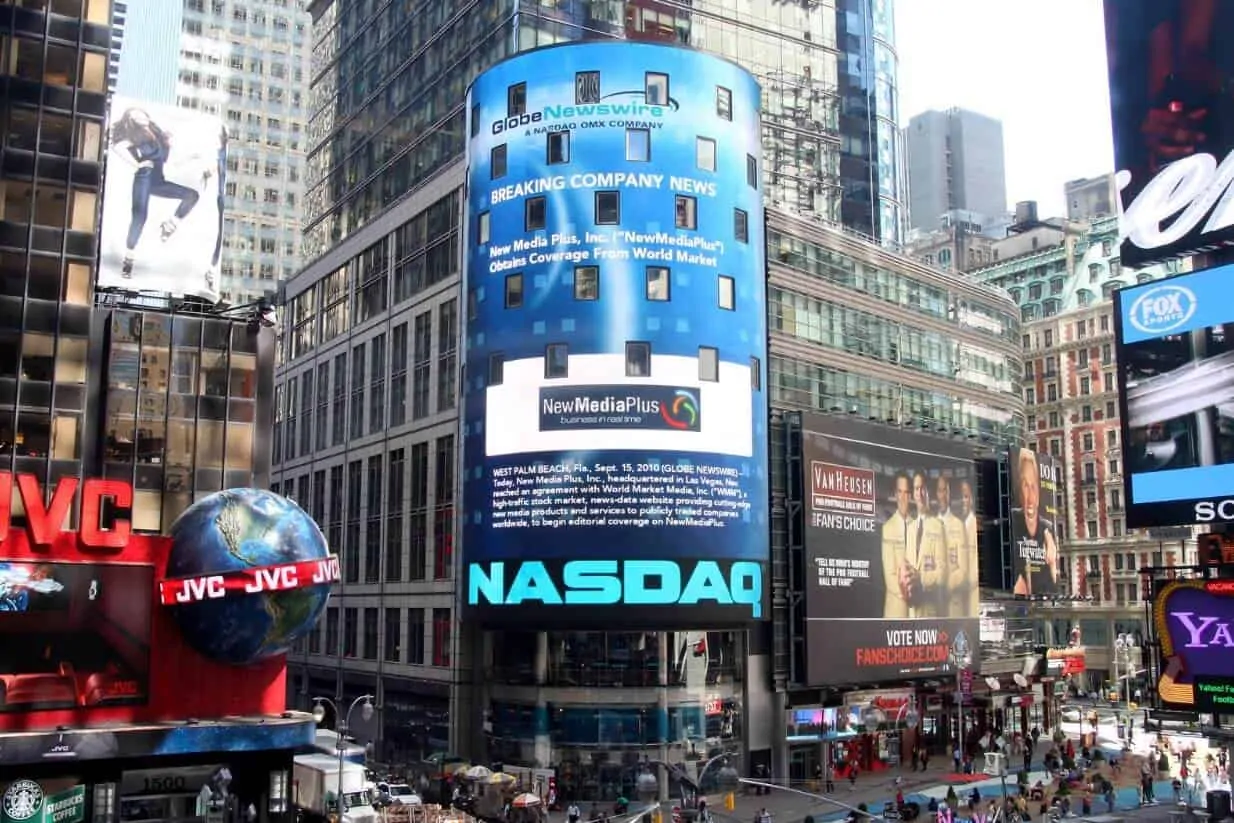
Physically, Nasdaq’s corporate headquarters is prominently located in New York City, specifically in Times Square. The iconic Nasdaq MarketSite at 4 Times Square is not just an office building; it’s a vibrant, high-tech hub often seen on financial news channels. Its massive, nine-story electronic display provides real-time market data, company advertisements, and news, making it a visible symbol of global financial activity. This physical location serves as the administrative and ceremonial center, hosting bell-ringing ceremonies for newly listed companies and significant market events. It’s a powerful reminder of Nasdaq’s tangible connection to the world’s financial capital, a place where business leaders and financial luminaries converge to celebrate milestones and reflect on market trends.
A Network, Not Just a Building: Global Reach and Digital Infrastructure
However, to confine Nasdaq to a single building in New York would be a profound misunderstanding of its operational reality. Nasdaq’s core functionality is powered by an extensive, high-speed electronic network that stretches across the globe. It is an entirely electronic stock exchange, meaning all trading occurs digitally, without the need for a physical trading floor or face-to-face interaction between brokers. This digital architecture allows investors and traders from virtually anywhere in the world to connect and execute trades instantaneously. Its servers, data centers, and network infrastructure are strategically located in various high-security facilities, ensuring resilience, speed, and integrity of transactions. This distributed network is the true “where” of Nasdaq, enabling it to process billions of dollars in trades every day with unparalleled efficiency and reliability.
Beyond the Ticker: Data Centers and Connectivity
The real engines of Nasdaq are its advanced data centers. These facilities house the servers, networking equipment, and proprietary trading algorithms that match buyers and sellers. Crucial elements like the Nasdaq Matching Engine, which executes orders, are hosted in these secure, specialized environments. For instance, Nasdaq’s primary U.S. matching engine is located in Carteret, New Jersey, a strategic hub known for its proximity to other financial institutions and robust telecommunications infrastructure. The proximity to Wall Street and the availability of fiber-optic networks are critical for achieving the ultra-low latency required for high-frequency trading. Furthermore, Nasdaq offers connectivity services, allowing market participants to directly connect their systems to the exchange, ensuring the fastest possible execution speeds – a vital competitive edge in the modern financial landscape.
Nasdaq’s Core Function in the Financial Ecosystem
Understanding “where is Nasdaq” also means comprehending its indispensable role within the broader financial ecosystem. It’s a marketplace, a capital generator, and a benchmark for economic health.
Facilitating Capital Formation: The Primary Market Role
One of Nasdaq’s most critical functions is its role as a primary market, facilitating capital formation for companies. This occurs through Initial Public Offerings (IPOs) and subsequent secondary offerings. When a private company decides to “go public,” it lists its shares on an exchange like Nasdaq, allowing it to raise significant capital from public investors. This capital is then used for expansion, research and development, debt reduction, and other strategic initiatives crucial for growth. Nasdaq has become the preferred listing venue for innovative, growth-oriented companies, particularly in the technology and biotech sectors. Its reputation for listing successful, forward-thinking enterprises attracts both companies seeking capital and investors seeking high-growth opportunities.
Enabling Liquidity: The Secondary Market and Trading Mechanisms
Beyond the primary market, Nasdaq operates as a robust secondary market, providing liquidity for already-issued securities. This means that once shares are publicly traded, investors can buy and sell them among themselves. Without a liquid secondary market, investors would be hesitant to purchase shares in an IPO, as they would have no easy way to sell them later. Nasdaq employs sophisticated electronic trading mechanisms that aggregate buy and sell orders from numerous market participants, matching them in real-time. Its order book system ensures transparency and efficiency, allowing for continuous price discovery. This constant trading activity not only provides liquidity but also serves as a crucial indicator of a company’s perceived value and the broader market’s sentiment.
Benchmarking Innovation: The Nasdaq Composite and its Indices
Nasdaq is also “where” many key economic benchmarks reside. The most famous is the Nasdaq Composite Index, a market-capitalization-weighted index of more than 3,000 common equities listed on the Nasdaq stock market. It’s heavily weighted towards technology and growth companies, making it an essential barometer for the performance of these sectors. Other prominent Nasdaq indices include the Nasdaq 100, which comprises the 100 largest non-financial companies listed on Nasdaq, and various sector-specific indices. These indices are not just numbers; they are powerful tools for investors to track market performance, inform investment strategies, and gauge the health and direction of key industries. They also serve as underlying assets for a vast array of financial products, such as Exchange Traded Funds (ETFs) and derivatives.
Regulatory Oversight and Market Integrity
Crucially, Nasdaq also represents a framework of rigorous regulatory oversight. It operates under the watchful eyes of the U.S. Securities and Exchange Commission (SEC) and its own internal compliance divisions. This oversight is paramount to maintaining market integrity, preventing fraud, and ensuring fair and orderly trading. Companies listed on Nasdaq must adhere to strict listing standards, corporate governance requirements, and regular financial reporting. This commitment to transparency and ethical conduct builds investor confidence, making Nasdaq a trusted venue for capital allocation. The “where” of Nasdaq is thus also “where” robust safeguards are in place to protect investors and maintain a level playing field.
Who Trades on Nasdaq? A Hub for Growth and Technology
The unique profile of companies listed on Nasdaq defines much of its character and influence within the money landscape. It has become synonymous with innovation and disruptive growth.
Home to Tech Giants and Disruptors
When one thinks of Nasdaq, images of technology giants immediately spring to mind. It is home to many of the world’s most influential and valuable companies, including Apple, Microsoft, Amazon, Google (Alphabet), Meta Platforms (Facebook), Tesla, and Nvidia. These companies, pioneers in their respective fields, have not only shaped the modern world but have also generated immense wealth for their shareholders. Nasdaq’s early embrace of electronic trading and its forward-thinking approach made it an attractive listing venue for technology firms that often didn’t fit the mold of traditional industrial giants. This legacy continues to draw the next generation of innovators.
Attracting Emerging Companies: The IPO Pathway
Beyond the established giants, Nasdaq is a vital platform for emerging companies seeking to make their mark. Its relatively streamlined listing process and its reputation for supporting growth companies make it an appealing destination for startups looking to go public. The “where” of Nasdaq is often the “where” a promising private company transitions into a publicly traded entity, accessing the capital needed to scale operations, expand market reach, and accelerate innovation. This constant influx of new, dynamic companies keeps the exchange vibrant and offers investors opportunities to get in on the ground floor of future success stories.
Diverse Investment Opportunities: From Blue Chips to Penny Stocks
While Nasdaq is famed for its tech titans, it offers a remarkably diverse range of investment opportunities. Investors can find stable, large-cap “blue-chip” stocks, medium-sized growth companies, and even smaller, more speculative “penny stocks.” This breadth caters to a wide spectrum of investment strategies and risk appetites. Whether an investor is seeking long-term capital appreciation from established leaders, disruptive growth from emerging players, or even short-term trading opportunities, Nasdaq provides the infrastructure and the listed securities to pursue these goals. The exchange’s sheer volume of listings ensures that there are always new companies and industries to explore for the astute investor.
Investing on Nasdaq: Strategies and Accessibility
For individuals and institutions alike, understanding “where is Nasdaq” often translates into understanding how to participate in its markets and harness its potential for wealth creation.
Direct Stock Ownership vs. Index Funds and ETFs
Investors can gain exposure to Nasdaq-listed companies in several ways. The most direct is through buying individual stocks of companies they believe will perform well. This requires research into specific companies, their financials, and market outlooks. However, for many, a diversified approach is preferred. Index funds and Exchange Traded Funds (ETFs) that track Nasdaq indices, like the Nasdaq 100, offer a convenient way to invest in a basket of Nasdaq’s top companies. These funds provide instant diversification, mitigating the risk associated with individual stock picks, and are often managed passively, leading to lower fees. ETFs that focus on specific sectors within Nasdaq, such as biotechnology or semiconductors, also allow targeted exposure without the need to research individual companies extensively.
Understanding Market Dynamics: Volatility and Growth Potential
Investing on Nasdaq means engaging with a market known for both its incredible growth potential and its inherent volatility. Technology and growth stocks, while offering the promise of substantial returns, can also experience significant price swings based on innovation cycles, market sentiment, and economic shifts. Understanding the factors that drive Nasdaq performance – such as technological advancements, interest rate policies, global economic growth, and investor confidence – is crucial for navigating its markets. Long-term investors often focus on the fundamental strength of companies, while short-term traders might capitalize on daily price fluctuations. A clear investment strategy, risk tolerance assessment, and continuous learning are essential for success.
Tools and Platforms for the Modern Investor
Accessing Nasdaq markets has never been easier for the average investor. The “where” of modern investing is increasingly on digital platforms. Online brokerage firms, both traditional and commission-free, provide sophisticated yet user-friendly interfaces to research companies, place trades, and manage portfolios. These platforms offer a wealth of data, analytical tools, educational resources, and real-time market quotes, empowering investors to make informed decisions. Mobile trading apps further enhance accessibility, allowing investors to monitor their holdings and execute trades from anywhere, anytime. The democratization of access to Nasdaq through these tools has profoundly reshaped the landscape of personal finance and investing.
The Future Landscape: Nasdaq’s Evolving Role
Nasdaq’s history is one of continuous innovation, and its future promises further transformation, maintaining its central role in the world of money.
Embracing New Technologies: Blockchain and AI in Trading
Nasdaq is not just a platform for technology companies; it is a technology company itself, constantly seeking to integrate cutting-edge innovations into its own operations. It has been a pioneer in exploring blockchain technology for various applications, including private market transactions, proxy voting, and even potentially for streamlining post-trade settlements. The goal is to enhance security, transparency, and efficiency. Similarly, artificial intelligence (AI) and machine learning are being deployed to improve market surveillance, detect fraudulent activity, optimize trading algorithms, and provide deeper insights for market participants. These technological advancements will further solidify Nasdaq’s position at the forefront of financial market infrastructure.
Global Expansion and Market Integration
While rooted in the U.S., Nasdaq’s influence and operations extend globally. It provides technology and services to exchanges and market operators in dozens of countries, effectively exporting its expertise in electronic trading and market infrastructure. Nasdaq also holds significant stakes in various international exchanges and operates markets for derivatives and commodities. This global footprint means that “where is Nasdaq” is increasingly becoming “everywhere markets aspire to be technologically advanced.” As global economies become more interconnected, Nasdaq’s role in facilitating cross-border capital flows and integrating disparate markets will only grow in importance.

The Continued Drive for Innovation and Capital Markets Evolution
Ultimately, Nasdaq’s true location is at the intersection of capital and innovation. It is where new ideas find funding, where technological progress is reflected in market valuations, and where the future of finance is constantly being shaped. From its origins as an automated quotation system to its current status as a global technology and financial services powerhouse, Nasdaq has consistently driven the evolution of capital markets. Its continued investment in technology, its commitment to market integrity, and its ability to adapt to changing economic landscapes ensure that it will remain a cornerstone of the financial world for decades to come, continuing to answer the question “where is Nasdaq?” with an ever-expanding definition of its reach and influence.
aViewFromTheCave is a participant in the Amazon Services LLC Associates Program, an affiliate advertising program designed to provide a means for sites to earn advertising fees by advertising and linking to Amazon.com. Amazon, the Amazon logo, AmazonSupply, and the AmazonSupply logo are trademarks of Amazon.com, Inc. or its affiliates. As an Amazon Associate we earn affiliate commissions from qualifying purchases.