
The transition into a new academic semester is often marked by a mixture of excitement and logistical stress. For millions of students, the primary source of that stress is a single, pressing question: “Where is my student loan?” Whether you are a first-year undergraduate or a returning professional student, the timing of your loan disbursement is critical for covering tuition, housing, books, and daily living expenses.
The process of moving money from the federal government or a private lender into your school’s ledger—and eventually into your personal bank account—is governed by a complex set of regulations and institutional policies. Understanding this journey is essential for effective financial planning and for troubleshooting delays before they become crises.
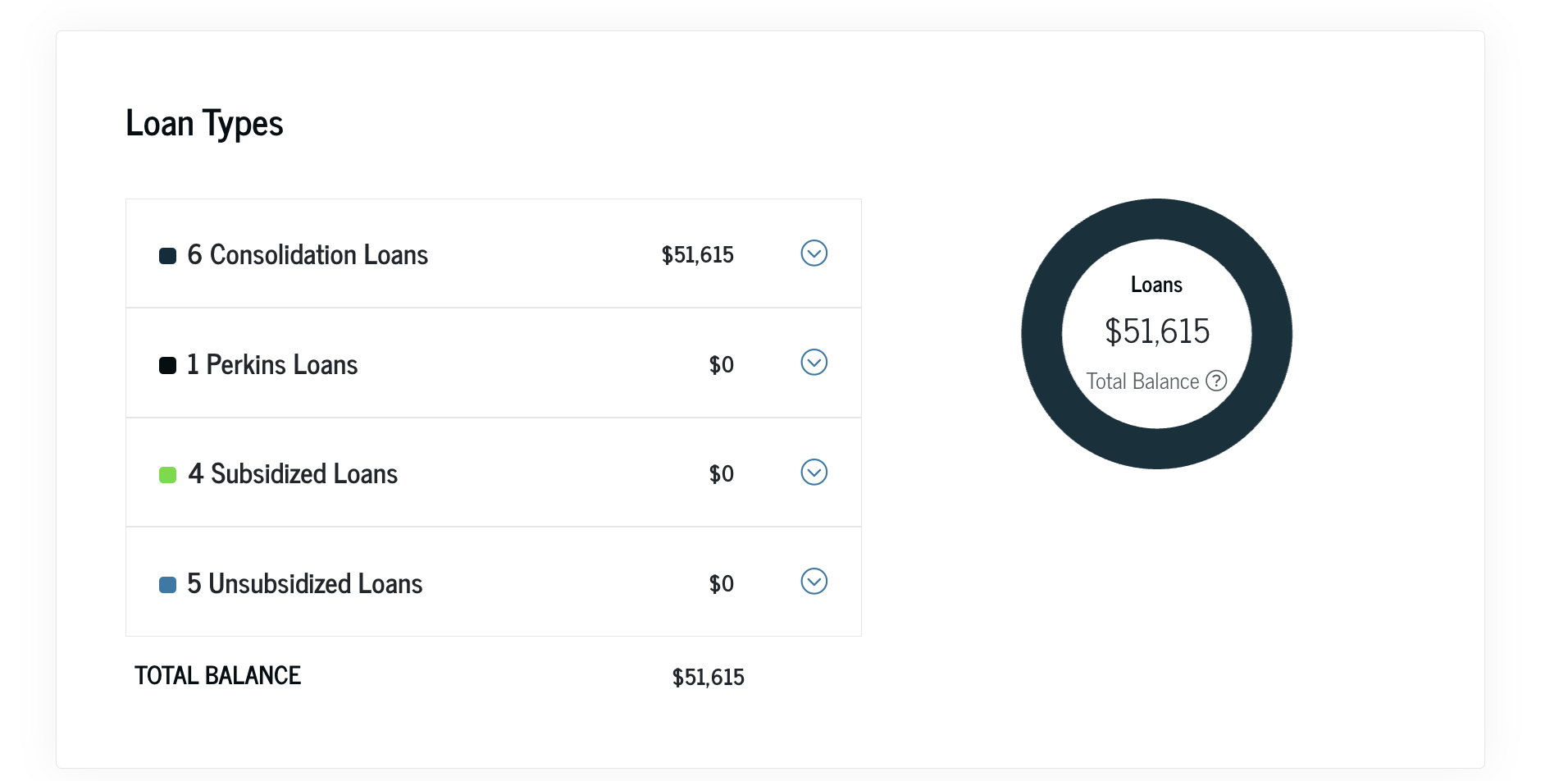
Understanding the Disbursement Timeline: From Application to Bank Account
The path of a student loan is not instantaneous. It involves a series of handshakes between the Department of Education (or a private lender), your university’s financial aid office, and the bursar. To find your money, you must first understand the stages of the disbursement cycle.
Federal Student Loan Milestones
For federal loans, the timeline begins with the Free Application for Federal Student Aid (FAFSA). Once your school receives your FAFSA data, they generate a financial aid award letter. However, the presence of a loan on your award letter does not mean the funds are ready to move.
Legally, federal funds generally cannot be disbursed to your school earlier than 10 days before the first day of classes for the period for which the loan is intended. If you are a first-time borrower and a first-year undergraduate, federal regulations may require your school to wait 30 days after the start of the semester before releasing the first installment of your loan. This is a crucial distinction that often catches new students off guard.
Private Student Loan Processing Times
Private lenders operate on their own schedules, though they still require school certification. After you are approved for a private loan, the lender must send a certification request to your university to verify your enrollment status and the cost of attendance. This certification can take anywhere from a few days to several weeks, depending on the school’s administrative workload. Once certified, there is often a mandatory right-to-cancel period—usually three to ten business days—during which the borrower can change their mind. Only after this period expires will the lender initiate the transfer of funds to the institution.
Why Your Funds Might Be Delayed: Common Roadblocks
If your classes have started and your account still shows a balance due, or your expected refund has not arrived, there is likely a procedural bottleneck. Finding your student loan often requires a process of elimination regarding common administrative hurdles.
Master Promissory Note (MPN) and Entrance Counseling
The most common reason for a “missing” federal loan is incomplete paperwork. The Master Promissory Note is a legal document in which you promise to repay your loans and any accrued interest and fees to the U.S. Department of Education. If you have not signed this electronically via the Federal Student Aid website, your loan cannot be disbursed.
Similarly, first-time borrowers must complete Entrance Counseling. This is a mandatory information session designed to ensure you understand your responsibilities as a borrower. Without a record of completion, your school’s financial aid system will automatically hold your funds to remain compliant with federal law.
Enrollment Status and Credit Hour Requirements
Most student loans require at least half-time enrollment. If you dropped a class or are waitlisted for a course that would bring you to half-time status, your loan may be held in limbo. Financial aid systems are programmed to verify your “frozen” enrollment status on a specific date, often referred to as the “census date.” If your credit load fluctuates during the add/drop period, it can trigger a delay in disbursement as the system recalculates your eligibility.
Verification and Documentation Issues
Every year, the Department of Education selects a percentage of FAFSA applications for a process called verification. If you are selected, you must provide additional documentation—such as tax transcripts or proof of household size—to your school’s financial aid office. Until this process is finalized, your financial aid is “estimated” rather than “actual,” and no funds will move. It is vital to check your student portal’s “To-Do” list regularly to ensure no outstanding documents are holding up your money.

Navigating the Financial Aid Refund Process
Once the loan funds reach your school, they are first applied to your institutional charges. This includes tuition, mandatory fees, and, if you live on campus, room and board. If the loan amount exceeds these charges, the remaining balance is issued to you as a “refund.” This is the money intended for your books, off-campus rent, and groceries.
How Schools Distribute Excess Funds
The timing of your refund is dictated by federal law and school policy. For federal loans, schools are generally required to release the credit balance to the student within 14 days of the funds being applied to the student’s account (or within 14 days of the start of the term, whichever is later).
However, schools have different methods of distribution. Many universities use third-party processors to handle refunds. You are typically given a choice between a direct deposit to your existing bank account, a deposit to a school-sponsored debit card, or a paper check mailed to your permanent address.
Direct Deposit vs. Check Payments
To find your money faster, direct deposit is the gold standard. A paper check can be delayed by mail transit and the manual processing time of the university’s accounts payable department. Furthermore, paper checks are often sent to the address on file, which may be a parent’s home rather than your current residence. If you are wondering where your loan is, verify your “Refund Preference” in your student portal. A simple error in a routing number can result in funds being returned to the school, adding weeks to the delay.
Monitoring Your Loan Status Through Digital Portals
In the modern financial landscape, you do not have to wait in line at the financial aid office to track your money. There are specific digital tools designed to provide transparency throughout the loan lifecycle.
Using StudentAid.gov for Federal Oversight
The central hub for all federal borrowing is the Federal Student Aid (FSA) dashboard. By logging in with your FSA ID, you can see the status of every federal loan associated with your name. The dashboard will show if a loan is “disbursed” or “pending.” If it shows as disbursed on the FSA side but does not appear on your school’s ledger, the issue likely lies with the school’s internal processing queue.
School-Specific Bursar Portals
Your school’s student account or “Bursar” portal is the most accurate place to see real-time updates. Look for a “Detailed Account Activity” or “Ledger” view. This will show you a line-by-line breakdown of when the loan was received and when the refund was processed. If you see a transaction labeled “Refund” or “Student Account Credit,” it means the school has initiated the transfer. From that point, it typically takes 1 to 3 business days for the banking system to clear the funds into your account.
Long-Term Financial Management of Student Debt
Finding your student loan is only the first step. Once the funds are in your possession, the focus must shift to responsible management. Because student loans accrue interest—often from the moment they are disbursed—every dollar you receive is a dollar that must be paid back with a premium.
Budgeting Your Refund for Academic Success
A common pitfall for students is treating a large loan refund as a windfall. In reality, that money must last until the next disbursement, which could be four to five months away. To manage these funds effectively, categorize your expenses into “fixed” and “variable.”
Pay your rent and utilities first. Then, set aside a specific amount for books and supplies. Whatever remains should be divided by the number of weeks in the semester to determine your weekly “allowance.” If you find that your refund is significantly larger than what you need for essential expenses, you have the right to return any portion of the loan within a certain timeframe (usually 120 days) to reduce your total debt and eliminate the interest that would have accrued on that portion.

Preparing for the Repayment Phase
While the immediate goal is to locate your funds for current needs, savvy borrowers keep an eye on the horizon. Each time a loan is disbursed, you should record the interest rate and the lender’s contact information. Understanding your “loan servicer”—the company that will handle your billing after graduation—is just as important as knowing where your money is today. By staying organized now, you prevent the future stress of “losing” your loans in a sea of paperwork when it comes time to pay them back.
The process of securing and tracking student loans is a foundational exercise in personal finance. By understanding the regulations, completing the necessary documentation, and utilizing digital tracking tools, you can ensure that your funds arrive when you need them, allowing you to focus on your primary objective: your education.
aViewFromTheCave is a participant in the Amazon Services LLC Associates Program, an affiliate advertising program designed to provide a means for sites to earn advertising fees by advertising and linking to Amazon.com. Amazon, the Amazon logo, AmazonSupply, and the AmazonSupply logo are trademarks of Amazon.com, Inc. or its affiliates. As an Amazon Associate we earn affiliate commissions from qualifying purchases.