
In the intricate world of personal finance, certain pieces of information act as critical keys, unlocking the ability to manage, move, and secure your money. Among these, the routing number stands as an unsung hero – a crucial identifier that, while often overlooked, is indispensable for a myriad of everyday financial operations. For many, the question “Where is my routing number?” arises only at the precise moment it’s needed, often in a hurry, for a direct deposit setup, an online bill payment, or a wire transfer. This guide aims to demystify the routing number, explain its importance, illustrate where to find it, and provide insights into using it securely and effectively to empower your financial journey.

The Core Identity of Your Bank: Understanding Routing Numbers
At its heart, a routing number is more than just a sequence of digits; it’s a unique identifier that points to your specific financial institution within the United States banking system. Understanding its nature and purpose is the first step toward harnessing its power for your financial needs.
What is a Routing Number?
A routing number, officially known as an ABA (American Bankers Association) routing transit number, is a nine-digit code that identifies the specific financial institution on which a payment is drawn or to which a payment is directed. Established in 1910 by the American Bankers Association, its primary purpose was to facilitate the processing of paper checks. Today, it remains a cornerstone of the U.S. financial system, crucial for both traditional paper-based transactions and the vast network of electronic payments that define modern banking. Each digit in the nine-digit sequence holds specific information, allowing the Automated Clearing House (ACH) network and wire transfer systems to direct funds to the correct bank swiftly and accurately.
Why is This Number Crucial for Your Finances?
Imagine a vast postal service where every house had the same address – chaos would ensue. Similarly, in the financial world, routing numbers prevent such chaos by providing a precise address for money transfers. Without it, your paycheck couldn’t reliably land in your account, your online bills wouldn’t get paid, and moving money between different banks would be a logistical nightmare. It acts as the financial GPS, ensuring that funds originating from or destined for your account reach the correct bank branch or central processing facility. This precision is vital for the speed and security of modern electronic transactions.
A Glimpse into its History
The concept of a routing number emerged at a time when paper checks were the predominant method of payment. Banks needed a standardized system to quickly and accurately sort and direct checks back to the issuing bank for payment. The American Bankers Association stepped in, creating the ABA routing number system. Initially designed for physical checks, its robust framework proved adaptable to the digital age. When electronic banking and the ACH network began to flourish, the existing routing number system was seamlessly integrated, demonstrating its foundational strength and foresight. This historical context underscores its enduring relevance and reliability in today’s digital financial landscape.
Unearthing Your Routing Number: A Practical Guide
The good news is that your routing number is not a secret kept hidden by your bank. It’s readily available through several common and easily accessible sources. Knowing where to look can save you valuable time and frustration when you need it most.
Your Checkbook: The Traditional Source
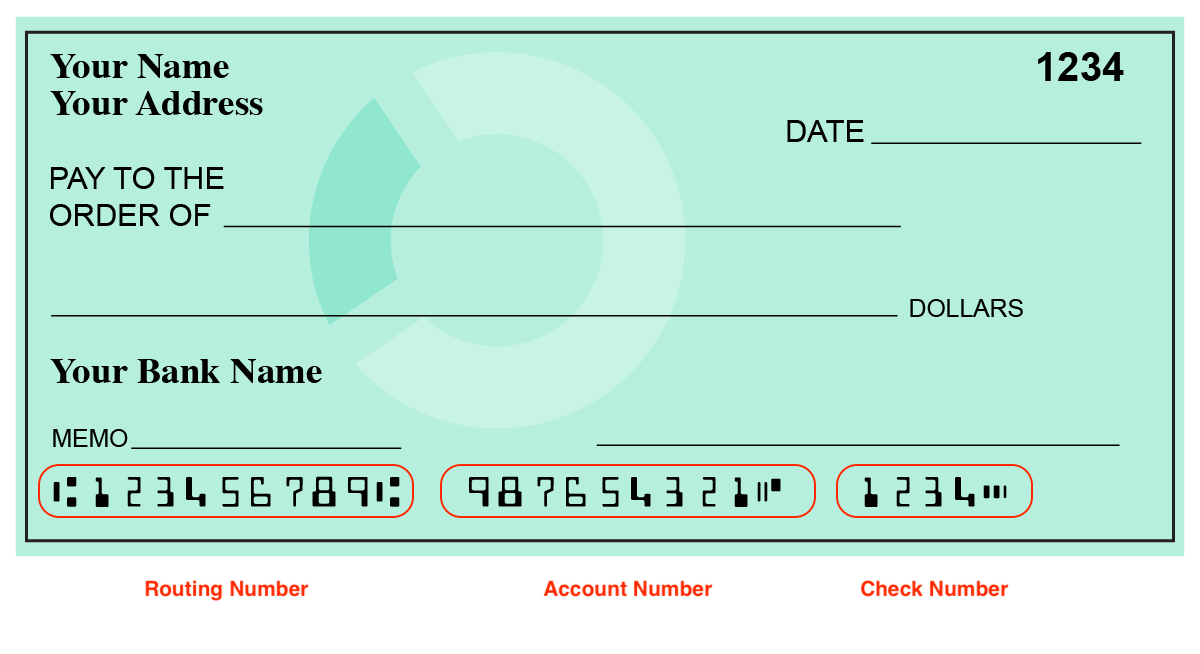
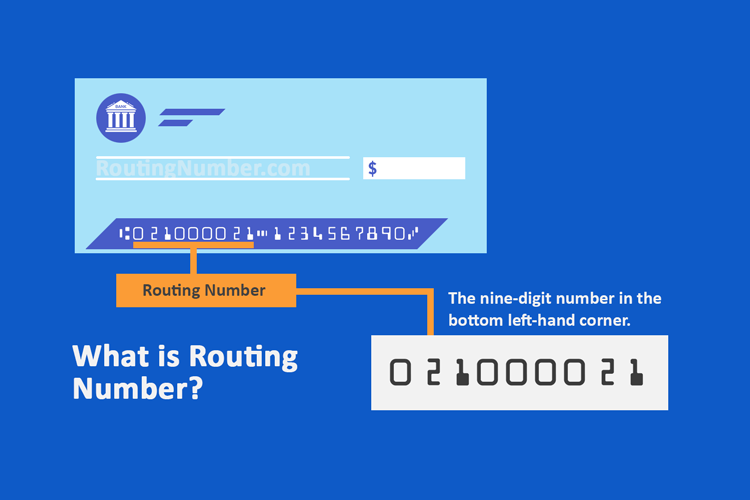
For decades, the back of a physical check has been the most common place to find a routing number. If you have a checkbook for your checking account, simply grab a check. You’ll typically find three sets of numbers printed along the bottom edge:
- The first set of nine digits on the left is your routing number.
- The middle set is your account number.
- The last set is the check number.
It’s important to note that some banks may have different routing numbers for different types of transactions (e.g., one for ACH transfers and another for wire transfers). While the check’s routing number is generally suitable for most everyday electronic transactions and direct deposits, it’s always wise to confirm with your bank for specific wire transfer needs.
Digital Banking Platforms: Modern Convenience
In the age of digital banking, your online portal and mobile app are often the quickest and most convenient ways to locate your routing number.
- Online Banking: Log in to your bank’s website. Navigate to your account details or summary page for the specific checking or savings account. The routing number is usually displayed prominently alongside your account number. Some banks may have it under “Account Services,” “Settings,” or “Direct Deposit Information.”
- Mobile App: Open your bank’s official mobile application. After logging in, select the relevant account. You’ll often find the routing number listed under “Account Details,” “Info,” or a similar section. Many apps also feature a dedicated “Direct Deposit Info” link that provides both your routing and account numbers for easy sharing.
Bank Statements: Paper and Electronic Trails
Whether you receive monthly paper statements or opt for electronic statements (e-statements), your routing number is typically printed on them.
- Paper Statements: Look for it near the top of the statement, usually close to your name and address, or within the section detailing your account information.
- E-Statements: Access your e-statements through your online banking portal. Once opened, the routing number will be in a similar location to a physical statement. This method is particularly useful if you don’t have a checkbook readily available or prefer a documented source.
Direct from the Source: Bank Websites and Customer Service
If you’re unable to find your routing number through the above methods, or if you simply prefer to verify it directly, your bank’s official website or customer service is your best bet.
- Bank Website: Most major banks have a “Contact Us,” “FAQ,” or “Help” section on their website where you can search for “routing number.” They often list the routing numbers for various states or regions if they are a national bank.
- Customer Service: As a last resort, or if you need to confirm specific routing numbers for wire transfers, contacting your bank’s customer service via phone or visiting a local branch will provide you with accurate information. Be prepared to verify your identity to ensure the security of your account details.
The Many Uses of Your Routing Number in Daily Finance
Far from being a static piece of information, your routing number is a dynamic tool that facilitates a wide array of financial transactions, touching almost every aspect of your personal and business finance.
Streamlining Income: Direct Deposits
One of the most common and beneficial uses of your routing number is setting up direct deposit. This allows employers, government agencies (for tax refunds or social security benefits), and other entities to electronically transfer funds directly into your checking or savings account. By providing your routing number and account number, you eliminate the need for paper checks, ensuring faster access to your funds, reducing the risk of lost or stolen checks, and simplifying your financial life. It’s the backbone of how most people receive their regular income, offering convenience and reliability.
Effortless Payments: Electronic Bill Pay and ACH Transactions
Your routing number is fundamental to the Automated Clearing House (ACH) network, which processes billions of electronic transactions annually. This includes:
- Electronic Bill Pay: When you set up recurring payments for utilities, loans, rent, or credit cards directly from your bank account, your routing number (along with your account number) directs these payments to the correct payee bank.
- ACH Debits and Credits: The ACH network enables a wide range of electronic transfers, including person-to-person (P2P) payments, online purchases where you pay directly from your bank account, and even tax payments. Anytime you authorize a third party to pull funds from or send funds to your account electronically, your routing number is likely involved.
Navigating Transfers: Domestic Wire Transfers
For larger, time-sensitive transfers within the United States, wire transfers are often used. Unlike ACH transfers, which are batched and processed over a period, wire transfers are real-time, one-off transactions. Your routing number is essential for initiating or receiving a domestic wire transfer, ensuring the funds are directed to the correct recipient bank. It’s crucial to distinguish between domestic and international wire transfers, as international wires require different identifiers like SWIFT/BIC codes, which we will touch on later. Always double-check with your bank for the correct routing number specifically for wire transfers, as it might differ from the one on your checks or for ACH transactions.
Connecting Your Financial World: External Account Linking
In today’s interconnected financial ecosystem, you might need to link your primary bank account to various external platforms. This includes:
- Investment Platforms: To fund your brokerage account or transfer profits back to your bank.
- Budgeting Apps: To aggregate your financial data for better money management.
- Peer-to-Peer (P2P) Payment Services: While many use debit cards, some P2P services allow direct bank transfers using routing and account numbers.
- Online Lenders or Mortgage Services: For setting up loan disbursements or repayments.
In all these scenarios, providing your routing number (and usually your account number) enables these platforms to establish a secure, verified connection to your bank account, facilitating seamless money movement and data exchange.
Safeguarding Your Financial Identity: Security Best Practices
While indispensable, your routing number is also a piece of sensitive financial information. Understanding how and when to share it, and recognizing potential threats, is paramount to protecting your financial identity.
When and How to Share Your Routing Number Safely
It’s generally safe to share your routing number when dealing with legitimate and trusted entities that require it for financial transactions. This includes:
- Your Employer: For direct deposit setup.
- Government Agencies: For tax refunds or benefits.
- Reputable Billers: For setting up recurring payments.
- Licensed Financial Institutions: For linking accounts or initiating transfers.
- Secure Online Forms: When filling out official forms on encrypted (https) websites.
Always ensure you are on a secure website or using a trusted application. Avoid sharing your routing number over unsecured email, text messages, or unverified phone calls, as these channels are vulnerable to interception.
Recognizing and Avoiding Scams
Scammers are always looking for ways to exploit financial information. While a routing number alone isn’t enough to drain your bank account (they also need your account number and other credentials), it’s a key component they might try to acquire as part of a larger identity theft scheme.
- Phishing Attempts: Be wary of unsolicited emails or messages asking for your banking information, even if they appear to be from your bank. Always verify the sender and, if in doubt, contact your bank directly using official contact information.
- Unusual Requests: Your bank will never call or email you asking for your routing number, account number, or password. Any such request should be treated as suspicious.
- “Overpayment” Scams: Beware of scenarios where someone sends you a check for more than you’re owed and asks you to wire back the difference. The check is often fake, and by providing your routing and account numbers, you expose yourself to further fraud.
The Difference Between Your Routing and Account Number
It’s crucial to understand that your routing number identifies your bank, while your account number identifies your specific account within that bank. Both are necessary for most electronic transactions. Think of the routing number as the street address of a large apartment complex, and your account number as your specific apartment number within that complex. While a routing number is less sensitive than an account number, possessing both significantly increases a fraudster’s ability to compromise your finances. Always protect both diligently.
International Transfers: Don’t Confuse ABA with SWIFT/BIC
A common point of confusion arises when dealing with international money transfers. While ABA routing numbers are used exclusively within the U.S. banking system, international wire transfers require a different identifier: the SWIFT (Society for Worldwide Interbank Financial Telecommunication) code, also known as a BIC (Bank Identifier Code). A SWIFT code identifies a particular bank and branch for international transactions, acting as the global equivalent of a routing number. Using an ABA routing number for an international transfer will result in delays, rejections, or even lost funds, so always confirm the correct identifier with your bank for cross-border transactions.
Empowering Financial Control
The routing number, though a seemingly small detail, is a powerful enabler of modern financial convenience. From receiving your hard-earned salary to paying your monthly bills, and from investing in your future to linking disparate financial accounts, it silently orchestrates the movement of your money. By understanding what it is, where to find it, how it’s used, and most importantly, how to protect it, you not only answer the question “Where is my routing number?” but also arm yourself with the knowledge necessary to navigate your financial landscape with confidence and security. Embrace this understanding as a step towards greater financial literacy and control.
aViewFromTheCave is a participant in the Amazon Services LLC Associates Program, an affiliate advertising program designed to provide a means for sites to earn advertising fees by advertising and linking to Amazon.com. Amazon, the Amazon logo, AmazonSupply, and the AmazonSupply logo are trademarks of Amazon.com, Inc. or its affiliates. As an Amazon Associate we earn affiliate commissions from qualifying purchases.