
In the increasingly digital landscape of personal finance, some fundamental pieces of banking information remain cornerstones of seamless money movement. Among these, the routing number stands as a critical identifier, acting as a digital postal code for your financial institution. While many banking tasks have moved online, the physical checkbook still holds the key to this vital nine-digit code for countless individuals. Understanding where to locate your routing number on a check, what it signifies, and when you’ll need it is paramount for managing your finances effectively and securely. This guide will demystify the routing number, empowering you with the knowledge to navigate various financial transactions with confidence.
Understanding the Foundation: What is a Routing Number?
Before we delve into locating it, let’s firmly establish what a routing number is and why it holds such significance in the financial ecosystem. Also known as an ABA routing number (American Bankers Association), a routing transit number (RTN), or simply a bank routing number, this nine-digit code is a unique identifier assigned to each financial institution in the United States. Its primary purpose is to identify the specific bank or credit union involved in a transaction, ensuring funds are routed to and from the correct entity.
The Purpose and Importance of Routing Numbers
The core function of a routing number is to facilitate secure and accurate transfers of funds between banks. Think of it as a zip code for your bank. When you initiate a transaction, whether it’s setting up direct deposit, paying a bill online, or making a wire transfer, the routing number directs the funds to the correct financial institution. Without this specific identifier, the money could not be properly routed to your bank, leading to delays, errors, or even rejection of the transaction. This number is particularly vital for Automated Clearing House (ACH) transactions, which include direct deposits, automatic bill payments, and electronic fund transfers. It provides the necessary pathway for electronic funds to travel reliably from one account to another, underpinning much of our modern financial convenience.
How Routing Numbers Differ from Account Numbers
It’s crucial not to confuse your routing number with your account number. While both are essential for financial transactions, they serve distinct purposes. Your routing number identifies your bank within the broader financial network. It’s a general identifier for all customers of a particular branch or institution. In contrast, your account number is a unique identifier for your specific account within that bank. It tells the bank exactly which individual or business account should receive or send the funds. Together, the routing number and account number form the complete address for your money, ensuring it reaches the right bank and the right individual account within that bank. Sharing your account number without your routing number, or vice-versa, is usually insufficient for most transactions.
The ABA Transit Number System
The American Bankers Association (ABA) developed the routing number system in 1910 to handle the increasing volume of paper checks being processed. Each bank is assigned at least one routing number, though larger banks with multiple branches or different types of accounts (e.g., checking, savings, investment) may have several routing numbers. These numbers are standardized and regulated by the Federal Reserve. The nine digits themselves often carry specific meaning, with the first four digits typically identifying the Federal Reserve routing symbol, the next four identifying the ABA institution identifier, and the final digit acting as a checksum to validate the entire number. This intricate system ensures a high degree of accuracy and security in electronic fund transfers across the nation.
Pinpointing Your Routing Number on a Physical Check
For many, the quickest and most reliable way to find their routing number is to simply look at a physical check. Despite the rise of digital banking, the structure of a paper check provides a clear and consistent format for these essential details. Understanding where to look and what to identify on a check is a fundamental skill for managing your personal finances.
The Anatomy of a Check: Where to Look
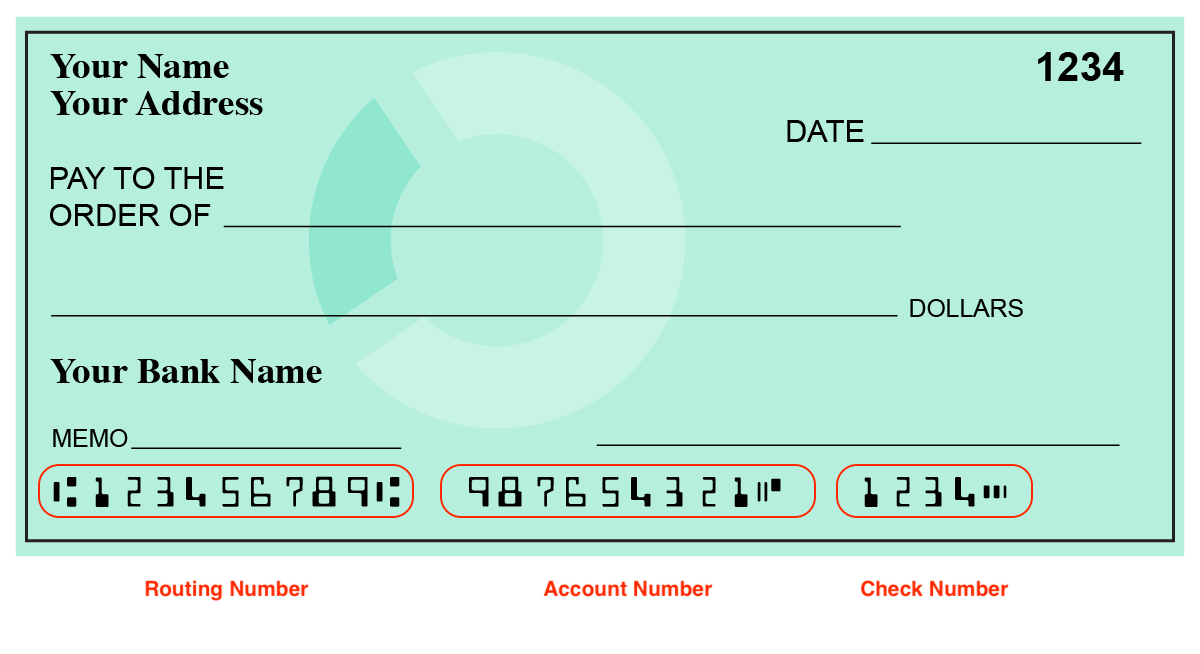
When you pick up one of your personal checks, you’ll notice a series of numbers printed along the bottom edge. These numbers are typically printed using magnetic ink, designed to be read by automated machines (Magnetic Ink Character Recognition, or MICR, readers). On most standard checks, these numbers are arranged in a specific order:
- Routing Number: This will almost always be the first set of nine digits on the left-hand side of the MICR line.
- Account Number: Following the routing number, you’ll find your individual checking account number. This can vary in length but is typically between 10 and 12 digits.
- Check Number: The last set of numbers on the MICR line usually corresponds to the check number (also printed in the top right corner of the check).
It’s important to note that while this is the standard layout, there can be slight variations depending on your bank or the check printer. However, the routing number is almost universally the leftmost set of nine digits on the bottom magnetic ink line.
Decoding the MICR Line: The Key to Identification
The MICR (Magnetic Ink Character Recognition) line is specifically designed for rapid, automated processing of checks. The characters are printed in a special font (E-13B or CMC-7) using magnetic ink, allowing machines to read them even if they are partially obscured or smudged. This technology revolutionized check processing and remains critical for ensuring the accuracy of financial transactions. When you’re looking for your routing number, you’re essentially looking for the first nine digits on this distinct magnetic ink line. Sometimes, the routing number will be enclosed by special symbols (e.g., a transit symbol ⑆), which further helps identify it for machines and humans alike. Recognizing these markers can make it easier to quickly spot the correct sequence of numbers.
Common Pitfalls and How to Avoid Them
While finding your routing number on a check is generally straightforward, there are a few common mistakes people make:
- Using a Deposit Slip: While deposit slips also contain routing and account numbers, the order might be different. Always refer to a check for clarity, or if using a deposit slip, double-check its layout carefully as sometimes the routing number might be in the middle or on the right.
- Assuming All Checks are the Same: If you have multiple accounts with the same bank, or accounts with different banks, their routing numbers will likely be different. Always use a check from the specific account for which you need the routing number.
- Confusing with the Account Number: As mentioned, these are distinct. The routing number identifies the bank, the account number identifies your specific account. Make sure you’re taking down the correct nine digits from the leftmost position.
- Outdated Information: If you’ve recently changed banks, merged accounts, or had your bank acquired by another institution, your routing number may have changed. Always use the most current checks issued by your bank.
By being mindful of these points, you can avoid errors that could lead to delayed payments or incorrect transfers.
Beyond the Checkbook: Alternative Ways to Find Your Routing Number
What if you don’t have a physical checkbook handy, or you primarily conduct your banking online? Fortunately, there are several convenient and reliable alternative methods to locate your bank’s routing number, ensuring you’re never without this crucial piece of information.
Online Banking and Mobile Apps
In today’s digital age, your online banking portal or mobile app is often the quickest way to access your financial details. Most banks prominently display your account information, including your routing number, directly within your secure online profile.
- Online Banking: Log in to your bank’s website. Navigate to your account summary, account details, or a similar section. You’ll typically find your routing number listed alongside your account number. Some banks might have it under a “Direct Deposit Information” or “Electronic Transfers” tab.
- Mobile Apps: Similar to online banking, open your bank’s mobile application. After logging in, look for your specific account details. Many apps will show the routing number directly on the main account screen or within a dedicated “Account Information” or “Settings” section. Some even offer a “Direct Deposit” option that provides all the necessary details, including the routing number, in an easy-to-copy format.
These digital platforms are not only convenient but also typically present the most up-to-date information, which is especially useful if your bank has undergone any changes.
Bank Statements and Deposit Slips

Your periodic bank statements, whether paper or electronic, are another reliable source for your routing number.
- Bank Statements: Both printed and e-statements usually list your bank’s routing number near your account number at the top or bottom of the statement. This information is typically found in a section dedicated to account details.
- Deposit Slips: While we cautioned against solely relying on deposit slips for routing number order on the MICR line, the printed routing number above the MICR line (or in a dedicated section) on a deposit slip is typically accurate for your institution. Just be aware that the MICR line on a deposit slip often prioritizes the account number first, followed by the routing number, which is the inverse of a check. Always verify visually if using the MICR line, but the printed text elsewhere on the slip should be accurate.
Contacting Your Financial Institution Directly
When in doubt, or if you prefer direct communication, your bank is always there to help.
- Customer Service: You can call your bank’s customer service line. After verifying your identity (which may involve providing personal information or answering security questions), a representative can provide you with the correct routing number for your account. This is particularly useful if you have multiple accounts or complex banking needs.
- Visiting a Branch: If you’re near a physical branch, walking in and speaking with a teller or customer service representative is another option. They can quickly look up your account details and provide the routing number. This method offers the benefit of face-to-face interaction and immediate clarification of any questions you might have.
Remember to always have some form of identification ready when contacting your bank directly, whether by phone or in person, to ensure they can verify your identity and protect your financial information.
When and Why You Need Your Routing Number
Knowing where to find your routing number is only half the battle; understanding when and why you need it is equally important for navigating modern financial transactions. This nine-digit code is fundamental for a wide array of banking activities, impacting everything from how you get paid to how you settle your bills.
Setting Up Direct Deposit
One of the most common and crucial uses for your routing number is setting up direct deposit. Whether it’s for your paycheck, government benefits, or a pension, direct deposit streamlines the payment process, ensuring funds are deposited directly into your bank account. To initiate direct deposit, your employer or the paying agency will require your bank’s routing number and your specific account number. This information tells them precisely which bank to send the funds to and which account within that bank should receive the money. Providing accurate details is essential to avoid delays in receiving your income.
Paying Bills Electronically (ACH Transfers)
Electronic bill payments, often facilitated through the Automated Clearing House (ACH) network, are a staple of modern personal finance. When you authorize a merchant or service provider to deduct payments directly from your bank account, you’re initiating an ACH transfer. This typically requires you to provide your routing number and account number to the payee. Examples include setting up automatic utility payments, mortgage or rent payments, loan repayments, or subscription services. The routing number ensures the payment instruction reaches your bank, which then processes the debit from your specified account.
Wire Transfers (Domestic vs. International Considerations)
Wire transfers are another significant use case for routing numbers, though there are important distinctions between domestic and international transfers.
- Domestic Wire Transfers: For sending or receiving money within the United States via a wire transfer, you will need the recipient’s routing number and account number. Wire transfers are generally faster and more immediate than ACH transfers but also typically incur higher fees. The routing number directs the funds to the correct bank for processing.
- International Wire Transfers: International wire transfers are more complex and generally do not use the standard ABA routing number. Instead, they typically require a SWIFT code (Society for Worldwide Interbank Financial Telecommunication) or BIC (Bank Identifier Code) for the recipient’s bank, along with an IBAN (International Bank Account Number) for the recipient’s account in many countries. While your ABA routing number isn’t directly used for international wires, you may still need to provide your bank’s details (including its name and sometimes a specific routing for international departments) to initiate one from your end. Always confirm the exact details required for international transfers with your bank.
Tax Refunds and Other Government Payments
Just like direct deposit for your paycheck, receiving tax refunds from the IRS or other government payments (like Social Security benefits) electronically requires your bank’s routing number and your account number. This ensures a fast and secure delivery of your funds, bypassing the delays associated with paper checks. When filing your taxes, for instance, you’ll be prompted to provide these details if you opt for direct deposit of any refund due.
Safeguarding Your Financial Information: Best Practices
Your routing number, combined with your account number, grants access to your financial accounts. As such, protecting this information is paramount to maintaining your financial security and preventing fraud. While the routing number itself is publicly available for most banks, its combination with your specific account number creates a unique identifier that needs careful handling.
Protecting Your Checks and Account Details
Since your routing and account numbers are printed directly on your checks, treating your checkbook with care is the first line of defense.
- Secure Storage: Keep your checkbook and loose checks in a secure place, away from prying eyes and potential theft. Do not leave them lying around in plain sight in your home, car, or office.
- Shred Old Checks: When checks are no longer needed or are from a closed account, shred them thoroughly before discarding to prevent identity thieves from accessing your information.
- Be Wary of Sharing: Only provide your routing and account numbers to trusted individuals, businesses, or government entities for legitimate purposes (e.g., setting up direct deposit, paying bills). Avoid sharing this information over unsecured networks or in response to unsolicited emails or messages.
Verifying Information for Online Transactions
When entering your routing and account numbers online for bill payments or transfers, always exercise caution and double-check the information.
- Legitimate Websites: Ensure you are on the legitimate website of your bank, a known biller, or a trusted financial service. Look for “https://” in the URL and a padlock icon, indicating a secure connection.
- Review Before Submitting: Before finalizing any transaction, meticulously review all the entered details, especially the routing and account numbers. A single mistyped digit can lead to delays or, worse, funds being sent to the wrong recipient.
- Secure Devices: Only enter sensitive financial information on secure, trusted devices and networks. Avoid using public Wi-Fi networks for banking transactions.

What to Do if You Suspect Fraud
Despite your best efforts, financial fraud can occur. Knowing what steps to take if you suspect your routing or account numbers have been compromised is crucial.
- Contact Your Bank Immediately: As soon as you suspect unauthorized activity or believe your information has been stolen, contact your bank. They can help you monitor your account, place alerts, and potentially close the compromised account and open a new one.
- Review Account Statements: Regularly review your bank statements and transaction history for any unfamiliar activity. The sooner you identify suspicious transactions, the easier it is to address them.
- Report to Authorities: Depending on the nature of the fraud, you may need to report it to local law enforcement or federal agencies like the Federal Trade Commission (FTC).
- Change Passwords: If you suspect your online banking credentials were compromised, immediately change your passwords for your bank accounts and any other financial services.
By understanding the purpose, location, and proper handling of your routing number, you empower yourself with a fundamental piece of financial literacy. It’s a small detail with enormous implications for the security and efficiency of your personal financial management, ensuring your money flows smoothly and safely through the modern banking system.
aViewFromTheCave is a participant in the Amazon Services LLC Associates Program, an affiliate advertising program designed to provide a means for sites to earn advertising fees by advertising and linking to Amazon.com. Amazon, the Amazon logo, AmazonSupply, and the AmazonSupply logo are trademarks of Amazon.com, Inc. or its affiliates. As an Amazon Associate we earn affiliate commissions from qualifying purchases.