
In the intricate world of personal finance, understanding the essential components of your banking tools is paramount. Among the most fundamental pieces of financial identification are your checking account number and your bank’s routing number. These seemingly simple strings of digits are the backbone of countless financial transactions, from receiving your salary via direct deposit to paying bills online or linking accounts to investment platforms. Yet, for many, the precise location of these critical numbers on a physical check can be a momentary mystery.
This guide will demystify the structure of a check, pinpointing exactly where to find your checking account number, routing number, and check number. Beyond the physical check, we’ll explore alternative, convenient methods to retrieve this information and delve into the crucial reasons why you need to know these numbers. Most importantly, we’ll emphasize the vital practices for safeguarding this sensitive financial data in an increasingly digital and interconnected financial landscape. Whether you’re a seasoned financial navigator or just starting your journey, a clear understanding of your check’s anatomy is a cornerstone of effective and secure personal money management.

Decoding the Anatomy of a Check: Your Financial Fingerprint
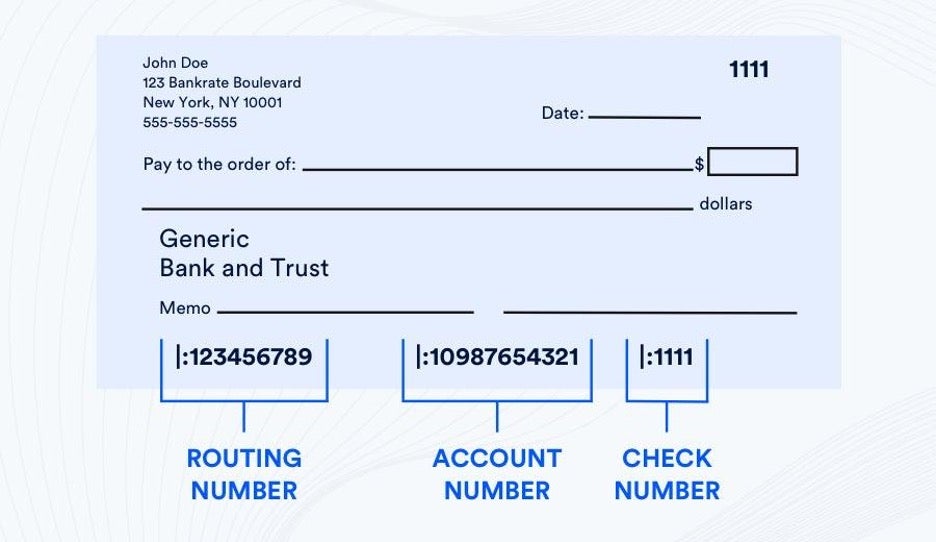
A physical check, while perhaps less common in daily transactions than it once was, remains a potent symbol of financial control and a reliable source of your most critical banking details. Beneath the familiar lines for payee and amount, a check harbors a carefully structured sequence of numbers, each serving a distinct purpose in the banking ecosystem. This sequence, typically printed in magnetic ink at the bottom, is known as the MICR (Magnetic Ink Character Recognition) line. Understanding each segment of this “financial fingerprint” is key to confidently identifying your checking account number.
The Routing Number: Your Bank’s Address
The first set of numbers you’ll encounter on the MICR line is the routing number. This nine-digit code, also known as the American Bankers Association (ABA) routing transit number, acts like a digital address for your financial institution. It tells other banks precisely where to send money for a transaction. Think of it as the unique identifier for your bank or credit union within the vast network of financial institutions across the United States.
- Location: The routing number is almost always the first set of nine digits on the far left of the MICR line at the bottom of your check.
- Purpose: It’s essential for directing funds to the correct bank during transactions like direct deposits, wire transfers, and automated clearing house (ACH) payments. Without it, your funds wouldn’t know which bank to land in.
- Importance: Every bank has at least one routing number, and larger banks may have several, each corresponding to different branches or types of transactions. Always confirm you’re using the correct one for your specific account and transaction.
The Account Number: Your Personal Identifier
Nestled between the routing number and the check number, your checking account number is the unique identifier for your specific account within your bank. While the routing number directs funds to your bank, the account number ensures those funds reach your individual checking account. This number is unique to you and distinguishes your account from all others held at the same institution.
- Location: The checking account number is typically the second set of digits from the left on the MICR line. Its length can vary, usually ranging from 10 to 12 digits, depending on the bank. It’s crucial to identify this segment correctly, as it’s the core of most financial operations.
- Purpose: This number is required for virtually all transactions that involve funds entering or leaving your specific account, such as setting up direct deposit, automatic bill payments, online transfers, and linking to third-party financial apps.
- Importance: Always double-check this number when providing it, as a single incorrect digit can result in a transaction failure or, worse, funds being sent to the wrong account, potentially leading to significant financial complications and security risks.
The Check Number: Tracking Your Transactions
The final set of numbers on the MICR line is the check number. This shorter sequence of digits serves as a unique identifier for that specific physical check, allowing you and your bank to track individual transactions.
- Location: The check number is typically the last set of digits on the far right of the MICR line. It also usually appears in the upper right-hand corner of the check.
- Purpose: It helps in reconciling your bank statements, tracking which checks have cleared, and identifying specific payments. When you write a check, you record this number in your check register to keep tabs on your outflows.
- Importance: While not as critical for fund transfers as the routing and account numbers, the check number is vital for personal record-keeping and financial reconciliation, helping you maintain an accurate overview of your spending.
Understanding the MICR Line
The entire string of numbers at the bottom of a check is known as the MICR line. These numbers are printed using a special magnetic ink that allows automated machines to quickly and accurately read and process checks. This system significantly speeds up transaction processing and reduces human error, making the MICR line a cornerstone of the modern banking infrastructure.
Beyond the Physical Check: Alternative Ways to Find Your Numbers
While a physical check offers a definitive source for your banking details, it’s not always readily available or the most convenient option. Fortunately, in today’s digital age, there are several other reliable and secure avenues to retrieve your checking account and routing numbers.
Online Banking Portals: Digital Convenience
For most people, your bank’s online portal or mobile banking app is the quickest and most accessible way to find your account information.
- How to Access: Log in to your bank’s website or mobile app using your secure credentials.
- Where to Look: Once logged in, navigate to your checking account details. Banks typically display this information prominently under sections like “Account Summary,” “Account Details,” “Direct Deposit Information,” or “View Statements.” Often, there’s a specific link to “Direct Deposit Form” or “Get Account Info” that will present both your routing and account numbers.
- Security: Always ensure you are on your bank’s official website or app, look for “https://” in the URL, and use strong, unique passwords to protect your digital banking access.
Bank Statements: A Record of Your Finances
Your monthly bank statements, whether paper or electronic, are another excellent resource for finding your account details.
- Location: Both your routing number and checking account number are almost always printed clearly on your bank statements, usually near the top of the statement or within the account summary section.
- Accessibility: You can usually access electronic statements through your online banking portal, making them easily retrievable. If you receive paper statements, simply locate a recent one.
- Tip: Keep your statements organized and secured, as they contain a wealth of personal financial information.
Contacting Your Bank Directly: When All Else Fails
If you’re unable to find the information through online channels or statements, or if you prefer direct assistance, contacting your bank’s customer service or visiting a local branch are reliable options.
- Customer Service: Call your bank’s official customer service number. Be prepared to verify your identity with personal details such as your full name, address, date of birth, and potentially the last four digits of your Social Security Number.
- Branch Visit: Visit a local branch of your bank. A teller or customer service representative can provide you with your account and routing numbers after verifying your identity, usually requiring a photo ID.
Deposit Slips and Previous Direct Deposit Forms
If you’ve ever filled out a deposit slip for your checking account or completed a direct deposit authorization form, these documents often contain your routing and account numbers. While perhaps less likely to be immediately on hand, they serve as another historical reference point.
Why You Need Your Checking Account and Routing Numbers
Understanding where to find these numbers is only half the battle; knowing why they are so crucial is equally important for effective personal finance management. These numbers facilitate a broad spectrum of transactions that are integral to modern financial life.
Setting Up Direct Deposit and Automatic Payments
One of the most common reasons to provide your checking account and routing numbers is to set up direct deposit for your paycheck, government benefits, or tax refunds. Similarly, these numbers are essential for establishing automatic payments for bills such as utilities, mortgage, rent, or subscription services, ensuring your payments are made on time without manual intervention.
Initiating Wire Transfers or ACH Transactions
Whether you’re sending or receiving a large sum of money, perhaps for a real estate transaction, a car purchase, or international transfers, your account and routing numbers are necessary. They are also fundamental for Automated Clearing House (ACH) transactions, which are electronic payments and money transfers between bank accounts. These include direct deposits, bill pay, and even person-to-person payments through certain apps.
Linking External Accounts and Financial Apps
In today’s interconnected financial world, you often need to link your checking account to other financial platforms. This could include investment accounts, peer-to-peer payment apps (like Venmo or PayPal), budgeting software (like Mint or YNAB), or external savings accounts. Providing your routing and account numbers securely allows these platforms to initiate transfers to and from your checking account.
Ordering New Checks or Replacing Lost Ones
If you need to order new checks or replace a lost checkbook, the check printing service will require your exact routing and account numbers to ensure the new checks are correctly linked to your bank account.
Safeguarding Your Financial Information: Best Practices
While your checking account and routing numbers are essential for facilitating legitimate transactions, their sensitive nature means they are also attractive to fraudsters. Protecting this information is a critical aspect of personal financial security.
The Risks of Exposure
If your checking account and routing numbers fall into the wrong hands, you could be vulnerable to various forms of financial fraud, including:
- Unauthorized Withdrawals: Someone could use your numbers to create fake checks or set up unauthorized debits from your account.
- Identity Theft: While these numbers alone might not lead to full identity theft, they can be a stepping stone for criminals to gather more information about you, or to facilitate other forms of fraud.
- Phishing and Scams: Fraudsters often attempt to trick individuals into revealing their banking details through deceptive emails, texts, or phone calls.
Secure Storage and Disposal
- Keep Physical Checks Safe: Treat your checkbook like cash. Store it in a secure location where it’s not easily accessible to others.
- Shred Old Documents: When you no longer need old bank statements, voided checks, or other documents containing your account numbers, shred them using a cross-cut shredder to prevent information theft from trash bins.
- Digital Security: Ensure your computer and mobile devices are protected with robust antivirus software and strong, unique passwords for your online banking.
Vigilance in Online Transactions
- Verify Senders: Always be suspicious of unsolicited requests for your bank account information, especially via email, text message, or unexpected phone calls. Legitimate institutions rarely ask for full account numbers through these channels.
- Use Secure Websites: When entering banking details online, always ensure the website is secure (look for “https://” in the URL and a padlock icon).
- Public Wi-Fi: Avoid accessing your banking apps or websites on unsecured public Wi-Fi networks, as these can be vulnerable to data interception.
Regular Monitoring of Accounts
- Review Statements: Regularly review your bank statements and transaction history for any unauthorized or suspicious activity. Report discrepancies to your bank immediately.
- Set Up Alerts: Many banks offer email or text alerts for certain types of transactions (e.g., withdrawals over a certain amount, international transactions). Utilize these to stay informed about your account activity.
When to Share (and Not Share) Your Numbers
- Share When Necessary and Securely: Provide your numbers only to trusted institutions or individuals for legitimate purposes (e.g., your employer for direct deposit, a reputable biller for automatic payments).
- Be Cautious with Checks: While checks necessarily expose your numbers, be mindful of who you write checks to.
- Never Via Unsecured Channels: Avoid sending your full account and routing numbers via unencrypted email or text messages.

Conclusion
Knowing where to find your checking account and routing numbers is more than just a convenience; it’s a fundamental aspect of managing your money effectively and securely. From the physical MICR line on your check to the digital convenience of your online banking portal, understanding these identifiers empowers you to navigate the financial landscape with confidence. By recognizing their importance, actively seeking them out when needed, and diligently protecting them from unauthorized access, you reinforce the security of your financial assets and streamline your personal finance journey. Proactive financial literacy, coupled with vigilant security practices, ensures that your money works for you, safely and efficiently, in an increasingly digital world.
aViewFromTheCave is a participant in the Amazon Services LLC Associates Program, an affiliate advertising program designed to provide a means for sites to earn advertising fees by advertising and linking to Amazon.com. Amazon, the Amazon logo, AmazonSupply, and the AmazonSupply logo are trademarks of Amazon.com, Inc. or its affiliates. As an Amazon Associate we earn affiliate commissions from qualifying purchases.