
In an era defined by instantaneous information and ubiquitous digital tools, the seemingly simple query “where is my calculator?” might strike some as an anachronism. Yet, for many, it’s a surprisingly common and often frustrating experience. It’s a question that transcends the mere physical misplacement of a device; it speaks to a deeper technological shift, a constant negotiation between the convenience of convergence and the specialized demands of focused computation. In our pockets, on our wrists, and embedded in nearly every screen, computational power is ever-present. So why does the humble calculator—a tool once so singular in its purpose—sometimes feel so elusive, or so inadequate, in the digital age?
This article delves into the technological journey of calculation, exploring how our relationship with numerical processing has evolved from dedicated hardware to integrated software, and where it’s heading next. We’ll examine the tension between the all-in-one device and the need for specialized tools, dissect the user experience of modern computational apps, and peer into a future where “calculator” might mean something entirely different. Ultimately, “where is my calculator?” becomes a broader exploration of how we seek and utilize the right technological solution for our computational needs in an increasingly complex digital landscape.
The Evolution of Computation: From Abacus to Algorithm
The human need to count, measure, and calculate is as ancient as civilization itself. For millennia, our tools for computation have mirrored our technological prowess, each innovation pushing the boundaries of what was possible and how quickly it could be achieved.
A Legacy of Ingenuity: Early Computational Aids
Before the advent of silicon chips, the quest for computational efficiency birthed ingenious mechanical and analog devices. The abacus, with its beads sliding on rods, offered a practical method for arithmetic. Later, the slide rule, leveraging logarithms, became the indispensable tool for engineers and scientists, performing complex multiplications, divisions, and trigonometric functions with remarkable speed, albeit with limited precision. These were dedicated instruments, understood and wielded by those who mastered their mechanics. Their existence underscored a fundamental truth: complex tasks required specialized tools, meticulously designed for their singular purpose. The “calculator” was a tangible, often beautiful, piece of engineering.
The Digital Revolution and Personal Computing
The mid-20th century marked a paradigm shift with the advent of electronic calculators. From bulky desktop units to the handheld devices that became commonplace in the 1970s, these solid-state marvels brought unprecedented speed and accuracy to numerical tasks. The introduction of personal computers further democratized computation, integrating arithmetic functions into operating systems and software applications. Suddenly, your computer wasn’t just for word processing or gaming; it was a powerful calculating machine, capable of handling everything from simple sums to complex data analysis through spreadsheets. This era began to blur the lines: the calculator was no longer just a standalone device but a function embedded within a larger technological ecosystem. While convenient, this integration also subtly started to displace the dedicated device, setting the stage for future cognitive dissonances.
The Smartphone Era: Ubiquitous Yet Elusive
The true inflection point arrived with the smartphone. Suddenly, a powerful, always-connected mini-computer was in virtually every pocket. With it came a standard, pre-installed calculator app, ostensibly solving the “where is my calculator?” problem forever. Yet, paradoxically, the question persists. The very ubiquity of the smartphone calculator often makes it elusive. Buried among hundreds of other apps, often with a generic icon, it’s not always instantly accessible. Furthermore, the basic calculator app, while perfect for quick sums, rarely caters to the more advanced needs of professionals or students. This creates a fascinating conundrum: we carry incredible computational power, yet often struggle to find or leverage the right tool for the job. The calculator moved from a prominent place on our desk or in our pencil case to an often-forgotten icon on a digital screen, present but not always prominent or powerful enough.
The Modern Dilemma: Integrated Apps vs. Dedicated Devices
The omnipresence of computing power in our daily lives has presented users with a nuanced choice: embrace the convenience of integrated applications on multi-purpose devices, or cling to the distinct advantages of dedicated, specialized tools. This dilemma lies at the heart of our modern computational experience.
The Convenience of Convergence: The All-in-One Device
The smartphone epitomizes convergence. Beyond communication, it’s a camera, a navigation system, an entertainment hub, and—crucially—a calculator. The immediate benefit is undeniable: instant access to basic arithmetic without carrying an additional gadget. For quick calculations in a store, splitting a bill, or figuring out a tip, the integrated calculator app is perfectly adequate and incredibly convenient. Its seamless integration into the operating system often allows for quick access through search functions or widgets, making it a go-to for casual computational needs. This convergence philosophy extends beyond smartphones, with tablets and laptops also offering built-in or easily downloadable calculator functionalities that handle everyday tasks with ease.
The Case for the Dedicated Tool: Precision and Focus
Despite the allure of all-in-one devices, the market for dedicated calculators remains robust, particularly in scientific, engineering, and financial fields. Why? The answer lies in precision, tactile feedback, and focus. Physical scientific and graphing calculators (like those from Texas Instruments or Casio) offer a physical keyboard with dedicated buttons for complex functions, trigonometry, calculus, and statistical operations. This tactile experience reduces errors, speeds up input, and allows for muscle memory to develop. Furthermore, a dedicated device eliminates distractions; there are no notifications, emails, or social media tempting users away from their complex calculations. For students taking exams or professionals needing unwavering concentration, the focused environment of a dedicated calculator is invaluable. They also boast superior battery life, ruggedness, and often meet specific regulatory requirements for standardized tests.
App Fatigue and Feature Bloat: The Paradox of Choice
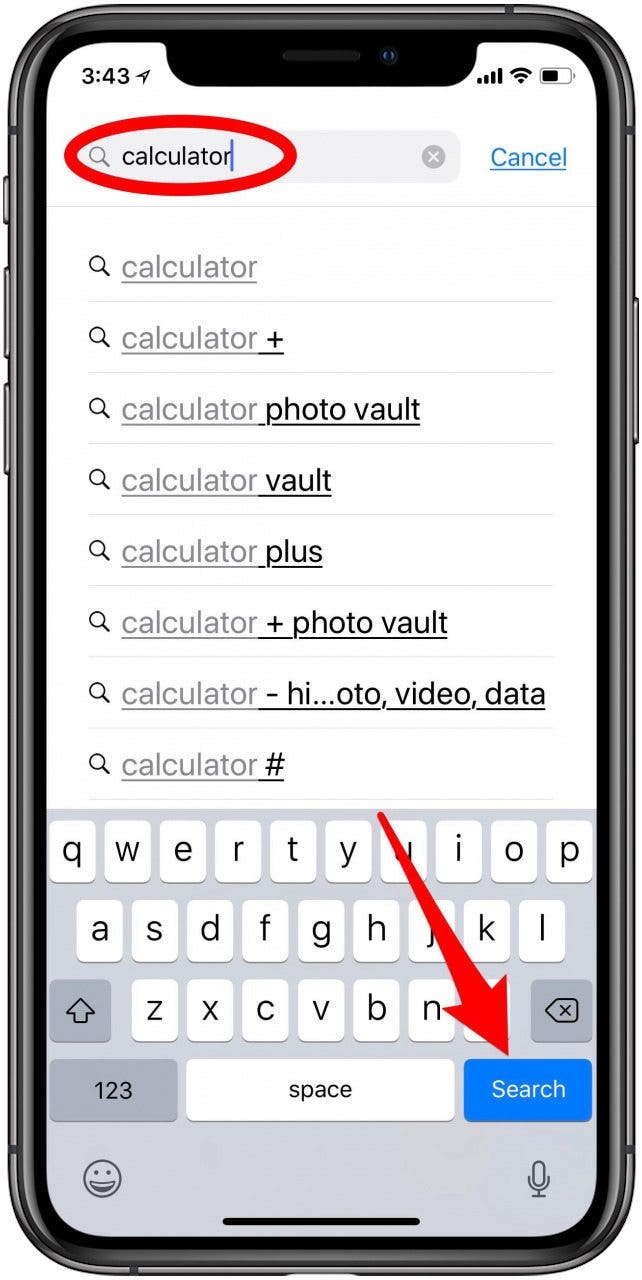
The digital app stores are flooded with calculator applications, ranging from minimalist interfaces to feature-rich scientific powerhouses. While this might seem like a benefit, it often leads to what psychologists call the “paradox of choice.” Users face app fatigue, struggling to discern which app is truly reliable, ad-free, secure, and suited to their specific needs. Many free apps are laden with intrusive advertisements, while others demand subscriptions for basic features. The search for the “perfect” calculator app can become a time-consuming endeavor, sometimes leading users back to the frustration of not having the right tool readily available. This highlights a critical point: merely having computational power isn’t enough; it must be accessible, intuitive, and tailored to the task at hand.
The Search for the ‘Right’ Tool: Efficiency in a Digital Deluge
In a world brimming with digital tools, the challenge is no longer about finding a calculator, but about finding the right one that seamlessly integrates into our workflows and enhances productivity. The modern quest for the calculator is, therefore, a search for digital efficiency.
User Experience and Accessibility: The Keys to Adoption

A truly effective calculator, whether an app or a physical device, is defined by its user experience (UX) and accessibility. For an app, this means an intuitive interface, clear display, and responsive input. Features like haptic feedback, customizable themes, and easy switching between modes (basic, scientific, programmer) can significantly improve usability. Voice input, where you can simply ask your device to “calculate 15 percent of 250,” represents a new frontier in accessibility, bypassing the need for manual input altogether. Quick search functions within operating systems (like iOS’s Spotlight or Android’s App Drawer) are designed to make locating apps instantaneous, yet human habits and mental models often lead to friction. The ideal calculator should be just a tap or a voice command away, always ready, and always presenting the information clearly.
Workflow Integration and Productivity: Beyond Standalone Sums
For professionals, the “calculator” is rarely an isolated tool. It’s often a component of a larger digital workflow. Engineers might need a calculator embedded within their CAD software. Data analysts require powerful statistical functions integrated into their spreadsheets or programming environments. Financial advisors need complex amortization schedules directly linked to their planning software. The “lost calculator” in this context isn’t just a missing app; it’s a broken link in a chain of productivity. The most valuable computational tools are those that offer robust APIs, allowing them to connect with other applications, import and export data, and automate repetitive tasks. This seamless integration transforms a simple calculator into a powerful workflow accelerator, enabling users to perform complex analyses without ever leaving their primary work environment.
The “Smart” Search: Finding What You Didn’t Know You Needed
Modern operating systems and AI assistants are increasingly sophisticated in their ability to anticipate and fulfill computational needs. Typing “calculator” into a search bar might launch the default app, but typing “what’s 15% of 300 plus sales tax” might directly provide the answer, bypassing the app entirely. This “smart search” capability reflects a shift from explicit app launching to implicit computational problem-solving. It’s an evolution where the system understands the user’s intent and provides the solution, rather than just the tool. This reduces cognitive load and streamlines tasks, moving closer to a world where computation is an ambient, always-available service rather than a distinct application one must actively seek out.
Beyond Basic Arithmetic: The Rise of Specialized Tools and AI
The definition of a “calculator” is rapidly expanding, moving far beyond the simple four-function device to encompass highly specialized tools and the burgeoning capabilities of artificial intelligence. The question “where is my calculator?” now often implies a search for a much more powerful and intelligent computational assistant.
Niche Needs, Niche Solutions: The Specialized Toolset
As professions become more specialized, so too do their computational requirements. Standard scientific calculators handle advanced algebra and trigonometry, but financial calculators are tailored for present and future value, loan amortization, and bond yields. Unit converter apps instantly translate between different measurement systems. Developers use programmer calculators for binary, hexadecimal, and bitwise operations. Statistical software packages offer sophisticated regression analysis and data visualization far beyond what a basic graphing calculator can achieve. These specialized tools are crucial for precision and efficiency in specific domains, demonstrating that the future of calculation is not a one-size-fits-all model, but a diverse ecosystem of highly focused instruments. The challenge is ensuring these niche tools are easily discoverable and accessible to those who need them.
The Dawn of AI-Powered Computation: Conversational Interfaces
Perhaps the most significant shift in computation is the rise of AI-powered assistants and large language models (LLMs) like ChatGPT, Google Assistant, and Siri. These platforms are transforming how we interact with computational problems. Instead of opening an app and typing numbers, users can simply pose questions in natural language: “Hey Siri, what’s 75 divided by 12.5?” or “Alexa, convert 50 miles per hour to kilometers per hour.” LLMs can handle even more complex requests, interpreting word problems, performing multi-step calculations, and even explaining the steps involved. This natural language interface democratizes complex computation, making it accessible to anyone who can formulate a question. The “calculator” is no longer a graphical user interface but an intelligent, conversational entity that understands context and intent.
Predictive Analytics and Data Science: The Evolving Role of “Calculation”
The evolution of computation extends beyond answering direct numerical questions to actively interpreting, predicting, and visualizing data. Modern “calculators” in the realm of data science involve sophisticated algorithms that can identify patterns, forecast trends, and simulate scenarios. Tools like Python’s NumPy and Pandas libraries, R statistical software, and dedicated business intelligence platforms blur the line between calculation, analysis, and prediction. Here, the “calculator” isn’t merely returning a number; it’s providing insights, informing decisions, and even generating hypotheses. This expansion redefines the very essence of computation, moving it from simple arithmetic operations to a core component of scientific discovery and strategic planning.
Reimagining the Future: Intelligent Calculation and Seamless Integration
As technology continues its relentless advance, the concept of “where is my calculator?” will likely evolve further, transforming from a search for a discrete tool into an expectation of omnipresent, intelligent computational assistance. The future points towards a highly integrated and personalized experience.
Ambient Computing and Contextual Awareness
Imagine a future where calculation isn’t initiated by opening an app, but by contextual awareness. Walking into a hardware store and looking at a shelf, your augmented reality glasses might overlay unit prices and automatically calculate bulk discounts. In a meeting, your smart surface desk might display projected sales figures based on a spoken query. Ambient computing environments, where technology fades into the background, will make computation an invisible, ever-present service. The calculator won’t be “found” because it will always be there, anticipating your needs and seamlessly integrating into your physical and digital surroundings.
Hyper-Personalization and Customization
Future computational tools will likely learn from your habits and preferences. A calculator app might automatically remember your preferred units of measurement, frequently used constants, or common financial calculations. AI will personalize the interface, suggest relevant functions, or even pre-fill parts of complex equations based on your ongoing projects. This hyper-personalization will create a truly bespoke computational experience, making the “right” calculator feel less like a generic tool and more like an extension of your own thought process. Customization will go beyond themes, allowing users to build their own composite computational widgets from various specialized modules.

Ethical Considerations and Data Privacy
As our computational tools become smarter, more integrated, and more context-aware, crucial ethical questions will arise. How will our personal computational data be used? Who owns the insights generated by AI calculators? What biases might be embedded in algorithms that perform critical financial or scientific calculations? Ensuring transparency, data privacy, and ethical AI development will be paramount. The future of the calculator isn’t just about technological capability; it’s about building trust and ensuring that these powerful tools serve humanity responsibly.
In conclusion, “where is my calculator?” is far more than a simple question about a lost object. It’s a barometer of our evolving relationship with technology, reflecting the journey from dedicated mechanical marvels to integrated digital functions, and now, to intelligent, context-aware AI. The search for the calculator is, at its heart, a continuous quest for optimal efficiency, precision, and seamless integration in our increasingly complex digital lives. As we move forward, the ideal computational tool won’t just be an app or a device; it will be an intuitive, intelligent, and invisible partner, ready to compute, analyze, and assist whenever and wherever we need it.
aViewFromTheCave is a participant in the Amazon Services LLC Associates Program, an affiliate advertising program designed to provide a means for sites to earn advertising fees by advertising and linking to Amazon.com. Amazon, the Amazon logo, AmazonSupply, and the AmazonSupply logo are trademarks of Amazon.com, Inc. or its affiliates. As an Amazon Associate we earn affiliate commissions from qualifying purchases.