
In the intricate tapestry of modern finance, few pieces of information are as vital yet often overlooked as the humble account number. It’s the unique identifier that links you directly to your financial resources, empowering transactions, confirming ownership, and acting as a cornerstone for almost every interaction you have with banks, investment firms, and service providers. Yet, when the moment strikes – whether you’re setting up a direct deposit, paying a bill, or resolving a financial discrepancy – the urgent question “Where is my account number?” often arises, sometimes accompanied by a flurry of frantic searching.
This comprehensive guide aims to demystify the location of your various account numbers, providing you with practical steps, security best practices, and a deeper understanding of why this string of digits is so indispensable in your financial journey. Embrace a proactive approach to knowing where your money lives, and never again be caught flat-footed when you need that crucial number most.
The Ubiquity of Account Numbers in Your Financial Life
An account number is more than just a random sequence; it’s the digital fingerprint of your financial relationship with an institution. Understanding its pervasive role is the first step toward effective financial management.
More Than Just a String of Digits
While it might appear as a mundane series of numbers, your account number is a critical identifier that uniquely distinguishes your specific account from millions of others within a financial institution. For a checking account, it’s paired with your bank’s routing number to form a complete address for electronic transactions. For credit cards, it enables purchases and payments. In investment accounts, it tracks your holdings and transactions. Without it, financial operations would grind to a halt, making it a foundational element of the global financial system.
Different Accounts, Different Numbers (Bank, Investment, Credit, Utility)
The term “account number” isn’t monolithic; its specific format and where you find it can vary significantly depending on the type of account:
- Bank Accounts (Checking/Savings): These are perhaps the most commonly sought-after account numbers, essential for direct deposits, automatic payments, and linking to other financial services. They typically range from 8 to 12 digits.
- Investment Accounts: Brokerage accounts, IRAs, 401(k)s, and other investment vehicles each have unique account numbers to identify your specific portfolio and holdings within the firm. These can often be alphanumeric.
- Credit Card and Loan Accounts: While your credit card has a visible 16-digit number on the front, your account number with the issuer might be a different, internal identifier, especially for loans (mortgages, auto loans, personal loans) which track your balance and payment history.
- Utility and Service Provider Accounts: Your electricity, water, internet, phone, and even gym membership might have an “account number” or “customer ID” that serves a similar purpose for billing and service management. While not directly financial accounts in the banking sense, they involve money and payments, making their numbers equally important to locate.
Why You Need Your Account Number – Common Scenarios
Knowing where to find your account number is not just about convenience; it’s about enabling a wide array of essential financial activities:
- Setting Up Direct Deposit: Crucial for receiving your paycheck, tax refunds, or government benefits directly into your bank account.
- Automating Bill Payments: Linking your bank account to utilities, rent, or loan payments for hassle-free monthly deductions.
- Initiating Wire Transfers or ACH Payments: Sending or receiving large sums of money, often required for real estate transactions or business dealings.
- Linking to Payment Apps: Connecting services like PayPal, Venmo, or Zelle to your bank for easy transfers.
- Applying for Loans or Credit: Lenders often request your bank account information to verify funds or set up repayment schedules.
- Resolving Billing Disputes: Providing your account number to customer service expedites the process of identifying your specific issue.
- Tax Preparation: Certain investment account numbers are necessary for reporting gains, losses, and dividends.
Common Places to Find Your Bank Account Number
For most individuals, the bank account number is the most frequently needed. Fortunately, there are several reliable places to find it.
Checking Your Physical Checks and Deposit Slips
This is arguably the most traditional and readily accessible method for checking accounts.
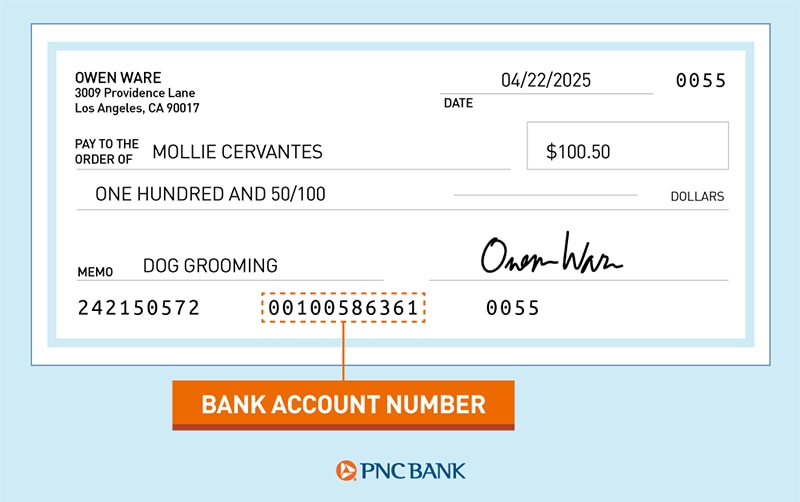
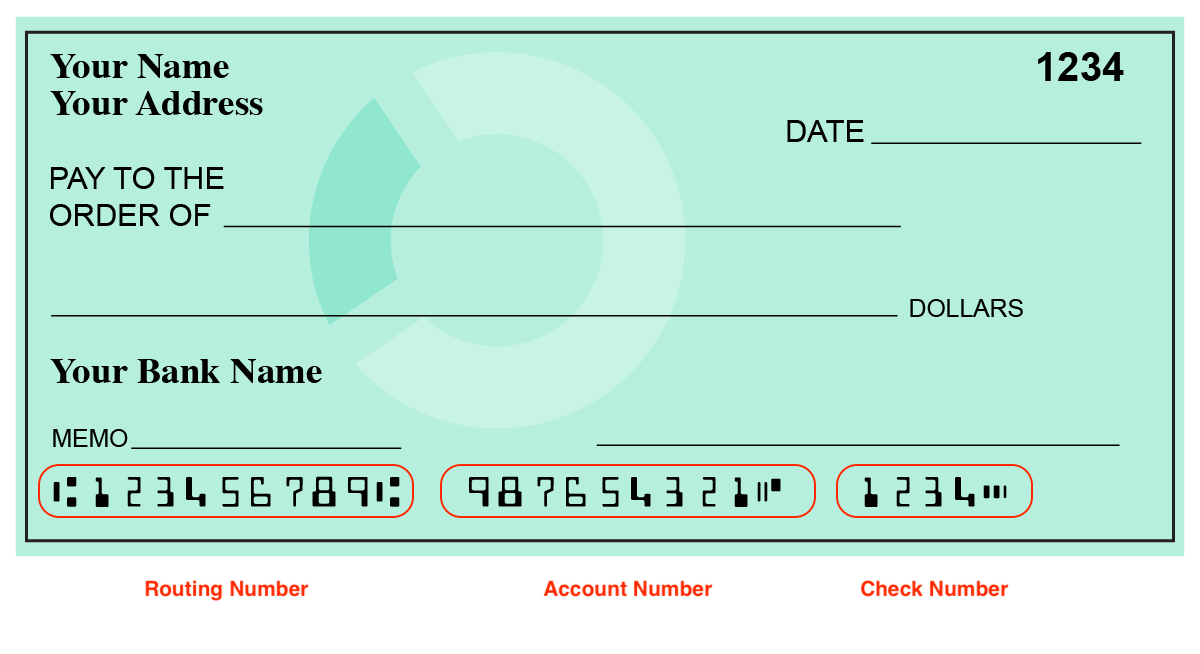
- On Personal Checks: Look at the bottom of a physical check. You’ll typically see three sets of numbers. The first set (usually nine digits) is the routing number. The second set is your account number. The third set is the check number (which matches the number in the top right corner).
- On Deposit Slips: Similar to checks, deposit slips also prominently display both your routing and account numbers, facilitating accurate deposits into your specific account.
Navigating Online Banking Portals and Mobile Apps
In the digital age, your bank’s online platform is often the quickest way to access your account information.
- Online Banking Website: Log in to your bank’s website. Navigate to the specific account (e.g., “Checking” or “Savings”). Look for sections like “Account Details,” “Account Summary,” “View Statement,” or “Direct Deposit Information.” Your account number is usually displayed there, though sometimes partially masked for security and requiring a click to reveal the full number.
- Mobile Banking App: Most modern banking apps offer similar functionality. After logging in, select the desired account. The account number, or an option to view account details, should be readily available. Some apps might require biometric authentication (fingerprint, face ID) or a PIN to fully reveal sensitive numbers.
Reviewing Monthly Statements (Paper and Electronic)
Bank statements, whether mailed to your home or accessed digitally, are comprehensive records of your account activity and details.
- Paper Statements: Your full account number is almost always printed prominently near the top of your monthly paper statement, often alongside your name and address.
- Electronic Statements (eStatements): If you’ve opted for paperless banking, you can download PDF versions of your statements from your online banking portal. The account number will be in the same location as on a physical statement.
The Old-Fashioned Way: Contacting Customer Service
If digital methods aren’t working or you prefer direct assistance, calling your bank’s customer service line is always an option.
- Via Phone: Be prepared to verify your identity with personal information (e.g., full name, address, date of birth, last few digits of your Social Security Number, security questions). For security reasons, some banks might be hesitant to give out full account numbers over the phone, or they might mail it to your address on file.
- In Person at a Branch: Visiting a local branch with a valid photo ID is often the most secure way to retrieve your account number, especially if you’re unable to access it through other means.
Locating Account Numbers for Other Financial Services
Beyond traditional bank accounts, other financial instruments and services also rely on unique identifiers.

Investment Accounts: Brokerage and Retirement Plans
Managing your investment portfolio requires knowing these crucial numbers.
- Online Portals: Similar to banks, investment firms (e.g., Charles Schwab, Fidelity, Vanguard) provide secure online access. Log in, select the specific investment account (e.g., taxable brokerage, Roth IRA), and look for “Account Details,” “Profile,” or “Statements.” Your account number will be listed.
- Statements and Confirmations: Annual or quarterly statements, as well as trade confirmation slips, will always contain your investment account number.
- Employer-Sponsored Plans: For 401(k)s or 403(b)s, you’ll find your account number on statements from the plan administrator (e.g., Empower Retirement, Principal) or by logging into their dedicated participant portal.
Credit Card and Loan Accounts: Beyond the Card Itself
While your credit card has a primary number, other loan accounts have distinct identifiers.
- Credit Card Statements: Your monthly credit card statement (paper or electronic) will prominently display your specific account number, often different from the 16-digit number on the card itself, particularly if it’s an internal number for payment processing.
- Loan Documents: For mortgages, auto loans, or personal loans, your account number will be on the original loan agreement, monthly billing statements, or accessible through the lender’s online portal. These are vital for making payments or inquiring about your loan status.
Utility and Service Provider Accounts: Bills and Online Portals
These are typically referred to as “customer IDs” or “account numbers” and are essential for managing your household expenses.
- Physical Bills: Look at the top or bottom of any utility bill (electricity, gas, water, internet, phone). Your account number is a standard feature.
- Online Accounts: Log in to your service provider’s website or app. Your account number/customer ID is usually displayed on the main dashboard or in the “Account Details” section.
Safeguarding Your Account Numbers: Security Best Practices
Understanding where to find your account number is only half the battle; protecting it from unauthorized access is equally, if not more, important in the fight against financial crime.
The Risks of Exposure: Fraud and Identity Theft
Your account numbers, especially when combined with your routing number or other personal identifiable information (PII) like your Social Security Number, are goldmines for fraudsters.
- Unauthorized Transactions: Thieves can use your bank account numbers to create fake checks, set up unauthorized direct debits, or make fraudulent online purchases.
- Identity Theft: When combined with other data, account numbers can contribute to a larger identity theft scheme, allowing criminals to open new accounts in your name or access existing ones.
- Financial Scams: Knowing your account number can make you a target for highly personalized phishing scams, where criminals pretend to be your bank to extract further sensitive information.
Secure Storage Methods for Sensitive Information
Proactive security measures are your best defense.
- Limit Physical Copies: Shred old checks, deposit slips, and statements that contain full account numbers once you no longer need them.
- Password Protection: Ensure all your online banking and investment accounts have strong, unique passwords and enable two-factor authentication (2FA) wherever possible.
- Secure Digital Storage: If you must keep digital copies, use encrypted files or reputable password managers that offer secure note-taking features. Never store unencrypted account numbers in easily accessible documents or emails.
- Physical Safes: For essential paper documents, a fireproof home safe or a bank safe deposit box is ideal.
Recognizing Phishing Scams and Impersonation Attempts
Be vigilant against attempts to trick you into revealing your account numbers.
- Verify Senders: Always scrutinize emails and text messages claiming to be from your bank or service providers. Check the sender’s email address, look for typos, and be wary of generic greetings.
- Never Click Suspicious Links: If in doubt, do not click on links in unsolicited emails. Instead, manually type your bank’s official URL into your browser or use their official app.
- Be Skeptical of Unsolicited Calls: Your bank will generally not call you and ask for your full account number, PIN, or full SSN over the phone. If someone calls asking for this information, hang up and call the number on the back of your bank card or on your official statement.
What to Do If Your Account Number is Compromised
Act swiftly if you suspect your account number has fallen into the wrong hands.
- Notify Your Financial Institution Immediately: Contact your bank, credit card issuer, or investment firm’s fraud department. They can monitor your account, issue new numbers, or freeze activity.
- Review Account Activity: Scrutinize your statements and online transaction history for any unauthorized charges or suspicious activity.
- Change Passwords: Update passwords for all affected online accounts.
- Consider a Credit Freeze: If identity theft is a concern, freezing your credit with the three major credit bureaus (Experian, Equifax, TransUnion) can prevent new accounts from being opened in your name.
- File a Police Report: In cases of significant fraud, a police report can be helpful for insurance claims or disputing fraudulent charges.
Streamlining Your Financial Management: Digital Tools and Organization
Proactive management of your financial information, including account numbers, is a hallmark of sound personal finance.
Leveraging Personal Finance Software for Quick Access
Modern financial tools can centralize and organize your account information securely.
- Aggregation Apps: Tools like Mint, Personal Capital, or YNAB can link to your various bank and investment accounts, offering a consolidated view of your finances. While they don’t always display full account numbers directly for security reasons, they provide a powerful dashboard to manage and monitor your financial landscape, indirectly making it easier to navigate to where you can find the numbers.
- Dedicated Password Managers: Premium password managers often allow secure storage of custom fields, letting you keep account numbers encrypted and readily available when you need them, without compromising security.
Creating a Secure System for Your Financial Records
A well-organized system reduces stress and improves efficiency.
- Digital Filing System: Create an organized folder structure on your computer or cloud storage (ensure it’s encrypted and backed up) for eStatements, important documents, and account details.
- Physical Filing System: For paper documents, use a labeled filing cabinet or secure binder. Regularly purge outdated documents and shred sensitive information.
- Emergency Contact List: Keep a secure list of all your financial institutions’ customer service numbers and account numbers (perhaps only the last few digits for security, with a note on where the full number is stored).
The Benefits of Proactive Information Management
Taking the time to organize and understand your account numbers yields significant returns.
- Reduced Stress: No more last-minute scrambling when a deadline looms.
- Improved Security: A structured approach minimizes risks of exposure and helps you identify irregularities faster.
- Enhanced Financial Control: Knowing your numbers means you’re always in command of your financial affairs, enabling smoother transactions, quicker problem-solving, and more effective long-term planning.
In conclusion, your account numbers are the bedrock of your financial identity. By understanding their significance, knowing where to locate them across various financial services, and diligently protecting them, you empower yourself with confidence and security in managing your money. Embrace this knowledge, and make “Where is my account number?” a question of the past, replaced by the assurance of “Here it is.”
aViewFromTheCave is a participant in the Amazon Services LLC Associates Program, an affiliate advertising program designed to provide a means for sites to earn advertising fees by advertising and linking to Amazon.com. Amazon, the Amazon logo, AmazonSupply, and the AmazonSupply logo are trademarks of Amazon.com, Inc. or its affiliates. As an Amazon Associate we earn affiliate commissions from qualifying purchases.