
The Geographic and Spiritual Cornerstone
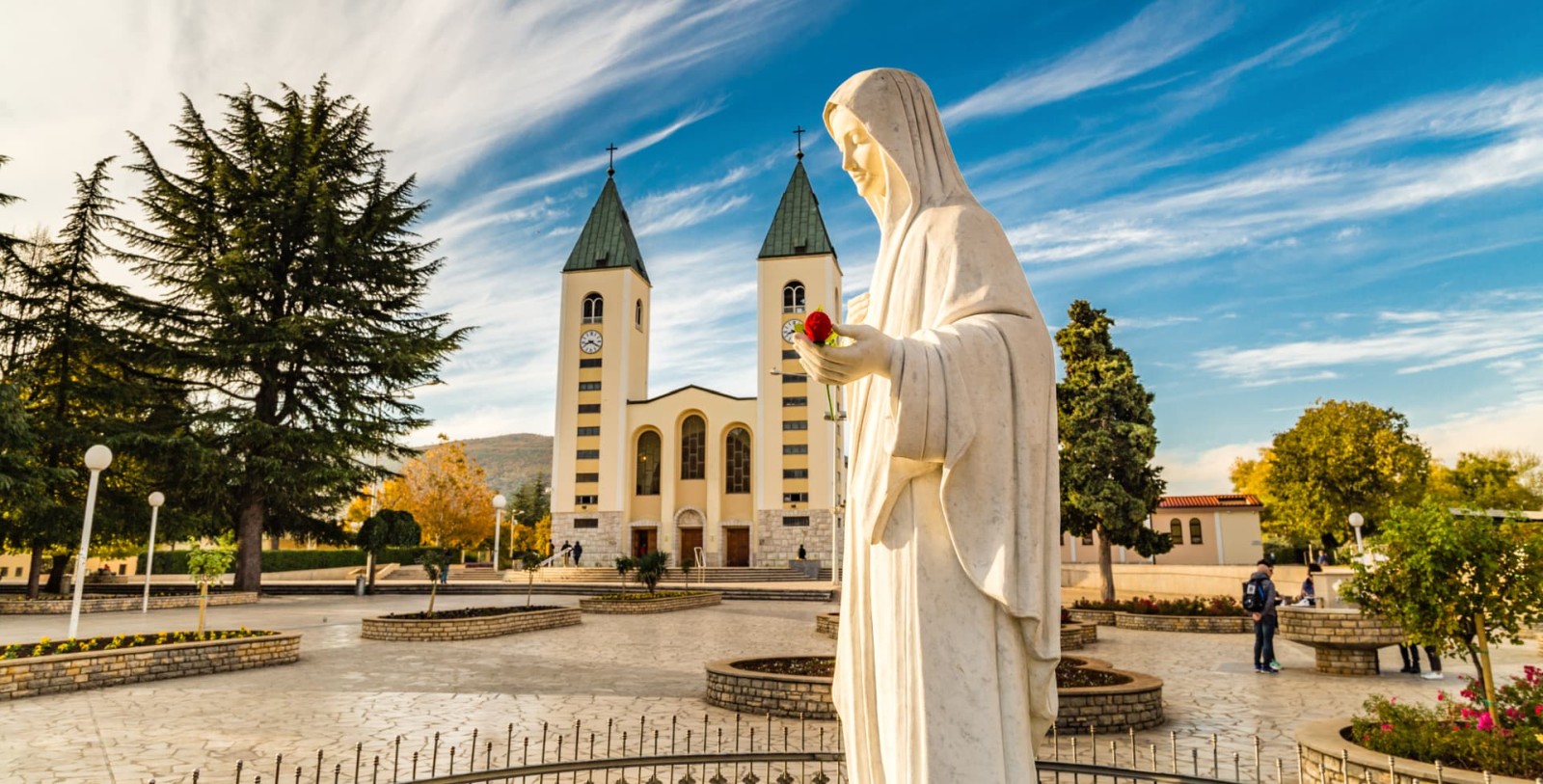
Medjugorje is a small town located in the Herzegovina region of Bosnia and Herzegovina, a country situated in the heart of the Balkans. Nestled roughly 25 kilometers (15 miles) southwest of Mostar and close to the border with Croatia, its geographical position has long made it a crossroad of cultures and influences. Before 1981, it was an obscure agricultural village, primarily known for its vineyards and tobacco fields. However, its name has since become globally recognized, transforming from a simple rural locale into one of the most significant Roman Catholic pilgrimage sites in the world, attracting millions of visitors annually.

Nestled in the Balkans
Bosnia and Herzegovina is a country with a rich and complex history, marked by its position at the intersection of various civilizations and religions. It shares borders with Croatia to the north, west, and south, Serbia to the east, and Montenegro to the southeast. Medjugorje itself is part of the Federation of Bosnia and Herzegovina, one of the two political entities that comprise the country, and lies within the largely Croat-populated region of Herzegovina. The climate is Mediterranean, characterized by hot, dry summers and mild, rainy winters, adding to its appeal as a travel destination. The local economy, once agrarian, has been almost entirely reshaped by the influx of pilgrims and the accompanying tourism infrastructure, illustrating a profound shift from local subsistence to global spiritual service.
A Village Transformed
The transformation of Medjugorje began on June 24, 1981, when six local children and teenagers reported seeing an apparition of the Blessed Virgin Mary on a hillside known as Podbrdo, now often referred to as Apparition Hill. These alleged apparitions, which reportedly continue to this day, quickly garnered international attention. What was once a collection of humble homes and fields rapidly evolved into a bustling town complete with hotels, guesthouses, restaurants, souvenir shops, and comprehensive facilities to cater to pilgrims from across the globe. This organic, rapid growth, driven by a spiritual phenomenon rather than strategic urban planning, presents a unique case study in how a specific location can develop an almost instantaneous and powerful brand identity.
Crafting a Global Spiritual Brand Identity
The “brand” of Medjugorje is not a commercially manufactured entity but rather an identity forged through faith, experience, and collective narrative. It stands as a powerful example of how a compelling story, coupled with a consistent message and a unique experiential offering, can create a globally recognized ‘brand’ without traditional corporate marketing. Its identity is deeply rooted in the reported messages of peace, faith, conversion, prayer, fasting, and penance attributed to the Virgin Mary, known locally as Gospa (Our Lady).
The Core Message and Narrative
At the heart of Medjugorje’s global appeal is a powerful and universally resonant narrative. The story of apparitions to ordinary individuals, delivering messages that emphasize spiritual renewal, reconciliation, and the pursuit of peace, speaks to a fundamental human desire for meaning and transcendence. This core message forms the bedrock of Medjugorje’s brand. It is a narrative that is simple, profound, and accessible, transcending linguistic and cultural barriers. Unlike commercial brands that often pivot their messaging, Medjugorje’s core tenets have remained remarkably consistent over decades, reinforcing its authenticity and trustworthiness in the eyes of its devotees. This consistency is a critical element in building enduring brand loyalty.
Authenticity and Experience as Pillars

The pilgrimage experience itself is central to Medjugorje’s brand. Visitors are not merely passive consumers; they are active participants in a spiritual journey. Climbing Apparition Hill or Križevac (Cross Mountain), attending daily Mass, participating in adoration, or engaging in confession are deeply personal and often transformative experiences. The brand promise is not just a destination but a profound encounter. This focus on an authentic, immersive, and personally meaningful experience distinguishes Medjugorje. The ‘product’ is not a tangible good but a spiritual opportunity, enhanced by the communal atmosphere of shared faith. The rustic nature of the original village, preserved in parts, and the simple, direct interaction with the visionaries (when possible) further amplify this sense of authenticity, making it a compelling alternative to more commercialized spiritual sites.
Marketing Through Faith and Community
Medjugorje’s brand growth and sustained recognition are not the result of advertising campaigns or public relations strategies in the conventional sense. Instead, its “marketing” is an extraordinary example of organic, word-of-mouth propagation, driven by deeply personal testimonials and the formation of dedicated global communities. This form of promotion, born from conviction and personal transformation, is arguably the most powerful and credible.
Word-of-Mouth: The Ultimate Endorsement
The primary driver of Medjugorje’s global brand awareness is the personal testimonies of pilgrims. Individuals who claim to have experienced spiritual graces, conversions, or physical healings become powerful advocates, sharing their stories with friends, family, and wider communities. This personal endorsement, rooted in profound belief and experience, carries immense weight, far surpassing any paid advertisement. Pilgrims often return home to establish prayer groups and “Friends of Medjugorje” associations, further disseminating information and encouraging others to visit. These grassroots networks form a decentralized, highly effective global marketing force, building trust and credibility through shared faith and direct experience. The stories are not just about the location but about the impact of the location on individual lives, creating a narrative that resonates deeply.
Infrastructure and Support Systems
While the spiritual draw is paramount, the practical infrastructure and support systems have also played a crucial role in enabling and sustaining the pilgrimage. The local community, initially overwhelmed, adapted rapidly, building accommodation, transportation links, and services designed specifically for pilgrims. International organizations and religious orders have also established centers and programs in Medjugorje, providing spiritual guidance, facilitating retreats, and organizing group pilgrimages. These logistical frameworks, while not directly part of the spiritual ‘brand,’ are essential enablers, making the pilgrimage accessible and comfortable for millions. They demonstrate an understanding of the pilgrim’s journey, addressing practical needs to allow for deeper spiritual engagement. The development of multilingual services, readily available prayer resources, and accessible facilities for people with disabilities are all examples of an unstated, yet highly effective, “customer service” approach tailored to the unique demographic of Medjugorje’s visitors.
Sustaining the Brand: Challenges and Evolution
For over four decades, Medjugorje has maintained its status as a leading pilgrimage site, a testament to the enduring power of its spiritual brand. However, like any enduring entity, it has faced, and continues to navigate, various challenges, from official ecclesiastical recognition to adapting to the changing dynamics of global tourism and spiritual seeking.
Navigating Official Recognition
One of the most persistent challenges for Medjugorje has been its unique status within the Catholic Church. While pilgrims are officially permitted to visit and participate in the liturgical life there, the Holy See has not yet formally approved the supernatural character of the alleged apparitions. This ambiguity has presented a distinctive branding challenge: how to maintain credibility and attract new pilgrims while awaiting official sanction. The strategy has largely been one of quiet perseverance, focusing on the fruits of the pilgrimage (conversions, peace, spiritual growth) rather than demanding immediate ecclesiastical validation. Pope Francis’s decision in 2019 to authorize dioceses and parishes to organize pilgrimages to Medjugorje was a significant step, providing a form of de facto recognition of its spiritual value and further solidifying its brand in the global Catholic imagination, even if the question of the apparitions’ authenticity remains open. This strategic patience and focus on outcomes rather than initial validation is a fascinating aspect of its brand management.
Adapting to Modern Pilgrimage
As the world changes, so too do the expectations and needs of pilgrims. Medjugorje has had to subtly evolve to remain relevant and accessible. This includes leveraging digital communication to share messages and connect with a global audience, offering virtual pilgrimages or live streams for those unable to travel, and maintaining a welcoming stance towards diverse groups of visitors. The town’s infrastructure continues to expand and modernize, balancing the desire for authenticity with the necessity of comfort and convenience. The spiritual “brand” of Medjugorje endures because it has demonstrated a remarkable capacity to offer a consistent, deeply meaningful experience that speaks to universal spiritual needs, while also being responsive to the practicalities of a globalized world. Its continued appeal underscores the power of a spiritual narrative, experienced firsthand, to create an enduring and globally resonant identity for a place.
aViewFromTheCave is a participant in the Amazon Services LLC Associates Program, an affiliate advertising program designed to provide a means for sites to earn advertising fees by advertising and linking to Amazon.com. Amazon, the Amazon logo, AmazonSupply, and the AmazonSupply logo are trademarks of Amazon.com, Inc. or its affiliates. As an Amazon Associate we earn affiliate commissions from qualifying purchases.