
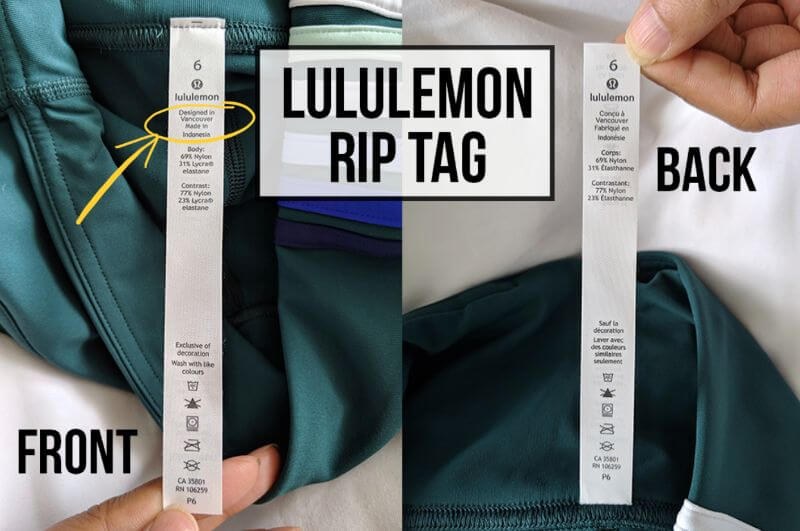
In the world of high-performance athleisure, few names command as much prestige and consumer loyalty as Lululemon Athletica. Since its inception in Vancouver in 1998, the brand has transformed from a niche yoga wear retailer into a global powerhouse. Central to this success is not just the “Science of Feel” or the iconic omega logo, but a sophisticated, multi-national supply chain that balances technical excellence with brand integrity. For consumers and brand strategists alike, the question “Where is Lululemon made?” is more than a query about geography—it is an inquiry into how a premium brand maintains its “Made in Canada” soul while operating a sprawling global manufacturing footprint.
The Strategic Geography of Lululemon’s Global Supply Chain
While Lululemon’s design and innovation core remains firmly rooted in Vancouver, British Columbia, its physical manufacturing is a masterclass in global sourcing. The brand does not own its manufacturing facilities; instead, it partners with a curated list of elite vendors across the globe. This strategy allows the brand to remain agile, leveraging the specific regional expertise of different nations to ensure that every stitch of Luon or Nulu fabric meets exacting standards.
Specialized Hubs in Southeast Asia and Beyond
The majority of Lululemon’s products are manufactured in Southeast Asia, with Vietnam, Cambodia, Sri Lanka, and Bangladesh serving as primary hubs. Vietnam, in particular, has emerged as a critical partner for the brand, housing many of the high-tech facilities capable of handling the complex bonding and seam-sealing required for technical athletic apparel.
This geographical selection is far from accidental. These regions have spent decades developing the infrastructure for high-end garment construction. By partnering with vendors in these locations, Lululemon taps into a workforce that is highly skilled in specialized machinery and technical textiles—capabilities that are often difficult to scale in North America at the volumes required for a multi-billion dollar enterprise.
The Role of Quality Control in Brand Preservation
For a premium brand, the “Made in” label is often scrutinized as a proxy for quality. Lululemon mitigates the risks of offshore manufacturing through a rigorous quality assurance program. By maintaining local liaison offices in key manufacturing regions, the brand ensures that its “design intent” is never lost in translation. This proximity allows for real-time adjustments and ensures that the brand’s promise of durability and performance is upheld, regardless of the factory’s physical location.
Brand Identity and the Ethics of Transparency
In the modern marketplace, a brand is no longer defined solely by what it sells, but by how it behaves. The shift in consumer consciousness toward “ethical consumption” has forced premium brands to be more transparent about their supply chains. Lululemon has navigated this transition by integrating its sourcing story into its broader corporate identity.
The “Made in” Label as a Brand Signal
Historically, luxury brands relied on “Made in Italy” or “Made in France” to justify premium pricing. Lululemon, however, has helped redefine the “premium” signal. By focusing on the “Science of Feel” and proprietary fabric technology developed in their Vancouver-based “Whitespace” lab, the brand shifts the value proposition from the location of assembly to the innovation of the product. This allows the brand to maintain high margins and luxury status even when the physical assembly takes place in developing economies.
Navigating the Ethical Consumption Era
To protect its brand equity, Lululemon has invested heavily in its “Impact Agenda.” This is a strategic pillar designed to ensure that the brand’s manufacturing processes align with the values of its “Guest” (the brand’s term for its customers). Transparency reports, vendor codes of conduct, and memberships in organizations like the Sustainable Apparel Coalition are not just administrative tasks; they are essential marketing tools. They reassure the consumer that the brand’s high price point covers not just the fabric, but also a commitment to human rights and environmental stewardship in the factories of Vietnam and Sri Lanka.
Supply Chain Resilience as a Brand Value
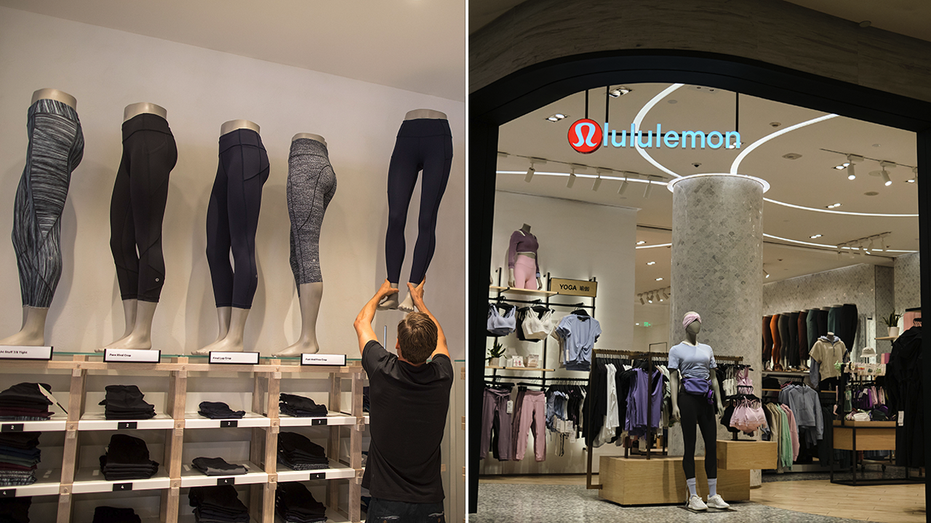
In recent years, global disruptions—from pandemics to geopolitical shifts—have highlighted that a brand’s strength is only as good as its supply chain’s resilience. Lululemon’s sourcing strategy is built on a foundation of diversification, which serves as a defensive moat for its brand reputation.
Diversification to Protect Brand Integrity
Unlike brands that might rely on a single country or a handful of vendors, Lululemon spreads its production across approximately 55 to 60 garment providers. This diversification is a strategic brand move; it ensures that a localized disruption does not lead to empty shelves or “out of stock” messages, which can erode brand loyalty. By maintaining a presence in multiple countries—including China, Vietnam, and Indonesia—Lululemon protects the reliability of its brand experience.
Innovation at the Source: The Vertical Integration of Design
While the sewing happens abroad, the “soul” of the product is vertically integrated. Lululemon’s design team works in tandem with raw material suppliers to create exclusive fabrics. This “upstream” involvement means that the brand owns the intellectual property of the materials before they even reach the factory floor. This level of control is a core component of their brand strategy, ensuring that competitors cannot easily replicate the specific tactile experience of Lululemon apparel, regardless of where they manufacture.
The Impact of Sourcing on Brand Perception and Pricing
The tension between “offshore manufacturing” and “premium branding” is a delicate balance. Lululemon’s ability to command a price point of $100 for a pair of leggings while manufacturing in Southeast Asia is a testament to the power of brand perception and the strategic management of the value chain.
Premium Pricing vs. Outsourced Production
Critics often point to the low cost of labor in manufacturing hubs as a reason to challenge Lululemon’s pricing. However, from a brand strategy perspective, the price reflects the R&D, the proprietary technology, the community-based marketing, and the high-end retail experience. Lululemon has successfully decoupled the “cost of labor” from the “perceived value of the brand.” They sell an aspirational lifestyle and technical superiority, which transcends the geographical origin of the garment.
Sustainability Initiatives and the Future Brand Promise
As the brand looks toward the future, its sourcing strategy is becoming increasingly circular. The introduction of “Lululemon Like New” (their resale program) and investments in sustainable materials like Mylo (a vegan leather made from mushrooms) are the next evolution of the brand. These initiatives are designed to reinforce the brand’s image as a forward-thinking, responsible leader in the apparel industry.
By evolving its manufacturing processes to include recycled nylons and sustainable dyes, Lululemon is answering the “where is it made” question with a more profound “how is it made” answer. This shift is critical for maintaining relevance with Gen Z and Millennial consumers who prioritize environmental impact alongside performance.

Conclusion: The Synergy of Origin and Innovation
Ultimately, the answer to “where is Lululemon made” reveals a complex, global tapestry that is central to the company’s brand strategy. By combining the intellectual and creative horsepower of Vancouver with the specialized manufacturing expertise of Southeast Asia, Lululemon has created a model for the modern premium brand.
The brand’s success demonstrates that in a globalized economy, the physical origin of a product is secondary to the integrity of its design and the values of the company behind it. Through meticulous vendor selection, a commitment to ethical transparency, and a relentless focus on material innovation, Lululemon has ensured that its products carry the same prestige whether they are shipped from a factory in Haiphong or a warehouse in Columbus. For Lululemon, manufacturing is not just a logistical necessity; it is the physical manifestation of a brand promise that continues to lead the global athleisure market.
aViewFromTheCave is a participant in the Amazon Services LLC Associates Program, an affiliate advertising program designed to provide a means for sites to earn advertising fees by advertising and linking to Amazon.com. Amazon, the Amazon logo, AmazonSupply, and the AmazonSupply logo are trademarks of Amazon.com, Inc. or its affiliates. As an Amazon Associate we earn affiliate commissions from qualifying purchases.