
For many consumers, Costco is a weekend destination—a sprawling warehouse filled with bulk goods, rotisserie chickens, and the famous $1.50 hot dog combo. However, for investors, business analysts, and corporate strategists, the true significance of the company lies not in its warehouse aisles, but in its corporate headquarters.
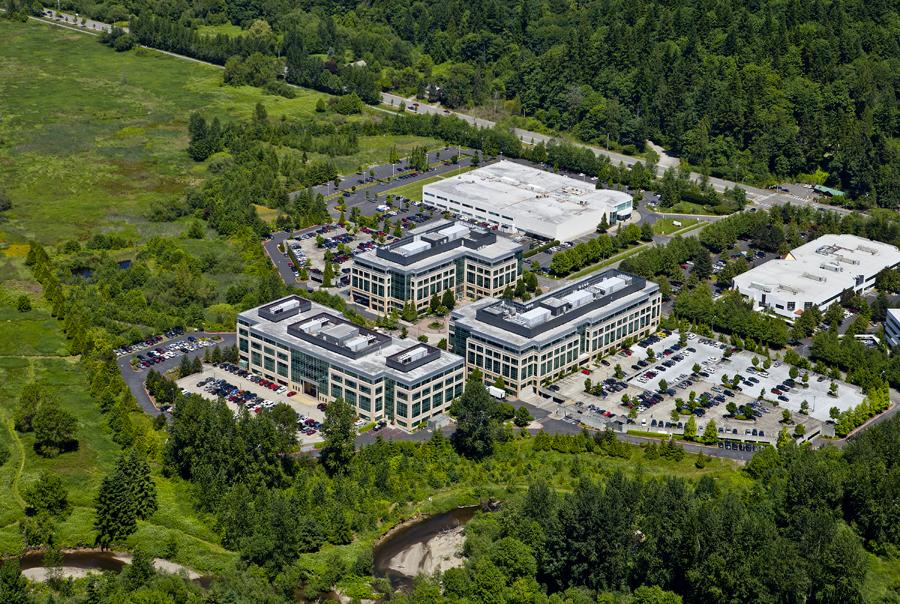
Costco Wholesale Corporation is headquartered at 999 Lake Drive, Issaquah, Washington. Situated just about 15 miles east of Seattle, this corporate campus serves as the strategic brain of a multi-billion-dollar empire. From this location, the company manages one of the most efficient supply chains in the world and dictates a financial model that has revolutionized the retail sector. Understanding the location and the operations within Costco’s headquarters offers a window into the fiscal discipline and brand philosophy that have made the company a staple of the S&P 500.

The Strategic Choice of Issaquah: A Pacific Northwest Powerhouse
The location of a corporate headquarters is rarely an accident. For Costco, being rooted in the Pacific Northwest (PNW) is a fundamental part of its corporate identity and financial strategy. While many retail giants gravitate toward the East Coast or the traditional business hubs of the Midwest, Costco has remained loyal to its Washington roots.
Issaquah, Washington: Why the Pacific Northwest?
Costco’s presence in Issaquah places it in the heart of one of the world’s most vibrant economic corridors. By remaining in the Seattle metropolitan area, Costco shares a backyard with other global titans like Amazon, Microsoft, and Starbucks. This proximity is a significant strategic advantage. It allows Costco to tap into a high-level talent pool of logistics experts, data analysts, and corporate leaders who are accustomed to operating on a global scale.
From a financial perspective, Washington State offers a specific business climate that suits Costco’s long-term growth. While the cost of living is high, the lack of a state personal income tax helps the company attract top-tier executive talent. Furthermore, being near the Port of Seattle and the Port of Tacoma is vital for a company that relies heavily on international shipping to stock its warehouses across the globe.
From Seattle to Issaquah: The Evolution of the Costco Campus
Costco wasn’t always in Issaquah. The company was founded in Seattle in 1983 by James Sinegal and Jeffrey Brotman. As the company grew through its 1993 merger with Price Club, its operational needs expanded exponentially. The move to the Issaquah campus in the mid-1990s represented a transition from a local success story to a global contender.
The headquarters has expanded multiple times to accommodate the company’s massive growth. Recent expansions have added hundreds of thousands of square feet of office space, reflecting the company’s consistent upward trajectory in revenue and market share. This physical expansion is a tangible indicator of Costco’s financial health and its commitment to centralized management.
The Architecture of Efficiency: Reflecting the Bottom Line
In the world of business finance, a company’s headquarters often reflects its corporate values. Where some tech firms might build glass-and-steel monuments to excess, Costco’s Issaquah headquarters is a testament to the “no-frills” philosophy that defines its brand and its balance sheet.
The No-Frills Philosophy: Office Design and Cost Control
If you visit the Costco headquarters, you won’t find the opulence associated with many Fortune 500 companies. The office is functional, professional, and intentionally understated. This is a direct reflection of Costco’s commitment to keeping overhead costs low.
In corporate finance, the “General and Administrative” (G&A) expenses are a key metric for efficiency. Costco’s G&A expenses are among the lowest in the retail industry. By maintaining a modest headquarters and avoiding unnecessary corporate vanity projects, the company ensures that more capital is directed toward keeping prices low for members and increasing dividends for shareholders. This fiscal discipline starts at the top and is embedded in the very walls of 999 Lake Drive.
Centralized Decision-Making and Shareholder Value
The Issaquah headquarters acts as the central nervous system for over 800 warehouses worldwide. Unlike other retailers that may have bloated regional management structures, Costco maintains a lean, centralized decision-making process. Buying decisions, private-label (Kirkland Signature) development, and global logistics are all orchestrated from this single hub.
This centralization allows for incredible economies of scale. When a buyer in Issaquah negotiates a contract for a specific product, they are leveraging the purchasing power of nearly 130 million cardholders. This concentrated bargaining power is what allows Costco to maintain its famously low margins—typically capped at 14-15%—while still generating massive net income.

The Financial Engine: Managing Billions from a Single Hub
To understand why the Issaquah headquarters is so vital, one must look at the sheer scale of the finances managed there. Costco is not just a retailer; it is a membership-based financial engine.
The Membership-First Revenue Stream
The most critical financial operations at the headquarters revolve around the membership model. Unlike traditional retailers that rely solely on product markups for profit, the majority of Costco’s operating income is derived from membership fees.
The teams at the headquarters are responsible for analyzing renewal rates (which consistently hover around 90% in North America) and determining the strategic timing of fee increases. Because membership fees are essentially pure profit with very little overhead, the management of this data at the corporate level is what provides the company with its “margin of safety” during economic downturns.
The Supply Chain Command Center
Logistics is the heartbeat of Costco’s financial success. The Issaquah headquarters houses the teams that manage the “depot” system—a cross-docking logistics model that minimizes the time goods spend in storage. By reducing “touches” on a product, Costco drastically lowers labor and inventory carrying costs.
This efficiency is managed through sophisticated proprietary software and inventory management systems developed and overseen at the headquarters. The ability to turn over inventory faster than the competition means that Costco often sells its goods before it even has to pay its suppliers, creating a highly favorable “cash conversion cycle” that is the envy of the retail world.
Leadership and Global Strategy: Orchestrating International Growth
As Costco continues to expand into markets like China, France, and Iceland, the Issaquah headquarters serves as the launchpad for these international ventures. The executive suite at 999 Lake Drive is tasked with ensuring that the unique Costco culture and financial model translate across borders.
The Executive Suite: Guarding the Corporate Identity
The leadership at Costco is known for its longevity and its adherence to a set of core values: obey the law, take care of our members, take care of our employees, and respect our suppliers. These values aren’t just slogans; they are the foundation of the company’s financial stability.
By treating employees well and paying them significantly above the industry average, the leadership at the headquarters reduces turnover costs—a major “hidden” expense in the retail industry. This strategic human capital management is a key driver of the company’s long-term ROI (Return on Investment).
Strategic Growth: The Future of the Issaquah Hub
Looking ahead, the Issaquah headquarters will continue to play a pivotal role as Costco navigates the shift toward e-commerce and digital integration. While Costco was slower than some competitors to embrace online shopping, the digital strategy being crafted in Washington focuses on “complementary” growth—ensuring that the online experience drives traffic back to the warehouses while capturing high-ticket “white glove” sales.
The continued expansion of the Issaquah campus suggests that despite the rise of remote work, Costco still believes in the power of a centralized physical hub to foster the collaboration and culture necessary for global dominance.
Conclusion: More Than Just an Address
The question of “where is Costco headquarters” is answered geographically by pointing to Issaquah, Washington. However, the financial answer is much deeper. The headquarters is the source of the company’s unmatched operational efficiency, its disciplined cost-control measures, and its membership-driven profit model.
For the business professional or investor, 999 Lake Drive represents a masterclass in how to scale a business without losing sight of the core financial principles that made it successful in the first place. By staying lean, focusing on the long-term, and maintaining a centralized hub of excellence, Costco has turned its Pacific Northwest headquarters into one of the most powerful economic engines in the world of global commerce.
aViewFromTheCave is a participant in the Amazon Services LLC Associates Program, an affiliate advertising program designed to provide a means for sites to earn advertising fees by advertising and linking to Amazon.com. Amazon, the Amazon logo, AmazonSupply, and the AmazonSupply logo are trademarks of Amazon.com, Inc. or its affiliates. As an Amazon Associate we earn affiliate commissions from qualifying purchases.