
For nearly half a century, the name Charles Schwab was synonymous with the financial pulse of San Francisco. However, in a move that signaled a major shift in the American corporate landscape, the brokerage giant officially transitioned its corporate headquarters to Westlake, Texas, on January 1, 2021. This relocation was not merely a change of address; it was a calculated financial maneuver designed to optimize the firm’s operational efficiency, capitalize on favorable tax environments, and accommodate the massive scale resulting from its acquisition of TD Ameritrade.
To understand where Charles Schwab is headquartered today, one must look toward the “Silicon Prairie” of North Texas. The move to Westlake represents a pivotal chapter in the company’s history, reflecting broader trends in the financial services industry where firms are increasingly prioritizing cost-effective environments and centralized hubs for innovation and wealth management.

The Transition from San Francisco to Westlake: A Strategic Pivot
Charles Schwab was founded in San Francisco in 1971, and for decades, its presence at 211 Main Street was a cornerstone of the city’s Financial District. The decision to leave its ancestral home was influenced by several converging factors, primarily the need for a more sustainable business environment that could support a workforce of tens of thousands.
Leaving the Financial District
San Francisco provided the early oxygen for Schwab’s disruptive “discount brokerage” model. However, as the firm evolved into a full-service financial powerhouse with trillions of dollars in assets under management, the high cost of doing business in the Bay Area became a significant hurdle. Rising corporate taxes, expensive commercial real estate, and a high cost of living for employees created a friction that was increasingly difficult to justify to shareholders.
The Rise of Westlake
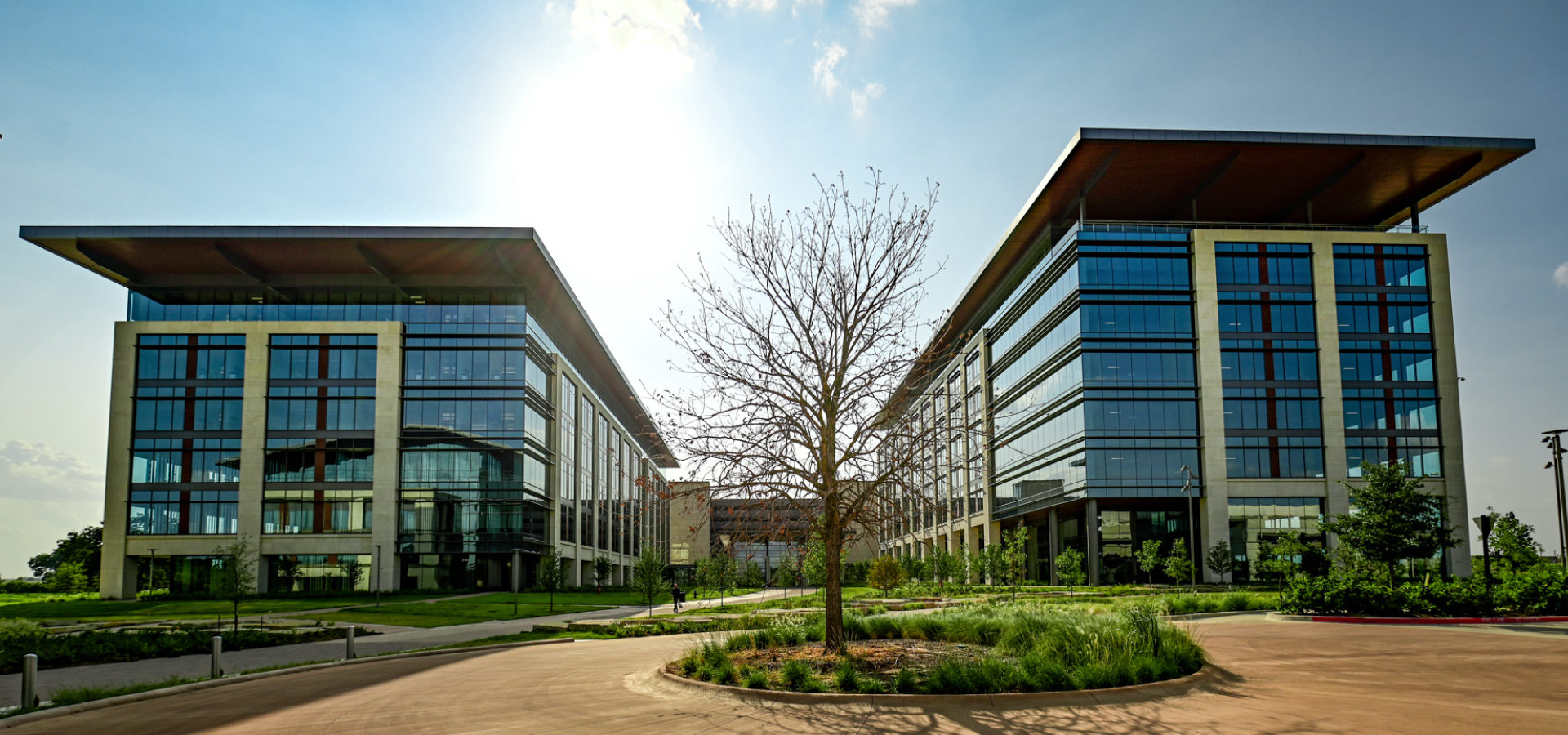
The choice of Westlake, a community located in the Dallas-Fort Worth metroplex, was not accidental. Schwab had already established a significant presence in the area years before the official move. The Westlake campus, situated on a sprawling 70-acre site, offered the physical space necessary for a modern corporate “nerve center.” This location provides the firm with a central time zone, which is logistically advantageous for managing operations across both the Atlantic and Pacific coasts.
The Business Finance of Corporate Relocation
When a corporation of Schwab’s magnitude moves its headquarters, the primary drivers are almost always rooted in the balance sheet. The financial rationale for moving to Texas is multifaceted, touching on tax structures, operational expenses, and talent acquisition strategies.
Tax Incentives and Operational Savings
Texas is renowned for its business-friendly climate, most notably the absence of a state corporate income tax and a personal income tax. For a firm like Charles Schwab, which manages massive payrolls and generates significant corporate revenue, the shift from California’s high-tax environment to the Texas model provides an immediate boost to the bottom line. These savings can be reinvested into technology, platform development, and client services, allowing the firm to remain competitive in a zero-commission trading world.
Furthermore, the cost of commercial real estate in Westlake is substantially lower than in the heart of San Francisco. By owning and operating a massive, state-of-the-art campus rather than leasing expensive high-rise space, Schwab has effectively converted a recurring operational expense into a long-term capital asset.
Human Capital and the Cost of Living
A headquarters is only as effective as the talent it houses. One of the critical financial considerations for the move was the ability to attract and retain employees. The cost of living in the Dallas-Fort Worth area is significantly lower than in the San Francisco Bay Area. For Schwab’s employees, this move often translated to a higher standard of living and the ability to afford housing—a factor that directly impacts employee retention and satisfaction. By locating in a region with a deep pool of financial and tech talent, Schwab has secured its pipeline for future growth without the exorbitant “location premium” required in California.
Integrating the TD Ameritrade Acquisition
The timing of the headquarters move was inextricably linked to one of the largest mergers in the history of the financial services industry: Schwab’s $26 billion acquisition of TD Ameritrade. To successfully merge these two giants, Schwab needed a centralized headquarters that could serve as a unified command center.
Centralizing Post-Merger Operations
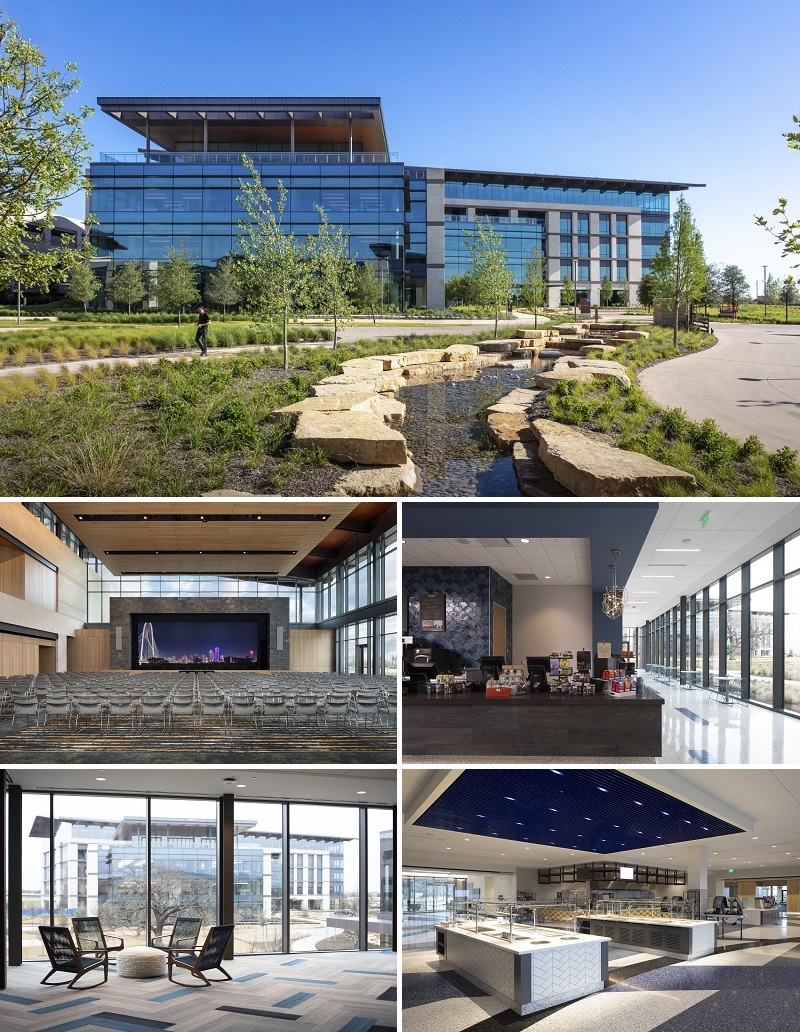
The Westlake headquarters was designed to facilitate the complex integration of systems, data, and personnel from both firms. With the combined entity serving millions of active brokerage accounts, the technological infrastructure required was immense. The Westlake campus was built with this scale in mind, featuring advanced data centers and collaborative spaces designed specifically for large-scale financial engineering and client support operations.
Synergy and Scale
By moving the headquarters during the integration phase, Schwab was able to establish a new corporate culture that wasn’t tied to the legacy offices of either original firm. This “fresh start” in Texas allowed for the streamlining of redundant roles and the creation of a more efficient organizational structure. From a business finance perspective, the synergies realized through this consolidation have been a key driver of the company’s post-merger valuation and market strength.
The Headquarters as a Hub for Wealth Management Innovation
The move to Westlake also signals Schwab’s commitment to evolving beyond a simple brokerage and into a comprehensive wealth management and fintech leader. The physical layout and technological capabilities of the new headquarters are central to this mission.
Investing in Fintech and Digital Tools
While the headquarters provides a physical base, much of Schwab’s growth is driven by its digital platforms. The Westlake facility houses thousands of developers and financial analysts working on the next generation of trading tools, automated investing (Robo-advisors), and cybersecurity protocols. By positioning its headquarters in a burgeoning tech hub like North Texas, Schwab is better positioned to compete with both traditional Wall Street firms and new-age fintech startups.
The Client Experience
For high-net-worth clients and independent financial advisors who use Schwab’s custodial services, the headquarters represents stability and institutional strength. The “Schwab Way” campus is designed to host advisors and institutional partners, serving as a showcase for the firm’s technological prowess and commitment to the future of the industry. It serves as a tangible reminder that while the world of finance is increasingly digital, the infrastructure supporting those trillions of dollars must be robust, modern, and strategically located.
Future Outlook: The Impact on Individual Investors
For the individual investor, the location of a company’s headquarters might seem like a secondary concern, but the financial health and operational efficiency of the firm have direct implications for the services they receive.
Competitive Pricing and Product Innovation
The cost savings realized by the move to Westlake allow Charles Schwab to maintain its position as a low-cost leader in the industry. As profit margins on commissions have evaporated, firms must find other ways to remain profitable. Schwab’s move to a more efficient corporate environment ensures they can continue to offer high-quality research, advanced trading platforms, and low-cost investment products without being burdened by the overhead of a hyper-expensive coastal headquarters.
Long-Term Value Creation
From an investment standpoint, the relocation is a sign of proactive management. Shareholders typically view corporate moves to business-friendly states as a positive indicator of fiscal responsibility. By optimizing its geographic footprint, Schwab has positioned itself to navigate the economic shifts of the next several decades. The move to Texas is not just about where the executives sit; it is about where the company’s future growth is being engineered.
In conclusion, Charles Schwab’s headquarters in Westlake, Texas, is the heartbeat of a modern financial empire. It represents a strategic intersection of business finance, technological innovation, and corporate pragmatism. While San Francisco remains a significant part of the firm’s heritage, Westlake is the foundation upon which its future—and the future of millions of investors—is being built. As the financial services landscape continues to evolve, the move to Texas stands as a masterclass in corporate adaptation and strategic growth.
aViewFromTheCave is a participant in the Amazon Services LLC Associates Program, an affiliate advertising program designed to provide a means for sites to earn advertising fees by advertising and linking to Amazon.com. Amazon, the Amazon logo, AmazonSupply, and the AmazonSupply logo are trademarks of Amazon.com, Inc. or its affiliates. As an Amazon Associate we earn affiliate commissions from qualifying purchases.