
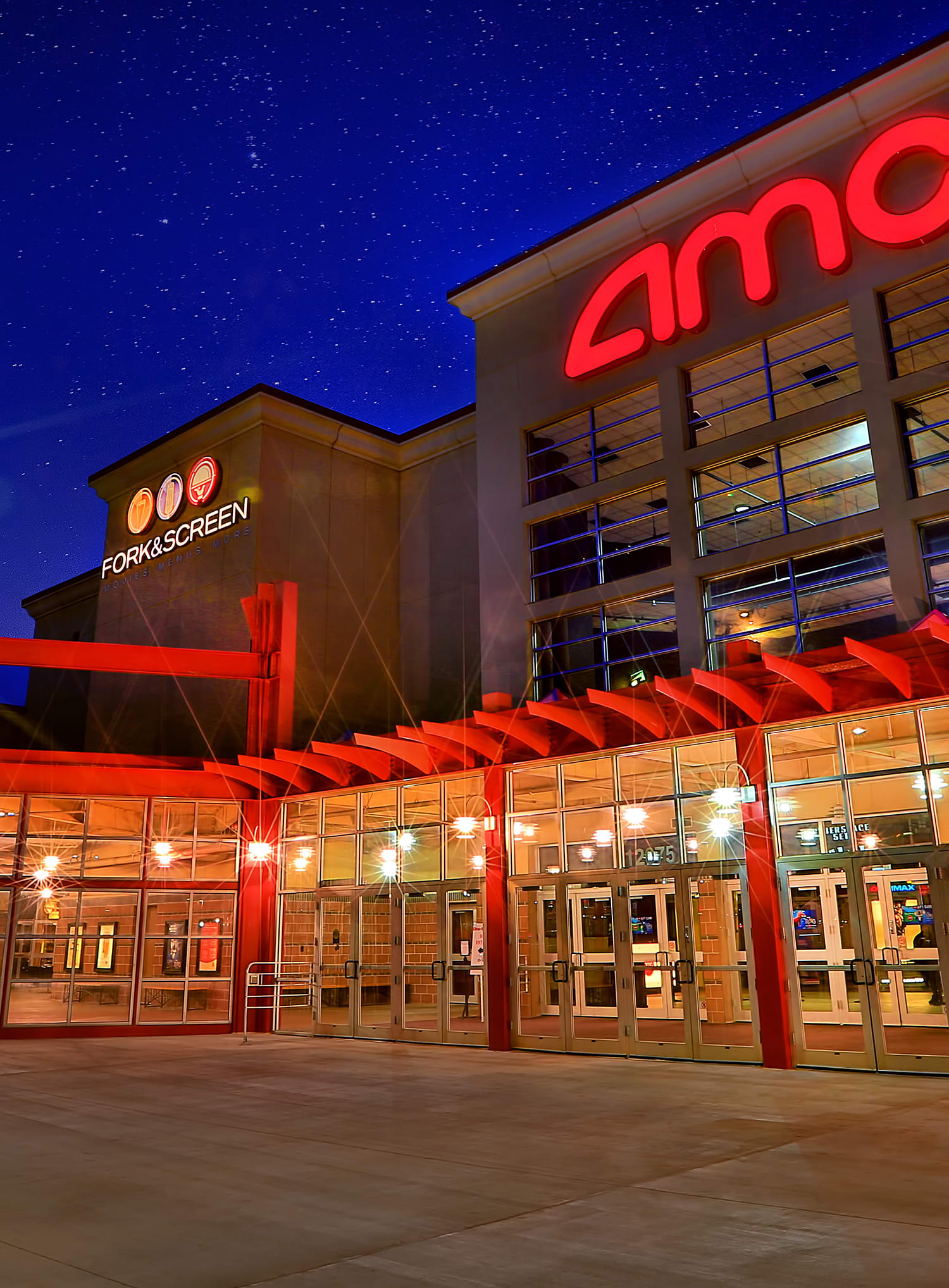
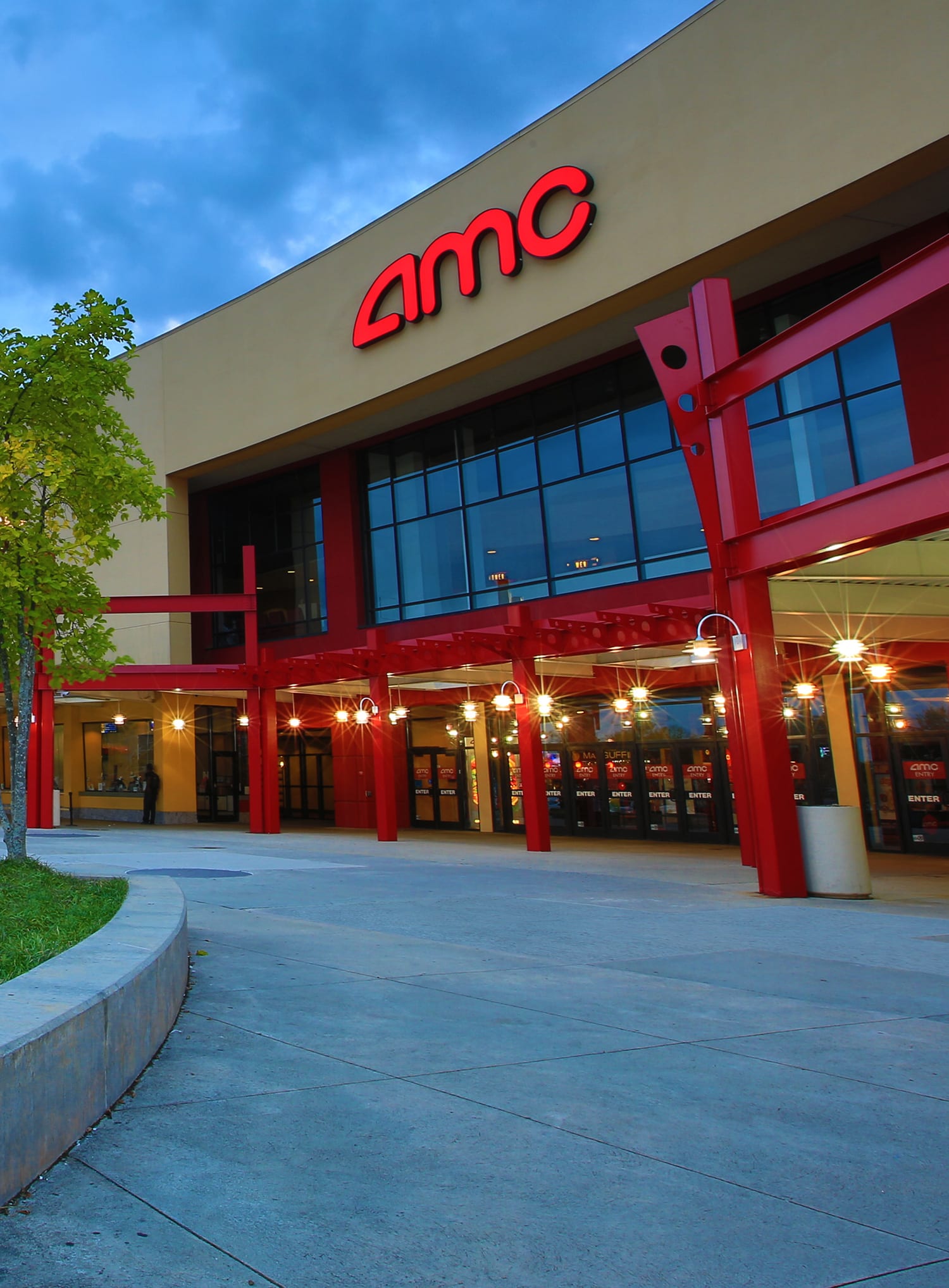
The seemingly simple question, “Where is an AMC theater near me?” encapsulates a profound reliance on modern technology that has become an indispensable part of our daily lives. It’s a query that, on the surface, seeks a geographical answer, but beneath lies a sophisticated ecosystem of software, algorithms, GPS, and user interfaces designed to bridge the gap between intent and discovery. This article delves into the technological marvels that power hyper-local searches, transforming the erstwhile arduous task of finding a specific business into an instantaneous, seamless experience. From the foundational shifts in mapping to the cutting-edge frontiers of AI and augmented reality, we explore how technology not only answers “where” but also enhances “how” we interact with our immediate surroundings, bringing the magic of the silver screen, and indeed any local service, closer than ever before.
The Evolution of Location Search: From Maps to Mobile Apps
The journey from a vague desire to a precise destination has undergone a radical transformation, fueled by decades of technological innovation. Understanding this evolution is key to appreciating the current ease with which we locate a nearby AMC theater or any other establishment.
Pre-Digital Era: The Analog Quest
Before the advent of the internet and mobile technology, finding a specific location was an exercise in patience and often, approximation. Individuals relied on a combination of physical resources and social interaction. A bulky phone book or Yellow Pages might list businesses by category and address, requiring a subsequent consultation of a folded paper map or an atlas to plot a route. Asking locals for directions was a common, albeit unreliable, strategy, often leading to colorful but potentially confusing instructions. This era was characterized by significant friction – the effort required to obtain information was substantial, and real-time accuracy was a luxury unattainable by most. The “near me” concept was purely experiential, bounded by one’s immediate physical perception and limited knowledge.
The Rise of Web-Based Mapping
The late 1990s and early 2000s ushered in the era of digital mapping, a monumental leap forward. Services like MapQuest and later Google Maps began to digitize geographic data, allowing users to search for addresses and generate turn-by-turn directions from their desktop computers. This was a game-changer, replacing cumbersome paper maps with interactive, zoomable interfaces. Businesses started listing their locations online, populating vast databases that search engines could index. For the first time, users could visualize their destination and plan routes with relative ease before leaving their homes. However, the experience was still tethered to a static computer, limiting its utility for spontaneous, on-the-go discovery. Real-time updates for traffic or business hours were either non-existent or manually maintained, leading to occasional inaccuracies.
Mobile Revolution and GPS Integration
The true paradigm shift arrived with the proliferation of smartphones equipped with Global Positioning System (GPS) technology. This fusion of powerful mobile computing with precise satellite-based location tracking rendered the “where is an AMC theater near me?” query truly actionable and instantaneous. With a device in hand that knew its own position within meters, apps could pinpoint a user’s location and intelligently display nearby points of interest. This wasn’t just about finding directions; it was about discovering what was in the immediate vicinity, in real-time. The mobile revolution democratized hyper-local search, transforming it from a planned activity into an impromptu interaction, empowering users to find entertainment, dining, and services on the fly, wherever they might be.
Your Digital Concierge: Apps and Platforms for Finding Entertainment
Today, the answer to “where is an AMC theater near me?” is often delivered through a sophisticated array of applications and digital platforms, each offering a distinct user experience. These tools act as personalized digital concierges, guiding us directly to our desired destinations.
General Mapping & Search Applications
The titans of general mapping apps, primarily Google Maps and Apple Maps, serve as the ubiquitous entry points for most location-based queries. These platforms are far more than just direction providers; they are comprehensive directories of the physical world. For an AMC theater, they provide:
-
Precise Location Data: Pinpointing the exact address and entrance.
-
Operating Hours: Dynamically updated business hours, including special holiday schedules.
-
User Reviews and Ratings: Crowdsourced insights into the theater’s cleanliness, comfort, and service quality.
-
Integrated Directions: Turn-by-turn navigation, often with real-time traffic updates, walking, cycling, and public transport options.
-
Street View and Interior Maps: Offering a virtual peek before arrival, reducing anxiety about an unfamiliar location.
-
Business Details: Phone numbers, website links, and sometimes even amenities like parking availability.
The sophistication of their underlying algorithms allows them to interpret natural language queries like “movie theaters open now near me” and filter results based on context, past behavior, and current conditions.
Dedicated Brand Applications: The AMC Theatres App
While general mapping apps are powerful, dedicated brand applications like the official AMC Theatres app offer a significantly enhanced, brand-centric experience. Brands invest heavily in these apps to provide a seamless customer journey that goes beyond mere location finding. The AMC app, for instance, provides:
-
Integrated Theater Locator: Not only shows nearby AMC locations but filters them by amenities (IMAX, Dolby Cinema, AMC Dine-In) and proximity.
-
Real-time Showtimes & Ticket Purchasing: Users can view current and upcoming showtimes, select seats, and purchase tickets directly within the app, bypassing third-party sites.
-
Personalized Recommendations: Based on viewing history and preferences, the app might suggest new releases or special screenings at nearby theaters.
-
Loyalty Program Integration: Seamless access to AMC Stubs A-List or Premiere benefits, tracking points, and redeeming rewards.
-
Concessions Ordering: At many locations, users can pre-order concessions for pick-up, saving time and avoiding lines.
-
Digital Tickets and Entry: Storing tickets directly in the app for easy scanning upon arrival.
This integrated approach not only makes finding a theater effortless but also streamlines the entire movie-going process, creating a holistic digital experience from discovery to attendance.
Third-Party Aggregators and Entertainment Guides
Beyond dedicated brand apps and general map services, a host of third-party platforms further enrich the discovery landscape. Apps like Fandango specialize in movie ticketing and showtime aggregation, providing a broad overview of all theaters (including AMC) in a given area. Yelp and TripAdvisor, while broader in scope, offer robust search filters and extensive user-generated content, allowing users to find theaters based on specific criteria like “family-friendly” or “best concessions.” These aggregators often pull data from various sources, including brand APIs and user submissions, offering an alternative perspective and comparison options, albeit sometimes with less real-time integration than a dedicated brand app.
Beyond the Pin: Enhancing the User Experience with Technology
The utility of technology in location-based searches extends far beyond simply dropping a pin on a map. Advanced features and underlying technological principles are constantly being refined to make the user experience more precise, personal, and seamless.
Precision and Real-time Data
The accuracy of “near me” searches relies on a sophisticated interplay of positioning technologies. GPS, though foundational, is augmented by Wi-Fi triangulation (using known Wi-Fi networks to pinpoint location indoors or in urban canyons) and cellular tower triangulation. This multi-modal approach ensures accuracy even in challenging environments. Furthermore, real-time data integration is crucial. This includes not just live traffic updates from mapping apps, but also dynamic updates from the theaters themselves regarding showtime changes, special events, or temporary closures. The ability of systems to ingest, process, and present this ephemeral information almost instantaneously is a testament to advanced data infrastructure and network capabilities.
Personalization and Predictive Search
Artificial intelligence (AI) and machine learning (ML) are increasingly tailoring location searches to individual preferences. When you search for an “AMC theater near me,” the results might be subtly influenced by your past movie-going habits, preferred genres, or even the time of day. AI analyzes vast datasets of user behavior, historical searches, and contextual information (like your calendar appointments or current weather) to offer more relevant suggestions. For instance, if you frequently attend IMAX showings, the app might prioritize AMC locations with IMAX theaters. This predictive capability aims to anticipate your needs before you explicitly state them, making the search process feel more intuitive and less like a manual data entry task. However, this personalization also raises important discussions around data privacy and the ethical use of personal information.
Accessibility and Inclusive Design
Technology plays a vital role in ensuring that location discovery is accessible to all users. Well-designed applications incorporate features that cater to diverse needs:
-
Voice Search: Enabling users to simply ask “find an AMC theater near me” without typing.
-
Screen Readers: Compatibility with assistive technologies that read aloud on-screen text for visually impaired users.
-
Accessibility Filters: Allowing users to search specifically for theaters with wheelchair access, assistive listening devices, or sensory-friendly screenings.
-
High-Contrast Modes and Adjustable Text Sizes: Improving readability for users with visual impairments.
These inclusive design principles ensure that the benefits of technological advancement are shared broadly, empowering everyone to independently discover and access entertainment.
The Future of Proximity Search: AI, AR, and Personalized Discovery
The current state of hyper-local search, while advanced, is merely a precursor to an even more immersive, intuitive, and predictive future. Emerging technologies are set to redefine how we ask “where is an AMC theater near me.”
Voice Assistants and Conversational AI
The proliferation of voice assistants like Siri, Google Assistant, and Amazon Alexa is already transforming how we interact with technology. Instead of typing, users can simply articulate their query: “Hey Google, where’s an AMC theater showing the new Marvel movie near me?” Conversational AI’s ability to understand natural language, interpret context, and deliver concise, relevant answers will make location discovery even more frictionless. This integration into smart home devices, automotive infotainment systems, and wearable tech means finding an AMC could be as simple as speaking to your car or smartwatch, receiving directions and showtimes hands-free.
Augmented Reality (AR) Overlays
Augmented Reality holds immense potential for visual and immersive location discovery. Imagine holding up your smartphone while walking down a city street, and the screen overlays digital information onto the real-world view: an AMC logo appearing above a distant building, complete with a floating icon showing current showtimes and a directional arrow. AR could allow users to literally “see” nearby theaters, explore their interiors virtually, and even navigate through a crowded mall to their cinema screen by following digital breadcrumbs. This visual, context-aware layer would transform abstract map data into an intuitive, real-world experience.
Hyper-Personalized and Proactive Recommendations
Leveraging advanced AI and machine learning, future systems could move beyond reactive search to proactive recommendation. Imagine your digital assistant, knowing your schedule, movie preferences, and current location, subtly suggesting: “Based on your calendar, you have a free evening. A new action movie you’d enjoy is playing at the AMC theater 15 minutes from your current location. Would you like to see showtimes?” This level of hyper-personalization, driven by continuous learning from your digital footprint, could anticipate your needs before you even realize them, making serendipitous discovery a common occurrence. This future, however, necessitates ongoing discussions about data ownership, privacy, and the balance between convenience and ubiquitous digital surveillance.
Optimizing Your Search: Tips and Best Practices for Finding What You Need
While technology streamlines location discovery, a few best practices can further enhance your search for an AMC theater or any other point of interest.
Utilize Specific Keywords and Filters
Beyond a generic “AMC near me,” refine your search with specific keywords. If you’re looking for a premium experience, try “AMC IMAX near me” or “AMC Dolby Cinema [City Name].” If you have a specific time in mind, add “AMC [City Name] showtimes [time].” Most apps offer filters for amenities (e.g., recliner seats, Dine-In options), helping you narrow down choices quickly.
Keep Your Apps Updated and Location Services Enabled
Ensure your mapping apps and the AMC Theatres app are always updated to their latest versions. Developers constantly push out improvements for accuracy, new features, and bug fixes. Crucially, allow these apps access to your device’s location services. While privacy settings allow you to control when apps can access your location (e.g., “only while using the app”), enabling this feature is fundamental for accurate “near me” results.
Check Multiple Sources for Confirmation
While highly reliable, no single digital source is infallible. For critical plans, especially concerning showtimes or special events, it’s wise to cross-reference information. Check the official AMC Theatres app or website against a general mapping app like Google Maps. Review user comments or recent business updates, as these can sometimes flag temporary issues not yet reflected in official data.
Understand Privacy Settings
As technology becomes more deeply integrated into our lives, understanding and managing your privacy settings is paramount. Be aware of what location data is being shared with apps and how it’s being used. Most operating systems and apps offer granular controls allowing you to limit data collection, helping you strike a balance between convenience and personal privacy.

Conclusion
The simple query, “Where is an AMC theater near me?”, serves as a microcosm for the incredible advancements in location technology that have reshaped our interaction with the physical world. From the laborious days of paper maps to the instantaneous, personalized, and predictive capabilities of modern smartphones and AI, technology has systematically dismantled barriers to discovery. It has transformed a geographical challenge into a seamless digital interaction, empowering us to find entertainment, services, and connections with unprecedented ease. As we look towards a future enriched by conversational AI, augmented reality, and even more sophisticated predictive algorithms, the act of finding “what’s near me” will continue to evolve, becoming an even more integrated and intuitive part of our daily digital lives, ultimately bringing the big screen experience, and countless other necessities and luxuries, right to our fingertips.
aViewFromTheCave is a participant in the Amazon Services LLC Associates Program, an affiliate advertising program designed to provide a means for sites to earn advertising fees by advertising and linking to Amazon.com. Amazon, the Amazon logo, AmazonSupply, and the AmazonSupply logo are trademarks of Amazon.com, Inc. or its affiliates. As an Amazon Associate we earn affiliate commissions from qualifying purchases.