
In the modern retail landscape, a brand’s identity is no longer defined solely by its logo or its marketing campaigns. For a powerhouse like American Eagle Outfitters (AEO), the “Brand” is a complex ecosystem that encompasses ethical sourcing, supply chain transparency, and global logistics. As consumers, particularly the socially conscious Gen Z demographic, become more inquisitive about the origins of their apparel, the question “Where is American Eagle clothing made?” becomes a pivotal point of brand strategy. Understanding the geography of AEO’s manufacturing is not just a lesson in logistics; it is an exploration of how a multi-billion dollar corporate identity balances cost, quality, and corporate social responsibility (CSR) in a globalized economy.

The Architecture of a Global Fashion Brand
American Eagle Outfitters does not rely on a single factory or even a single country to produce its vast array of denim, loungewear, and accessories. Instead, the brand utilizes a diversified global network of third-party manufacturers. This diversification is a strategic pillar of their brand management, allowing them to mitigate risks ranging from geopolitical instability to regional climate events.
Diversification as a Brand Safeguard
From a brand strategy perspective, over-reliance on one region is a liability. American Eagle has spent decades refining a sourcing strategy that spans several continents. By spreading production across various hubs, the brand ensures a steady flow of inventory regardless of local disruptions. This agility is what allows AEO to maintain its “always-in-stock” brand promise, which is critical for maintaining customer loyalty in the fast-paced world of retail. When a specific region faces labor strikes or shipping delays, the brand’s diversified portfolio allows it to shift production volumes to other partners, protecting the customer experience from the friction of backorders.
Key Manufacturing Hubs: Southeast Asia and Beyond
While American Eagle is a quintessential American brand by name and design aesthetic, the vast majority of its physical products are manufactured in Asia and Central America. The primary hubs include:
-
Vietnam: A major player in AEO’s production, particularly for technical fabrics and complex stitching found in their activewear and Aerie lines. Vietnam offers a sophisticated manufacturing infrastructure that aligns with AEO’s quality standards.
-
China: Historically the largest sourcing partner, China remains a significant contributor to AEO’s supply chain, though the brand has strategically reduced its footprint there in recent years to de-risk its operations amidst trade tensions and rising labor costs.
-
India and Bangladesh: These regions are fundamental to the brand’s denim and cotton-heavy products. The expertise in textile weaving and high-volume garment assembly makes these countries indispensable for the “American Eagle Jeans” identity.
-
Central America and Mexico: To support their “near-shoring” goals, AEO utilizes factories in countries like Guatemala and Mexico. This proximity to the North American market reduces shipping times and allows the brand to react more quickly to fast-changing fashion trends.
Supply Chain Transparency and Brand Trust
In the contemporary market, transparency is a form of brand currency. For American Eagle, disclosing where and how their clothes are made is not just a legal requirement but a strategic move to build trust with their core audience. The “Aerie Real” and “Real Power” campaigns have positioned the company as an advocate for authenticity and inclusivity. To maintain this brand image, the physical reality of their manufacturing must align with their marketing rhetoric.
The Rise of Ethical Consumerism
The modern shopper views their purchase as a vote for a brand’s values. If a brand claims to support “the real you” but manufactures in facilities with poor labor standards, the resulting “brand dissonance” can be catastrophic. American Eagle has recognized this shift and integrated its manufacturing origins into its larger CSR narrative. By publishing annual sustainability reports and maintaining a public list of Tier 1 factories, the brand signals to investors and consumers alike that it is committed to accountability. This transparency helps insulate the brand from the “fast fashion” stigma, positioning AEO as a more responsible middle-ground alternative to ultra-fast fashion giants.
AEO’s “Real” Ethics and Sustainability Standards
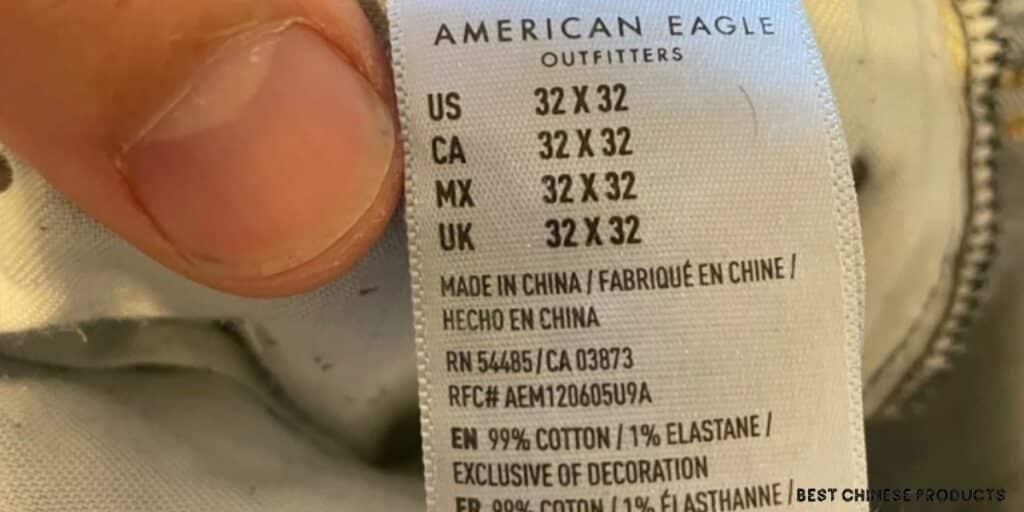
The brand’s identity is heavily invested in the “Planet” pillar of its ESG (Environmental, Social, and Governance) goals. AEO has set ambitious targets for carbon neutrality and water reduction, particularly in the production of denim, which is notoriously water-intensive. By partnering with factories that utilize recycled water systems and sustainable dyes, American Eagle transforms the “Made In” tag from a simple origin label into a testament to the brand’s environmental stewardship. This level of commitment is a powerful marketing tool, as it allows the brand to justify its price points and maintain a premium position relative to budget retailers.
Balancing Profitability with Corporate Identity
At the intersection of brand and business lies the eternal struggle: balancing the cost of production with the integrity of the product. American Eagle’s decision on where to manufacture is a calculated move to optimize this balance. Every “Made in [Country]” label represents a trade-off between labor costs, shipping logistics, and quality control.
Cost Efficiency vs. Brand Integrity
Manufacturing in Southeast Asia and South Asia allows American Eagle to keep its price points accessible—a core component of its brand identity as a high-school and college staple. However, low cost cannot come at the expense of quality. American Eagle’s reputation is built on the durability and fit of its denim. If the brand moved production to the lowest-cost provider without regard for skill, the resulting drop in quality would erode the brand equity built over decades. Therefore, the brand invests heavily in quality assurance teams that reside in-country at their major manufacturing hubs to ensure that every pair of jeans meets the “AE standard,” regardless of where it was sewn.
Vertical Integration and Logistics Strategy
While AEO does not own the factories where its clothes are made, it has moved toward a more integrated logistics model. The acquisition of logistics startups like AirTerra and Quiet Platforms has transformed how the brand moves its goods from global factories to the consumer’s doorstep. This move was a masterclass in brand-building through operational excellence. By controlling the “middle mile” and “last mile” of the supply chain, American Eagle can offer faster delivery times and more reliable tracking, which are essential components of the modern brand experience. The logistics strategy supports the manufacturing strategy; it doesn’t matter where the clothing is made if the brand can’t get it to the customer efficiently.
The Impact of “Made In” on Modern Brand Equity
The perception of a brand is often subconsciously tied to the origin of its products. While the “Made in USA” label remains a powerful symbol of quality and patriotism, the reality of global retail makes it nearly impossible for a brand of American Eagle’s scale to manufacture domestically at its current price points. Instead, AEO has redefined what an “American” brand looks like in a global context.
Navigating Geopolitical Risks
A brand’s identity can be significantly impacted by the geopolitical climate of its manufacturing hubs. For example, brands that rely heavily on regions experiencing political unrest or human rights controversies often face consumer boycotts and PR crises. American Eagle’s strategy involves a constant “stress testing” of its supply chain. By being proactive rather than reactive—such as moving production out of high-risk areas before issues become mainstream news—the brand protects its reputation from being tarnished by association. This foresight is a key element of their brand management, ensuring that the “American Eagle” name remains associated with positive, youthful energy rather than global controversy.

The Future of Near-Shoring for American Eagle
Looking ahead, the “Brand” of American Eagle is likely to lean more into near-shoring. As shipping costs fluctuate and the demand for “instant fashion” grows, moving production closer to North America (to places like Mexico and Central America) offers a strategic advantage. Near-shoring reduces the carbon footprint associated with long-haul ocean freight, directly supporting the brand’s sustainability claims. Furthermore, it allows for smaller, more frequent production runs, reducing the waste of unsold inventory.
In conclusion, the question of where American Eagle clothing is made is answered by a complex map of global partnerships. But more importantly, the why behind these locations reveals the brand’s core strategy. Every factory choice is a reflection of AEO’s commitment to balancing the “Real” brand promise with the realities of global commerce. By prioritizing transparency, ethical sourcing, and logistical agility, American Eagle ensures that its brand identity remains as durable as its denim, regardless of which corner of the globe the products originate from. The “Made In” label is not just a geographic marker; it is a vital chapter in the story of a brand that continues to lead the retail industry through strategic evolution.
aViewFromTheCave is a participant in the Amazon Services LLC Associates Program, an affiliate advertising program designed to provide a means for sites to earn advertising fees by advertising and linking to Amazon.com. Amazon, the Amazon logo, AmazonSupply, and the AmazonSupply logo are trademarks of Amazon.com, Inc. or its affiliates. As an Amazon Associate we earn affiliate commissions from qualifying purchases.