
In the modern retail landscape, a brand is no longer defined solely by its logo or its marketing campaigns. For contemporary consumers—particularly the Gen Z and Millennial demographics that anchor American Eagle Outfitters (AEO) — the brand identity is inextricably linked to the supply chain. The question of “where is American Eagle clothes made” is not merely a logistical inquiry; it is a request for transparency, a test of corporate ethics, and a critical component of the brand’s value proposition.
To understand where American Eagle produces its apparel is to understand the complex architecture of a global lifestyle brand. American Eagle does not own the factories that produce its clothing. Instead, it utilizes a sophisticated network of third-party vendors across more than 20 countries. This strategy allows the brand to remain agile, cost-competitive, and specialized, but it also places a heavy burden on the brand’s identity to maintain oversight and ethical consistency across borders.

The Global Manufacturing Footprint: A Strategic Overview
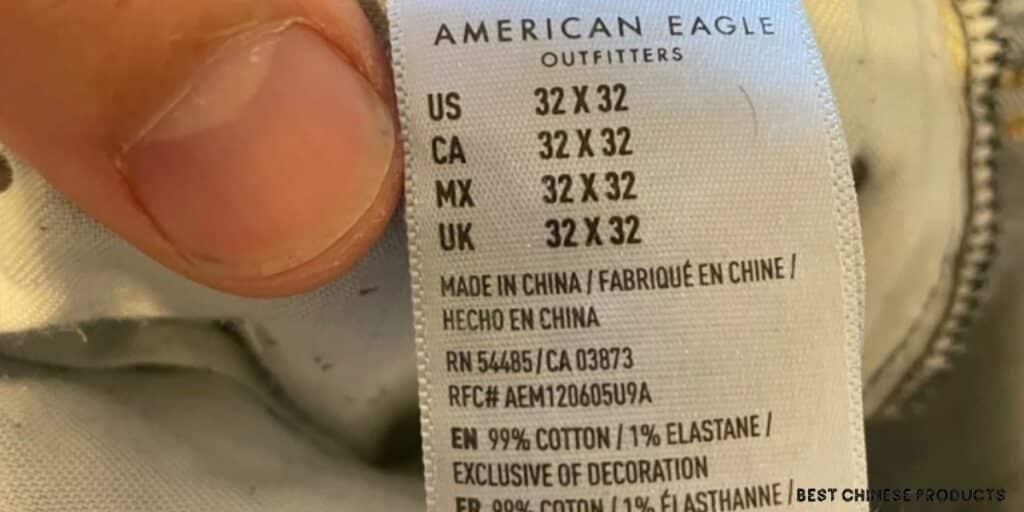
American Eagle’s manufacturing strategy is a masterclass in global diversification. By spreading production across various regions, the brand mitigates geopolitical risks and leverages the unique textile strengths of different nations. While the labels on American Eagle garments frequently cite countries like Vietnam, China, and India, the selection of these locations is a calculated branding and business decision.
The Southeast Asian Powerhouse: Vietnam and Cambodia
Vietnam has emerged as a primary hub for American Eagle, particularly for its core product offerings such as denim and high-performance knits. From a brand strategy perspective, Vietnam offers a balance of skilled labor and advanced manufacturing technology. The focus here is on quality consistency, which is vital for a brand that markets itself on the longevity and “fit” of its jeans. Cambodia follows a similar trajectory, providing the scale necessary for the brand’s high-volume seasonal rotations.
The Indian Subcontinent: Cotton and Craft
India and Bangladesh play a pivotal role in the production of American Eagle’s cotton-based products. As one of the world’s largest cotton producers, India provides a vertical advantage where raw materials and manufacturing are geographically aligned. For American Eagle, sourcing from this region is about cost-efficiency and tapping into a deep-rooted expertise in woven fabrics. However, this region also presents the highest stakes for brand reputation, requiring rigorous oversight to ensure labor standards align with the brand’s “Real” ethos.
China: Technical Complexity and Innovation
Despite the global trend of “de-risking” from China, it remains an essential part of the American Eagle supply chain. China’s infrastructure for synthetic fibers, intricate embellishments, and complex outerwear is currently unmatched. For American Eagle, China is less about basic t-shirts and more about the technical execution of fashion-forward pieces that require specific machinery and a highly organized logistics network.
Supply Chain Transparency as a Brand Asset
In the past, clothing brands guarded their supplier lists like trade secrets. Today, transparency is a marketing necessity. American Eagle has transitioned its supply chain from a back-end operation to a front-facing brand asset. By being vocal about where and how their clothes are made, they build a bridge of trust with a consumer base that is increasingly skeptical of “fast fashion” obscurities.
The Shift Toward Public Disclosure
AEO Inc. has made significant strides in transparency by publishing a comprehensive list of its Tier 1 factories. This move is a strategic play in corporate identity. By disclosing the locations of their factories in countries like Sri Lanka, Indonesia, and Mexico, American Eagle signals to the market that it has nothing to hide. This transparency serves as a shield against the reputational risks that plague the apparel industry, such as modern slavery or unsafe working conditions.
The Role of Audits and Compliance
Manufacturing in developing nations carries inherent brand risks. To protect the brand equity, American Eagle employs a rigorous compliance framework. This involves third-party audits and adherence to the Better Work program—a collaboration between the UN’s International Labour Organization (ILO) and the International Finance Corporation (IFC). From a branding perspective, these certifications are “trust marks.” They allow the brand to tell a story of “Responsible Sourcing,” which is a key pillar of their corporate social responsibility (CSR) strategy.
The Intersection of “Aerie Real” and Ethical Production
Perhaps the most significant development in American Eagle’s brand evolution is the rise of Aerie. The “Aerie Real” campaign, which focuses on body positivity and unretouched imagery, has become a benchmark for authentic branding. However, a brand cannot claim authenticity in its marketing if its manufacturing processes are opaque or unethical.
Aligning Marketing with Manufacturing
The success of Aerie has forced the parent company to align its manufacturing reality with its inclusive marketing. If the brand promotes empowerment and “the real you,” it must ensure that the women working in its garment factories—who make up the vast majority of the workforce—are treated with dignity. This alignment is crucial for brand integrity. When American Eagle invests in female empowerment programs within their factories in India or Vietnam, they are not just performing a CSR task; they are reinforcing the core message of the Aerie brand.
The Impact of Nearshoring on Brand Agility
While the majority of production occurs in Asia, American Eagle has strategically utilized nearshoring in countries like Mexico and Central America. This is a brand strategy designed for speed. By producing closer to the North American market, the brand can react to viral trends in real-time. In the age of TikTok-driven fashion cycles, the ability to get a product from a design studio to a store shelf in weeks rather than months is a competitive advantage that defines the brand’s relevance.
Sustainability and the Future of the American Eagle Identity
As the conversation around “where” clothes are made evolves, it is increasingly including the question of “how” they are made. Environmental impact is now a core component of brand value. American Eagle has recognized that to maintain its market share, it must evolve from a traditional retailer to a sustainable brand leader.
The “Water<Less” Initiative
Denim is the heart of the American Eagle brand, but it is also one of the most resource-intensive products to manufacture. To combat the negative environmental associations with denim production, AE introduced the “Water<Less” program. By sourcing from factories that utilize recycled water and innovative ozone bleaching processes, the brand has significantly reduced its environmental footprint. This is a strategic branding move that appeals to the eco-conscious consumer without sacrificing the distressed aesthetic that the brand is known for.
Planet First and Circularity
The brand’s “Planet First” goals include a commitment to be carbon neutral by 2030 and to source 100% sustainable cotton and recycled polyester. These are not just environmental targets; they are brand promises. By integrating these goals into their manufacturing narrative, American Eagle is positioning itself against the disposable nature of ultra-fast fashion competitors. They are betting on the idea that the “Real” brand identity must include a real commitment to the planet.

Conclusion: The Brand is the Supply Chain
The answer to “where is American Eagle clothes made” is a map that spans the globe, but the strategy behind that map is concentrated on one goal: building a resilient, transparent, and ethical brand identity. American Eagle’s reliance on a diverse international supplier base allows it to offer variety and value, while its increasing focus on transparency and sustainability ensures that its brand reputation remains intact in a socially conscious market.
In the modern era, the factory floor is the foundation of the brand’s story. For American Eagle, manufacturing is no longer a hidden cost of doing business; it is a visible declaration of the brand’s values. By navigating the complexities of global logistics with a focus on ethical compliance and environmental stewardship, American Eagle continues to reinforce its position as a leading lifestyle brand that understands that where a garment is made is just as important as the label stitched inside it. Through this lens, the supply chain becomes the most authentic expression of the brand itself.
aViewFromTheCave is a participant in the Amazon Services LLC Associates Program, an affiliate advertising program designed to provide a means for sites to earn advertising fees by advertising and linking to Amazon.com. Amazon, the Amazon logo, AmazonSupply, and the AmazonSupply logo are trademarks of Amazon.com, Inc. or its affiliates. As an Amazon Associate we earn affiliate commissions from qualifying purchases.