
In the hyper-competitive world of commercial aviation, the question “where is American Airlines based?” yields an answer that is as much about corporate identity as it is about geography. While the technical answer is Fort Worth, Texas, the brand’s footprint is far more expansive. For American Airlines (AA), its “bases”—or hubs—are the pillars upon which its brand strategy is built. They are not merely transit points; they are the physical manifestations of the airline’s promise to connect the world.
To understand where American Airlines is based is to understand the “Hub-and-Spoke” model, a brand strategy that emphasizes central dominance to ensure global reach. By examining the airline’s headquarters and its primary hubs, we can see how geographic positioning dictates its marketing, customer perception, and corporate legacy.
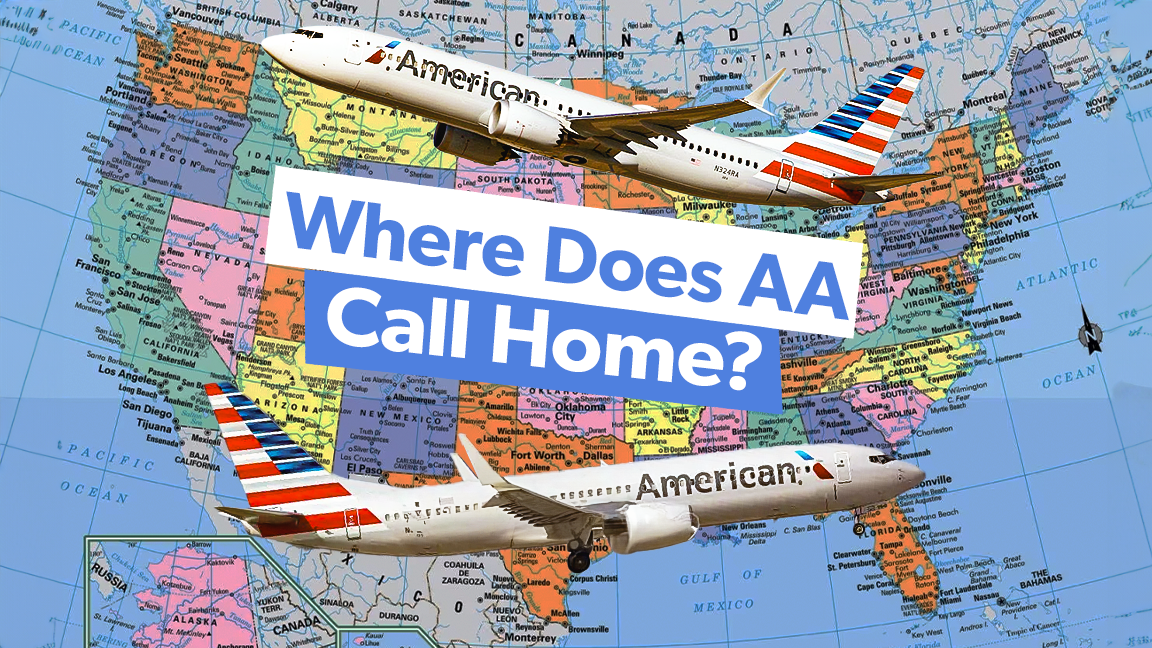
The Fortress Hub Strategy: Constructing a Corporate Identity
The cornerstone of American Airlines’ brand is its “fortress hub” strategy. This approach involves dominating a specific geographic region to the point where the brand becomes synonymous with travel in that area. This strategy does more than optimize flight paths; it creates a powerful psychological association between the airline and the community it serves.
Dallas-Fort Worth (DFW) as the Brand Epicenter
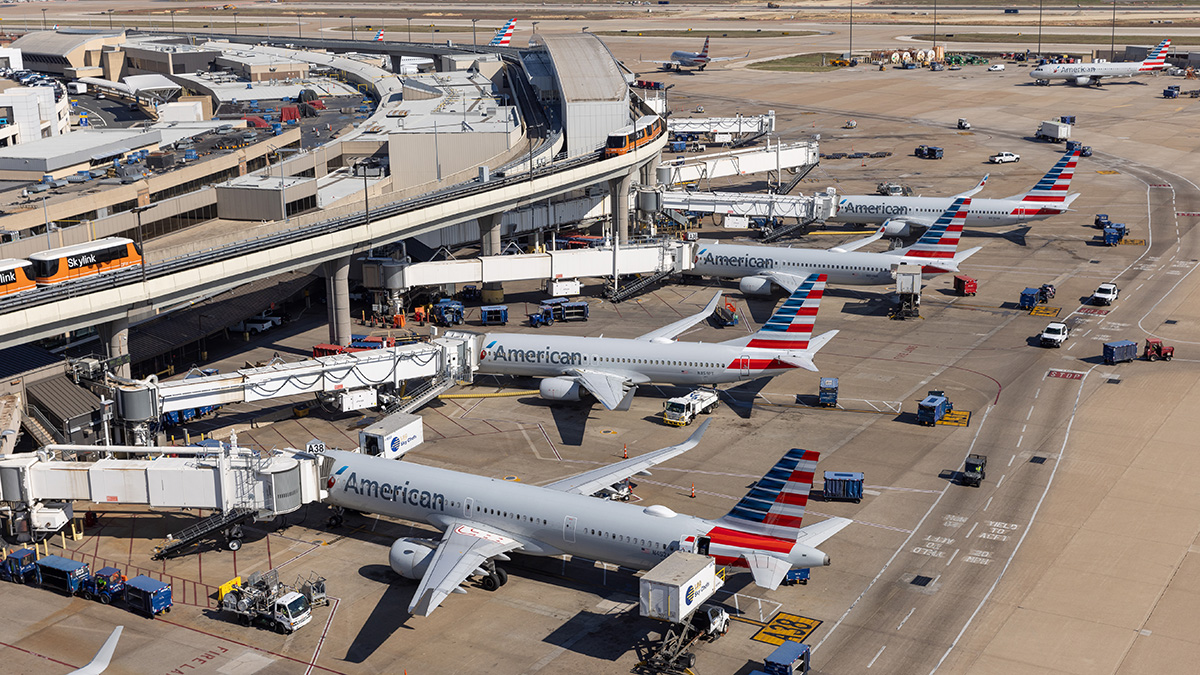
American Airlines is headquartered at the Robert L. Crandall Campus in Fort Worth, adjacent to the Dallas-Fort Worth International Airport. DFW is more than just a base; it is the heartbeat of the brand. As the largest hub in the American Airlines network, DFW serves as the primary gateway for the central United States.
From a brand perspective, DFW represents “The Power of Scale.” By operating hundreds of daily flights from this single location, American Airlines positions itself as the ultimate provider of convenience and reliability. When a brand controls over 80% of the gate space at one of the world’s busiest airports, its identity becomes one of strength and omnipresence. For the traveler, the AA logo is not just a tail fin; it is the default choice for movement.
The Psychology of “The World’s Largest Airline”
For years, American Airlines has leveraged its massive base operations to market itself as the “world’s largest airline” (a title it often contests with Delta and United depending on the metric). This branding is deeply rooted in its physical presence. By maintaining its primary base in the “Sun Belt”—an area of massive economic and population growth—American Airlines aligns its brand with American progress and expansion. The Texas-based headquarters offers a brand narrative of “Everything is Bigger,” reinforcing a corporate identity centered on ambition and vastness.
Strategic Regional Bases: Tailoring Brand Presence Across the Globe
While Fort Worth is the brain of the operation, American Airlines utilizes several other strategic bases to curate specific brand sub-identities. Each hub allows the airline to speak to a different demographic and serve a unique market need, ensuring the brand remains versatile.
Charlotte and the East Coast Connectivity
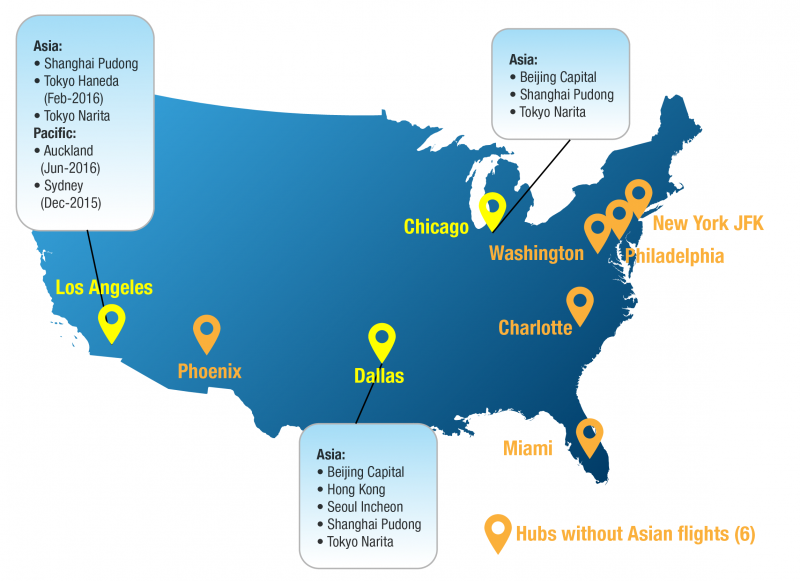
The acquisition of US Airways brought Charlotte Douglas International Airport (CLT) into the American Airlines fold. This base is essential to AA’s brand promise of efficiency. Charlotte serves as a high-frequency connection point for the East Coast, allowing American to brand itself as the premier “commuter” choice for business travelers in the mid-Atlantic and Southeast. The brand here is focused on connectivity—getting people from small-town America to global centers with minimal friction.
Miami as the Gateway to Latin America
Perhaps the most distinct brand identity within the AA network is found in Miami (MIA). Miami is American Airlines’ primary gateway to Latin America and the Caribbean. Here, the brand sheds some of its “domestic corporate” feel and adopts a more international, “Gateway to the World” persona.
By basing a massive portion of its international operations in Miami, American Airlines has become the preferred brand for North-South American trade and tourism. This strategic base allows the airline to market itself to a Spanish-speaking demographic and establish a cultural brand presence that its competitors struggle to match. In Miami, the American Airlines brand stands for cultural bridge-building.
Philadelphia and New York: The Transatlantic Identity
In the Northeast, American Airlines utilizes Philadelphia (PHL) and New York (JFK/LGA) to anchor its transatlantic brand. These bases are the launchpads for the airline’s premium services to Europe. By maintaining a significant presence in these financial and cultural hubs, AA reinforces its brand as a global player. The focus here is on the “Premium Experience”—Admirals Clubs, flagship lounges, and high-end international seating. The brand message is clear: American Airlines is the sophisticated choice for the global elite.
Modernizing the Legacy: Branding Through Infrastructure and Experience
A brand is not just where you fly; it is how you feel when you are there. American Airlines has invested billions into its physical bases to ensure that the environment reflects its modern corporate identity.
The Skyview Campus: A Physical Manifestation of Brand Culture
In 2019, American Airlines opened its new “Skyview” headquarters in Fort Worth. This 300-acre campus was a deliberate rebranding move. Moving away from siloed office buildings, the new base emphasizes collaboration, wellness, and transparency.
From a corporate branding standpoint, the Skyview campus tells a story of a “New American.” It features open-plan offices, fitness centers, and social spaces designed to attract top-tier tech and aviation talent. The base itself serves as a recruitment tool, signaling that the airline is no longer a “legacy” carrier stuck in the 20th century, but a forward-thinking tech-and-logistics giant.
Admirals Clubs and the Luxury Brand Tier
The “base” experience extends to the terminal. American Airlines uses its hubs to showcase its premium brand through Admirals Clubs and Flagship Lounges. These physical spaces are critical touchpoints for the brand’s most loyal customers. By investing in high-end design, curated dining, and exclusive amenities within its bases, American Airlines elevates its brand from a commodity service to a lifestyle choice. The lounges at DFW and JFK, for instance, are designed to make the airport feel like a private club, reinforcing a brand identity of exclusivity and prestige.
Challenges and Evolution: Maintaining Brand Consistency in a Multi-Base System
Operating out of multiple major bases presents a significant branding challenge: consistency. When a brand is “based” in ten different major cities, ensuring the customer experience is the same in Los Angeles (LAX) as it is in Phoenix (PHX) is a monumental task.
Operational Resilience as a Brand Promise
In the airline industry, the brand is often judged by its worst day—delays, cancellations, and lost luggage. American Airlines’ strategy of having multiple bases is a form of brand insurance. If weather shuts down Chicago (ORD), the airline can reroute traffic through DFW or CLT.
This “Operational Resilience” is a core, if often invisible, part of the brand. By being based everywhere, the airline promises that it can handle anything. However, the complexity of this multi-base system can also lead to brand dilution. If a passenger has a poor experience at a secondary hub, it reflects on the entire global brand. Therefore, AA’s management focuses heavily on “standardizing the hub experience” to ensure the brand remains cohesive.
Sustainability and the Future Brand Narrative
As the conversation around aviation shifts toward environmental impact, American Airlines is using its bases as testing grounds for “Green Branding.” From investing in sustainable aviation fuel (SAF) at its California bases to implementing electric ground support equipment at DFW, the physical locations are where the airline proves its commitment to the future.
The “base” of the future for American Airlines isn’t just a place where planes land; it’s a hub of innovation. By positioning its headquarters and hubs at the center of the sustainability movement, AA is attempting to pivot its brand from a heavy-carbon legacy carrier to a leader in the green transition.
Conclusion: The Hub as the Heart of the Brand
So, where is American Airlines based? Physically, it is a resident of North Texas. But strategically and brand-wise, it is based wherever its customers need to be.
Through its “fortress hubs,” American Airlines has constructed a brand identity centered on dominance, connectivity, and cultural relevance. Whether it is the sheer scale of DFW, the international flair of Miami, or the corporate sophistication of New York, each base contributes a unique chapter to the American Airlines story. By treating its bases not just as operational assets, but as brand anchors, American Airlines ensures that its “AAdvantage” is felt across the globe. The airline’s base is more than a headquarters; it is a sprawling, multi-faceted platform that supports one of the most recognized brands in the world.
aViewFromTheCave is a participant in the Amazon Services LLC Associates Program, an affiliate advertising program designed to provide a means for sites to earn advertising fees by advertising and linking to Amazon.com. Amazon, the Amazon logo, AmazonSupply, and the AmazonSupply logo are trademarks of Amazon.com, Inc. or its affiliates. As an Amazon Associate we earn affiliate commissions from qualifying purchases.