
In an increasingly digital financial landscape, the humble paper check might seem like a relic, yet it remains a crucial instrument for countless transactions. From paying bills and receiving salary deposits to sending money to family members or making large purchases, checks continue to play an essential role in personal and business finance. At the heart of every check are two critical pieces of information: the routing number and the account number. These unique identifiers are the keys that unlock the banking system, ensuring that funds move correctly from one account to another.

For newcomers to personal finance, or even for those who primarily use digital payment methods, locating these numbers on a physical check can sometimes be a point of confusion. Understanding their placement, purpose, and significance is not just about practical convenience; it’s a fundamental aspect of financial literacy and security. This comprehensive guide will demystify the anatomy of a check, helping you quickly identify these vital figures and understand why they are so indispensable for your financial well-being. By the end, you’ll not only know exactly where to find them but also appreciate the intricate system they power and the importance of protecting them.
Understanding the Anatomy of a Check
Before diving into the specifics of routing and account numbers, it’s beneficial to grasp the overall structure of a standard paper check. While designs can vary slightly between banks, the fundamental layout and inclusion of critical information remain consistent. A check is more than just a piece of paper; it’s a legally binding instruction to your bank to pay a specific sum of money from your account to another party.
The Fundamental Elements of a Check
Every check is meticulously designed to convey a wealth of information in a compact format. Here are the key components you’ll typically find:
- Your Information: Located at the top left corner, this includes your name and address. This identifies the account holder.
- Check Number: Usually found in the top right corner and often repeated in the MICR line at the bottom. This number helps you track individual checks.
- Date Line: Below your information, where you write the date the check is issued.
- Payee Line: “Pay to the order of” followed by a blank line, where you write the name of the person or entity receiving the payment.
- Amount Box: A box next to the payee line where you write the numerical amount of the payment.
- Amount in Words Line: Below the amount box, where you write out the amount in words (e.g., “One Hundred and 00/100 Dollars”). This helps prevent fraud and clarifies the numerical amount.
- Memo Line: An optional line, usually in the bottom left, for a brief note about the payment (e.g., “Rent – April,” “Invoice #123”).
- Signature Line: In the bottom right, where you sign your name to authorize the payment.
- Bank Name and Logo: Typically found at the top or center of the check, identifying the financial institution that holds the account.
While all these elements are important for a complete check, the routing number and account number, alongside the check number, reside in a special section at the very bottom, known as the Magnetic Ink Character Recognition (MICR) line. This line is printed with a special magnetic ink that can be read by automated processing machines, ensuring accuracy and speed in clearing transactions.
Why These Numbers Matter for Your Finances
The routing and account numbers are the bedrock of secure and efficient financial transfers. Without them, your bank would have no way to identify itself, your specific account, or to direct funds appropriately. They are essential for:
- Direct Deposit: Your employer uses these numbers to deposit your salary directly into your account.
- Automatic Bill Payments: Utility companies, landlords, or lenders use these numbers for recurring deductions.
- Electronic Fund Transfers (EFTs): Moving money between your own accounts at different banks, or sending money to others.
- Wire Transfers: For large or international money transfers.
- Setting Up Payment Services: Linking your bank account to third-party payment apps or online platforms.
- Tax Refunds: Providing these numbers to the IRS ensures your refund is deposited directly.
In essence, these numbers act as the GPS coordinates for your money within the vast financial network. Their correct usage ensures that your financial instructions are executed precisely, making them indispensable tools in modern personal finance.
Decoding the Routing Number
The routing number is often the first series of digits encountered in the MICR line. It serves a crucial purpose: identifying your bank. Think of it as a street address for your financial institution.
What is a Routing Number?
A routing number, also known as an ABA (American Bankers Association) routing transit number, is a nine-digit code that identifies your financial institution. It was initially designed to facilitate the sorting and delivery of paper checks, but its role has expanded significantly with the advent of electronic banking. Each routing number is unique to a specific bank and, often, a specific geographic region or branch. Some larger banks may have multiple routing numbers depending on where the account was opened or the type of transaction.
The structure of the routing number is not random. The first four digits identify the Federal Reserve District where the bank is located, and the subsequent digits identify the specific bank. This standardized system allows for millions of unique identifiers, ensuring that funds are routed to the correct financial institution every single time.
How to Locate the Routing Number
On a standard check, the routing number is always the first set of nine digits printed on the far left of the MICR line at the bottom of the check. It is typically enclosed within special symbols (often looking like a colon or square brackets with an extra line).
For example, if the bottom of your check reads:
[012345678] [9876543210] [0001]
The routing number would be 012345678.
It’s important to note that the routing number on a check is generally the one used for direct deposits and electronic payments. While banks might have various routing numbers for different purposes (e.g., wire transfers), the one printed on your personal checks is almost always the correct one for standard transactions. If in doubt, or if you need a routing number for a specific type of transfer like a wire, it’s always best to verify directly with your bank via their website or customer service.
The Importance of the Routing Number in Transactions
The routing number is paramount for almost all electronic fund transfers. When you set up direct deposit, pay bills online, or link external accounts, you’ll be asked for this number. Its primary importance stems from:
- Bank Identification: It tells the banking system which financial institution is involved in the transaction.
- Transaction Security: By linking a specific bank to a transaction, it adds a layer of verification and helps prevent funds from being sent to the wrong place.
- Efficiency: Automated systems rely on these numbers to quickly process millions of transactions daily without manual intervention, significantly speeding up the movement of money.
Without a correct routing number, an electronic transfer cannot be initiated or completed. The system simply wouldn’t know where to send the funds.
Identifying Your Bank Account Number
Once the banking system knows which bank to send funds to (via the routing number), it then needs to know which specific account at that bank. This is where your individual account number comes in.
What is Your Account Number?
Your bank account number is a unique sequence of digits that identifies your specific account within your financial institution. Unlike routing numbers, which are standardized at nine digits, account numbers can vary significantly in length, typically ranging from 10 to 12 digits, though they can be shorter or longer depending on the bank. This number is your personal identifier within your bank’s system, distinguishing your checking or savings account from every other account they manage.
It’s crucial to understand that your account number is specific to the type of account (checking vs. savings) and is distinct from other numbers associated with your banking relationship, such as your debit card number or your bank’s general customer ID.
Pinpointing Your Account Number on a Check
On a standard check, your bank account number is typically the second set of digits found in the MICR line at the bottom, positioned to the right of the routing number. Like the routing number, it’s usually enclosed within special symbols for machine readability.
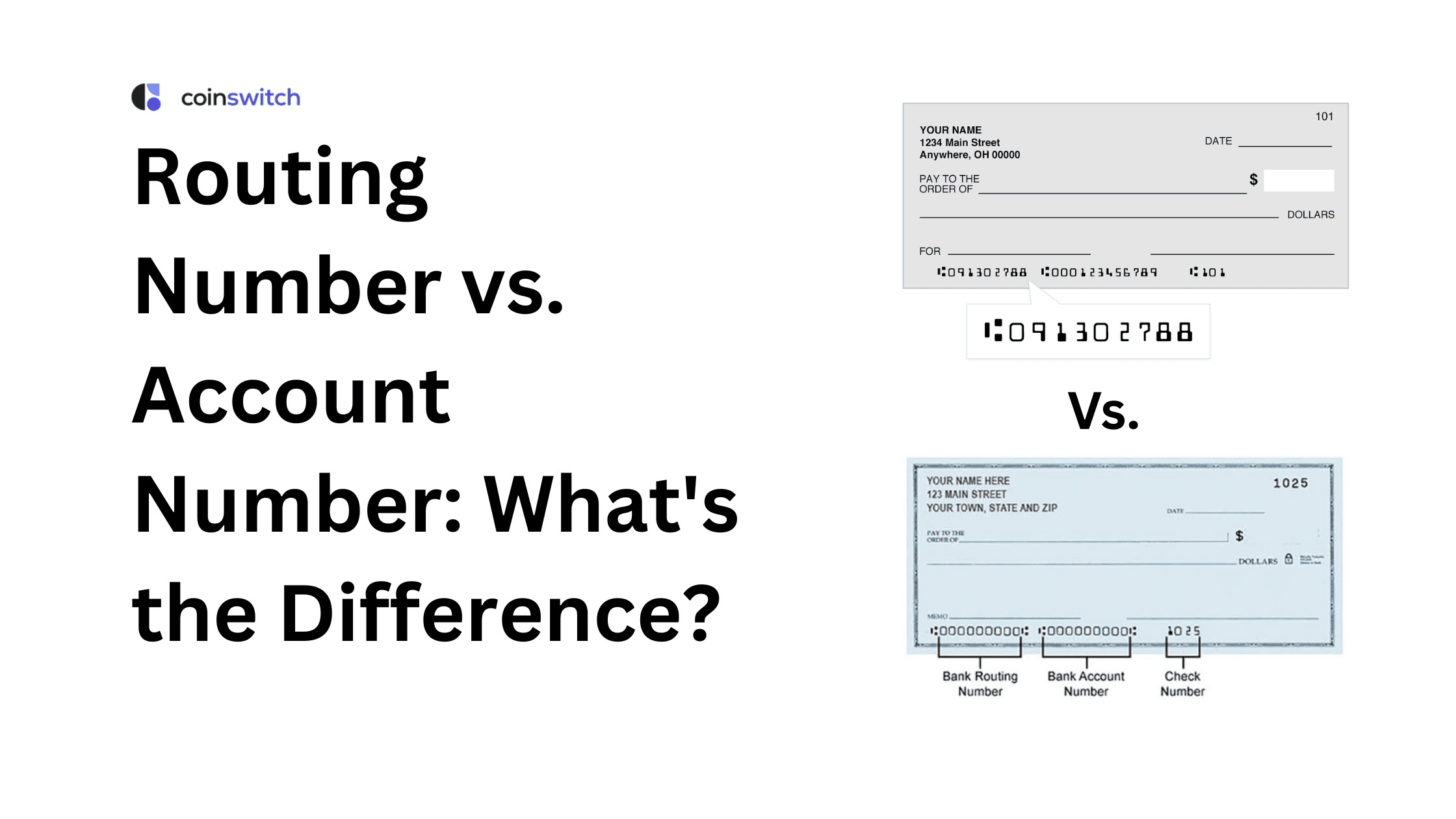
Using the previous example:
[012345678] [9876543210] [0001]
The account number would be 9876543210.
It’s important to be careful when identifying this number, especially if your bank uses a variable length for account numbers. Always double-check that you’re picking up the correct sequence, as inputting an incorrect account number can lead to failed transactions or, worse, funds being sent to the wrong person’s account, which can be difficult to recover.
Account Number vs. Debit Card Number: Key Differences
While both your account number and debit card number are linked to your bank account, they serve entirely different purposes and should not be confused.
- Account Number: Directly identifies your bank account for transactions that draw funds directly from it, such as direct deposits, ACH transfers (Automated Clearing House), wire transfers, and writing checks. It’s stable and doesn’t change unless you close your account or open a new one.
- Debit Card Number: A 16-digit number printed on your debit card, used primarily for point-of-sale transactions (swiping/inserting your card) or online purchases. It’s linked to a payment network (Visa, Mastercard) and is designed for quick, secure payments without revealing your underlying bank account information directly to merchants. If your card is lost or stolen, this number changes, but your bank account number remains the same.
Misunderstanding these differences can lead to security vulnerabilities or incorrect transaction setup. Always ensure you are providing the correct number for the specific type of transaction requested.
Practical Applications and Security Considerations
Knowing where to find your account and routing numbers is only part of the equation; understanding when and how to use them, and crucially, how to protect them, is equally vital for robust personal finance management.
When You’ll Need Your Account and Routing Numbers
These numbers are frequently requested for various financial activities:
- Setting up Direct Deposit: Providing your employer with these details ensures your paycheck goes straight into your bank account.
- Automating Bill Payments: For utilities, mortgage, rent, or loan payments, you might authorize companies to automatically debit your account.
- Initiating ACH Transfers: For transferring funds between your accounts at different banks, or to send money to family or friends via services that require bank details.
- Receiving Tax Refunds Electronically: The IRS requires these numbers for direct deposit of tax returns.
- Linking to Payment Apps/Services: Many peer-to-peer payment apps or online trading platforms require your bank account details for initial setup and funding.
- Wire Transfers: Although some banks have specific wire transfer routing numbers, the basic routing and account numbers are a starting point. Always confirm for wire transfers.
In essence, any transaction that requires a direct interaction with your bank account, bypassing a credit or debit card network, will likely require these numbers.
Safeguarding Your Financial Information
Because your account and routing numbers are the direct gateway to your funds, protecting them is paramount to preventing fraud and unauthorized access.
- Shred Old Checks: Never simply throw away voided or unused checks. Shred them thoroughly to prevent criminals from obtaining your account information.
- Be Wary of Requests: Exercise extreme caution when asked for these numbers, especially over unsolicited phone calls or emails. Legitimate institutions generally won’t ask for this sensitive information outside of secure online portals or in-person interactions.
- Use Secure Platforms: When providing these numbers online, ensure the website is secure (look for “https://” in the URL and a padlock symbol).
- Monitor Your Accounts: Regularly review your bank statements and online transaction history for any suspicious activity. Report discrepancies immediately.
- Limit Sharing: Only share your bank details with trusted individuals or legitimate organizations when absolutely necessary for a transaction.
- Consider Alternatives: For routine payments, using a debit card or credit card might sometimes offer an additional layer of protection provided by the card network, compared to direct bank account access.
While checks are designed to be used, their printed information is a valuable target for fraudsters. A proactive approach to security is your best defense.
Alternatives to Physical Checks for Finding Information
What if you don’t have a physical check handy, or you primarily bank online? There are several reliable ways to find your routing and account numbers:
- Online Banking Portal: Log in to your bank’s website or mobile app. Your account and routing numbers are typically displayed prominently on your account summary page, or within a section like “Account Details,” “Direct Deposit Information,” or “Statements.”
- Bank Statements: Both paper and electronic bank statements will list your account number. The routing number might also be printed, or you can find it on the bank’s general information section.
- Contact Your Bank Directly: Call your bank’s customer service line or visit a local branch. A representative can provide you with your routing and account numbers after verifying your identity.
- Bank’s Official Website: Many banks list their general routing number for ACH transfers on their public website, often in an FAQ section or under “Contact Us.”
These digital alternatives offer convenient and often more secure ways to access your banking information without the risk associated with carrying or disseminating physical checks.
Common Mistakes and Best Practices
Even with clear instructions, mistakes can happen. Being aware of common pitfalls and adopting best practices can save you time, stress, and potential financial headaches.
Double-Checking for Accuracy
The single most important best practice is to always double-check any routing and account numbers you provide or enter. A single transposed digit can lead to a failed transaction, a delay, or worse, sending money to the wrong recipient.
- Review Before Submitting: Before confirming an online transfer or handing over a voided check, quickly review the numbers.
- Read Aloud: Sometimes, reading the numbers aloud helps catch errors that silent reading might miss.
- Use Copy-Paste: If available from your online banking portal, copy-pasting the numbers reduces the chance of manual entry errors.
- Verify with the Recipient: If you are sending money to someone, confirm the exact numbers with them, especially for new payees.
The few extra seconds spent verifying can prevent hours of frustration and potential financial loss.
When to Contact Your Bank
There are specific situations where contacting your bank is the safest and most efficient course of action:
- Uncertainty About Numbers: If you are unsure which routing number to use (e.g., for wire transfers vs. ACH), or if your bank has multiple, always call to confirm.
- Suspected Fraud: If you notice any unauthorized transactions or believe your account information has been compromised, contact your bank immediately to report the issue and take steps to secure your account.
- Incorrect Transfer: If you realize you’ve sent money to the wrong account due to an error in the numbers, notify your bank as soon as possible. While recovery is not guaranteed, immediate action improves the chances.
- Changes to Account: If you’ve opened a new account, closed an old one, or if there’s any significant change in your banking relationship, verify the correct numbers for any recurring payments or deposits.
Your bank’s customer service is equipped to handle these issues and provide the most accurate and up-to-date information.

The Evolution of Financial Transactions and Check Usage
While paper checks are still relevant, the trend is undeniably towards digital transactions. Understanding the mechanics of checks and their associated numbers provides a strong foundation for navigating the broader financial landscape. Digital payment methods like ACH transfers (which underpin direct deposits and online bill pay), wire transfers, and peer-to-peer payment apps all rely on the same fundamental principle of identifying banks and specific accounts, even if they abstract away the physical check.
As technology evolves, financial tools become more sophisticated, offering greater convenience and efficiency. However, the core principles of accurately identifying accounts and protecting sensitive financial data remain timeless. Mastering where your account and routing numbers are, and how to use them responsibly, ensures you can confidently manage your money in any financial environment. This fundamental knowledge empowers you to harness the power of banking systems for your personal financial growth and security.
aViewFromTheCave is a participant in the Amazon Services LLC Associates Program, an affiliate advertising program designed to provide a means for sites to earn advertising fees by advertising and linking to Amazon.com. Amazon, the Amazon logo, AmazonSupply, and the AmazonSupply logo are trademarks of Amazon.com, Inc. or its affiliates. As an Amazon Associate we earn affiliate commissions from qualifying purchases.