
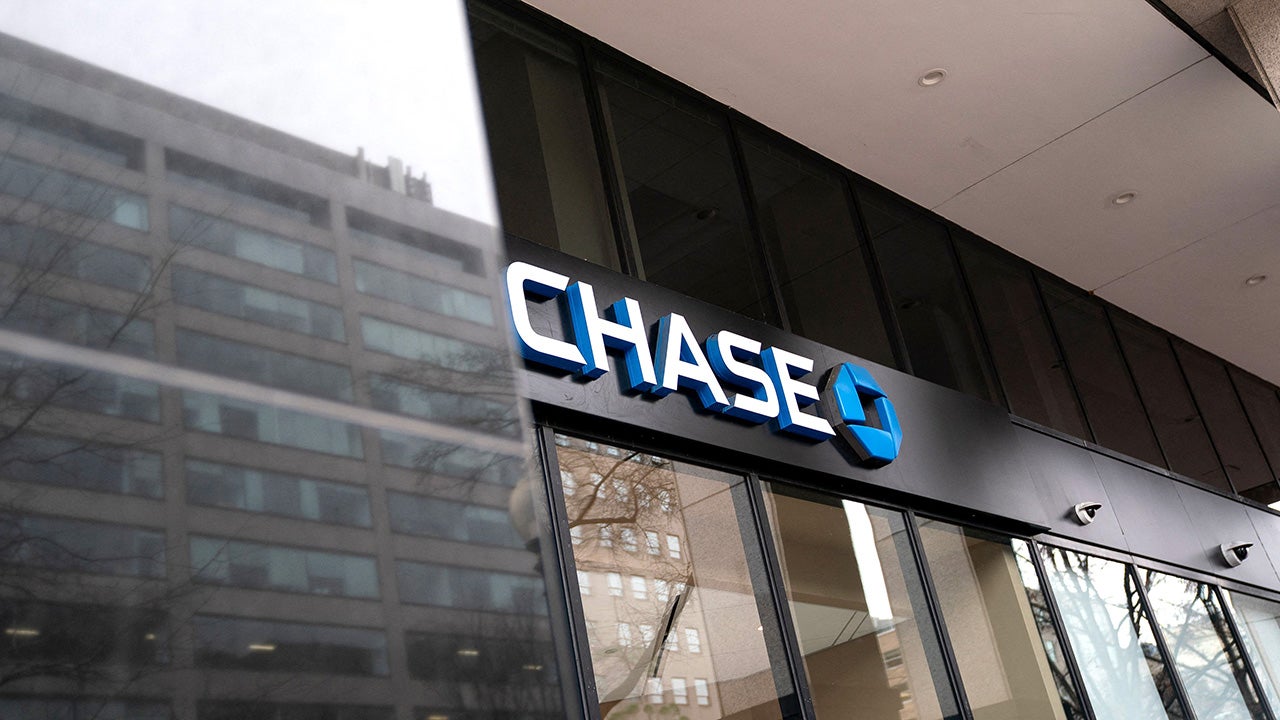
In an increasingly digital world, the seemingly simple question, “Where is a Chase Bank close to me?” holds more significance than one might initially perceive. While online banking and mobile applications have revolutionized how we interact with our finances, the physical presence of a financial institution like Chase Bank remains a cornerstone for many individuals and businesses. This inquiry isn’t merely about geographical coordinates; it delves into the strategic importance of accessible banking services, the evolving relationship between consumers and their financial providers, and the specific needs that only a brick-and-mortar branch can adequately address. Understanding the accessibility of your chosen financial partner is a fundamental aspect of effective personal and business financial management. It encompasses convenience, trust, and the provision of specialized services that digital platforms, for all their advancements, cannot entirely replicate.
The Enduring Relevance of Physical Bank Branches in the Digital Age
Despite the pervasive narrative of digital transformation sweeping through the financial sector, physical bank branches continue to play a critical, often understated, role in the financial ecosystem. For many, the ability to walk into a branch and interact with a human being offers a level of security, clarity, and personalized service that digital interfaces, no matter how intuitive, have yet to fully match. This enduring relevance isn’t a sign of resistance to change but rather an acknowledgment of the diverse needs and preferences within a broad customer base.
Beyond Transactions: The Human Element of Banking
While routine transactions like checking balances or transferring funds are effortlessly managed via mobile apps, certain financial situations demand a more personal touch. Discussing complex loan options, setting up trust accounts, estate planning, or navigating intricate business financing structures often benefits immensely from face-to-face consultation. A personal banker or financial advisor at a physical branch can provide tailored advice, answer nuanced questions, and build a relationship of trust—an intangible yet invaluable asset in long-term financial planning. This human interaction fosters confidence and provides a sense of reassurance, particularly during significant financial decisions or challenging economic times. For those undertaking major life events such as purchasing a home, starting a business, or planning for retirement, the ability to sit down with an expert and hash out the details can be profoundly comforting and clarifying.
Bridging the Digital Divide: Serving Diverse Customer Needs
Not everyone is equally adept or comfortable with digital banking platforms. A significant segment of the population, including many elderly individuals or those in communities with limited internet access, still relies heavily on traditional banking methods. For these customers, a nearby physical branch is not just a convenience but a necessity for managing their finances. Banks like Chase recognize their responsibility to serve all demographics, ensuring that financial inclusion remains a priority. Furthermore, even digitally savvy individuals may encounter situations where a physical branch provides a more straightforward solution than navigating complex online forms or automated customer service systems. This commitment to accessibility ensures that essential financial services remain within reach for every segment of society, preventing the creation of a two-tiered financial system where digital proficiency dictates access to crucial services.
Security and Trust: The Tangible Reassurance
In an era of increasing cyber threats and online fraud, the physical presence of a bank branch offers a tangible layer of security and trust. For handling large cash deposits or withdrawals, verifying official documents, or resolving account discrepancies, the security protocols and direct oversight available at a branch are paramount. The ability to present identification directly to a bank teller, receive physical receipts, or sign documents in person can mitigate risks associated with digital transactions and provide peace of mind. Moreover, seeing a well-maintained, secure physical location reinforces the institution’s stability and reliability, which are crucial factors in building and maintaining customer loyalty. The brick-and-mortar branch stands as a symbol of the institution’s commitment to protecting its customers’ assets and privacy, offering a physical safeguard against the vulnerabilities inherent in purely digital interactions.
Leveraging Modern Financial Tools for Branch Location and Access
While the necessity of physical branches persists, the methods for finding and accessing them have evolved dramatically. Modern financial tools, primarily driven by digital technology, have made locating a nearby Chase Bank, or any financial institution, an incredibly efficient process. These tools bridge the gap between the digital and physical banking worlds, empowering consumers to find the services they need with unprecedented ease.
Official Bank Apps and Websites: Your Primary Resource
The most reliable and up-to-date source for finding a Chase Bank branch is through Chase’s official digital platforms. Their mobile banking app, available on smartphones and tablets, typically features a robust “Branch & ATM Locator” function. Utilizing your device’s GPS, the app can instantly identify the closest branches and ATMs, display their operating hours, provide directions, and even list specific services offered at each location (e.g., drive-thru, notary, investment services). Similarly, the Chase website offers a comprehensive locator tool accessible from any web browser. These official resources are meticulously maintained by the bank, ensuring accuracy regarding locations, hours, and available facilities, making them the first port of call for any customer. Beyond simple location, these platforms often provide estimated wait times or the option to schedule an appointment, further enhancing convenience.
Mapping Services and Geo-Location Technology
Beyond official bank channels, general mapping applications like Google Maps, Apple Maps, or Waze are powerful tools for locating financial institutions. By simply typing “Chase Bank” into the search bar, users can quickly see nearby branches displayed on a map, complete with addresses, phone numbers, and customer reviews. These services often integrate with public transport information and provide real-time traffic updates, making the journey to a branch more predictable. The ubiquity of geo-location technology ensures that even without direct access to the bank’s proprietary app, individuals can still efficiently find the financial services they need, leveraging technology they likely already use daily. This integration of financial information with widely adopted navigation tools exemplifies how technology serves to make financial access more seamless and intuitive.
Customer Service and Online Chat: Direct Assistance
For those who prefer direct communication or have specific questions about a branch’s services before visiting, Chase’s customer service channels remain invaluable. A quick phone call to their general customer service line or utilizing the online chat function on their website or app can provide immediate answers regarding branch locations, hours, and specialized services. Customer service representatives are equipped with comprehensive databases to assist with location-specific queries, and they can offer personalized guidance based on a customer’s unique needs. This multi-channel approach ensures that even in situations where digital tools might not suffice, human assistance is readily available to facilitate access to physical banking services. This personalized touch underscores the bank’s commitment to comprehensive customer support, ensuring no inquiry goes unanswered.
When a Branch Visit is Essential: Specific Financial Needs
While digital platforms handle the vast majority of routine financial interactions, there remains a distinct category of financial needs and transactions that are either best handled, or exclusively handled, at a physical bank branch. Understanding these scenarios helps rationalize the continued importance of easily accessible physical locations.
Complex Transactions and Large Cash Services
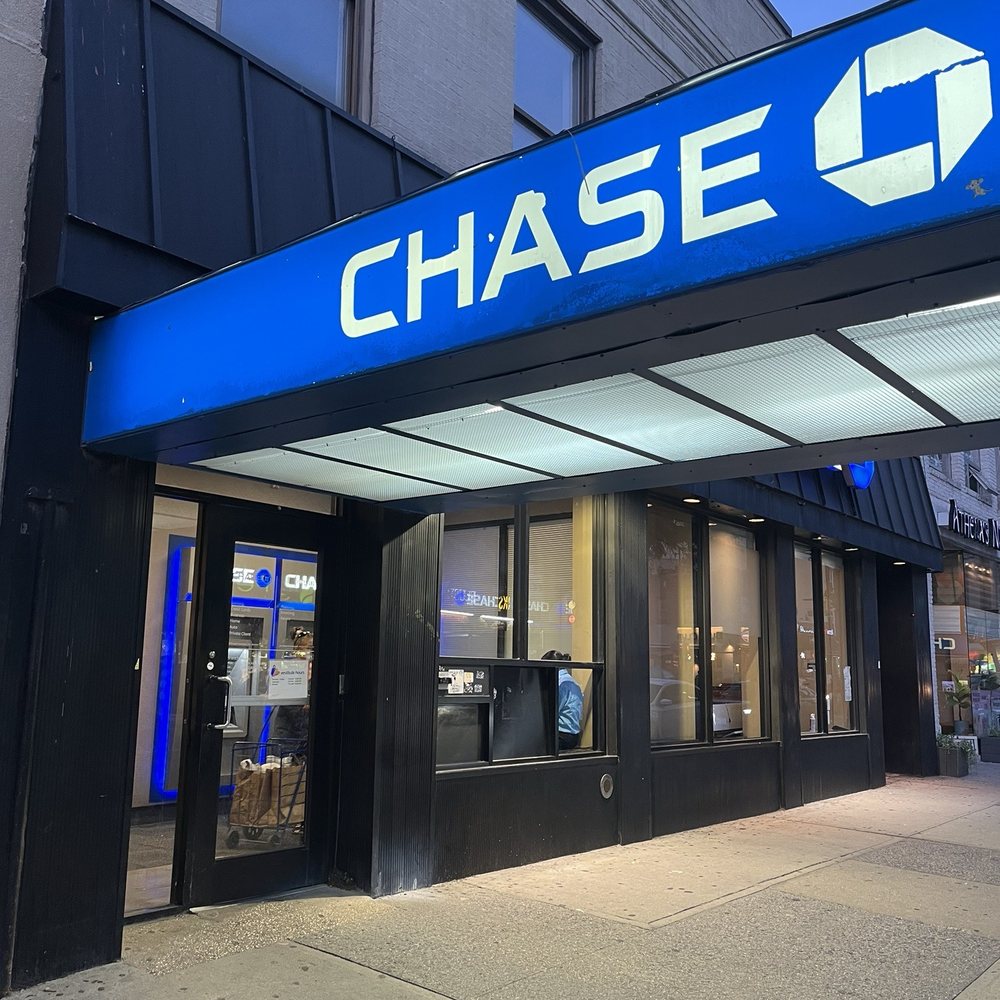
Dealing with substantial sums of cash—whether it’s making a large deposit, withdrawing a significant amount, or exchanging foreign currency—is often most securely and efficiently done at a branch. Branches are equipped with cash management infrastructure, including secure vaults and counting machines, and staffed by personnel trained to handle such transactions with accuracy and security. Similarly, certified checks, money orders, or specific types of wire transfers that require multiple layers of verification are typically processed at a branch, offering an additional layer of assurance for both the customer and the bank. For businesses that deal heavily in cash, regular branch visits are an indispensable part of their financial operations, making proximity a key factor in operational efficiency.
Personalized Financial Advisory and Loan Applications
Engaging in complex financial planning, discussing investment strategies, or applying for significant loans (mortgages, business loans, personal loans) often benefits from in-person consultations. A financial advisor at a branch can delve deeply into a client’s financial situation, goals, and risk tolerance, offering tailored advice that is difficult to replicate through a digital interface. The detailed paperwork, necessary disclosures, and the opportunity for direct dialogue to clarify terms and conditions make the branch environment ideal for these critical financial decisions. The nuanced discussions surrounding debt consolidation, retirement planning, or wealth management are far more productive in a face-to-face setting, fostering a stronger client-advisor relationship built on mutual understanding and trust.
Account Opening, Notary Services, and Dispute Resolution
While some banks now offer online account opening, many individuals still prefer or require opening accounts in person, particularly for business accounts or complex joint accounts where multiple signatories are involved. Furthermore, many branches offer valuable ancillary services such as notary public services, which are often required for legal documents and real estate transactions. These services are almost exclusively available at physical locations. Lastly, resolving complex account disputes, fraud allegations, or error corrections can often be expedited and more thoroughly addressed with the direct assistance of branch personnel, who can access internal systems and provide immediate resolutions or escalate issues more effectively than through remote channels. The ability to present physical evidence or discuss sensitive issues in a private, secure environment is a significant advantage.
Strategic Considerations for Bank Branch Proximity and Accessibility
For both individuals and businesses, the strategic location and accessibility of a bank branch are not just about convenience; they are integral components of effective financial management. Proximity influences daily banking habits, emergency preparedness, and overall operational efficiency.
Convenience for Daily Banking and Emergency Needs
A nearby bank branch simplifies routine tasks like depositing checks that can’t be digitally captured, getting change for a business, or quickly withdrawing cash when ATMs are unavailable or insufficient. More critically, in times of emergency—such as a lost or stolen card, a forgotten PIN, or an urgent need for financial advice—the ability to swiftly reach a physical branch can mitigate stress and resolve problems far more effectively than remote assistance alone. For small businesses, especially those with cash transactions, proximity means less travel time, reduced security risks associated with transporting cash over long distances, and more efficient daily operations. The convenience translates directly into saved time and effort, allowing individuals and businesses to focus on their core activities rather than logistical challenges.
Understanding Branch Hours and Specialized Services
Not all bank branches are created equal. Some may have extended hours, Saturday service, or specialize in certain areas like wealth management or small business banking. When searching for a “Chase Bank close to me,” it’s crucial to look beyond just the address and consider the operating hours and the specific services offered at that location. A branch that’s physically close but closed when you need it, or one that lacks the specialized service you require (e.g., a safe deposit box, a mortgage advisor), is less useful. Leveraging the information provided by official bank apps and websites allows customers to make informed decisions about which branch best suits their immediate and future financial needs. This foresight prevents wasted trips and ensures that the chosen branch can indeed fulfill the purpose of the visit.
The Ecosystem of Your Financial Institutions
For individuals or businesses with multiple banking relationships, understanding the geographical distribution of all their financial institutions forms a comprehensive financial ecosystem. While Chase Bank might be your primary institution, knowing the proximity of a secondary bank or credit union for specific services can be strategically advantageous. This broader perspective on accessibility ensures that you have reliable access to a full spectrum of financial services, regardless of which institution provides them. Thinking about your financial network in terms of physical access points can inform decisions about where to bank, where to open new accounts, and how to structure your financial life for maximum convenience and resilience.
The Future of Banking: A Hybrid Approach
The trajectory of banking services points towards a hybrid model, one that seamlessly integrates the unparalleled convenience of digital platforms with the strategic importance and personalized touch of physical branches. The question “Where is a Chase Bank close to me?” will continue to evolve, but its underlying significance—the need for accessible, reliable financial services—will remain constant.
Integrating Digital Convenience with Physical Presence
The future bank branch might look different, potentially focusing more on advisory services, complex transactions, and community engagement rather than simple teller functions. Technology will continue to enhance the branch experience, with features like interactive kiosks, advanced scheduling systems, and virtual consultations becoming more commonplace. The goal is not to eliminate branches but to optimize their function, making them high-value points of contact within a broader digital strategy. This integration ensures that customers can fluidly transition between digital self-service and in-person expertise, choosing the channel that best suits their needs at any given moment.
Tailoring Services to Evolving Consumer Behavior
Banks like Chase are continuously analyzing consumer behavior to refine their branch networks. This involves strategic closures in areas with declining foot traffic and openings in growing communities, as well as redesigning existing branches to offer more personalized advice areas and technology hubs. The emphasis will be on creating spaces that foster financial well-being, providing educational resources, and acting as centers for financial planning rather than mere transaction points. This adaptability ensures that physical branches remain relevant and valuable assets in a rapidly changing financial landscape.

The Continued Importance of Proximity and Relationships
Ultimately, the desire to find a bank “close to me” speaks to a fundamental human need for connection, security, and convenience in managing one’s finances. While digital innovation offers incredible efficiencies, the value of a trusted financial partner with an accessible physical presence continues to resonate deeply. For complex financial decisions, emergency needs, or simply the peace of mind that comes from knowing help is nearby, the brick-and-mortar bank branch remains an irreplaceable component of a robust financial strategy. As such, the question of proximity will endure, underscoring the vital role that accessible financial institutions play in supporting the economic health of individuals, families, and communities.
aViewFromTheCave is a participant in the Amazon Services LLC Associates Program, an affiliate advertising program designed to provide a means for sites to earn advertising fees by advertising and linking to Amazon.com. Amazon, the Amazon logo, AmazonSupply, and the AmazonSupply logo are trademarks of Amazon.com, Inc. or its affiliates. As an Amazon Associate we earn affiliate commissions from qualifying purchases.