
In the annals of corporate identity, few names carry the dual weight of historical reverence and futuristic ambition quite like “Tesla.” Instantly recognizable, the name is synonymous with electric vehicles, groundbreaking technology, and a vision of sustainable energy. Yet, for many, the precise origin of this powerful brand name remains a curiosity. It is not merely a catchy moniker but a deliberate homage, a strategic invocation of a visionary whose work laid the very groundwork for the electrified world we inhabit today. The name “Tesla” doesn’t just adorn a product; it encapsulates a corporate identity built on innovation, disruption, and an unwavering commitment to pushing the boundaries of what’s possible, much like the man himself.
The Legacy of a Visionary: Nikola Tesla
The story of the Tesla brand begins not in a Silicon Valley garage, but over a century ago, with a brilliant and often enigmatic inventor named Nikola Tesla. Born in 1856 in Smiljan, Austrian Empire (modern-day Croatia), Tesla was a Serbian-American polymath whose contributions to the design of the modern alternating current (AC) electricity supply system are foundational to our contemporary power infrastructure. His name, therefore, is far more than a simple label; it is a direct link to the very genesis of electric power and the audacious spirit of invention.
A Mind Ahead of Its Time
Nikola Tesla was a figure of towering intellect and extraordinary foresight. From an early age, he exhibited an unusual capacity for visualization and an insatiable curiosity about the physical world. His mind was a crucible of ideas, often sketching out complex inventions in his head before ever putting pen to paper. This innate genius led him to conceive of technologies that were decades, if not a century, ahead of their time. He envisioned a world powered by clean, efficient electricity, where communication was instantaneous and accessible to all—a vision that resonates profoundly with the modern Tesla company’s mission. His personal character, too, shaped his legacy; a man driven by discovery rather than material wealth, often giving away patents or declining lucrative offers in favor of scientific progress. This ethos of innovation over profit forms a subtle but potent undercurrent to the brand that bears his name.
Paving the Way for Modern Electricity
Tesla’s most significant and enduring contribution was his pioneering work on alternating current (AC) electrical systems. While Thomas Edison championed direct current (DC), Tesla recognized the superior efficiency and scalability of AC for long-distance power transmission. This led to the infamous “War of the Currents” in the late 19th century, a fierce battle over the standard for electricity. Tesla, with the backing of George Westinghouse, ultimately prevailed, and his polyphase AC system became the global standard, lighting up cities and powering industries across the world. Without Tesla’s ingenious designs for AC motors, generators, and transformers, our modern electrical grid simply would not exist as it does today. His impact on electrical engineering is so profound that the unit of magnetic flux density in the International System of Units (SI) is named the “tesla” (T) in his honor, further cementing his place in scientific history.
Patents, Principles, and Ponderings
Beyond AC, Nikola Tesla held hundreds of patents and conceptualized countless other inventions, many of which remain influential or have been rediscovered and refined in modern times. He experimented with X-rays, remote control, radio communication, and even wireless energy transmission—a concept that the modern Tesla company, through inductive charging and future energy solutions, subtly echoes. His scientific principles were often characterized by a holistic view of energy and a relentless pursuit of efficiency. He believed in harnessing the Earth’s natural resources intelligently and sought to develop technologies that would benefit humanity broadly. This principled approach, prioritizing sustainable and transformative technologies, provides a clear philosophical lineage to the twenty-first-century company that adopted his powerful surname.
From Inventor to Iconic Brand Name
The decision to name a revolutionary electric vehicle company after Nikola Tesla was no arbitrary choice. It was a conscious, deliberate act of brand positioning, a clear statement of intent by its founders. When Martin Eberhard and Marc Tarpenning established Tesla Motors in 2003, they weren’t just looking for a catchy name; they sought to invoke a spirit, a philosophy, and a historical precedent for technological disruption.
The Genesis of Tesla Motors
In the early 2000s, the automotive industry was largely complacent, dominated by internal combustion engines and slow to embrace electrification. It was against this backdrop that Eberhard and Tarpenning, driven by a desire to build high-performance electric vehicles, founded their company. They recognized that for electric cars to gain widespread acceptance, they couldn’t be perceived as mere golf carts or glorified appliances. They needed to be desirable, fast, and stylish—vehicles that could challenge the status quo and capture the imagination of consumers. The initial vision was to create a sports car, demonstrating that electric power could surpass traditional gasoline performance. This audacious goal required a name that carried weight, history, and a clear association with electrical innovation.
Why Nikola Tesla? Aligning Values and Vision
The choice of “Tesla” as the company name was a stroke of branding genius, instantly communicating the company’s core values and vision. Nikola Tesla embodied innovation, disruption, and an unshakeable belief in the future of electricity. By adopting his name, Tesla Motors immediately aligned itself with these powerful concepts. The name suggested a dedication to scientific advancement, a commitment to pioneering electric propulsion, and a willingness to challenge established paradigms—much as Nikola Tesla had challenged Edison. It wasn’t just about building electric cars; it was about honoring the legacy of the man who made modern electricity possible and extending his vision into the 21st century. The name itself became a shorthand for cutting-edge electric technology and a harbinger of a sustainable future.
More Than a Name: A Statement of Purpose
For Tesla, Inc., the name serves as an ongoing statement of purpose. It communicates that the company is not merely an automotive manufacturer but a technology and energy enterprise dedicated to accelerating the world’s transition to sustainable energy. Every electric vehicle, every battery storage solution, every solar panel installation under the Tesla umbrella is implicitly linked back to the fundamental principles of electrical engineering and the visionary spirit of Nikola Tesla. The name acts as a constant reminder of the company’s roots in scientific discovery and its ambition to transform entire industries. It imbues the brand with a sense of historical gravitas and future-oriented conviction, making it far more impactful than a newly coined or abstract name might have been.
Tesla’s Brand Identity: Echoing the Past, Shaping the Future
The name “Tesla” has become a cornerstone of the company’s powerful brand identity, allowing it to resonate with consumers, investors, and innovators alike. It’s a name that evokes a specific set of characteristics—innovation, disruption, and a pioneering spirit—all derived from the rich historical legacy of Nikola Tesla.
Innovation as the Core Brand Pillar
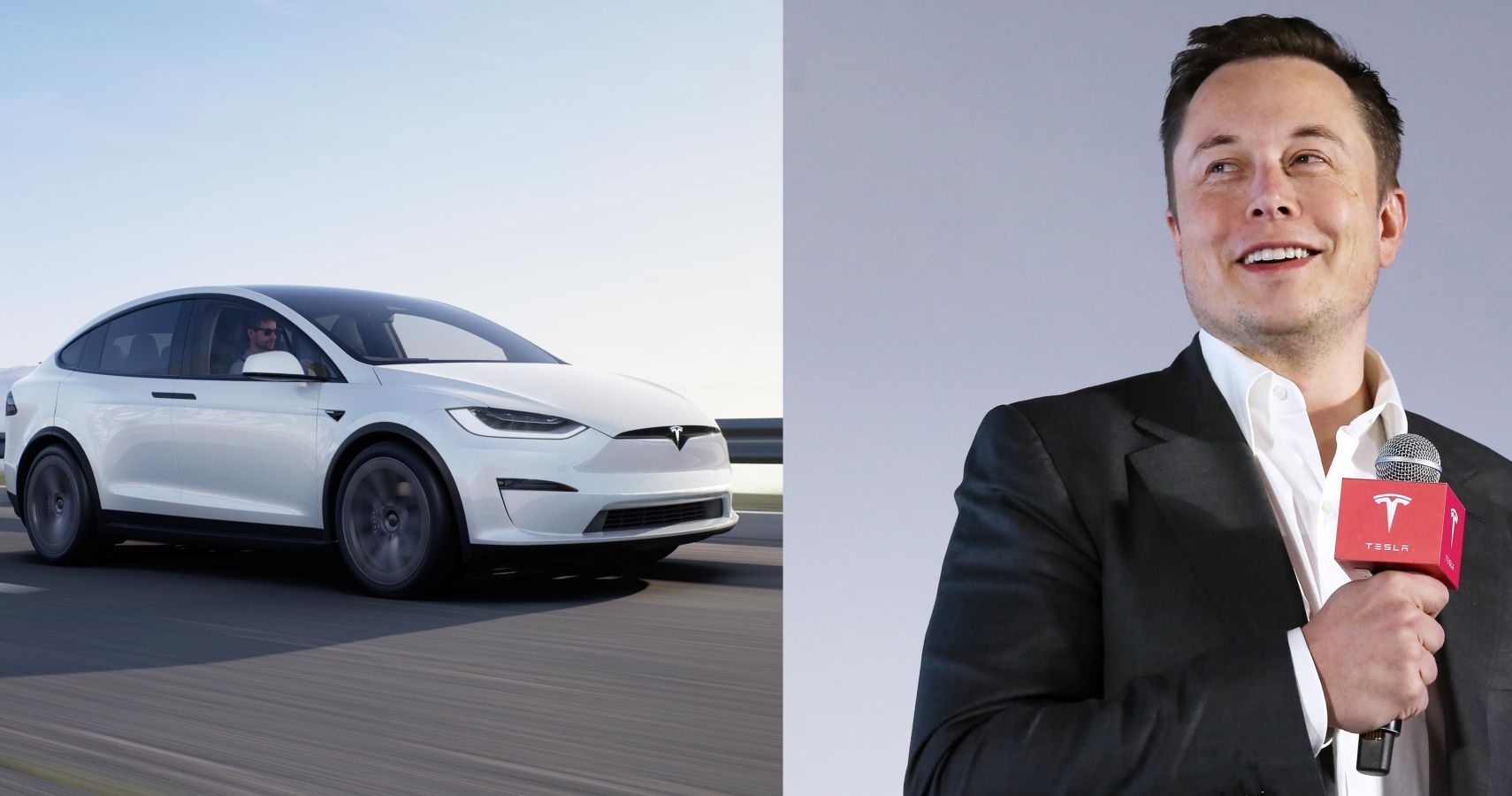
At the heart of Tesla’s brand identity is an unwavering commitment to innovation. This pillar is directly reinforced by its namesake. Nikola Tesla was arguably the greatest electrical innovator of his era, and the company bearing his name strives to live up to that standard. From revolutionary battery technology and advanced autonomous driving features to over-the-air software updates and integrated energy ecosystems, Tesla consistently pushes technological boundaries. The brand communicates that it is not content with incremental improvements but aims for fundamental shifts in how we think about transportation and energy. The name “Tesla” signals to the world that this company is a frontrunner in technological advancement, continuously seeking to redefine what’s possible, much like the original inventor himself.
Disruption and the Challenger Brand Archetype
The very nature of Nikola Tesla’s work was disruptive; he challenged the prevailing norms and established technologies of his time. The company Tesla, Inc. has similarly embraced a challenger brand archetype. It entered an entrenched automotive market and overturned conventions, proving that electric vehicles could be high-performance, desirable, and scalable. This disruptive ethos extends beyond vehicles to energy storage and solar power, where Tesla continues to challenge traditional utilities and energy providers. The name provides an immediate historical context for this rebellious, pioneering spirit. It suggests a brand that is not afraid to take risks, to think differently, and to upset the status quo in pursuit of a better future. This resonates powerfully with consumers who are tired of conventional approaches and seek genuine innovation.
The Symbolism of the Logo
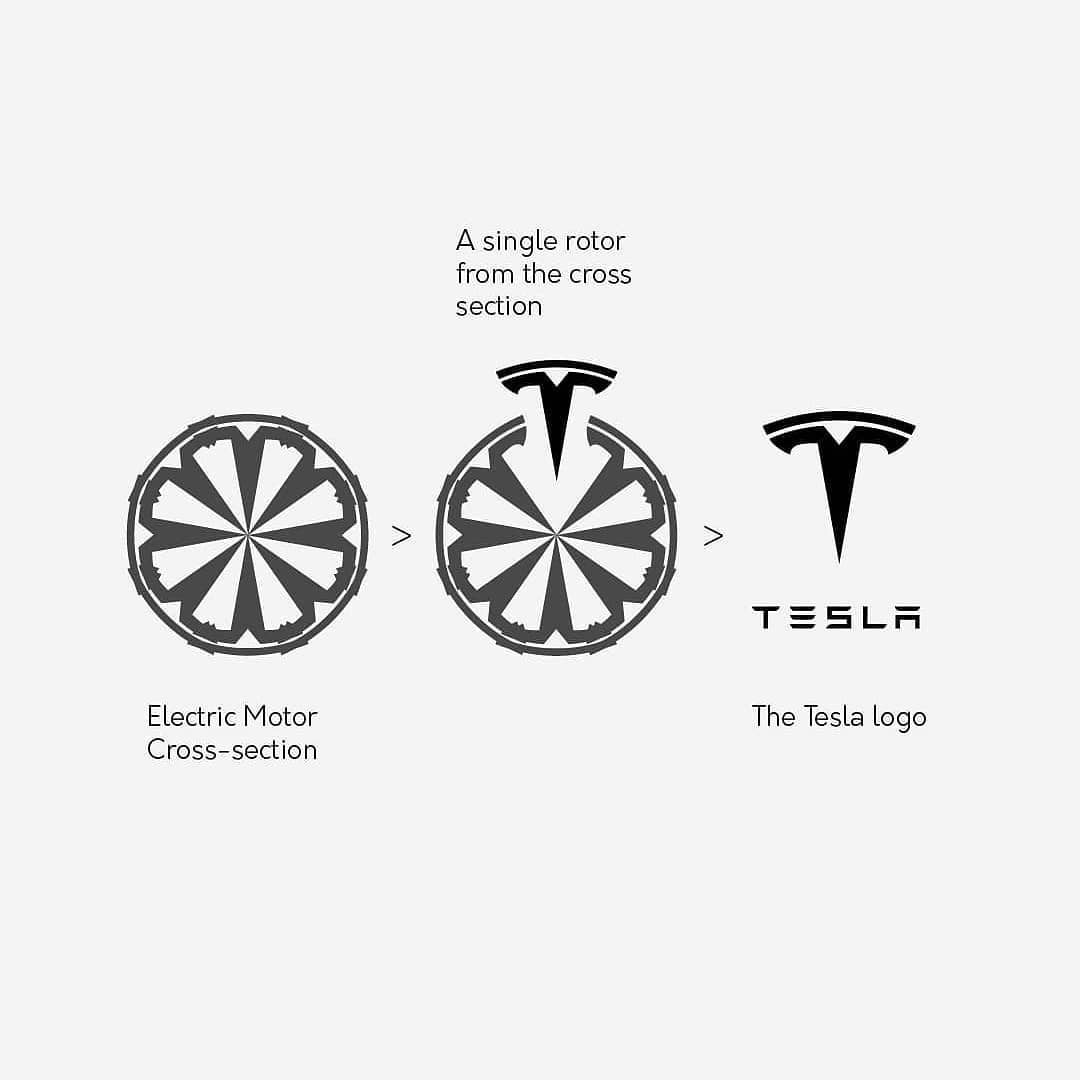
Even the iconic “T” logo of Tesla, while seemingly simple, carries a subtle yet profound connection to its namesake and the underlying technology. Designed by RO Studio and refined by Elon Musk, the stylized ‘T’ is not just the first letter of the name; it’s said to represent a cross-section of an electric motor. The main vertical bar depicts one of the poles of an electric motor, and the two lines above it represent the stator (the stationary part of a rotary system). This clever visual abstraction further reinforces the brand’s core identity—its deep roots in electrical engineering and its commitment to harnessing the power of electricity in innovative ways. The logo, therefore, works in conjunction with the name to create a cohesive and powerful brand narrative centered on intelligent design and electric propulsion.
The Power of a Purposeful Name in Branding
In the competitive landscape of modern business, a name is far more than just a label; it is a critical component of a brand’s strategy, its narrative, and its long-term success. The deliberate choice of “Tesla” exemplifies the profound impact a purposeful name can have on brand perception and market positioning.
Establishing Credibility and Heritage (Even a Borrowed One)
By invoking Nikola Tesla, the company instantly established a borrowed heritage of scientific credibility and groundbreaking invention. This is particularly valuable for a startup entering an established industry. Rather than having to build trust from scratch solely on its own merits, Tesla could tap into the existing public consciousness surrounding a genius inventor. The name lent an immediate sense of authority, intelligence, and visionary foresight to the fledgling company. It suggested that the enterprise was not merely chasing trends but was built on fundamental scientific principles and a deep understanding of electrical physics, much like the man whose name it proudly carried. This historical anchoring provided a robust foundation for its brand identity.
Storytelling and Emotional Connection
A good brand name tells a story, and “Tesla” tells a compelling one. It speaks of genius, struggle, innovation, and a future yet to be fully realized. This narrative potential creates a powerful emotional connection with customers and enthusiasts. People aren’t just buying a car or a battery; they are buying into a vision that connects back to a legendary figure who dreamt of a world powered by clean, efficient electricity. This storytelling element allows the brand to transcend mere product features and engage consumers on a deeper, aspirational level. It creates a sense of belonging to a movement that honors the past while building the future.
Enduring Relevance in a Dynamic Market
The genius of choosing “Tesla” as a brand name lies in its enduring relevance. As the company expands beyond electric vehicles into solar energy, battery storage, and artificial intelligence, the name continues to fit seamlessly. Nikola Tesla’s work encompassed broad fields of electrical engineering and futuristic concepts, making his name a perfect umbrella for a diversified technology company focused on sustainable energy solutions. Unlike names tied to specific products or fleeting trends, “Tesla” is rooted in fundamental scientific principles that remain timeless. This allows the brand to maintain its core identity and meaning even as its product portfolio evolves, ensuring its resonance in a rapidly changing market landscape.
Beyond the Name: The Brand’s Evolving Narrative
While the name “Tesla” provides an invaluable foundation, the brand’s narrative has been continuously shaped and amplified by its leadership, its expanding product ecosystem, and its global impact. The vision ignited by Nikola Tesla over a century ago is now manifesting on a global scale.
Elon Musk’s Role in Amplifying the Brand
The emergence of Elon Musk as the CEO and public face of Tesla, Inc. has played a pivotal role in amplifying the brand’s futuristic and disruptive image. Musk, often compared to visionaries like Steve Jobs or even Nikola Tesla himself, embodies the same audacious spirit of challenging norms and pursuing seemingly impossible goals. His personal brand, characterized by big ideas (SpaceX, Neuralink, Boring Company) and a relentless drive for innovation, has become inextricably linked with Tesla’s corporate identity. He has masterfully leveraged the historical connection to Nikola Tesla, articulating a grand vision for a multi-planetary, sustainable future, further cementing the brand’s reputation as a leader in advanced technology and environmental responsibility.
Expanding the “Tesla Universe”
The Tesla brand has strategically expanded its “universe” far beyond the initial electric roadster. From mainstream electric vehicles like the Model S, 3, X, and Y, to large-scale energy storage solutions (Powerwall, Megapack), solar panels, and soon, humanoid robots and autonomous driving technology, the company continues to diversify. Crucially, all these ventures remain tethered to the core ethos embedded in the name: electric power, innovation, and a sustainable future. The “Tesla” brand now encompasses a comprehensive ecosystem aimed at accelerating the world’s transition to a renewable energy economy, a vision that Nikola Tesla himself would likely have championed. This strategic diversification ensures the brand’s continued relevance and reinforces its identity as a holistic energy and technology enterprise.

The Global Impact of a Well-Chosen Name
Today, “Tesla” is a truly global brand, recognized and revered across continents. It has become synonymous with electric mobility, high-performance technology, and a commitment to environmental stewardship. The name, derived from a Croatian-born, Serbian-American inventor, resonates internationally, transcending cultural and linguistic barriers due to its scientific origin and aspirational connotations. This global reach underscores the power of a well-chosen name that carries a universal message of progress and innovation. The story of “where the name Tesla comes from” is not just a historical footnote; it’s a testament to thoughtful brand strategy, a tribute to a forgotten genius, and a blueprint for building a corporate identity that is both deeply rooted in the past and boldly oriented towards the future.
aViewFromTheCave is a participant in the Amazon Services LLC Associates Program, an affiliate advertising program designed to provide a means for sites to earn advertising fees by advertising and linking to Amazon.com. Amazon, the Amazon logo, AmazonSupply, and the AmazonSupply logo are trademarks of Amazon.com, Inc. or its affiliates. As an Amazon Associate we earn affiliate commissions from qualifying purchases.