
In the competitive landscape of the global cruise industry, “where” a company sails is far more than a logistical question; it is a fundamental expression of brand identity. For Norwegian Cruise Line (NCL), the selection of destinations is a strategic maneuver designed to reinforce its “Freestyle Cruising” value proposition. Unlike traditional cruise lines that may lean heavily into formal traditions or mass-market volume, NCL has carved out a niche that prioritizes flexibility, choice, and individual agency. By analyzing where Norwegian Cruise Line goes, we gain insight into a sophisticated brand strategy that leverages geography to build a distinct corporate identity, attract high-value demographics, and maintain a competitive edge in a crowded marketplace.
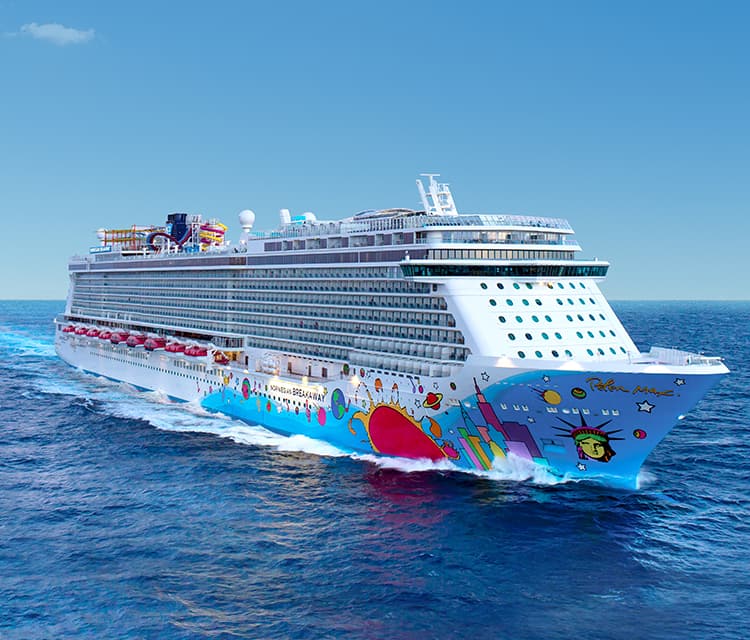
The Freestyle Philosophy: How Brand Identity Dictates Global Itineraries
At the heart of the NCL brand is the concept of “Freestyle Cruising.” Launched in 2000, this branding pivot moved the company away from fixed dining times, assigned seating, and rigid dress codes. This ethos of freedom is not limited to the onboard experience; it permeates the brand’s itinerary planning. When NCL selects its ports of call, it does so through the lens of providing a diverse “menu” of options that cater to the modern traveler’s desire for autonomy.
Breaking the Mold of Traditional Cruising
The brand strategy behind NCL’s destination selection is rooted in the “disruptor” mindset. While legacy brands often focus on the ship as the primary destination, NCL balances the vessel’s amenities with high-engagement ports. By sailing to more than 400 destinations globally, the brand positions itself as a facilitator of exploration. This breadth allows NCL to market itself to a wide array of psychographics—from the adventure-seeker in the glaciers of Alaska to the cultural enthusiast in the Mediterranean. The “where” becomes a tool for market segmentation, allowing the brand to speak to different consumer needs under a single, unified corporate umbrella.
Port Selection as a Manifestation of Brand Flexibility
NCL’s itineraries are characterized by longer stays in port and a higher frequency of overnight visits compared to some of its more rigid competitors. This is a deliberate branding choice. By allowing guests more time on the ground, NCL reinforces the “Freestyle” promise—the idea that the vacation happens on the guest’s terms, not the ship’s schedule. This flexibility is a key differentiator in their marketing campaigns, which often highlight the ability to explore a destination at a leisurely pace, thereby elevating the brand from a standard transport provider to a luxury-adjacent experience provider.
Vertical Integration and Private Destinations: Owning the Guest Experience
A critical component of where Norwegian Cruise Line goes involves destinations they own and operate. In the world of brand strategy, this is known as vertical integration. By controlling the destination itself, NCL can ensure that every touchpoint—from the food served on the beach to the music played at the pier—is perfectly aligned with the brand’s aesthetic and service standards.
Great Stirrup Cay: The Prototype for Branded Seclusion
Great Stirrup Cay in the Bahamas holds a special place in NCL’s brand history as the first private island ever offered by a cruise line. From a marketing perspective, this was a revolutionary move. It allowed NCL to offer an “exclusive” experience that competitors could not replicate. Today, Great Stirrup Cay serves as a cornerstone of their Caribbean itineraries. The brand has invested heavily in “Silver Cove,” an upscale lagoon area with private villas, which signals a strategic shift toward the premium market. This destination allows NCL to capture the entire “wallet share” of the guest’s day while reinforcing the brand as a pioneer of private, curated luxury.
Harvest Caye: Elevating the Shore Excursion Economy
Further south in Belize, NCL developed Harvest Caye, a destination that showcases a different facet of their brand strategy. Unlike a secluded island, Harvest Caye is designed as a resort-style destination that integrates local culture and partnerships. This reflects a brand commitment to “destination authenticity,” a growing trend in the travel industry. By directing their ships here, NCL communicates to its audience that it values environmental stewardship and local economic impact, which are increasingly important pillars of modern corporate identity. Harvest Caye serves as a physical manifestation of the brand’s move toward more sophisticated, socially conscious travel experiences.
Regional Branding and Global Market Penetration
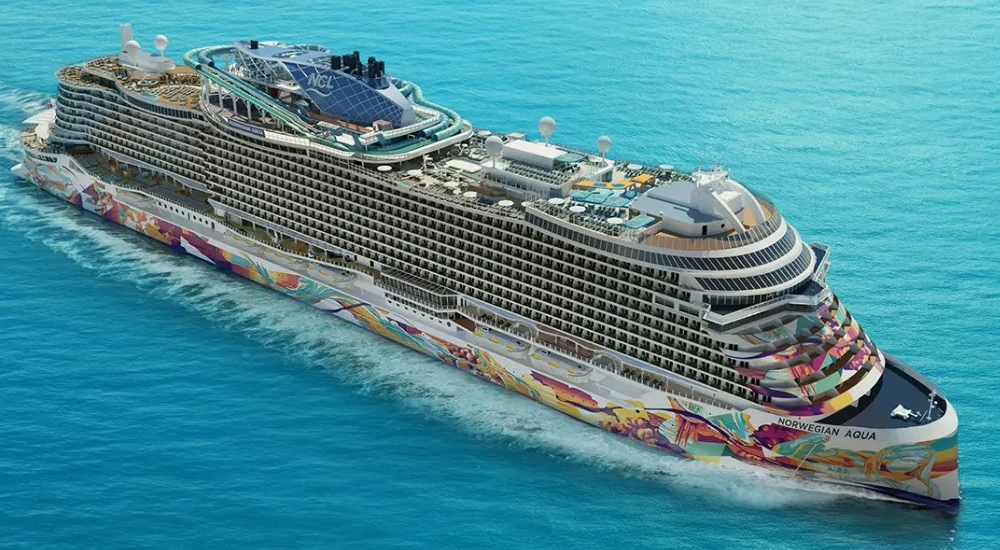
The geographic footprint of NCL is a roadmap of its global growth strategy. Each region where the line operates serves a specific purpose in its brand portfolio, from maintaining market share in “legacy” regions to establishing a foothold in emerging markets.
The Alaska Stronghold: Premium Positioning in Wild Frontiers
Alaska is perhaps the most competitive market in the cruise industry, and NCL’s presence there is a masterclass in brand positioning. NCL has secured a dominant position by investing in port infrastructure, such as the Ward Cove dock in Ketchikan. By ensuring its newest and most innovative ships—like the Prima Class—frequent these routes, NCL positions itself as the “premium-innovator” in the region. The brand utilizes the rugged beauty of Alaska to contrast with the high-tech, modern interiors of its ships, creating a brand narrative of “Sophistication Meets the Wild.”
The European Pivot: Cultural Immersion as a Growth Lever
In Europe, NCL’s strategy focuses on “port-intensive” itineraries. While some lines focus on the luxury of the ship while at sea, NCL’s European branding emphasizes the ship as a floating boutique hotel that wakes up in a new world-class city every day. This approach has allowed NCL to capture a significant share of the North American market looking for an accessible way to “do Europe.” By sailing to smaller, more “exclusive” ports like those in the Greek Isles or the Norwegian Fjords, NCL distinguishes its brand from the mega-ship lines that are often restricted to the largest industrial ports.
The Prima Class Evolution: Rebranding Through Destination Upgrading
The introduction of the Prima Class of ships represents a significant evolution in the NCL brand, and where these ships go is a vital part of that story. The Prima Class is designed to be more spacious, with a higher staff-to-guest ratio and more upscale finishes. Consequently, the itineraries for these ships are carefully selected to mirror this “elevated” brand status.
Attracting the New Luxury Demographic
NCL is using its newest vessels to court the “New Luxury” traveler—someone who values experiences and design over traditional opulence. To support this, NCL has moved these ships into more boutique-style itineraries, including voyages to Iceland, Greenland, and less-frequented Mediterranean ports. The brand strategy here is clear: by aligning high-end hardware with high-end geography, NCL is moving up-market. The “where” acts as a filter, attracting a demographic that is willing to pay a premium for a more refined, curated journey.
Strategic Port Diversification in the Post-Pandemic Era
Post-pandemic, the brand has demonstrated agility by diversifying its homeports. By sailing from “drive-to” markets like New York, New Orleans, and Galveston, NCL has made its brand more accessible to domestic travelers. This is a logistical response to consumer sentiment, positioning the brand as a convenient yet high-quality vacation option. The strategic expansion into these varied homeports ensures that the brand remains resilient against economic fluctuations and changing travel restrictions, maintaining a steady presence in the consumer’s mind.
Corporate Identity and Sustainability: Navigating Ethical Geography
In the modern business environment, a brand’s identity is inextricably linked to its environmental, social, and governance (ESG) performance. Where NCL goes is increasingly dictated by where it is allowed to go, and how it behaves when it gets there.
The “Sail & Sustain” Mandate
NCL’s “Sail & Sustain” program is a core component of its brand strategy. As certain destinations—such as Venice or the Norwegian Fjords—implement stricter environmental regulations or limit ship sizes, NCL has responded by investing in technology that allows its ships to visit these sensitive areas. This is a branding double-win: it allows the company to continue offering high-demand destinations while positioning the brand as a leader in maritime sustainability. By being one of the few lines capable of meeting the stringent requirements of certain world-heritage sites, NCL reinforces its status as a responsible, forward-thinking global citizen.
Destination Management as Brand Protection
The brand also engages in active destination management to protect its long-term assets. By working with local governments to improve port facilities and manage guest flow, NCL ensures that the destinations it frequents remain desirable. A brand is only as good as the experience it delivers; if a port is overcrowded or poorly maintained, it reflects poorly on NCL. Therefore, the brand’s strategic involvement in the development of the ports it visits is an exercise in brand protection. NCL doesn’t just go to these places; it invests in them to ensure the “Norwegian” experience remains synonymous with quality and enjoyment.
In conclusion, the question of where Norwegian Cruise Line goes is answered by a complex interplay of brand philosophy, market positioning, and strategic investment. From the private retreats of the Bahamas to the remote reaches of the Arctic, every port is a chosen chapter in the brand’s narrative. By aligning its geographic footprint with its “Freestyle” identity and its move toward premiumization, NCL has successfully used the world map as a canvas for its brand growth. For NCL, the destination is not just a place on a map; it is a vital asset in the construction of a global, lifestyle-oriented brand.
aViewFromTheCave is a participant in the Amazon Services LLC Associates Program, an affiliate advertising program designed to provide a means for sites to earn advertising fees by advertising and linking to Amazon.com. Amazon, the Amazon logo, AmazonSupply, and the AmazonSupply logo are trademarks of Amazon.com, Inc. or its affiliates. As an Amazon Associate we earn affiliate commissions from qualifying purchases.