
Amazon, the undisputed behemoth of global e-commerce, has fundamentally reshaped how consumers shop and how businesses operate. Its ubiquitous presence in countless households worldwide often leads to a fundamental question: where exactly does Amazon acquire the staggering array of products it sells? This isn’t merely a question of logistics; it’s a deep dive into Amazon’s intricate business model, its financial strategies, and the sprawling economic ecosystem it has created. Understanding Amazon’s sourcing mechanisms is crucial for investors, entrepreneurs, small businesses, and anyone interested in the financial underpinnings of modern retail, offering insights into revenue generation, cost structures, and opportunities for online income.
The Multi-Faceted Sourcing Strategy: Beyond Direct Purchases
Amazon’s inventory isn’t stockpiled in a single, monolithic manner. Instead, its product acquisition strategy is a sophisticated blend of traditional retail procurement and an innovative marketplace model, each with distinct financial implications for both Amazon and its partners. This dual approach allows Amazon to offer unparalleled product variety while optimizing its operational costs and expanding its revenue streams.
The Third-Party Marketplace: A Goldmine for Sellers and Amazon
Perhaps the most significant component of Amazon’s product sourcing, and a major driver of its profitability, is its third-party marketplace. This platform allows millions of independent sellers – from individual side hustlers to established small and medium-sized businesses – to list and sell their products directly to Amazon’s vast customer base. These third-party sales now account for over 60% of all units sold on Amazon, a testament to its scale and success.
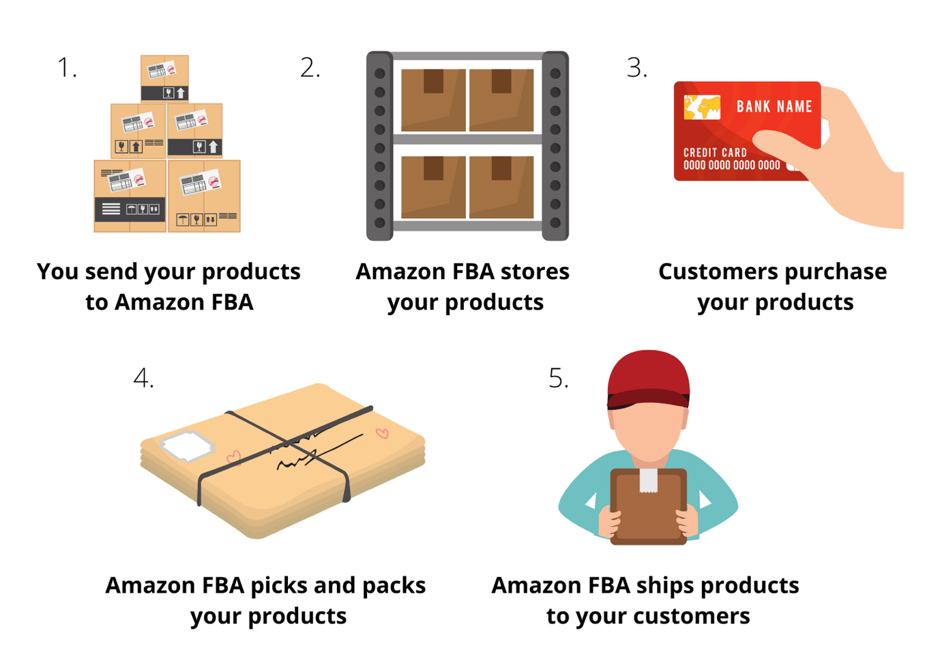
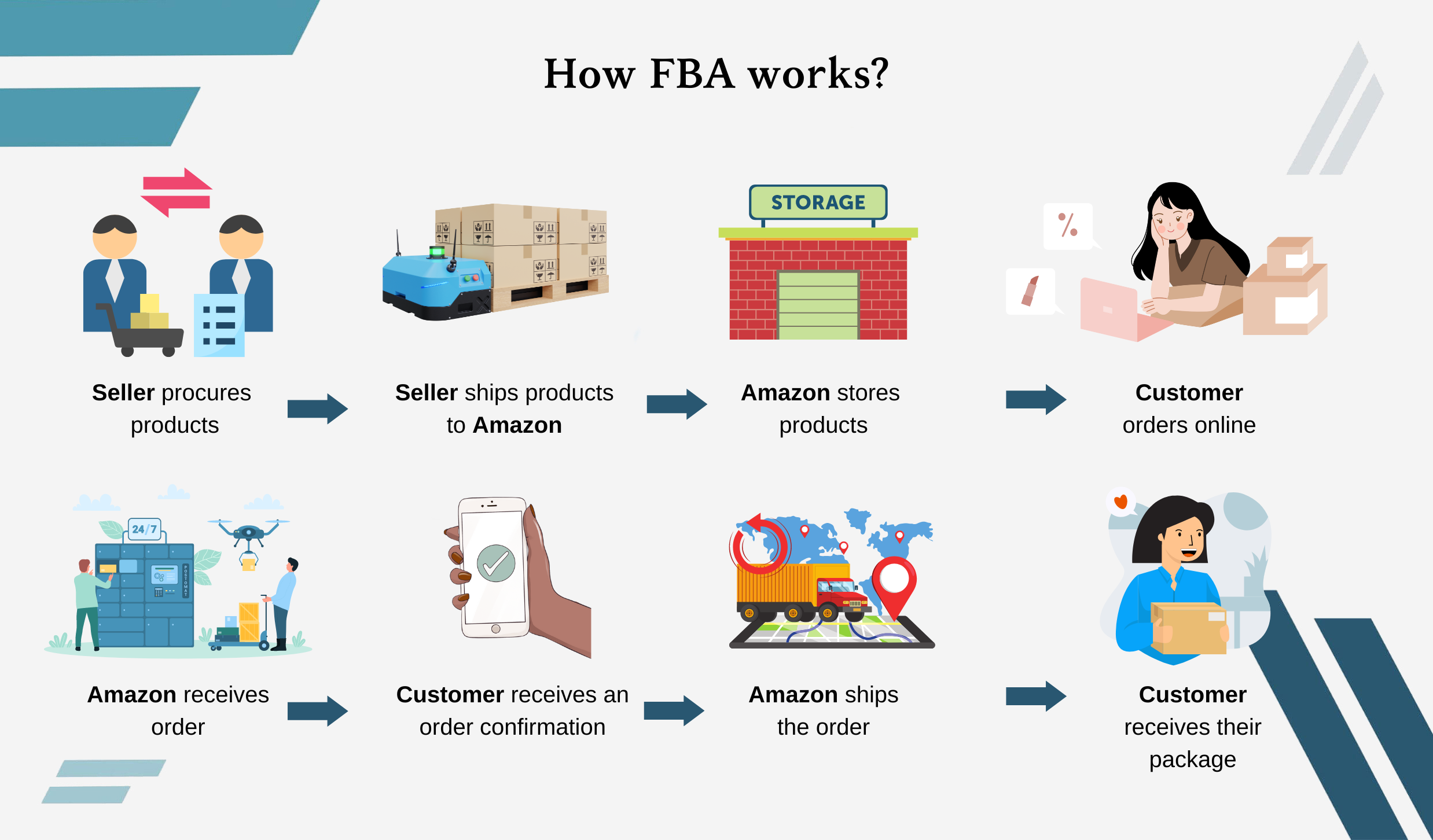
For sellers, the Amazon marketplace represents an unparalleled opportunity for online income and business growth, offering access to a global audience without the need to build and maintain their own e-commerce infrastructure. They pay Amazon a referral fee (a commission on each sale, typically 8-15% depending on the product category) for the privilege of listing their products. Beyond these commissions, sellers often opt into Amazon’s Fulfillment by Amazon (FBA) program. With FBA, sellers ship their products to Amazon’s fulfillment centers, and Amazon handles storage, picking, packing, shipping, customer service, and returns. While FBA incurs additional fees (storage fees, fulfillment fees), it significantly streamlines operations for sellers and often leads to higher sales due due to eligibility for Prime shipping and Amazon’s trusted fulfillment. This program transforms Amazon from a simple platform into a comprehensive logistics and service provider, generating substantial revenue from its merchant services division. Alternatively, sellers can choose Fulfillment by Merchant (FBM), where they manage all aspects of storage and shipping themselves, foregoing FBA fees but taking on greater operational responsibility. From Amazon’s perspective, the third-party marketplace provides an almost limitless product catalog without the capital outlay or inventory risk associated with direct purchasing.
First-Party Vendor Relationships: The Traditional Retail Model
Alongside its bustling marketplace, Amazon also functions as a traditional retailer, purchasing products directly from manufacturers, distributors, and wholesalers. This is the “first-party” (1P) model, where Amazon buys inventory in bulk and then resells it directly to consumers under the “Ships from and sold by Amazon.com” banner. This category includes everything from popular electronics brands and books to groceries and apparel.
In these relationships, Amazon acts as a wholesale buyer, negotiating purchase prices, payment terms, and delivery schedules directly with its vendors. The company leverages its immense purchasing power to secure favorable terms, often driving down costs per unit. This model allows Amazon to maintain tighter control over pricing, promotions, and the customer experience for these specific products. However, it also means Amazon takes on the inventory risk; if products don’t sell as anticipated, Amazon bears the cost of unsold stock. While the profit margins on individual 1P items can be lower than the commission rates from 3P sales, the sheer volume and strategic importance of these flagship products contribute significantly to Amazon’s overall revenue and market dominance. It’s a critical component for ensuring the availability of high-demand items and maintaining competitive pricing against other major retailers.
Amazon’s Private Label Brands: A Strategic Financial Play
Beyond merely selling other companies’ products, Amazon has aggressively developed its own portfolio of private label brands. This strategy is a sophisticated financial maneuver designed to capture higher profit margins, strengthen brand loyalty, and reduce reliance on third-party suppliers for certain product categories.
Building In-House Brands: Control and Profitability
Amazon’s private label strategy involves designing, manufacturing (or contracting manufacturing), and selling products under its own proprietary brand names. The most well-known example is Amazon Basics, which offers everything from batteries and charging cables to office supplies and kitchenware. Other private labels span across numerous categories, including clothing (e.g., Goodthreads, Daily Ritual), home goods (e.g., Stone & Beam, Rivet), and electronics (e.g., Amazon Essentials, various smart home devices).
The financial advantage of private labels is straightforward: by cutting out intermediaries, Amazon captures the entire profit margin, from manufacturing cost to retail price. This significantly enhances profitability compared to selling branded products from other manufacturers or earning a commission from third-party sellers. Moreover, private labels give Amazon complete control over product quality, design, pricing, and marketing, allowing it to respond quickly to market trends and customer feedback. It also reduces Amazon’s reliance on specific brands, strengthening its negotiating position across the board. The investment in developing and manufacturing these brands is substantial, but the long-term financial returns and strategic control make it a highly attractive endeavor.
Data-Driven Product Development: Minimizing Risk, Maximizing Return
A cornerstone of Amazon’s private label success is its unparalleled access to vast amounts of consumer data. Through its marketplace and first-party sales, Amazon gathers extensive information on product demand, search queries, customer reviews, pricing sensitivities, and gaps in the market. This data is an invaluable asset, allowing Amazon to identify specific products or categories that are highly popular but where existing options might be overpriced, have poor reviews, or lack certain features.
This data-driven approach minimizes the financial risk associated with new product development. Instead of guessing what consumers want, Amazon can pinpoint profitable niches and design private label products that directly address identified market needs or outperform existing offerings on price or quality. For example, if Amazon observes high demand for a specific type of kitchen gadget with many customers complaining about its durability in reviews, it can develop its own version, manufactured to higher specifications, and sell it at a competitive price. This strategic use of data ensures that its private label investments are targeted, increasing the likelihood of high sales volumes and strong financial returns.
The Logistics Backbone: Ensuring Product Availability and Cost Efficiency
None of Amazon’s sourcing strategies would be effective without its monumental and highly sophisticated logistics infrastructure. This global network is not just a cost center but a strategic asset that enables Amazon to deliver products rapidly and efficiently, thereby boosting customer satisfaction and underpinning its entire business model. The scale of investment in this area underscores its critical role in Amazon’s financial success.
Global Fulfillment Network: Warehousing and Distribution
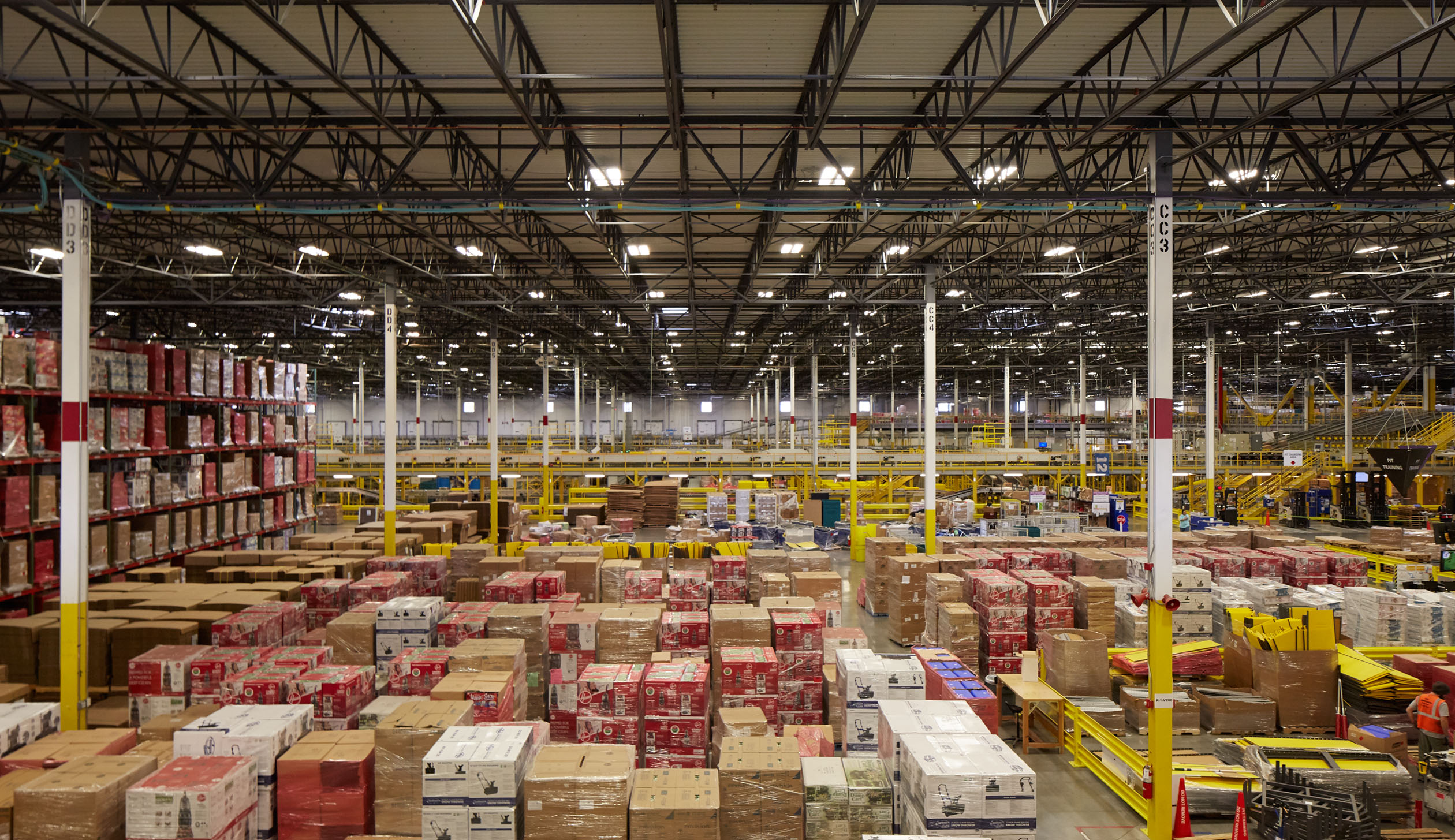
Amazon’s fulfillment network is arguably the most expansive and technologically advanced in the world. It comprises hundreds of fulfillment centers, sortation centers, and delivery stations strategically located across the globe. These massive facilities are where products – whether from third-party sellers using FBA or Amazon’s own 1P inventory and private label stock – are stored, managed, and prepared for shipment.
The efficiency of this network is paramount. Advanced robotics, AI-driven inventory management systems, and sophisticated algorithms optimize storage placement, picking routes, and packing processes, minimizing labor costs and maximizing throughput. This infrastructure not only supports Amazon’s own sales but also serves as a revenue-generating service for third-party sellers through FBA. The ability to guarantee fast, reliable delivery (especially for Prime members) is a key differentiator for Amazon, driving customer loyalty and repeat purchases, which translates directly into sustained revenue growth. The constant investment in expanding and upgrading this network represents a significant capital expenditure, but one that is absolutely vital for maintaining Amazon’s competitive edge and long-term financial health.
Transportation and Last-Mile Delivery Innovations
Beyond the walls of its fulfillment centers, Amazon has made colossal investments in controlling its transportation network. This includes Amazon Air, its dedicated cargo airline fleet, thousands of Amazon-branded delivery vans, and a vast network of third-party logistics partners. By building out its own transportation capabilities, Amazon reduces its reliance on external carriers, gains greater control over delivery times, and can optimize routes for cost efficiency.
The “last-mile delivery” – the final leg of a product’s journey to the customer’s doorstep – is often the most expensive and complex part of the supply chain. Amazon’s innovations in this area, including drone delivery pilots and various delivery service partner programs that empower small businesses to operate Amazon-branded delivery routes, are all aimed at reducing costs, improving speed, and enhancing the customer experience. These investments, while significant, are a strategic financial move to internalize costs, improve service levels, and ultimately protect profit margins in the highly competitive e-commerce landscape.
Financial Implications and Economic Ecosystem
Amazon’s multi-pronged approach to product sourcing has profound financial implications, shaping its revenue streams, profit margins, and its role as an economic catalyst for millions.
Revenue Streams and Profit Margins: A Diverse Portfolio
Amazon’s revenue model is remarkably diverse, intricately linked to its product sourcing strategies. From first-party sales, it generates traditional retail revenue, though often at thinner margins due to competitive pricing. From its third-party marketplace, it earns significant revenue through commissions and an even more profitable stream from FBA fees, storage charges, and advertising services offered to sellers. Private label brands, with their higher inherent margins, contribute disproportionately to profitability for each unit sold.
This diversification of revenue sources provides Amazon with financial resilience. When retail margins are squeezed, the more profitable services arm (AWS, advertising, seller services) can pick up the slack. Conversely, strong retail performance boosts overall top-line growth. Understanding these distinct streams is crucial for financial analysis of Amazon, as they reveal the varied profitability and growth potential within its vast operations. The strategic balance between these models allows Amazon to maintain aggressive pricing, expand its market share, and continually invest in future growth.
Empowering Small Businesses and Driving Online Income
Beyond Amazon’s own financial success, its sourcing model has created an enormous economic ecosystem that empowers countless entrepreneurs and small businesses to generate online income. The barrier to entry for selling globally has been significantly lowered, allowing individuals to turn side hustles into full-time ventures or small businesses to scale rapidly without massive upfront investments in infrastructure.
Sellers on Amazon are themselves mini-businesses, making investment decisions on inventory, managing marketing budgets (often through Amazon’s own advertising platform), and analyzing their financial performance. The platform offers a powerful channel for wealth creation, job creation, and economic decentralization, fostering a dynamic environment where millions are pursuing online income opportunities. This symbiotic relationship, where Amazon provides the platform and infrastructure, and sellers provide the product diversity and entrepreneurial drive, is a testament to the transformative financial impact of Amazon’s innovative sourcing and business strategies.
In conclusion, Amazon’s method of acquiring products is far more complex than simply buying from suppliers. It’s a meticulously crafted, multi-layered strategy involving direct purchasing, fostering a massive third-party marketplace, and developing its own profitable private label brands, all supported by an unparalleled global logistics network. This intricate model is not just about logistics; it’s a brilliant financial architecture that optimizes revenue, diversifies profit streams, minimizes risk, and creates a thriving economic ecosystem, making Amazon a dominant force in the global economy and a powerful engine for online income generation.
aViewFromTheCave is a participant in the Amazon Services LLC Associates Program, an affiliate advertising program designed to provide a means for sites to earn advertising fees by advertising and linking to Amazon.com. Amazon, the Amazon logo, AmazonSupply, and the AmazonSupply logo are trademarks of Amazon.com, Inc. or its affiliates. As an Amazon Associate we earn affiliate commissions from qualifying purchases.