
The seemingly simple question, “Where do you watch TV?”, once evoked a straightforward answer: the living room, in front of a large console. Today, the query unravels a complex tapestry of technological advancements, shifting consumer habits, and a sprawling digital ecosystem. The monolithic broadcast era has given way to a fragmented, personalized, and ubiquitous viewing experience, driven by innovation in devices, software, and connectivity. Understanding this evolution means delving deep into the tech that underpins modern media consumption, from the screens in our pockets to the AI that curates our next binge.
The Proliferation of Screens: Beyond the Living Room
The days when television was synonymous with a single, dedicated appliance in a communal space are long past. Technology has democratized the screen, empowering individuals to access content on an unprecedented array of devices, effectively turning almost any personal electronic into a potential TV. This proliferation has redefined not just where we watch, but also how and when.

Smart TVs as the Central Hub: Integration and Evolution
While the concept of “TV” has expanded, the traditional television set remains a cornerstone, albeit a radically transformed one. Modern Smart TVs are powerful computing devices, equipped with sophisticated operating systems (like Android TV, webOS, Tizen), direct internet connectivity, and app stores that rival those on smartphones. They integrate streaming services, connect to smart home ecosystems, and offer enhanced picture technologies like 4K HDR and OLED, providing an immersive communal viewing experience. The evolution here isn’t just about display quality but about the TV becoming a central, intelligent hub for digital entertainment, consolidating disparate streaming apps and offering voice control through integrated AI assistants. They serve as the anchor for home entertainment systems, often connected to soundbars, gaming consoles, and other peripheral devices, yet their role is increasingly challenged by the portability and personal nature of other screens.
Mobile Devices: The Personal Cinematic Experience
Smartphones and tablets have emerged as perhaps the most disruptive force in TV consumption. Their portability, high-resolution displays, and constant connectivity have transformed them into personal cinemas, freeing viewers from the constraints of location and time. Commutes become opportunities to catch up on series, waiting rooms become temporary screening rooms, and even different rooms within the same house can host simultaneous, individualized viewing sessions. The development of robust mobile apps for virtually every streaming service, coupled with advancements in mobile chipsets and display technology, has ensured that the viewing experience on a handheld device is far from a compromise. This shift highlights a move towards hyper-personalization, where content is consumed on one’s own terms, fostering an “anytime, anywhere” mentality that contrasts sharply with the scheduled broadcasts of yesteryear.
Computers and Tablets: Flexible Viewing Stations
Laptops and desktop computers, along with larger-screen tablets, occupy a versatile middle ground. They offer a larger screen real estate than smartphones, making them suitable for longer viewing sessions, yet retain a level of portability that traditional TVs lack. For many, a laptop connected to a larger monitor serves as the primary gateway to streaming content, particularly for those working from home or living in smaller spaces where a dedicated TV might be impractical. Tablets, with their touch interfaces and lighter form factor, excel in offering a comfortable, casual viewing experience, whether lounging on a couch or working remotely. The flexibility these devices offer in terms of screen size, input methods, and multitasking capabilities ensures their continued relevance as key platforms for consuming video content, blending productivity with entertainment.
The Rise of Streaming Platforms: A Decentralized Ecosystem
The technological infrastructure of screens would be inert without the content and distribution mechanisms that power them. The answer to “where do you watch TV” is increasingly tied to which platform you use, signaling a profound shift from channel-based linear programming to a decentralized, on-demand streaming ecosystem. This digital transformation has spawned a diverse landscape of services, each vying for viewer attention and subscription dollars.
SVOD, AVOD, and FAST Channels: Understanding the Landscape
The streaming world is segmented into several key models. Subscription Video On Demand (SVOD) services, exemplified by Netflix, Disney+, and HBO Max, offer vast libraries of content for a recurring monthly fee. Their success is built on original programming, exclusive licenses, and the convenience of ad-free viewing. Conversely, Advertising-Video On Demand (AVOD) platforms, like YouTube, Peacock (free tier), and Pluto TV, provide content at no direct cost to the user, funded entirely by commercials. This model lowers the barrier to entry, making a wide range of content accessible to everyone. A relatively newer entrant is Free Ad-Supported Streaming TV (FAST), which mimics traditional linear TV with scheduled channels but delivered over the internet and supported by ads. Services like Tubi and Plex Live TV fall into this category, offering a familiar lean-back experience with a curated flow of programming, proving that even in a highly on-demand world, there’s still an appetite for scheduled content, particularly when it’s free.
Aggregators and Content Discovery: Navigating the Maze
The proliferation of streaming services has, however, introduced a new challenge: content fragmentation and discovery. Viewers often subscribe to multiple services, leading to a “streaming fatigue” as they navigate various apps to find specific shows or movies. This complexity has spurred the development of content aggregators and sophisticated universal search functionalities. Platforms like Apple TV (app), Google TV, and Roku’s unified search aim to simplify this experience by allowing users to search across all their subscribed services from a single interface. These aggregators not only streamline discovery but also offer personalized recommendations based on viewing history across different platforms, often leveraging AI to predict user preferences. The future of watching TV increasingly involves smart software that acts as a personal concierge, guiding viewers through the vast sea of available content and making the decentralized ecosystem feel more cohesive.
Connectivity and Infrastructure: The Unsung Heroes
Behind every seamless stream, every crisp 4K image, and every uninterrupted binge session lies a robust network infrastructure. The answer to “where do you watch TV” is as much about the device and platform as it is about the invisible wires and waves that deliver the content. Without reliable, high-speed connectivity, the modern TV viewing experience would simply not exist.
Broadband and 5G: Enabling Seamless Streaming
High-speed internet is the bedrock of contemporary TV consumption. Broadband internet, whether fiber-optic, cable, or DSL, provides the necessary bandwidth for streaming high-definition and ultra-high-definition content without buffering. As resolutions increase and more devices simultaneously stream content within a household, the demand for faster and more reliable home internet connections continues to grow. The advent of 5G wireless technology further expands the horizons of mobile TV viewing. With its promise of significantly faster speeds and lower latency compared to previous generations, 5G enables truly seamless streaming of even 4K content on mobile devices, transforming public spaces, commutes, and remote locations into viable viewing environments. This mobile connectivity revolution ensures that the “anywhere” aspect of modern TV watching is not just a promise but a consistent reality.
Home Networks and Wi-Fi 6: Optimizing Local Delivery
Even with a blazing-fast internet connection entering the home, the quality of the internal home network plays a crucial role. Outdated routers or poor Wi-Fi coverage can create bottlenecks, leading to buffering or reduced video quality, particularly in larger homes or those with many connected devices. The emergence of Wi-Fi 6 (802.11ax) technology addresses these challenges by offering greater efficiency, faster speeds, and improved performance in congested network environments. Wi-Fi 6 routers are designed to handle multiple devices streaming simultaneously, prioritizing traffic, and reducing latency, ensuring that every smart TV, streaming stick, tablet, and smartphone within the home receives a high-quality, uninterrupted stream. Mesh Wi-Fi systems also contribute significantly, eliminating dead zones and providing consistent coverage, which is vital for enabling a truly ubiquitous “watch TV anywhere in the house” experience.
Emerging Technologies: The Future of TV Consumption
The journey of television is far from over. As we consider “where do you watch TV” in the coming years, a host of emerging technologies promises to redefine the very nature of content consumption, pushing the boundaries of immersion, personalization, and interactivity.
Virtual and Augmented Reality: Immersive Experiences
Virtual Reality (VR) and Augmented Reality (AR) stand at the precipice of transforming passive viewing into active immersion. While still nascent in mainstream TV consumption, VR headsets offer the potential for truly cinematic experiences, creating virtual home theaters that can simulate IMAX-sized screens in any environment. Imagine watching a live concert or a sports event not just on a screen, but from within the event itself, with 360-degree views and interactive elements. AR, on the other hand, could overlay contextual information onto live broadcasts or enhance storytelling by projecting elements of a show into your living room. While widespread adoption faces hurdles related to hardware cost and comfort, the underlying technology is rapidly advancing, pointing towards a future where “watching TV” might involve stepping into the content.
AI-Driven Personalization: Smarter Recommendations
Artificial Intelligence is already a silent workhorse behind most streaming platforms, powering recommendation engines that suggest what to watch next. However, its role is set to become even more profound. Future AI-driven personalization will go beyond simple content suggestions, anticipating viewer moods, curating entire viewing schedules, and even dynamically altering aspects of content based on individual preferences. This could involve real-time edits to show intros, personalized ad placements that feel less intrusive, or even interactive narratives where AI guides the viewer through different story branches. The goal is to create an ultra-tailored viewing experience that feels intuitively designed for each user, optimizing engagement and reducing the effort required for content discovery.
Cloud Gaming and Interactive Content: Blurring Lines
The boundaries between watching TV, playing games, and interacting with content are increasingly blurring. Cloud gaming services like Xbox Cloud Gaming or NVIDIA GeForce NOW allow users to stream high-fidelity video games to almost any screen, including smart TVs and mobile devices, without the need for expensive dedicated hardware. This convergence means that the same devices and networks used for streaming movies can also deliver rich interactive entertainment. Furthermore, the rise of interactive content, where viewers make choices that influence the narrative (e.g., Netflix’s Bandersnatch), hints at a future where traditional passive viewing becomes a more dynamic, participatory experience. This evolution challenges the very definition of “watching TV,” transforming it into an active engagement with digital narratives and experiences.
The Impact on Viewer Habits and Content Creation
The technological shifts in where we watch TV have had a profound reciprocal effect on how we watch and what content is created. The fragmented device landscape and on-demand streaming paradigm have irrevocably altered viewer habits and necessitated a strategic reimagining of content creation and distribution.
On-Demand Culture: The End of Appointment Viewing
The most significant shift in viewer habits is the definitive move away from “appointment viewing.” With virtually all content available on demand, viewers are no longer tethered to broadcast schedules. This “skip-ahead, pause, rewind” culture has given rise to binge-watching, where entire seasons of shows are consumed in a matter of days or hours. This control over consumption has empowered viewers, but also poses challenges for traditional advertising models and live event broadcasting, which must now adapt to a world where immediate access and flexibility are paramount. The ability to watch a show “whenever, wherever” has become a baseline expectation, fundamentally reshaping the viewer-content relationship.
Multi-Screen Engagement: A New Way to Watch
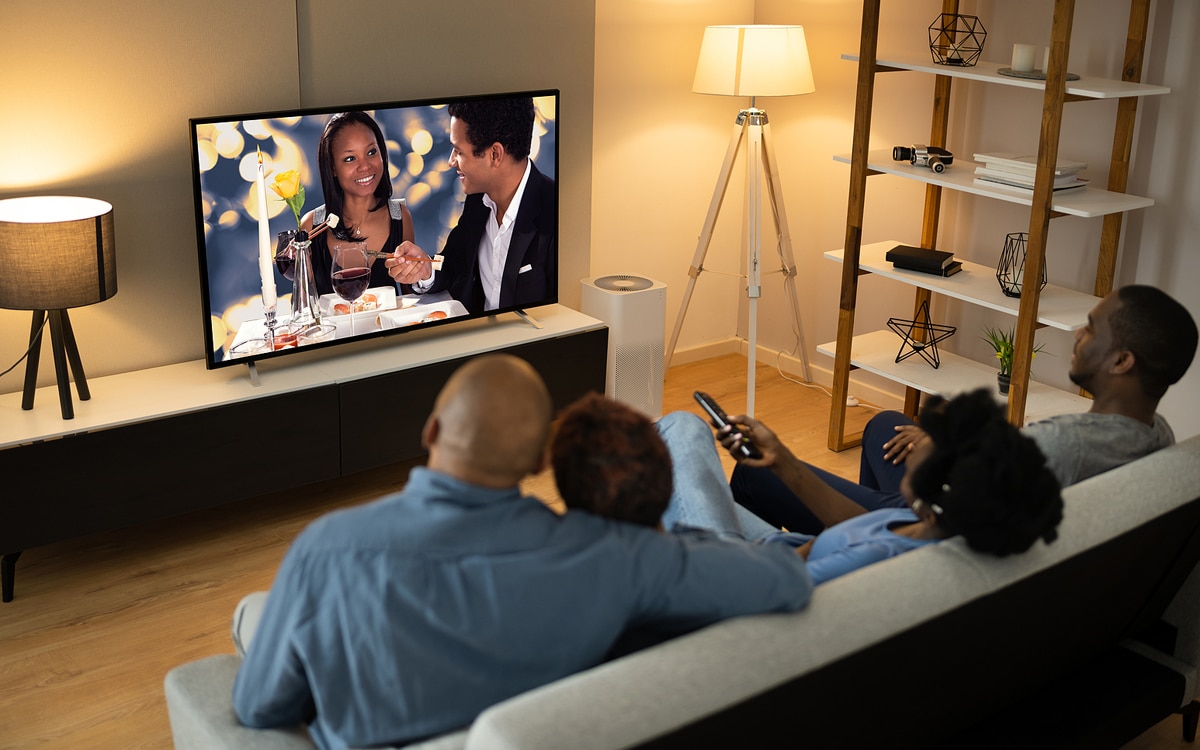
Modern TV viewing is rarely a singular, focused activity on one screen. The proliferation of devices has fostered a culture of multi-screen engagement. Viewers often watch a show on their primary screen (e.g., a smart TV) while simultaneously scrolling through social media, researching actors, or engaging in live discussions about the content on a second device (e.g., a smartphone or tablet). This behavior has significant implications for content creators and marketers, who must now design experiences that cater to this divided attention, potentially integrating interactive elements or supplementary content specifically for second screens. The “where do you watch TV” question has evolved to include “what else are you doing while you watch TV?”, highlighting the interconnectedness of our digital lives and the dynamic, active nature of modern media consumption.
aViewFromTheCave is a participant in the Amazon Services LLC Associates Program, an affiliate advertising program designed to provide a means for sites to earn advertising fees by advertising and linking to Amazon.com. Amazon, the Amazon logo, AmazonSupply, and the AmazonSupply logo are trademarks of Amazon.com, Inc. or its affiliates. As an Amazon Associate we earn affiliate commissions from qualifying purchases.