
Navigating the complexities of the Internal Revenue Service (IRS) can be a daunting task for even the most financially literate individuals. One of the most critical aspects of maintaining fiscal health is ensuring that tax liabilities are settled accurately and on time. However, the answer to “where do you send payments to the IRS” has evolved significantly in the digital age. No longer restricted to a simple paper check sent to a local processing center, the IRS now offers a multi-faceted ecosystem of payment gateways designed to cater to individual taxpayers, high-net-worth investors, and diverse business entities.
Understanding the correct destination for your funds is not just a matter of administrative curiosity; it is a vital component of personal finance management. Misdirecting a payment can lead to processing delays, unnecessary penalties, and interest accrual that can erode your net worth. This guide provides a deep dive into the modern landscape of IRS payment channels, helping you choose the most secure and efficient method for your specific financial situation.
The Digital Shift: Leveraging Electronic Payment Systems
In the contemporary financial landscape, digital transactions have become the gold standard for security and speed. The IRS has invested heavily in its digital infrastructure, encouraging taxpayers to move away from physical mail in favor of electronic portals.
IRS Direct Pay: The Preferred Method for Individuals
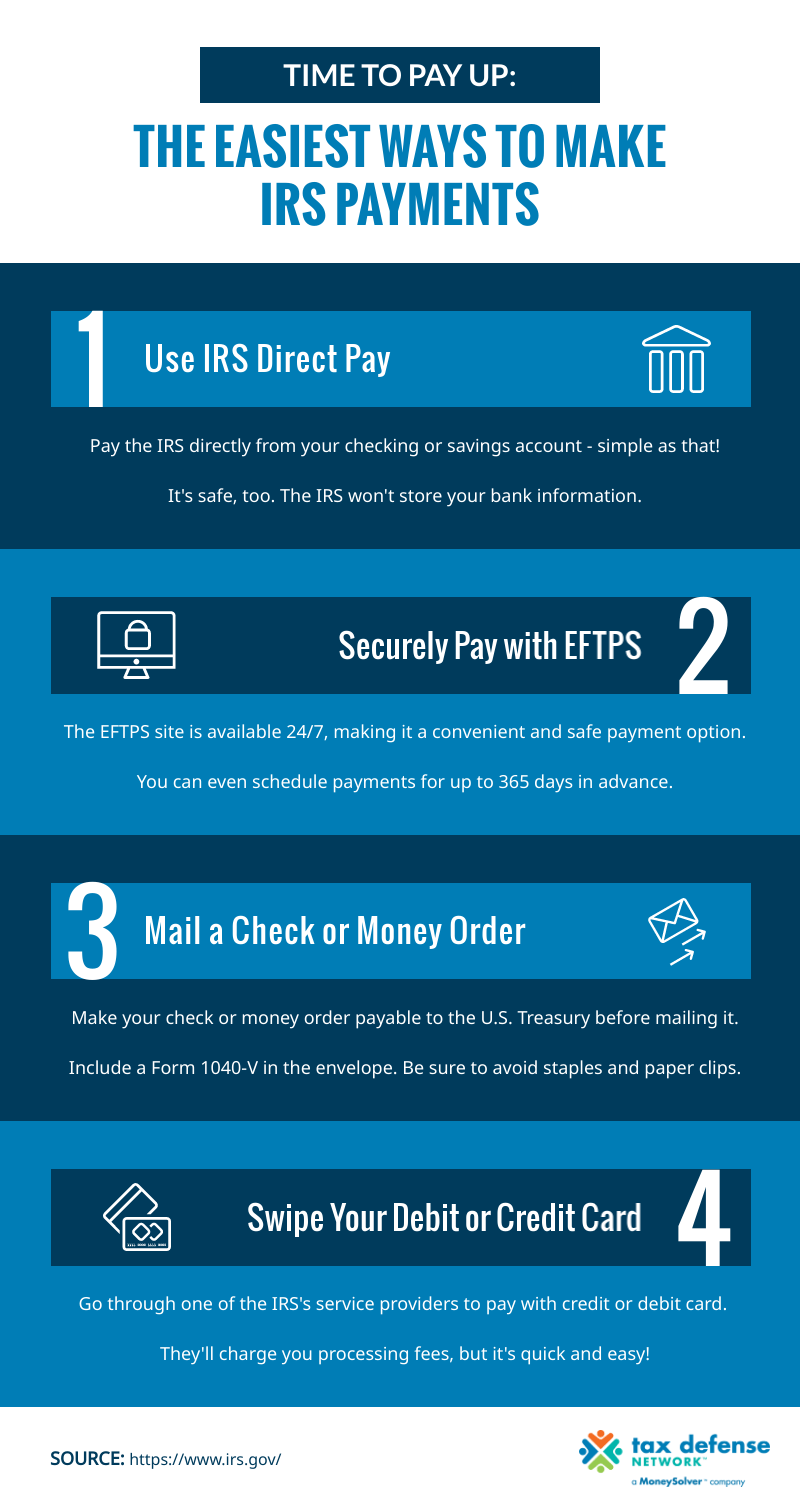
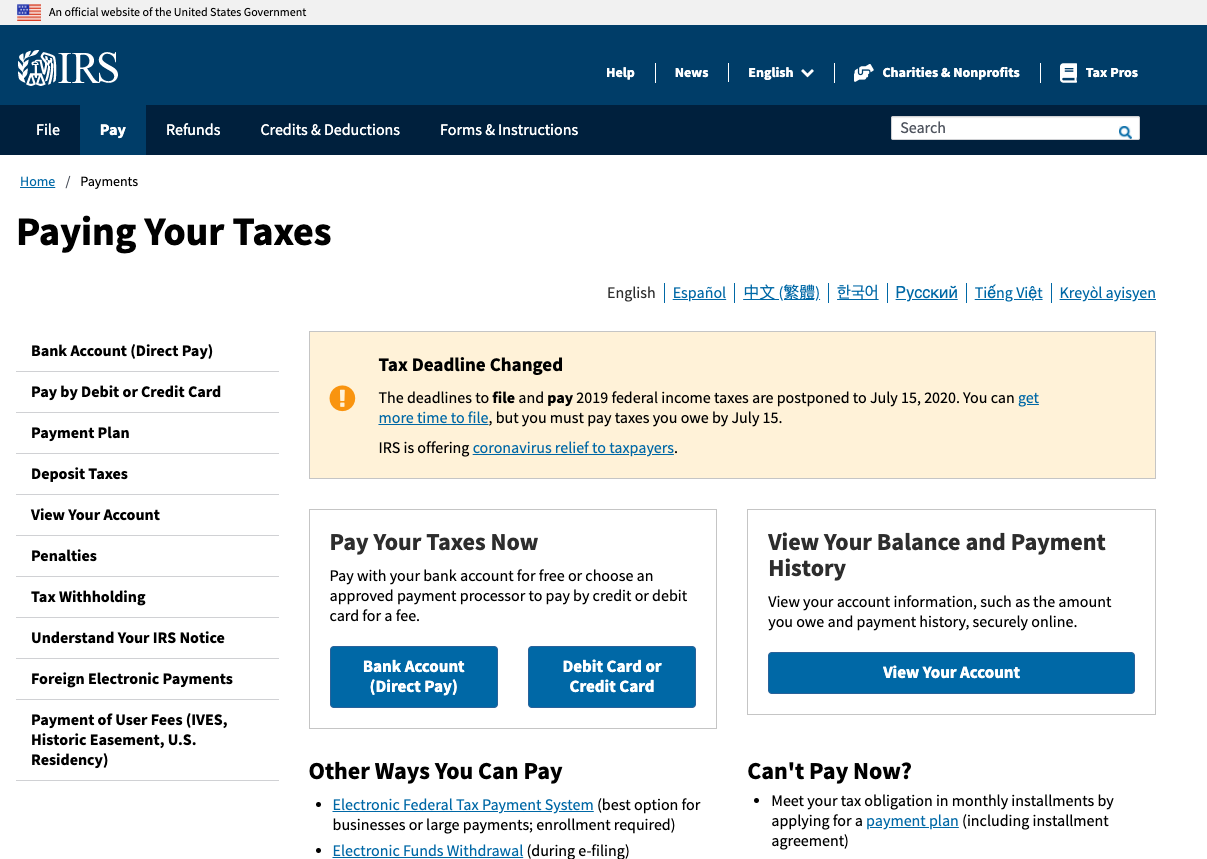
For the majority of individual taxpayers, IRS Direct Pay is the most streamlined solution. This service allows you to pay your income tax directly from a checking or savings account without any processing fees. It is particularly useful for those paying Form 1040 (U.S. Individual Income Tax Return) liabilities or making estimated tax payments for the current year.
From a financial planning perspective, Direct Pay offers an immediate confirmation number, providing an audit trail that is much more reliable than a cancelled check. You can schedule payments up to 365 days in advance, allowing for strategic cash flow management—a key pillar of personal finance.
EFTPS: The High-Volume and Business Standard
The Electronic Federal Tax Payment System (EFTPS) is a more robust tool designed for business owners and individuals with complex tax requirements. While it requires a separate registration process and a secure PIN, EFTPS is the professional choice for handling large-sum transfers, corporate taxes, and employment tax deposits.
If you are a freelancer or a small business owner, using EFTPS allows you to track a comprehensive history of your federal tax deposits. This level of transparency is essential for accurate bookkeeping and ensures that your business remains in good standing with federal regulators.
Credit and Debit Card Options
While the IRS does not directly accept credit card payments, they authorize several third-party processors to handle these transactions. From a strategic money management standpoint, paying taxes with a credit card is usually a last resort due to the convenience fees, which typically range from 1.8% to 2.5%. However, if you are leveraging a high-reward credit card or need to bridge a short-term liquidity gap to avoid high-interest IRS penalties, this method can be a calculated financial move.
The Traditional Route: Mailing Your Payment
Despite the push for digitalization, thousands of taxpayers still prefer—or are required—to send physical payments via the U.S. Postal Service. When opting for this route, the “where” becomes highly specific, as the IRS utilizes different processing centers based on your geographic location and the type of tax form you are filing.
Determining the Correct Processing Center
The IRS divides the United States into various regions for the purpose of tax collection. For example, a taxpayer living in New York will send their payment to a different address than a taxpayer in California. These addresses are subject to change annually, so it is imperative to check the instructions for Form 1040-V (Payment Voucher) for the current year. Sending a check to the wrong regional office can delay your payment’s posting by weeks, potentially triggering “failure to pay” notices even if the check was mailed on time.
The Critical Role of Form 1040-V
If you choose to mail a check or money order, you must include Form 1040-V. This small voucher acts as a roadmap for the IRS’s automated scanning systems. It includes your Social Security Number (SSN), the tax period, and the specific form type. Without this voucher, your check may sit in a manual processing queue, increasing the risk of it being misplaced or misapplied to the wrong tax year. From a risk management perspective, the 1040-V is your primary safeguard when dealing with physical mail.
Ensuring Proof of Delivery
When mailing significant sums of money to the federal government, “regular mail” is rarely sufficient. Financial experts recommend using USPS Certified Mail with a Return Receipt Requested. This provides a legal “proof of mailing” and a “proof of delivery.” In the event that the IRS claims they never received your payment, this documentation is your only defense against late fees and interest. It turns a potential financial nightmare into a manageable administrative correction.
Specialized Payments: Estimated Taxes and Business Liabilities
For those whose income is not subject to standard withholding—such as investors, freelancers, and small business owners—the “where” and “when” of IRS payments take on a different rhythm. This is the realm of quarterly estimated tax payments.
Quarterly Estimated Payments (Form 1040-ES)
The IRS operates on a “pay-as-you-go” system. If you expect to owe more than $1,000 at the end of the year, you are generally required to make quarterly payments. These are sent using Form 1040-ES. The addresses for these payments are often different from the standard 1040 filing addresses.
Managing these payments is a core aspect of business finance. By utilizing the digital methods mentioned earlier (Direct Pay or EFTPS), you can avoid the logistical hurdles of quarterly mailing and ensure your business’s capital is being deployed efficiently rather than being tied up in postal delays.
Payroll and Employment Taxes
For those running a business with employees, the stakes are even higher. Employment taxes must be deposited according to specific schedules (monthly or semi-weekly) and almost always must be handled through EFTPS. Sending a physical check for payroll taxes is generally not permitted for most businesses and can result in significant penalties. Understanding this distinction is vital for maintaining the corporate identity and financial integrity of your brand or business.
Strategic Financial Management of IRS Liabilities
Knowing where to send your payment is the final step in a much larger financial strategy. Effectively managing your relationship with the IRS involves more than just hitting the right “Submit” button; it involves timing, liquidity, and regulatory awareness.
Navigating Payment Plans and Installments
If you find yourself in a position where you cannot pay your full tax liability, the “where” shifts to the IRS’s Online Payment Agreement tool. Rather than sending what you can to a random processing center, it is financially wiser to formalize an installment agreement. This allows you to pay over time while minimizing the impact on your credit score and reducing the severity of late-payment penalties.
Leveraging Safe Harbor Rules
Proactive personal finance involves understanding “Safe Harbor” rules. By ensuring that your total payments (through withholding or estimated payments) equal at least 90% of your current year’s tax or 100% of the previous year’s tax (110% for high earners), you can avoid underpayment penalties. This strategy dictates how much you send and when you send it, ensuring that you keep more of your money working for you in investments rather than paying it out in fines.
Digital Security and Fraud Prevention
Whenever you are determining where to send money, security must be at the forefront. The IRS will never initiate contact via email, text message, or social media to request a payment. Legitimate payment portals will always be on a .gov domain. In an era where digital financial fraud is rampant, verifying the destination of your funds is a critical component of digital security and wealth protection.

Conclusion: Mastering the Flow of Capital
Mastering the logistics of IRS payments is a fundamental skill in the broader context of money management and financial literacy. Whether you choose the instantaneous nature of IRS Direct Pay, the structured oversight of EFTPS, or the traditional reliability of a mailed check with a 1040-V voucher, the goal remains the same: accuracy, security, and timeliness.
By viewing tax payments not merely as a chore, but as a sophisticated exercise in cash flow management, you can optimize your financial position. Staying informed about the latest digital tools and regional mailing addresses ensures that you remain in compliance with federal laws while protecting your hard-earned assets from avoidable penalties. In the world of personal and business finance, knowing exactly where your money is going is the first step toward long-term stability and growth.
aViewFromTheCave is a participant in the Amazon Services LLC Associates Program, an affiliate advertising program designed to provide a means for sites to earn advertising fees by advertising and linking to Amazon.com. Amazon, the Amazon logo, AmazonSupply, and the AmazonSupply logo are trademarks of Amazon.com, Inc. or its affiliates. As an Amazon Associate we earn affiliate commissions from qualifying purchases.