
Selling a car is often more than just a transaction; it’s a significant financial event. Whether you’re upgrading, downsizing, or simply liquidating an asset, the “where” and “how” you choose to sell can profoundly impact your ultimate financial outcome. This isn’t merely about finding a buyer; it’s about strategic financial planning, market analysis, and astute negotiation to maximize your return on investment. In a market teeming with options, understanding the financial implications of each selling avenue is paramount for making an informed, profitable decision.
Understanding Your Car’s Value: The Cornerstone of a Profitable Sale
Before even contemplating where to list your vehicle, the foundational step in any financially savvy car sale is to accurately assess its true market value. This isn’t just about what you think your car is worth; it’s about what the market is willing to pay, which is influenced by a complex interplay of factors. Starting with a realistic valuation sets the stage for a smooth and financially rewarding transaction, preventing both overpricing (which deters buyers) and underpricing (which leaves money on the table).

The Importance of Accurate Valuation
An accurate valuation serves as your anchor in the selling process. It informs your asking price, empowers your negotiation strategy, and helps you evaluate offers critically. Without a firm grasp of your car’s inherent value, you risk missteps that could cost you hundreds, if not thousands, of dollars. For instance, pricing too high can prolong the sale, leading to depreciation and potentially forcing a larger price drop later. Conversely, pricing too low represents an immediate financial loss. A precise valuation ensures you are competing effectively in the market while protecting your financial interests. It’s the first step in converting an asset into its optimal monetary equivalent.
Leveraging Valuation Tools and Resources
Fortunately, a wealth of resources exists to help you pinpoint your car’s market value. Reputable online valuation tools like Kelley Blue Book (KBB), Edmunds, and NADAguides are industry standards. These platforms aggregate vast amounts of data, including recent sales, market trends, and vehicle specifications, to provide a comprehensive range of values (trade-in, private party, and retail).
-
Kelley Blue Book (KBB): Often the first stop for many sellers, KBB provides “Fair Market Range” estimates based on condition, mileage, and optional features. It distinguishes between trade-in value (what a dealership might offer) and private party value (what you might expect from a direct sale to another consumer).
-
Edmunds: Offers similar valuation services, often with a slightly different algorithm that can sometimes yield varying results. It also provides a helpful “True Market Value” (TMV) that takes into account local sales data.
-
NADAguides: Historically used by dealers and financial institutions, NADA provides comprehensive pricing data, including clean trade-in, average trade-in, and rough trade-in values. It’s particularly useful for understanding the wholesale value of your vehicle.
Beyond these giants, consider local market analysis. Browse classifieds, online marketplaces, and dealership inventories in your area for comparable vehicles. This real-world data can provide crucial insights into hyper-local demand and pricing nuances that broader national tools might miss. Remember to be brutally honest about your car’s condition when using these tools, as an inaccurate assessment will lead to an inaccurate valuation.
Key Factors Influencing Resale Value
Several critical factors converge to determine your car’s ultimate resale value, each requiring careful consideration from a financial perspective:
-
Condition: This is paramount. A well-maintained vehicle with a clean interior and exterior commands a higher price. Even minor dings, scratches, or interior wear can significantly depress value.
-
Mileage: Lower mileage almost always equates to higher value. Mileage is a primary indicator of wear and tear on mechanical components.
-
Service History: A complete and verifiable service history demonstrates diligent maintenance and provides buyers with peace of mind, often justifying a premium price. Keep all receipts and records.
-
Optional Features: Premium sound systems, advanced driver-assistance features, sunroofs, leather seats, and desirable trim packages can add significant value, particularly in certain markets.
-
Market Demand & Seasonality: Some car models are perennially popular, while others experience fluctuating demand. Convertibles often sell better in spring/summer, while SUVs and AWD vehicles see spikes in colder months. Timing your sale to align with peak demand for your specific vehicle type can yield better financial results.
-
Color: Believe it or not, certain car colors (e.g., black, white, silver, grey) tend to hold their value better than more vibrant or niche hues due to broader appeal.
Understanding and leveraging these factors allows you to strategically position your car in the market to achieve its maximum financial potential.
Strategic Selling Avenues: Weighing Financial Trade-offs
The “where” you sell your car isn’t just a logistical decision; it’s a critical financial one. Each selling avenue presents a unique set of trade-offs between convenience, speed, effort, and, most importantly, the potential financial return. A careful analysis of these options against your personal financial goals and time constraints is essential for optimizing the sale.
Dealership Trade-ins and Outright Sales
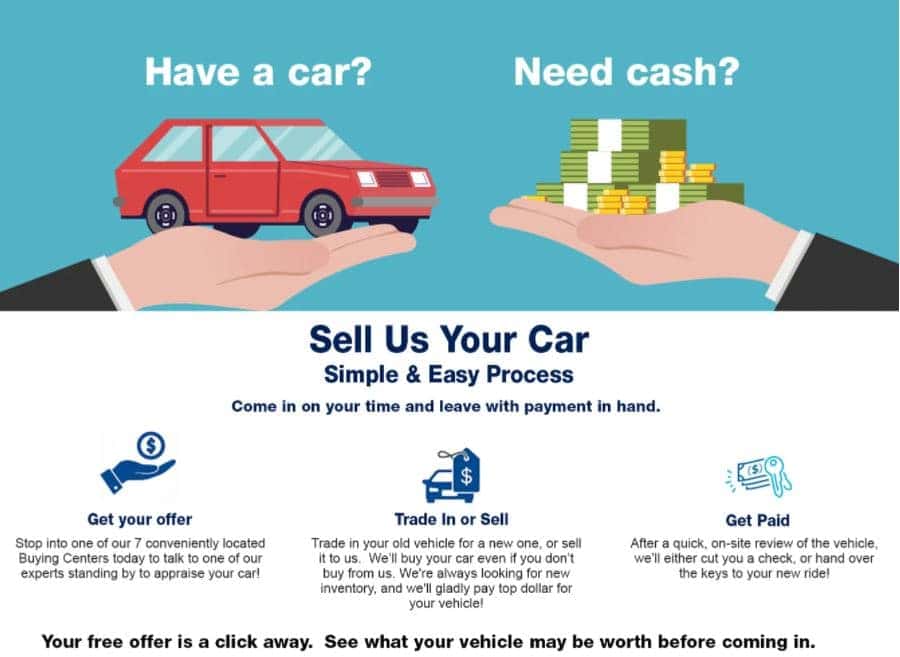
Selling to a dealership offers unparalleled convenience. You drive in with your old car and often drive out with a new one, or simply walk away with a check.
-
Financial Pros: The primary financial benefit of a trade-in is often tax savings. In many states, the trade-in value is deducted from the new car’s purchase price before sales tax is calculated, potentially saving you hundreds or even thousands of dollars. An outright sale (selling your car to the dealership without buying another from them) offers quick cash without the hassle of private selling.
-
Financial Cons: Dealerships are businesses, and their goal is to buy low and sell high. Consequently, the offer you receive for your vehicle will almost always be lower than what you could achieve through a private sale. This lower financial return is the cost of convenience and the tax benefit. It’s crucial to separate the trade-in discussion from the new car’s price negotiation to ensure you’re getting a fair deal on both ends.
Instant Cash Offers and Online Car Buyers
Services like Carvana, Vroom, CarMax (for instant offers), and local online car buyers have revolutionized the selling process, emphasizing speed and simplicity.
-
Financial Pros: These services provide instant, no-haggle cash offers, often sight unseen (pending a final inspection). The process is typically fast, efficient, and eliminates the time and effort associated with private sales, including detailing, photography, listing, and dealing with potential buyers. This can be financially advantageous if your time is highly valuable or if you need quick access to funds.
-
Financial Cons: While often competitive, the offers from these services might still be slightly below the potential private party sale value. They factor in their own operational costs, reconditioning expenses, and profit margins. However, the difference might be justifiable given the significant reduction in personal effort and risk. It’s a trade-off between maximizing absolute profit and minimizing hassle.
Private Party Sales (Direct to Consumer)
Selling your car directly to another individual is generally considered the avenue with the highest potential for financial return.
-
Financial Pros: By cutting out the middleman (dealerships, online buyers), you retain the full market value of your vehicle, often netting significantly more than any other option. This is where your diligent valuation and preparation efforts truly pay off.
-
Financial Cons: This path demands the most personal investment. You are responsible for all aspects of the sale: cleaning, photographing, listing, responding to inquiries, coordinating test drives, negotiating, handling paperwork, and ensuring secure payment. The time and effort involved can be substantial, and there’s a greater risk of dealing with unscrupulous buyers or experiencing payment fraud. From a financial perspective, you must accurately factor in the opportunity cost of your time and potential out-of-pocket expenses (e.g., advertising, safety checks).
Auctions and Consignment Sales
For specialty, classic, or high-value vehicles, auction houses or consignment services can be viable options.
-
Financial Pros: These platforms can expose your vehicle to a targeted audience of enthusiasts and collectors, potentially driving up the price beyond what you might achieve through conventional means. Consignment can remove the selling burden while still aiming for a higher return than a trade-in.
-
Financial Cons: Both avenues come with significant fees, often a percentage of the final sale price, which can erode your net profit. Auction results can be unpredictable, carrying the risk of selling below your desired threshold. Consignment can tie up your vehicle for an extended period, delaying access to your capital. These are niche options best explored after careful financial modeling of their costs versus potential returns.

Maximizing Your Financial Return: Preparing for a Premium Sale
Regardless of the selling avenue chosen, strategic preparation is key to commanding the highest possible price for your vehicle. Every dollar spent wisely on preparation can yield multiple dollars in increased sale price, representing a significant return on investment.
The ROI of Pre-Sale Preparation
Think of pre-sale preparation as an investment in your car’s financial future. Small, targeted expenditures can dramatically enhance your car’s appeal and perceived value.
-
Professional Detailing: A clean car sells faster and for more money. Investing $100-$300 in a professional detail (interior and exterior) can easily add $500-$1,000 to the selling price, a remarkable ROI. It makes a powerful first impression.
-
Minor Repairs: Address obvious flaws that could deter buyers or serve as negotiation points. Fixing a cracked windshield, replacing worn wiper blades, repairing a small dent, or changing a burned-out headlight bulb are relatively inexpensive fixes that eliminate reasons for buyers to demand a discount.
-
Maintenance Records: Gather all service records. A complete paper trail of routine maintenance instills confidence in buyers, assuring them the car has been well cared for. This transparency can justify a higher asking price.
Crafting an Irresistible Listing
For private sales and online platforms, your listing is your primary marketing tool. Its quality directly impacts buyer interest and, consequently, your car’s selling price.
-
High-Quality Photos: Invest time in taking excellent, well-lit photos from multiple angles (interior, exterior, engine bay, trunk). Show the car in its best light, avoiding cluttered backgrounds. Include close-ups of desirable features and any minor imperfections to be transparent.
-
Detailed Descriptions: Write a compelling yet honest description. Highlight key features, recent maintenance, optional extras, and the car’s unique selling points. Be transparent about any known flaws but frame them positively (e.g., “minor scratch on passenger door reflected in price”). A comprehensive description reduces redundant questions and filters out unserious buyers, saving you valuable time.
-
Transparency Builds Trust: Providing a vehicle history report (e.g., CarFax or AutoCheck) upfront can accelerate the sales process and build trust, often leading to a quicker sale at a better price. Buyers appreciate sellers who are open about their car’s past.
Mastering the Art of Negotiation
Negotiation is where the rubber meets the road in a private sale. Approaching it with a clear financial strategy can significantly impact your net profit.
-
Set a Price Range: Don’t just have one asking price; establish a “lowest acceptable price” (your walk-away point) and a “target price.” This allows flexibility.
-
Understand Buyer Psychology: Buyers are looking for a deal. Be prepared for lowball offers but don’t take them personally. Counter politely and professionally.
-
Highlight Value: During negotiations, reiterate your car’s strengths, recent maintenance, and any premium features. Justify your price with facts.
-
Be Prepared to Walk Away: If an offer doesn’t meet your financial threshold, be ready to politely decline. There are always other buyers. Patience can be a virtue in maximizing your profit.
-
Consider “Adds”: Instead of pure price drops, sometimes offering to include a spare set of winter tires, a full tank of gas, or covering the transfer fee can sweeten the deal without significantly impacting your profit margin.
The Hidden Costs and Financial Logistics of Selling a Car
While focusing on the selling price is natural, a truly financially astute seller also accounts for the often-overlooked costs and logistical challenges that can eat into profits. Understanding these aspects allows for a more accurate calculation of your net return.
Time as a Valuable Asset
The convenience of a dealership trade-in or instant cash offer comes at a price – typically a lower sale value. Conversely, a private sale, while potentially yielding the highest gross profit, demands a significant investment of your time. This “time cost” should be factored into your financial calculations.
-
Opportunity Cost: Every hour spent researching, cleaning, photographing, listing, communicating with buyers, and conducting test drives is an hour you could have spent on other income-generating activities or personal pursuits. If your time is valued at $X per hour, a private sale requiring 20-30 hours of effort effectively costs you $20X to $30X in lost opportunity.
-
Market Fluctuations: A prolonged private sale due to lack of interest or difficult buyers means your car continues to depreciate. The longer it sits, the more its value erodes, effectively increasing the “cost” of the sale.
Marketing and Transactional Expenses
Selling a car, especially privately, involves direct out-of-pocket expenses that chip away at your profit.
-
Listing Fees: Many popular online marketplaces (e.g., eBay Motors, some local classifieds) charge fees to list your vehicle, which can range from nominal to several hundred dollars, depending on the visibility package.
-
Inspection and Certification Fees: Some buyers may request a pre-purchase inspection by an independent mechanic, which you might offer to cover (or split) as a goodwill gesture. Certain states require safety or emissions certifications before a sale can be finalized, incurring additional costs.
-
Vehicle History Reports: While beneficial, providing a CarFax or AutoCheck report costs money if you purchase it yourself.
-
Escrow or Secure Payment Fees: If using a third-party escrow service for a secure transaction, they will charge a fee, typically a percentage of the sale.
Understanding Tax Implications
The tax implications of selling a car vary significantly by region and can impact your net financial gain.
-
Sales Tax Offset (Trade-in): As mentioned, in many states, trading in a vehicle reduces the taxable amount of your new car purchase. This can be a substantial financial benefit that effectively increases the value of your trade-in. For example, if your state has a 7% sales tax, and you trade in a car for $10,000, you save $700 in sales tax.
-
Capital Gains: Generally, selling a personal-use asset like a car for more than you paid for it (uncommon, but possible for classics or collectibles) could trigger capital gains tax. For most standard car sales, you’re selling at a loss compared to the original purchase price, so no capital gains tax applies. However, it’s always wise to consult with a tax professional for specific advice based on your local regulations and unique situation.
Protecting Your Financial Interest: Secure Payments
The final step in any car sale is receiving payment. This is a critical financial juncture where vigilance is paramount to prevent fraud and ensure you receive your full funds.
-
Avoid Cash for Large Sums: While seemingly straightforward, large cash transactions carry risks (counterfeit money, personal safety).
-
Bank Checks/Cashier’s Checks: These are generally safer but still require verification. Insist on accompanying the buyer to their bank to verify the check’s legitimacy before signing over the title.
-
Wire Transfers: A secure option, but ensure the funds have cleared into your account before releasing the car and title.
-
Escrow Services: For higher-value vehicles, an independent third-party escrow service can provide peace of mind for both buyer and seller, securely holding funds until all conditions of the sale are met.
-
Bill of Sale: Always complete a comprehensive bill of sale, detailing the vehicle, sale price, date, and “as-is” condition, signed by both parties. This protects you legally and financially post-sale.
Making the Optimal Financial Decision: A Concluding Framework
The decision of where to sell your car boils down to balancing your financial priorities with your personal capacity. There’s no single “best” place; rather, there’s a financially optimal path for your specific situation.
-
Prioritize Maximum Profit? If your primary goal is to extract every possible dollar from your vehicle, and you have the time, patience, and willingness to manage the process, a private sale is almost always your best financial bet. Be prepared for the effort and potential costs involved.
-
Prioritize Speed and Convenience? If your time is valuable, you need quick access to funds, or you prefer a hassle-free experience, an instant cash offer service or a dealership trade-in (especially with its tax benefits) might offer a better overall financial outcome when factoring in your time’s worth and the convenience premium.
-
Consider Your Car’s Profile: Highly desirable, specialty, or low-mileage vehicles might warrant the effort of a private sale to capitalize on their premium value. Older, higher-mileage, or less popular models might be better suited for the streamlined process of an instant offer, as the effort of a private sale might not yield a significantly higher return.
Ultimately, a financially savvy car sale is rooted in thorough research, realistic valuation, strategic preparation, and an acute awareness of all associated costs and benefits. By approaching the process with a clear understanding of the financial landscape, you empower yourself to make a decision that aligns perfectly with your monetary goals, ensuring you convert your automotive asset into its maximum possible financial return.
aViewFromTheCave is a participant in the Amazon Services LLC Associates Program, an affiliate advertising program designed to provide a means for sites to earn advertising fees by advertising and linking to Amazon.com. Amazon, the Amazon logo, AmazonSupply, and the AmazonSupply logo are trademarks of Amazon.com, Inc. or its affiliates. As an Amazon Associate we earn affiliate commissions from qualifying purchases.