
The question “Where do you sell cars?” has transformed dramatically in recent years. Once a straightforward inquiry primarily pointing towards brick-and-mortar dealerships, it now encompasses a complex ecosystem of online marketplaces, direct-to-consumer models, and innovative hybrid approaches. For automotive manufacturers, dealerships, and even private sellers, understanding the contemporary sales channels is paramount to success in a rapidly evolving market. This exploration delves into the multifaceted “where” of car sales, focusing on the strategic and financial implications for businesses operating within this dynamic industry.
The Shifting Sands of Automotive Retail: From Lot to Digital Frontier
The traditional dealership model, a cornerstone of automotive sales for decades, is undergoing a significant metamorphosis. While physical showrooms still hold sway, their role is evolving from primary sales hubs to experience centers, service points, and brand immersion zones. The digital realm has become an indispensable, and often primary, channel for customer engagement, research, and even transaction completion.

The Enduring Power of the Dealership: More Than Just a Showroom
Despite the rise of online alternatives, the physical dealership remains a crucial component of the automotive sales strategy. Its enduring appeal lies in several key areas:
The Tangible Experience: Touch, Feel, and Test Drive
For many consumers, the act of purchasing a vehicle is a significant emotional and financial investment. The ability to physically interact with a car – to sit in the driver’s seat, feel the material quality, test its handling on the road, and visualize it in their driveway – is an experience that digital platforms struggle to fully replicate. Dealerships provide this invaluable opportunity for sensory engagement, allowing buyers to solidify their preferences and build confidence in their decision. This tactile experience is particularly important for higher-ticket items, where perceived value and emotional connection play a significant role in the purchase journey.
The Human Element: Trust, Expertise, and Relationship Building
The sales consultant, when effective, acts as a trusted advisor, guiding customers through the complexities of vehicle selection, financing, and trade-in evaluations. Building rapport and trust with a salesperson can significantly influence a buyer’s perception of the brand and their overall satisfaction with the purchase process. Dealerships foster these personal connections, offering a level of service and support that goes beyond algorithmic recommendations or chatbot interactions. For many, the reassurance of human interaction and expert advice is a compelling reason to engage with a physical dealership.
Service and Maintenance Hubs: The Dealership’s Post-Sale Advantage
Beyond the initial sale, dealerships serve as vital centers for vehicle maintenance, repair, and parts. This ongoing relationship is a critical revenue stream for dealerships and a significant convenience factor for customers. A well-integrated service department reinforces brand loyalty and provides an additional touchpoint for customers throughout their ownership journey. The convenience of having a dedicated service center readily available, often equipped with specialized tools and trained technicians, adds substantial value to the dealership experience.
The Digital Revolution: Reaching Customers Where They Are
The internet has fundamentally reshaped how consumers research, compare, and ultimately purchase vehicles. This digital shift has opened up a plethora of new “where” to sell cars, requiring manufacturers and dealerships to adapt their strategies.
Online Marketplaces and Aggregators: The Virtual Showroom Floor
Platforms like AutoTrader, Cars.com, and CDK Global’s Digital Retailing solutions have become indispensable tools for both buyers and sellers. These online marketplaces aggregate vast inventories from numerous dealerships, allowing consumers to compare models, prices, and features from the comfort of their homes. For dealerships, these platforms offer broad exposure to a motivated buyer pool, driving leads and generating sales. The ability to list inventory, create virtual showrooms, and even initiate online financing applications on these sites has made them a cornerstone of modern automotive sales.
Manufacturer-Owned Online Platforms: Direct to Consumer Aspirations
A growing trend, particularly among new entrants and some established brands, is the development of their own direct-to-consumer (DTC) online sales platforms. Companies like Tesla have largely bypassed traditional dealerships, selling directly to customers online and delivering vehicles to their door. This model offers a streamlined, transparent purchasing experience, often with fixed pricing and fewer negotiation complexities. While challenging for legacy automakers to fully implement due to franchise laws, many are exploring hybrid DTC models that allow for online configuration, financing, and even deposit collection, with the final transaction often occurring at a dealership or a designated delivery center.
Social Media and Influencer Marketing: Building Awareness and Driving Interest
Social media platforms have become powerful tools for building brand awareness, showcasing new models, and engaging with potential customers. Influencer marketing, where automotive personalities or lifestyle influencers review and promote vehicles, can significantly impact consumer perception and drive purchase intent. While not a direct sales channel in the traditional sense, social media plays a crucial role in the pre-purchase research phase, influencing where buyers ultimately choose to engage and make their decisions. Targeted advertising and engaging content can create a sense of desire and urgency, prompting buyers to seek out specific models.
Innovative Sales Models: Blurring the Lines and Creating New Opportunities
The traditional dichotomy between physical and digital sales is becoming increasingly blurred, giving rise to innovative models that leverage the strengths of both worlds.
Hybrid Dealerships: The Best of Both Worlds
Many forward-thinking dealerships are adopting hybrid models that seamlessly integrate online and offline experiences. This involves:
Digital Retailing Integration: Online Convenience, Offline Execution
Modern dealerships are investing heavily in digital retailing tools that allow customers to manage a significant portion of the purchasing process online. This includes features like:
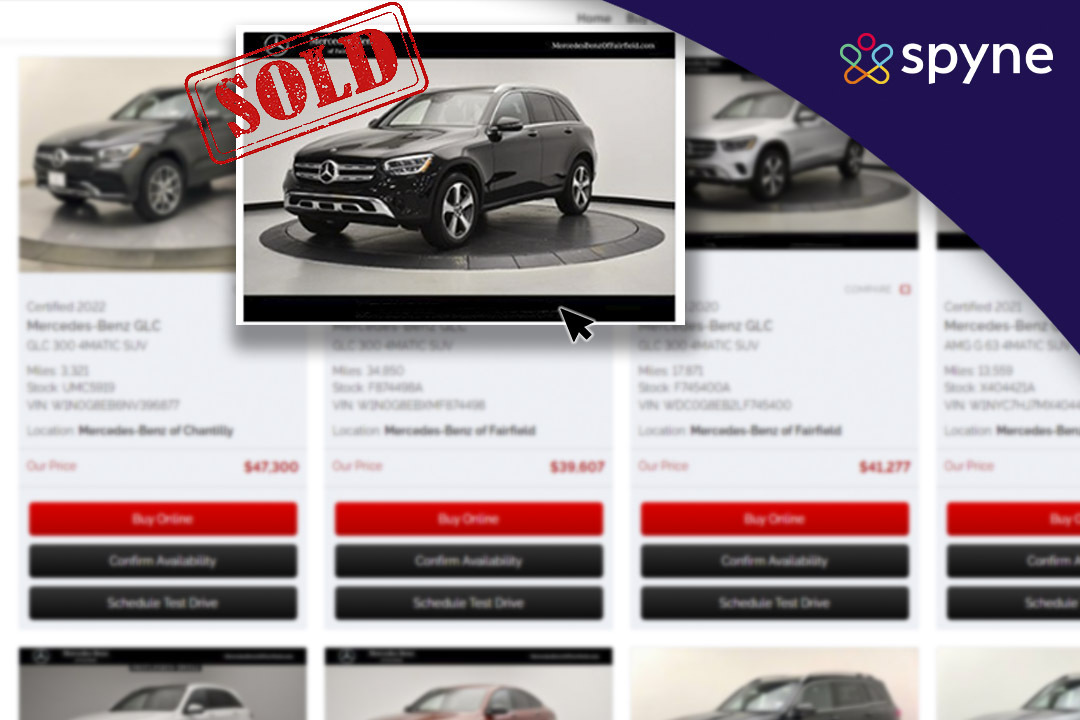
- Online Vehicle Configurators: Allowing customers to customize their desired vehicle with specific options and trims.
- Online Trade-In Valuations: Providing instant, transparent estimates for trade-in vehicles based on market data.
- Online Financing Applications: Enabling customers to get pre-approved for loans and understand their financing options before visiting the dealership.
- Virtual Test Drives and Showrooms: Offering immersive digital experiences of vehicles.
These tools empower customers, reduce the time spent on administrative tasks at the dealership, and allow sales consultants to focus on higher-value interactions, such as test drives and closing the deal.
Appointment-Based Sales and Concierge Services: Personalized Engagement
Some dealerships are shifting towards an appointment-based model, akin to a luxury retail experience. Customers book appointments for specific needs, whether it’s a detailed vehicle walk-around, a personalized test drive, or a consultation on financing options. This approach ensures that sales staff are prepared and focused on individual customer needs, leading to a more efficient and satisfying experience. Concierge services, offering pick-up and drop-off for service appointments or personalized delivery of new vehicles, further enhance the customer journey and foster loyalty.
Subscription and Leasing Innovations: Shifting Ownership Paradigms
The traditional model of outright ownership is being challenged by innovative subscription and leasing options that offer flexibility and lower upfront costs.
Vehicle Subscription Services: The “Netflix” of Car Ownership
Companies are experimenting with subscription models that bundle vehicle access with insurance, maintenance, and roadside assistance for a fixed monthly fee. This appeals to consumers who prefer flexibility, dislike long-term commitments, or want to drive a new vehicle every few years. While still a nascent market, these services are carving out a niche, particularly in urban areas and among younger demographics who may be less inclined towards traditional car ownership. The appeal lies in the all-inclusive nature and the ability to easily swap vehicles as needs change.
Flexible Leasing and Buy-Out Options: Empowering Consumer Choice
Traditional leasing remains a popular option, but the market is seeing increased innovation in lease terms, mileage allowances, and end-of-lease buyout options. Some manufacturers and dealerships are offering more flexible leasing programs that cater to diverse driving habits and financial situations, making new vehicles more accessible to a wider range of consumers. The ability to customize lease terms provides a significant advantage for consumers seeking a tailored ownership experience.
Financial Considerations: Optimizing Sales Channels for Profitability
For any business involved in selling cars, the “where” directly impacts profitability. Choosing the right sales channels, and effectively managing them, is a critical financial decision.
Channel Mix Optimization: Balancing Reach and Return
The optimal sales strategy involves a carefully considered mix of online and offline channels. This requires:
Data-Driven Decision Making: Identifying High-Performing Channels
Analyzing sales data, lead generation metrics, and customer acquisition costs across different channels is essential. Understanding which channels deliver the highest quality leads and the most profitable sales allows businesses to allocate resources effectively. For instance, a dealership might find that online leads from a specific aggregator convert at a higher rate than those from another, prompting a reallocation of marketing spend.
Cost-Benefit Analysis of Each Sales Platform
Each sales channel comes with its own associated costs, including platform fees, advertising expenses, marketing collateral, and sales staff training. A thorough cost-benefit analysis for each platform is crucial to ensure that the investment is yielding a positive return. This involves evaluating not only the direct sales revenue but also the indirect benefits, such as brand exposure and customer lifetime value.
Inventory Management and Digital Strategy: The Synergistic Relationship
Effective inventory management is inextricably linked to a robust digital strategy.
Leveraging Digital Tools for Inventory Visibility and Optimization
Online platforms and dealership management systems (DMS) are crucial for maintaining accurate, real-time inventory data. This visibility allows dealerships to:
- Identify slow-moving inventory: Enabling proactive pricing adjustments or promotional efforts.
- Optimize stock levels: Reducing carrying costs and maximizing return on investment for each vehicle.
- Target specific customer segments: Matching available inventory with online search queries.
The ability to showcase available inventory online, complete with detailed descriptions, high-quality images, and virtual tours, significantly enhances the customer’s ability to find the right vehicle, streamlining the sales process.

The Impact of Online Presence on Dealership Valuations
For dealership owners looking to sell their business, a strong online presence and a well-integrated digital sales strategy are increasingly becoming critical factors in valuation. Prospective buyers are looking for businesses that are adaptable, efficient, and capable of attracting and serving customers across multiple channels. A dealership that has successfully transitioned to a hybrid model, with a robust online presence and effective digital retailing capabilities, will command a higher valuation than one solely reliant on traditional methods. The future of automotive sales is undoubtedly a blend of the physical and digital, and understanding where to sell cars effectively means mastering both.
aViewFromTheCave is a participant in the Amazon Services LLC Associates Program, an affiliate advertising program designed to provide a means for sites to earn advertising fees by advertising and linking to Amazon.com. Amazon, the Amazon logo, AmazonSupply, and the AmazonSupply logo are trademarks of Amazon.com, Inc. or its affiliates. As an Amazon Associate we earn affiliate commissions from qualifying purchases.