
Investing in physical silver coins has long been a strategy for wealth preservation, a hedge against inflation, and a tangible asset that stands apart from volatile financial markets. In an increasingly digital world, the allure of holding a physical store of value remains powerful. However, for both novice and experienced investors, the fundamental question often arises: “Where do you buy silver coins?” The answer isn’t singular; it involves navigating a diverse landscape of dealers, platforms, and considerations. This comprehensive guide will illuminate the various avenues available, empowering you to make informed decisions tailored to your investment goals.
The journey to acquiring silver coins begins with understanding the different types of markets and vendors, each with its own advantages and disadvantages. From the trusted local coin shop to the vast expanse of online marketplaces, the options are plentiful, but discerning the most reputable and cost-effective path requires careful consideration. Ultimately, the “best” place to buy silver coins hinges on factors like your preference for in-person transactions, your comfort with online security, your budget, and the specific types of silver you intend to purchase.
Traditional Avenues for Acquiring Silver Coins
Before the advent of widespread internet commerce, physical silver was primarily bought and sold through established local channels. These traditional methods still hold significant value today, offering unique benefits that online platforms often cannot replicate.
Local Coin Shops (LCS)
Local Coin Shops (LCS) represent one of the oldest and most direct methods for purchasing silver coins. These brick-and-mortar establishments are often family-run businesses with deep roots in the community and a wealth of knowledge about numismatics and precious metals.
- Pros:
- Physical Inspection: The most significant advantage of an LCS is the ability to physically inspect the coins before purchase. This allows you to verify their condition, authenticity, and overall appeal, which is crucial for both bullion and numismatic items.
- Expert Advice and Relationship Building: Proprietors of LCSs are often seasoned experts. They can offer personalized advice, help you understand market trends, and guide you toward suitable purchases. Building a relationship with a local dealer can lead to better deals and early access to desirable inventory.
- Immediate Gratification: There are no shipping delays or waiting periods. You can walk in, make your purchase, and leave with your silver coins in hand.
- No Shipping Fees: Eliminating shipping and insurance costs can sometimes offset slightly higher premiums compared to online retailers, especially for smaller purchases.
- Negotiation Potential: Depending on the quantity and your relationship with the dealer, there may be room for negotiation, particularly on larger orders.
- Cons:
- Limited Inventory: An LCS’s inventory is constrained by its physical space and current buying trends. You might not find the specific type or quantity of silver you’re looking for immediately.
- Potentially Higher Premiums: Operating costs for a physical storefront can be higher, which sometimes translates to slightly higher premiums over the spot price compared to large online dealers.
- Security Concerns: Carrying large sums of cash or leaving a shop with significant value in precious metals can pose a security risk, though this is often mitigated by discreet practices.
Reputable Online Dealers
The digital age has revolutionized the way precious metals are bought and sold, with online dealers emerging as a dominant force. These platforms offer unparalleled access to a vast array of silver products.
- Pros:
- Wide Selection and Competitive Pricing: Online dealers typically boast massive inventories, offering virtually every common bullion coin, bar, and many numismatic items. The sheer volume of competition online often drives down premiums, allowing you to find more competitive prices.
- Convenience and Anonymity: You can shop from the comfort of your home, 24/7. While purchases over certain thresholds may require reporting, smaller transactions can offer a degree of privacy, and your transactions are less visible than cash payments at a local store.
- Secure Shipping and Insurance: Reputable online dealers use discreet, insured shipping methods, ensuring your purchase arrives safely.
- Price Comparison Tools: Many online platforms allow you to compare prices across different dealers, ensuring you get the best deal available.
- Cons:
- No Physical Inspection Before Purchase: You rely on images and descriptions, which means you cannot physically examine the coin until it arrives. This is less critical for generic bullion but important for numismatic items where condition is paramount.
- Shipping Delays and Costs: You’ll have to wait for delivery, and shipping/insurance costs, while often reasonable, add to the overall price.
- Need to Verify Dealer Reputation: The internet is vast; it’s crucial to stick to well-established, highly-rated dealers to avoid scams or receiving counterfeit products. Look for long-standing businesses with numerous positive reviews.
- Potential for Counterfeits (from unreliable sources): While major dealers are trustworthy, lesser-known or new online sellers might be risky.
Precious Metals Expos and Trade Shows
Periodically held in major cities, precious metals expos and coin shows bring together a multitude of dealers, mint representatives, and collectors under one roof.
- Pros:
- Direct Interaction with Multiple Dealers: This allows for easy comparison of prices and inventory from numerous vendors in a single location.
- Educational Opportunities: Many shows feature seminars, workshops, and experts sharing insights into the market, collecting, and authentication.
- Special Deals: Dealers often bring special inventory or offer show-only discounts to attract buyers.
- Community Aspect: It’s a great place to network with other collectors and investors.
- Cons:
- Infrequent and Geographically Limited: Shows are not always accessible or convenient, especially for those in less populated areas.
- Potentially Overwhelming for Beginners: The sheer volume of dealers and products can be daunting for someone new to the market.
Specialized Online Platforms and Marketplaces
Beyond individual dealer websites, the online landscape offers more specialized platforms that cater to different needs, from price comparison to direct-from-mint purchases.
Bullion Marketplaces/Aggregators
These platforms don’t sell silver directly but serve as intermediaries, listing prices from various reputable dealers, allowing you to compare and choose the best offer. Examples include SD Bullion, JM Bullion (though these are primarily dealers themselves, they often have “best price” tools or compare against their own inventory and rivals’ pricing within their system). True aggregators like FindBullionPrices.com or BuyGoldAndSilverSafely.com pull data from multiple dealers.
- Pros:
- Best Price Discovery: Quickly identify the lowest premiums across a range of trusted dealers for specific coins or bars.
- Increased Transparency: Helps ensure you’re getting a fair price by providing a broader market view.
- Cons:
- Still Dealing with Third-Party Dealers: While the aggregator helps find the price, the actual purchase transaction happens with the chosen dealer, meaning you still need to be comfortable with that dealer’s reputation and policies.
- May Not Include All Dealers: Some smaller or newer dealers might not be listed.
Online Auction Sites (with Caution)
Platforms like eBay can be sources for silver coins, especially for numismatic items or rarer pieces. However, they come with significant risks.
- Pros:
- Potential for Rare Finds: Sometimes unique or hard-to-find coins surface here that might not be available through traditional dealers.
- Competitive Bidding: For authentic items, the auction format can sometimes yield good prices if you’re lucky.
- Cons:
- High Risk of Counterfeits: This is the most significant danger. The market is flooded with fake silver coins, and identifying them requires expert knowledge.
- Higher Premiums (often): Between shipping, insurance, and platform fees, the final price can often exceed what you’d pay a specialized dealer.
- Requires Extensive Knowledge: You must be highly skilled in authenticating silver coins and evaluating seller reputations to mitigate risk.
- Seller Reputation is Paramount: Always check seller feedback thoroughly. Stick to sellers with thousands of positive reviews and a track record of selling precious metals.
Direct from Mints (for Specific Coins)
For certain sovereign coins, you can purchase directly from the mints that produce them, such as the United States Mint, Royal Canadian Mint, Perth Mint, or British Royal Mint.
- Pros:
- Guaranteed Authenticity: You are buying directly from the source, eliminating any concerns about counterfeits.
- Often Proof or Special Editions: Mints frequently release collector-grade proof coins, special finishes, or limited-edition sets that may not be available elsewhere.
- Collector Appeal: Coins purchased directly from the mint often carry higher numismatic value for collectors.
- Cons:
- Higher Premiums: Direct mint purchases, especially for collector coins, often carry significantly higher premiums over the spot price than bullion purchased from dealers.
- Limited Bullion Options: Mints often prioritize collector coins or smaller bullion runs, and their standard bullion offerings might be limited or sell out quickly.
- Sell Out Quickly: Popular releases can sell out within minutes or hours.
Key Considerations Before Making a Purchase
Regardless of where you choose to buy your silver coins, several critical factors must be thoroughly understood and addressed to protect your investment.
Authenticity and Purity
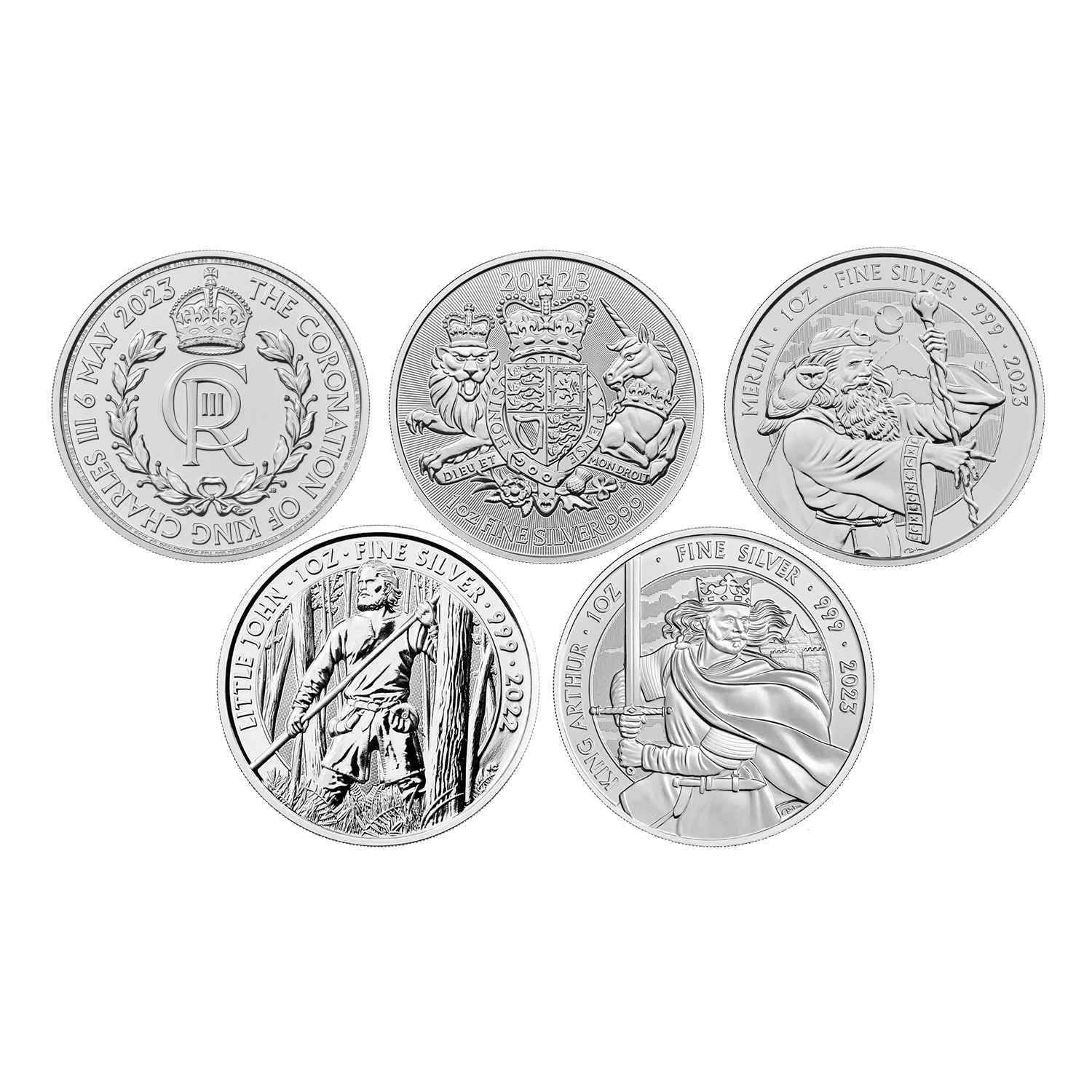
The market, particularly online, is unfortunately rife with counterfeit silver. Ensuring authenticity is paramount.
- Verify with Reputable Dealers: The best defense is to only buy from established, highly-rated dealers with a proven track record.
- Assay Marks and Professional Grading: Bullion products often carry assay marks indicating their purity and weight. Numismatic coins can be professionally graded by services like PCGS or NGC, which encapsulate and certify their authenticity and condition.
- Specific Gravity Test: For bullion, a specific gravity test can help verify the metal content, although this requires equipment.
- Magnet Test: Silver is non-magnetic. If a strong magnet sticks to your coin, it’s likely a fake.
Premiums and Spot Price
Understanding the difference between the “spot price” and the “premium” is fundamental to smart silver investing.
- Spot Price: This is the current market price for one troy ounce of pure silver, typically quoted in USD. It’s the price for unallocated silver in large industrial quantities.
- Premium: This is the additional cost you pay above the spot price for a physical silver coin. It covers manufacturing costs (minting, assaying), distribution, dealer overhead, and dealer profit.
- Minimizing Premiums: Premiums are a necessary evil, but you can minimize them by:
- Buying common bullion coins (e.g., American Silver Eagles, Canadian Maples) rather than rare numismatic pieces.
- Purchasing in larger quantities (e.g., a “monster box” of 500 coins vs. individual coins).
- Shopping around from different reputable dealers.
Storage and Security
Once you own silver coins, securing them becomes a top priority.
- Home Safe: Suitable for smaller quantities. Ensure the safe is fire-rated and bolted down.
- Bank Safe Deposit Box: Offers enhanced security from theft and natural disasters but limits access to bank hours and is not insured by the FDIC for content.
- Third-Party Vaulted Storage: Specialized facilities (e.g., Brinks, Delaware Depository) offer high-level security, insurance, and auditability. This is ideal for larger holdings but involves annual fees and potential withdrawal costs.
- Insurance: Consider insuring your holdings, especially if stored at home. Many homeowner’s policies have limitations on precious metals.
Taxation and Reporting
The tax implications of buying and selling silver coins can vary by jurisdiction.
- Sales Tax: Some states or countries levy sales tax on precious metals purchases, though exemptions often exist for certain quantities or types of silver.
- Capital Gains Tax: Profits from selling silver are generally subject to capital gains tax, often at a higher rate for collectibles than for traditional stocks.
- Reporting Requirements: In the U.S., dealers are required to report certain large cash transactions (e.g., over $10,000 via FinCEN Form 8300) and certain sales of precious metals back to them (e.g., 1,000 ounces of silver via Form 1099-B). It’s crucial to consult with a tax professional regarding your specific situation, as tax laws are complex and subject to change. (Disclaimer: This is not financial or tax advice.)
Liquidity and Resale
Think about how easily you can convert your silver back into cash when the time comes.
- Common Bullion Coins: Generally have excellent liquidity because they are widely recognized and accepted by dealers worldwide.
- Rare or Numismatic Coins: May take longer to sell and require specialized buyers, but can potentially yield higher returns if chosen wisely.
- Selling Back to Dealers: Most reputable dealers who sell silver also buy it back, often at a slightly lower price than their selling price (the “bid-ask spread”).
Common Types of Silver Coins for Investment
Understanding the different categories of silver coins available can help you decide what best fits your investment strategy.
Bullion Coins
These are the workhorses of silver investing, valued primarily for their silver content. They typically have low premiums and are easily recognizable.
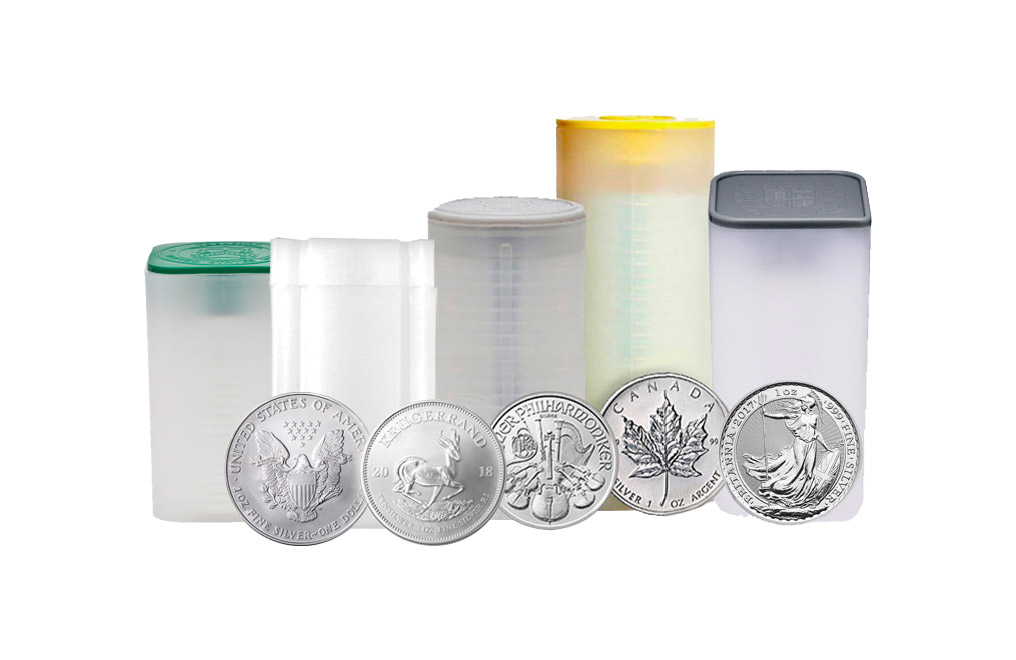
- American Silver Eagle: The official silver bullion coin of the United States. Widely popular, excellent liquidity, and guaranteed by the U.S. government for weight and purity (1 oz .999 fine silver).
- Canadian Silver Maple Leaf: Produced by the Royal Canadian Mint, known for its high purity (.9999 fine silver) and radial lines for enhanced security.
- Austrian Philharmonic: Europe’s best-selling silver bullion coin, featuring the Vienna Philharmonic Orchestra.
- British Britannia: Issued by the Royal Mint, featuring the iconic Britannia figure. Contains .999 fine silver.
- Mexican Libertad: Highly sought after for its stunning design and limited mintage, often commanding slightly higher premiums.
Junk Silver (Pre-1965 U.S. Coins)
“Junk silver” refers to U.S. dimes, quarters, and half dollars minted before 1965, which contain 90% silver. They are called “junk” not because they are worthless, but because their value is tied almost entirely to their silver content rather than their numismatic appeal.
- Pros:
- Easily Recognizable and Widely Accepted: Everyone recognizes old U.S. coinage.
- Fractional Silver: Provides smaller units of silver, useful for bartering or smaller transactions.
- Generally Lower Premiums: Often sold based on their face value multiple, making them a cost-effective way to acquire silver.
- Cons:
- Can Be Harder to Ascertain Exact Silver Content: While 90% silver, wear and tear can reduce the actual silver weight, leading to slightly less than advertised.
- Not as Pure: 90% silver vs. .999 or .9999 fine for modern bullion.
Numismatic/Collector Coins
These coins are valued for their rarity, historical significance, artistic design, and condition, often far exceeding their intrinsic silver content.
- Pros:
- Potential for Significant Appreciation: A rare coin in high grade can appreciate dramatically beyond the price of silver.
- Historical and Artistic Value: Appeals to collectors who appreciate the story and craftsmanship behind the coin.
- Cons:
- Requires Specialized Knowledge: Investing in numismatics demands extensive research and expertise to avoid costly mistakes.
- Higher Premiums: Premiums can be very high, reflecting rarity and collector demand.
- Less Liquid: Finding a buyer for a very specific rare coin can take time, and the market is often smaller.
Conclusion
The question “Where do you buy silver coins?” unlocks a multifaceted world of investment opportunities. From the personalized experience of a local coin shop to the vast inventory and competitive pricing of online dealers, and the unique offerings of mints and specialty platforms, the options are diverse.
Your choice of vendor will ultimately depend on your individual preferences for interaction, convenience, price, and risk tolerance. What remains constant across all avenues is the imperative of due diligence: always verify the reputation of your seller, understand the premiums you are paying, prioritize authenticity, and plan for secure storage.
Whether you’re acquiring silver as a long-term investment, a hedge against economic uncertainty, or simply for the tactile pleasure of owning a tangible asset, a well-researched approach will ensure your journey into the world of silver coins is both rewarding and secure. Remember, diversification is key, and silver should typically be considered one component of a broader, well-balanced investment portfolio.
aViewFromTheCave is a participant in the Amazon Services LLC Associates Program, an affiliate advertising program designed to provide a means for sites to earn advertising fees by advertising and linking to Amazon.com. Amazon, the Amazon logo, AmazonSupply, and the AmazonSupply logo are trademarks of Amazon.com, Inc. or its affiliates. As an Amazon Associate we earn affiliate commissions from qualifying purchases.