
For any business that employs staff, managing payroll taxes is a cornerstone of financial compliance. Among the most critical responsibilities is the accurate and timely filing of IRS Form 941, the Employer’s QUARTERLY Federal Tax Return, and crucially, ensuring that any associated payments reach the Internal Revenue Service (IRS) correctly. Missteps in this process can lead to significant penalties, interest charges, and unwelcome audits. This comprehensive guide will demystify Form 941, clarify your payment obligations, and provide precise instructions on where and how to send your payments, ensuring your business remains compliant and financially sound.
Understanding Form 941: The Employer’s Quarterly Cornerstone
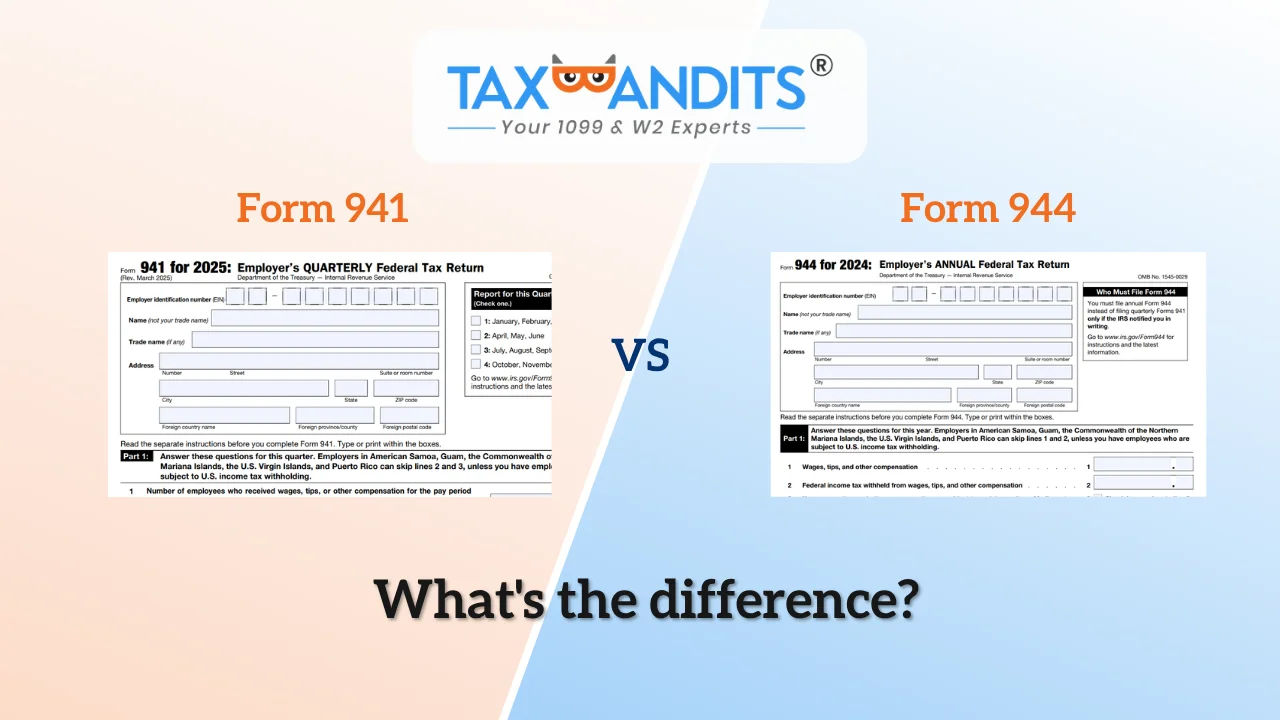
Form 941 is more than just another piece of paperwork; it’s a vital declaration of your federal employment tax liabilities. It reports income taxes, social security tax, or Medicare tax withheld from employee wages and the employer’s share of social security and Medicare tax.
What is Form 941 and Who Must File?
Form 941, officially titled “Employer’s QUARTERLY Federal Tax Return,” is used by employers to report federal income tax withheld from employees’ paychecks and both the employer and employee portions of Social Security and Medicare taxes (FICA taxes). Most employers who pay wages subject to income tax withholding or Social Security and Medicare taxes must file Form 941 quarterly. This includes businesses of all sizes, from small startups to large corporations, and even non-profit organizations if they have employees.
There are a few exceptions:
- Employers who file Form 944, Employer’s Annual Federal Tax Return, because their annual tax liability is $1,000 or less.
- Employers of household employees.
- Employers of agricultural employees.
- Employers who have no employees and are therefore not liable for these taxes.
For the vast majority of businesses, however, Form 941 is a non-negotiable quarterly obligation.
Key Information Reported on Form 941
When completing Form 941, you’ll be reporting a detailed breakdown of your payroll activity for the quarter. This includes:
- The total number of employees paid during the quarter.
- Total wages, tips, and other compensation subject to federal income tax withholding.
- Total federal income tax withheld.
- Taxable Social Security wages and tips, and the corresponding Social Security tax.
- Taxable Medicare wages and tips, and the corresponding Medicare tax.
- Adjustments for fractions of cents, sick pay, tips, and group-term life insurance.
- The total tax due for the quarter, including adjustments, which is the amount you are generally required to deposit.
Accurate record-keeping of payroll, employee wages, and withheld taxes is paramount to correctly complete this form and avoid discrepancies that could trigger IRS inquiries.
Filing Deadlines and Penalties for Non-Compliance
Form 941 must be filed on a quarterly basis, with specific deadlines:
- Q1 (January 1 – March 31): Due April 30
- Q2 (April 1 – June 30): Due July 31
- Q3 (July 1 – September 30): Due October 31
- Q4 (October 1 – December 31): Due January 31 of the following year
If any due date falls on a weekend or holiday, the deadline is extended to the next business day.
Failing to file Form 941 on time or submitting late payments can result in severe penalties. The penalty for failure to file on time is 5% of the unpaid tax for each month or part of a month that the return is late, capped at 25% of your unpaid tax. There’s also a separate penalty for failure to pay on time, which is 0.5% of the unpaid taxes for each month or part of a month that taxes remain unpaid, also capped at 25%. These can quickly accumulate, making timely compliance not just a regulatory necessity but a financial imperative.
The Critical Link: Form 941 and Tax Deposits
One of the most common points of confusion for employers is distinguishing between filing Form 941 and making tax deposits. They are related but separate actions, each with its own timing and process.
Differentiating Filing from Payment
Filing Form 941 is the act of submitting the completed tax return to the IRS, reporting your quarterly tax liability. This tells the IRS how much tax you owe for the quarter.
Making tax deposits, on the other hand, is the act of sending the money to the IRS throughout the quarter, usually on a monthly or semi-weekly basis. The taxes you report on Form 941 are generally the cumulative total of these deposits. The purpose of these periodic deposits is to ensure the government receives its funds regularly rather than waiting until the end of the quarter.
It’s crucial to understand that you are generally required to deposit your federal employment taxes before you file Form 941. Form 941 essentially reconciles these deposits against your actual liability.
Understanding Your Deposit Schedule
The IRS mandates specific deposit schedules based on your total tax liability during a “lookback period.” This period is typically the four quarters ending on June 30 of the preceding calendar year.
- Monthly Deposit Schedule: If your total tax liability during the lookback period was $50,000 or less, you are a monthly depositor. You must deposit your taxes by the 15th day of the next month. For example, taxes for January must be deposited by February 15.
- Semi-weekly Deposit Schedule: If your total tax liability during the lookback period was more than $50,000, you are a semi-weekly depositor.
- For payments made on Wednesday, Thursday, or Friday, deposits are due by the following Wednesday.
- For payments made on Saturday, Sunday, Monday, or Tuesday, deposits are due by the following Friday.
There’s also a $100,000 Next-Day Deposit Rule: If you accumulate $100,000 or more in taxes on any day, you must deposit the taxes by the close of the next banking day, regardless of whether you are a monthly or semi-weekly depositor. This rule overrides the regular schedule.
How to Determine Your Deposit Schedule
Your deposit schedule is determined annually based on your reported tax liability from the previous year’s Form 941 filings. The IRS provides clear guidelines in Publication 15 (Circular E), Employer’s Tax Guide. It’s imperative to accurately determine your schedule and adhere to it, as incorrect deposit scheduling can also incur penalties. Many payroll software solutions and professional accountants can assist in tracking and confirming your correct deposit schedule.
Official Payment Channels for Federal Taxes
With the clear distinction between filing and paying, the question remains: where do you send the payment? For federal employment taxes, the IRS strongly encourages electronic payments, and in many cases, it’s mandatory.
The Electronic Federal Tax Payment System (EFTPS): Your Primary Method
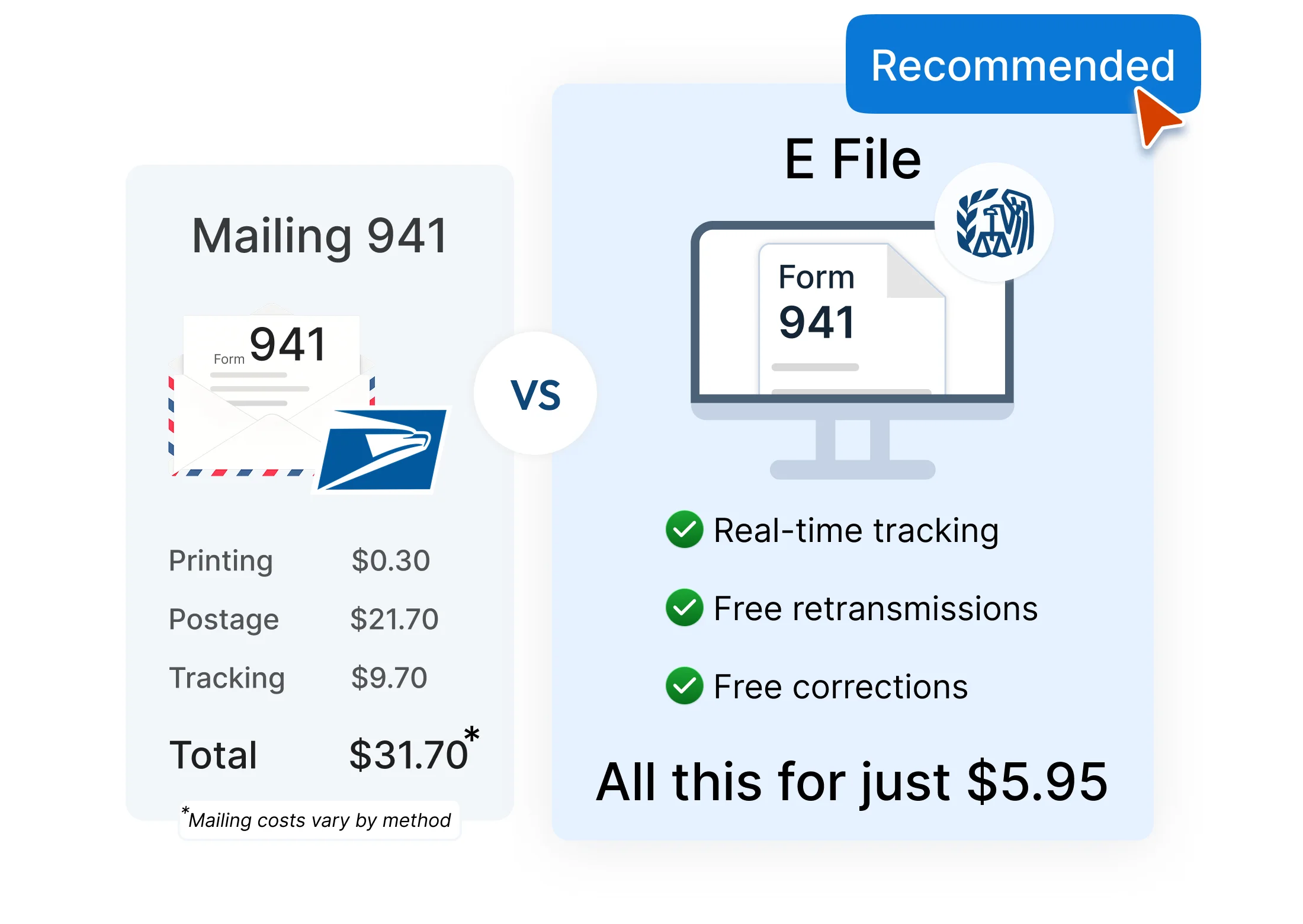
For the vast majority of employers, the Electronic Federal Tax Payment System (EFTPS) is not just the preferred method for making federal tax deposits—it’s often a mandatory requirement. If your total federal tax deposits were more than $2,500 in a calendar year, you are generally required to use EFTPS. However, even if you don’t meet this threshold, it’s highly recommended due to its efficiency and security.
How EFTPS Works:
- Enrollment: You must first enroll in EFTPS. This can be done online at www.eftps.gov or by phone. After enrollment, you’ll receive a Personal Identification Number (PIN) and an Internet password (for online access) via postal mail, usually within 5-7 business days.
- Scheduling Payments: Once enrolled, you can schedule payments online or by phone (using an automated voice system). You’ll specify the tax type (e.g., Form 941 taxes), the tax period, and the payment amount.
- Direct Debit: EFTPS debits the payment directly from your designated bank account on the settlement date you choose. You can schedule payments up to 365 days in advance.
- Confirmation: EFTPS provides an immediate confirmation number for each payment, serving as proof of your deposit.
EFTPS is free, secure, and available 24/7. It significantly reduces the risk of late payments and offers a clear audit trail.
Paying by Check or Money Order
While EFTPS is the standard, some very small businesses may still be eligible to pay by check or money order, particularly if their total tax liability for the quarter is below a certain threshold (e.g., typically $2,500, but this can vary and should be confirmed with current IRS guidelines). If you are paying by check or money order, it is crucial to follow specific procedures:
- Use Form 941-V, Payment Voucher: You must include Form 941-V, Payment Voucher, with your payment. This voucher identifies your payment and ensures it’s correctly applied to your tax account. Do not staple or attach your payment to Form 941 itself.
- Correct Payer Information: Make your check or money order payable to the “United States Treasury.” Include your employer identification number (EIN), the tax period (e.g., “Q1 2024”), and “Form 941” on the memo line of your payment.
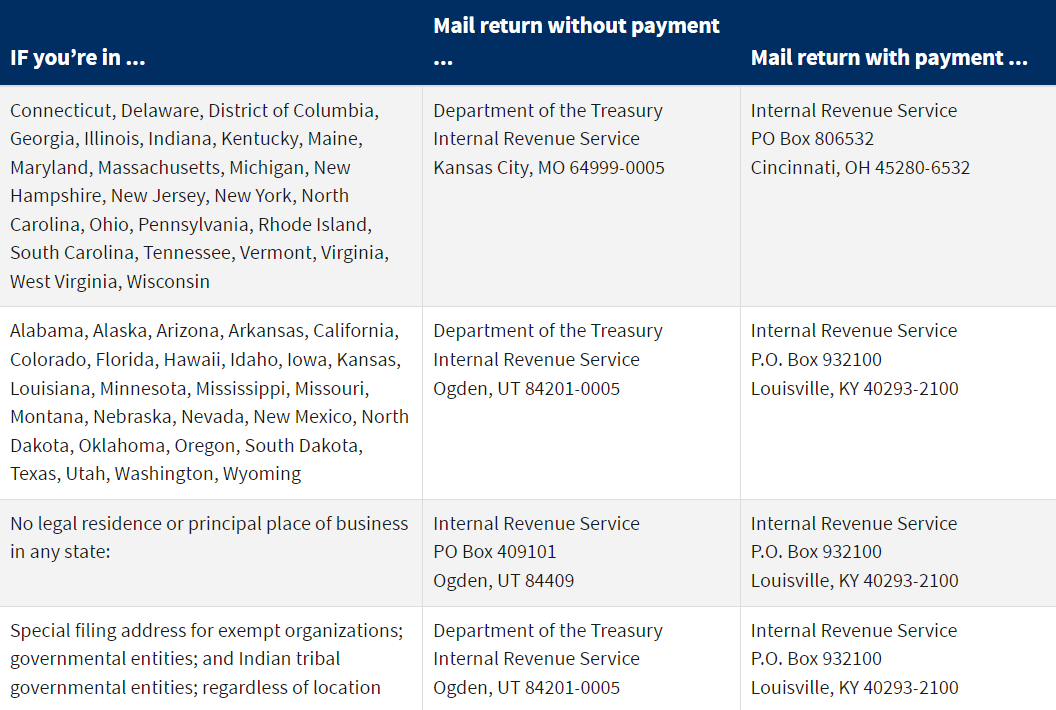
- Mailing Address: The mailing address for sending Form 941 with a payment (and Form 941-V) varies depending on your state and whether you are also enclosing Form 941-V. You must refer to the “Where To File” section in the official IRS instructions for Form 941 for the most up-to-date and accurate mailing address for your specific situation. These addresses are subject to change.
Important Note: If you are required to use EFTPS but send a payment by check or money order, you may still be subject to a penalty, even if your payment is on time.
Other Payment Methods
- Debit/Credit Card: You can pay your federal taxes by debit or credit card through third-party payment processors. While convenient, these processors charge a fee based on the amount paid. This method is an option for final payments or catch-up payments, but EFTPS is still the preferred method for regular payroll tax deposits due to its fee-free nature.
- Wire Transfer: Financial institutions can wire federal tax payments through the Federal Tax Application (FTA). This is generally used by large organizations or in emergency situations where a payment must be made on the same day and EFTPS is unavailable.
Ensuring Accurate Submission: Addresses and Vouchers
Even with the correct payment method chosen, ensuring the payment and form reach the IRS accurately is critical to avoid processing delays and potential penalties.
Locating the Correct Mailing Address
For those who are permitted to mail their Form 941 with a payment, the mailing address is not universal. The IRS has different processing centers, and the correct address depends on your state and whether you are including a payment.
Always consult the official IRS instructions for Form 941 (specifically the “Where To File” section) for the precise mailing address relevant to your location and payment status. Using an outdated or incorrect address can significantly delay processing and may result in penalties. Typically, there is one address for filing Form 941 with a payment (which includes Form 941-V) and another for filing Form 941 without a payment.
The Role of Form 941-V, Payment Voucher
If you are paying by check or money order, Form 941-V is non-negotiable. It’s a simple, short form that accompanies your physical payment.
- Purpose: The voucher contains scannable information that allows the IRS to quickly identify your payment, your business, and the tax period it applies to.
- Completion: You will need to fill in your employer identification number (EIN), the calendar quarter for which you are making the payment, and the dollar amount of your payment.
- Attachment: Do not attach Form 941-V or your payment to Form 941. Simply place them together in the envelope. The IRS separates them during processing.
Ignoring the 941-V or filling it out incorrectly can lead to your payment being misapplied or delayed, effectively making it a late payment.
Common Errors to Avoid
To ensure a smooth filing and payment process, be mindful of these common mistakes:
- Incorrect Amount: Double-check all calculations on Form 941 and ensure the payment amount matches.
- Wrong Address: As mentioned, always verify the mailing address in the current IRS instructions.
- Missing Signature: Form 941 must be signed by an authorized individual.
- Not Separating Payment and Form: If mailing, do not staple or attach your check/money order or Form 941-V to Form 941.
- Incorrect Deposit Schedule: Penalties apply if you deposit taxes on the wrong schedule (e.g., monthly instead of semi-weekly).
- Failure to Use EFTPS: If you are required to use EFTPS, sending a paper check can still result in penalties.
- Late Filing/Payment: Adhere strictly to deadlines. Even a day late can trigger penalties.
Best Practices for Seamless Tax Compliance
Navigating federal payroll taxes can seem daunting, but adopting best practices can significantly streamline the process and minimize risks.
Record Keeping and Documentation
Meticulous record-keeping is your best defense in case of an IRS inquiry or audit. Maintain organized records of:
- All payroll reports and summaries.
- Copies of all filed Form 941s.
- Confirmation numbers for all EFTPS payments.
- Copies of checks or money orders (front and back) used for tax payments.
- Bank statements showing tax payment debits.
- Any correspondence with the IRS regarding employment taxes.
Keep these records for at least four years after the date the tax becomes due or is paid, whichever is later.
Leveraging Payroll Software and Professionals
For many businesses, particularly as they grow, the complexity of payroll tax compliance makes specialized tools and expertise invaluable.
- Payroll Software: Modern payroll software can automate many aspects of Form 941 preparation and tax deposits. It calculates liabilities, tracks employee wages, reminds you of deadlines, and can often integrate directly with EFTPS for seamless electronic payments.
- Payroll Service Providers/Accountants: Outsourcing payroll to a reputable service provider or working with a qualified accountant or bookkeeper can ensure accuracy and compliance. These professionals stay updated on tax laws, manage all filings and payments on your behalf, and can offer strategic advice. While an added expense, the cost can be far less than the penalties and stress associated with non-compliance.
Staying Updated on IRS Guidelines
Tax laws and IRS procedures are not static. They can change annually or even more frequently. It is essential for employers to:
- Regularly review the latest IRS Publication 15 (Circular E), Employer’s Tax Guide.
- Check the IRS website (irs.gov) for updates to Form 941 instructions.
- Subscribe to IRS e-newsletters or work with a financial professional who stays abreast of these changes.
Proactive knowledge and diligent application of current rules are your strongest assets in maintaining impeccable federal tax compliance. By understanding the distinction between filing and payment, leveraging electronic systems like EFTPS, and adhering to strict deadlines and proper procedures, businesses can confidently meet their Form 941 obligations and avoid unnecessary financial setbacks.
aViewFromTheCave is a participant in the Amazon Services LLC Associates Program, an affiliate advertising program designed to provide a means for sites to earn advertising fees by advertising and linking to Amazon.com. Amazon, the Amazon logo, AmazonSupply, and the AmazonSupply logo are trademarks of Amazon.com, Inc. or its affiliates. As an Amazon Associate we earn affiliate commissions from qualifying purchases.