
For many graduates and current students, the landscape of student debt can feel like a fragmented puzzle. With various lenders, servicers, and loan types—ranging from federal subsidized loans to private lines of credit—it is remarkably easy to lose track of exactly how much you owe, to whom you owe it, and what the terms of your repayment are. Understanding where to see your student loans is the first and most critical step in taking control of your financial future. Without a centralized view of your obligations, you risk missing payments, incurring unnecessary interest, and damaging your credit score.
This guide provides a roadmap for locating every dollar of your student debt, whether it is held by the federal government or a private financial institution. By the end of this exploration, you will have the tools and knowledge necessary to build a comprehensive dashboard of your liabilities, allowing you to move from a state of financial uncertainty to one of strategic management.
Locating Federal Student Loan Information
The vast majority of student loans in the United States are federal loans, funded by the U.S. Department of Education. Because these loans are centralized under a single governmental umbrella, they are generally easier to track than private loans, provided you know where to look.
The Federal Student Aid (FSA) Dashboard
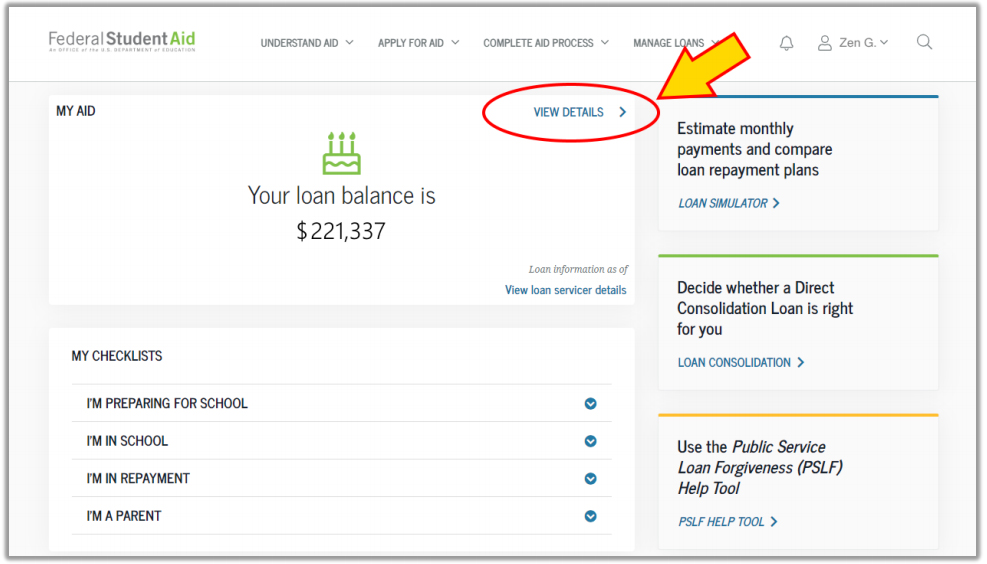
The primary destination for anyone looking to view their federal student loans is the official Federal Student Aid website, StudentAid.gov. This portal acts as the definitive clearinghouse for all federal borrowing history. To access your information, you will need your FSA ID—the same username and password used to sign the FAFSA (Free Application for Federal Student Aid).
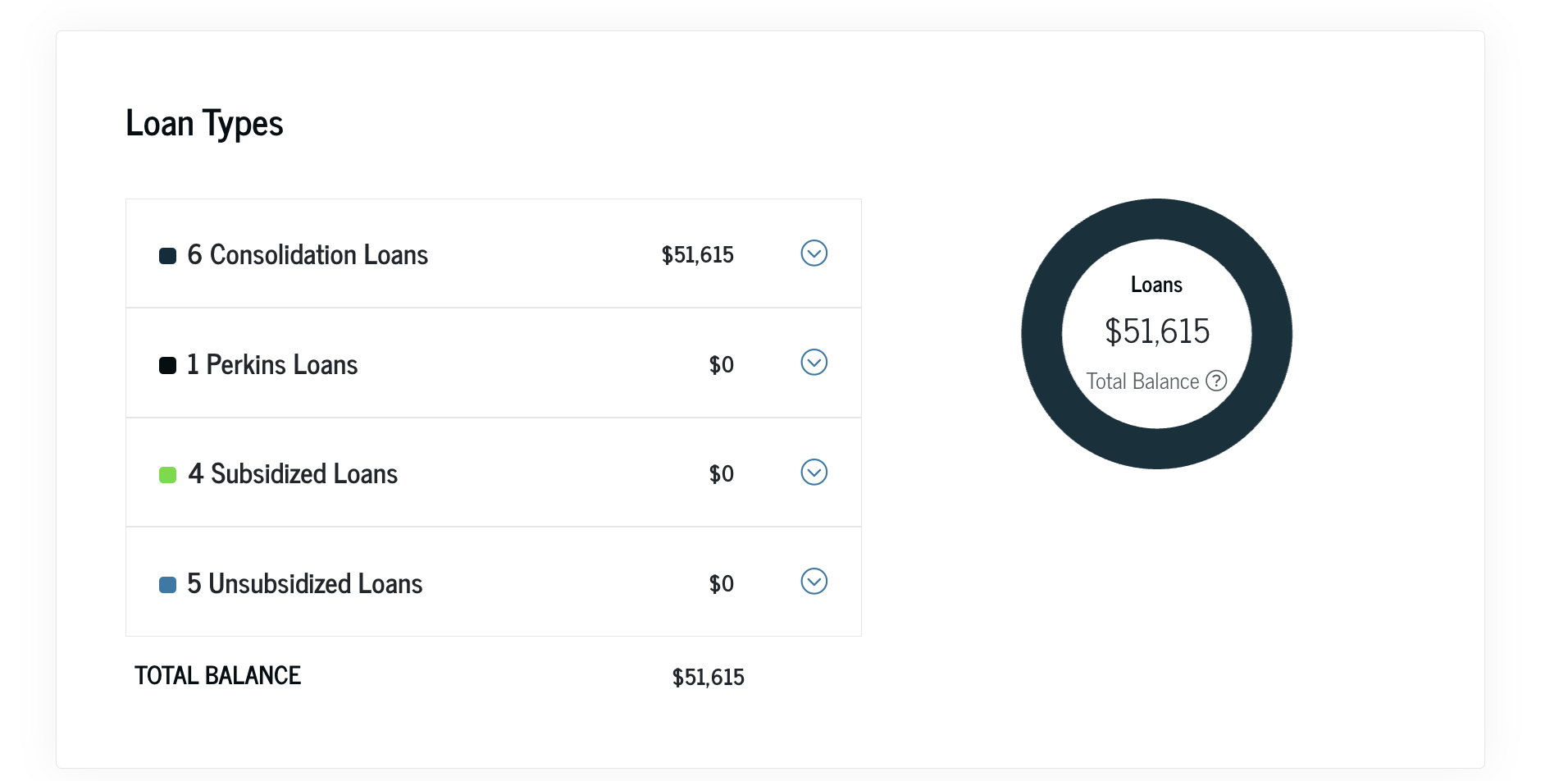
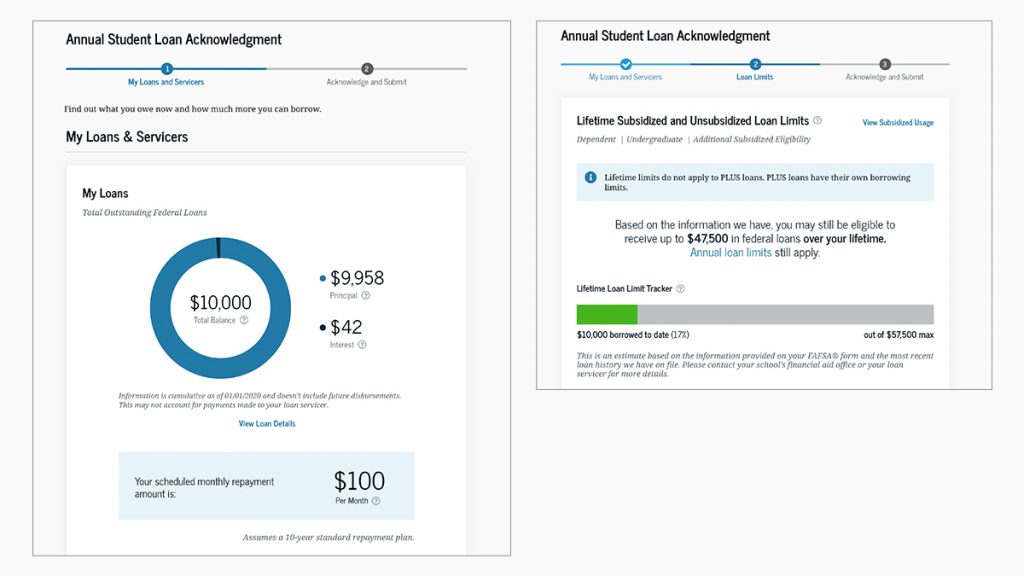
Once logged in, the dashboard provides a high-level summary of your total outstanding balance, including both principal and accrued interest. It also categorizes your loans by type, such as Direct Subsidized, Direct Unsubsidized, or Parent PLUS loans. This view is invaluable because it shows the “Total Original Amount” versus the “Current Balance,” giving you a clear picture of how interest has impacted your debt over time.
Identifying Your Loan Servicer
While the Department of Education owns your federal loans, they do not typically manage the day-to-day billing and customer service. Instead, they assign your loans to “loan servicers.” These are private companies, such as Nelnet, Mohela, Aidvantage, or Edfinancial, that handle your payments and repayment plans.
On your StudentAid.gov dashboard, you can see a specific section labeled “My Loan Servicers.” This is crucial because, while you can see your balance on the federal site, you must make your actual payments through the servicer’s portal. If your loans have been transferred—which happens frequently in the industry—the federal dashboard will be the most reliable way to find out who currently holds your account.
Understanding the National Student Loan Data System (NSLDS)
The information displayed on StudentAid.gov is pulled from the National Student Loan Data System (NSLDS). This is the centralized database for all federal student aid. If you need a more granular, technical view of your loan history—including every disbursement date, every period of deferment or forbearance, and a historical record of every servicer that has ever touched your account—you can request a “MyStudentData” download from the portal. This text file may be difficult to read at first, but it contains the most comprehensive historical record available for federal debt, which is particularly useful if you are applying for Public Service Loan Forgiveness (PSLF) and need to verify your payment counts.
Finding and Managing Private Student Loans
Unlike federal loans, private student loans are not tracked by the Department of Education. These loans are issued by banks, credit unions, or online lenders like SoFi, Sallie Mae, or Discover. Because there is no single government database for private debt, locating these loans requires a more investigative approach.
Reviewing Your Credit Report
The most effective way to see all your private student loans in one place is to pull your credit report. Because lenders report your account status to credit bureaus to build your credit history, these reports serve as a secondary ledger for your debts.
You are entitled to a free credit report from each of the three major bureaus—Equifax, Experian, and TransUnion—via AnnualCreditReport.com. When you review your report, look under the “Account Information” or “Tradelines” section. You will see the name of the financial institution, the original loan amount, the current balance, and your payment status. If you see an entry from a bank you don’t recognize, it may be a private student loan that was sold to another servicer or a lender you used years ago and have since forgotten.
Checking Bank Statements and Original Contracts
If your credit report shows a loan but lacks detail, your next step should be your own financial archives. Search your email and physical files for “Promissory Notes” or “Truth in Lending” disclosures. These documents are the legal contracts you signed when taking out the loan.
Furthermore, checking your bank account statements for past electronic fund transfers (EFTs) or auto-pay deductions can reveal who you have been paying. Private lenders often use distinct names for their student loan divisions, so look for recurring monthly charges that align with typical loan payment amounts.
Communicating with Private Lenders
Once you have identified the lender via your credit report, you must reach out to them directly to gain access to their online portal. Unlike federal loans, private loans do not have a universal login. You will need to create an account with each specific lender to see your interest rates, which are often variable and can change monthly or quarterly. Knowing these rates is essential for prioritizing which loans to pay off first in a “debt avalanche” strategy.
Essential Tools and Strategies for Centralizing Your Debt Overview
Seeing your loans is one thing; managing them effectively is another. Once you have gathered the data from both federal and private sources, you need a way to centralize this information so you aren’t logging into five different websites every month.
Financial Aggregators and Budgeting Apps
Modern financial technology has made it easier to view your entire net worth in one place. Tools like Empower, Rocket Money, or YNAB (You Need A Budget) allow you to link both your federal servicer accounts and your private bank loans. These apps use encrypted connections to pull your balances automatically, providing a real-time view of your total student debt alongside your checking and savings accounts. This holistic view is vital for understanding how your debt fits into your broader financial picture.
Creating a Custom Student Loan Spreadsheet
While apps are convenient, they sometimes struggle with the nuances of student loan data, such as distinguishing between different loan sequences or tracking interest capitalization. Many financial experts recommend maintaining a manual spreadsheet. Your spreadsheet should include columns for:
-
Loan Name/Type
-
Current Balance
-
Interest Rate (and whether it is fixed or variable)
-
Monthly Minimum Payment
-
Servicer Contact Information
-
Loan Status (Repayment, Deferment, Grace Period)
By updating this spreadsheet quarterly, you can track your progress in a way that automated tools cannot, providing a psychological boost as you watch the total balance decrease over time.
The Role of Annual Credit Reports in Long-Term Monitoring
Even after you have identified your loans, you should continue to monitor your credit reports at least once a year. This ensures that your servicers are reporting your payments correctly. Errors in student loan reporting are relatively common, especially after a loan is consolidated or transferred to a new servicer. If a servicer marks a payment as “late” when you were actually in an authorized deferment, it could significantly drop your credit score. Seeing your loans on your credit report allows you to catch these errors early and file disputes if necessary.
Why Monitoring Your Student Loans is Critical for Long-Term Wealth
Knowing exactly where your student loans are and what they look like is not just an administrative task; it is a foundational component of wealth building. Student debt affects your Debt-to-Income (DTI) ratio, which is a primary factor lenders use when you apply for a mortgage or a car loan.
Tracking Interest Accrual and Capitalization
One of the most dangerous aspects of student debt is “interest capitalization.” This occurs when unpaid interest is added to the principal balance of your loan, causing you to pay interest on top of interest. This often happens at the end of a grace period or after a period of forbearance. By regularly viewing your loan details on your servicer’s website, you can see how much interest is accruing daily. If you have the means, paying off the interest before it capitalizes can save you thousands of dollars over the life of the loan.
Monitoring Progress Toward Forgiveness Programs
For those in public service or on Income-Driven Repayment (IDR) plans, seeing your loans includes tracking your progress toward forgiveness. On StudentAid.gov, borrowers can now see a “payment count” for PSLF. This allows you to verify that every month you’ve worked in a qualifying job is being counted toward the 120 payments required for total loan discharge. Without regular monitoring, you might find out years later that several months didn’t count due to a technicality, delaying your financial freedom.
Preparing for Changes in Repayment Terms
The landscape of student loans is subject to frequent legislative and regulatory changes. New repayment plans, such as the SAVE (Saving on a Valuable Education) plan, can drastically alter your monthly obligation and interest subsidies. By maintaining access to your federal and private accounts, you ensure that you are positioned to take advantage of these changes as soon as they are implemented.
In conclusion, the question “where do i see my student loans” is the gateway to a more disciplined financial life. By utilizing StudentAid.gov for federal debt, credit reports for private debt, and personal tracking tools for centralization, you move from being a passive debtor to an active manager of your capital. This transparency is the only way to effectively navigate the complexities of interest, repayment plans, and forgiveness, ultimately clearing the path toward your broader financial goals.
aViewFromTheCave is a participant in the Amazon Services LLC Associates Program, an affiliate advertising program designed to provide a means for sites to earn advertising fees by advertising and linking to Amazon.com. Amazon, the Amazon logo, AmazonSupply, and the AmazonSupply logo are trademarks of Amazon.com, Inc. or its affiliates. As an Amazon Associate we earn affiliate commissions from qualifying purchases.