
In an era defined by digital transformation, the simple question of “where do I pay?” has become increasingly complex. Gone are the days when a single checkbook and a stack of stamped envelopes sufficed for managing a household’s or a business’s financial obligations. Today, our financial lives are fragmented across dozens of platforms, from SaaS subscriptions and utility portals to tax authorities and investment brokerages. This fragmentation, while offering convenience and automation, also creates a significant cognitive load. Understanding the ecosystem of modern payment channels is no longer just about logistics; it is a fundamental pillar of personal finance management and wealth preservation.
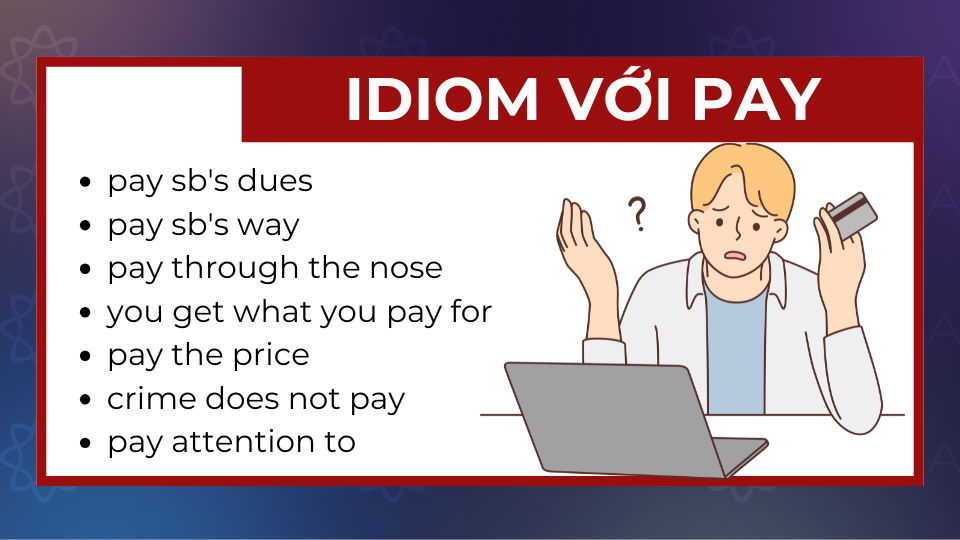
Managing where your money goes requires a strategic approach to payment infrastructure. Whether you are settling a debt, funding an investment, or fulfilling a civic duty through taxes, the platform you choose affects your security, your credit score, and your overall financial health.
Navigating the Landscape of Digital Bill Management
The most frequent answer to “where do I pay?” resides within the realm of monthly recurring expenses. As we transition further away from physical mail, the primary challenge has shifted from “how do I send the money?” to “where is the central dashboard for these obligations?” For most consumers, there are three primary channels for bill settlement: the service provider’s direct portal, the bank’s bill-pay system, and third-party financial aggregators.
Centralizing Your Fixed Expenses Through Banking Portals
Most major financial institutions offer a “Bill Pay” feature that acts as a centralized clearinghouse for your liabilities. Instead of logging into ten different websites for your electricity, water, internet, and insurance, you can direct your bank to send electronic payments or physical checks on your behalf. The advantage here is twofold: visibility and security. By keeping the “where” restricted to your primary banking environment, you reduce the number of entities that have your sensitive account or card information on file. Furthermore, centralizing payments allows for better cash-flow forecasting, as you can see all upcoming outflows in a single calendar view.
The Rise of All-in-One Payment Hubs
In recent years, specialized fintech applications have emerged to bridge the gap between individual billers and your bank account. These platforms use APIs to pull data from your utility providers and credit card issuers, presenting a unified interface for payment. While these tools offer unparalleled convenience, users must weigh the benefits against the potential for data exposure. When choosing an aggregator, it is critical to ensure they utilize bank-level encryption and multi-factor authentication. The strategic goal is to minimize the “friction” of payment—the psychological and logistical hurdles that lead to late fees and missed deadlines.
Fulfilling Tax Obligations: Where and How to Settle with the IRS
Perhaps no payment is more critical—or more fraught with anxiety—than the payment of taxes. For freelancers, small business owners, and even high-net-worth employees with additional income streams, knowing exactly where to pay federal and state taxes is essential for avoiding penalties and interest.
Direct Pay vs. the Electronic Federal Tax Payment System (EFTPS)
For individual taxpayers, the IRS offers “Direct Pay,” a service that allows you to pay your income tax directly from a checking or savings account without any prior registration. It is the most streamlined answer for those filing a standard Form 1040. However, for business owners or those making significant estimated tax payments, the EFTPS (Electronic Federal Tax Payment System) is the gold standard.
The EFTPS requires an enrollment process and provides a higher level of record-keeping and security. It is a dedicated government portal designed for high-frequency or high-value transactions. Understanding the distinction between these two is vital; while Direct Pay is built for convenience, EFTPS is built for business rigor and long-term financial planning.
State and Local Tax Portals
A common mistake in financial management is focusing solely on federal obligations and neglecting the “where” of state and local taxes. Every state has its own Department of Revenue with its own unique digital infrastructure. Some states use consolidated systems like “MyTax” or “TAP” (Taxpayer Access Point). Navigating these requires separate credentials and a different set of deadlines. For those living in one state and working in another, or for remote workers with a “nexus” in multiple jurisdictions, the landscape of payment portals can become a maze. Professional-grade financial management involves cataloging these specific URLs and login requirements long before the tax deadline approaches.
Mastering Debt Repayment Channels
Debt management is as much about the “where” as it is about the “how much.” Whether you are tackling student loans, a mortgage, or high-interest credit card debt, the channel through which you pay can influence the speed at which you reach financial freedom.
Student Loan Servicers: Finding Your Point of Contact
For millions of borrowers, the question of where to pay student loans has been complicated by the frequent transfer of accounts between different loan servicers. A borrower might start with one company and end up with another through no choice of their own. To find the current “where,” federal borrowers should always refer to the Federal Student Aid (FSA) dashboard. This government-hosted portal acts as the source of truth, identifying the specific servicer assigned to your debt. Paying through the wrong channel or failing to update your payment information after a transfer is a leading cause of accidental defaults.
Credit Card Portals and Third-Party Aggregators
When it comes to credit cards, the most effective place to pay is usually the issuer’s direct app or website. While third-party “debt relief” or “consolidation” services may offer to handle payments for you, they often introduce an unnecessary layer of risk and cost. Direct payment ensures that the funds are credited immediately, which is crucial for managing your credit utilization ratio—a key component of your credit score. By paying directly at the source, you also maintain access to real-time data regarding your transaction history and rewards balance.
Investing for the Future: Platforms and Portfolios
In personal finance, we often talk about “paying yourself first.” This refers to the practice of directing funds into savings and investments before any other expenses are settled. In this context, “where do I pay” translates to “where do I deploy my capital for growth?”
Brokerage Accounts and Automated Transfers
The modern investor has a wealth of options, from traditional discount brokerages to mobile-first “robo-advisors.” The choice of where to pay your investment capital depends on your goals and your desired level of involvement. For most, a brokerage that offers automated “push” or “pull” transfers is ideal. Setting up a recurring transfer from your checking account to a diversified index fund or an IRA ensures that your “payment” to your future self happens without manual intervention. This automates the habit of wealth building, removing the emotional barrier of deciding whether or not to invest each month.
Alternative Assets and Specialized Platforms
As portfolios mature, many investors look beyond the stock market to real estate crowdfunding, private equity, or digital assets. These “where” options require a different level of due diligence. Unlike a bank or a major brokerage, specialized investment platforms may have different liquidity rules and fee structures. When deciding where to pay your investment dollars, it is imperative to analyze the platform’s track record, its regulatory compliance, and its exit strategy for investors.
Security and Optimization in the Payment Process
The final consideration in the “where do I pay” journey is the safety and efficiency of the transaction itself. Every time you enter payment information into a portal, you are engaging in a moment of risk.
Verifying Secure Payment Gateways
Before submitting any financial data, it is essential to verify the integrity of the payment gateway. Look for “https://” in the URL and the padlock icon in the browser bar. Furthermore, consider the payment method used within that portal. Credit cards often offer superior fraud protection compared to debit cards or direct ACH transfers. Some sophisticated financial managers use “virtual card numbers”—temporary, merchant-specific card numbers generated by an app—to add an extra layer of insulation between their main bank account and the “where” of the payment.

Leveraging Rewards and Cash Back
Optimization is the “pro level” of answering “where do I pay?” By strategically choosing which payment method to use for specific obligations, you can recoup a percentage of your spending. For example, using a high-yield rewards card for utility payments or insurance premiums (if no convenience fee is charged) can result in significant annual savings. However, this strategy only works if the balance is paid in full every month. The “where” should always be a place that aligns with your broader financial strategy: minimizing interest, maximizing security, and ensuring that every dollar spent is tracked and accounted for.
By mastering the various portals, platforms, and gateways of the modern financial world, you move from being a reactive payer to a proactive manager of your wealth. The question “where do I pay?” is the starting point for a deeper understanding of your financial ecosystem—one that, when managed correctly, leads to clarity, security, and long-term prosperity.
aViewFromTheCave is a participant in the Amazon Services LLC Associates Program, an affiliate advertising program designed to provide a means for sites to earn advertising fees by advertising and linking to Amazon.com. Amazon, the Amazon logo, AmazonSupply, and the AmazonSupply logo are trademarks of Amazon.com, Inc. or its affiliates. As an Amazon Associate we earn affiliate commissions from qualifying purchases.