
The landscape of personal and business finance has shifted dramatically toward digital integration, yet the fundamental question of “where do I pay taxes” remains a source of anxiety for many. Whether you are a high-net-worth investor, a burgeoning freelancer, or a small business owner, understanding the logistical pathways to satisfying your tax obligations is essential for maintaining financial health and avoiding unnecessary penalties. Navigating the various portals, agencies, and payment processors can feel like a labyrinth, but with the right roadmap, the process becomes a routine administrative task rather than a seasonal crisis.
Understanding Your Tax Obligations: Federal vs. State Jurisdictions
Before identifying the specific website or physical location for payment, it is crucial to distinguish between the two primary entities that claim a portion of your income: the federal government and state/local governments. Each operates on its own schedule and utilizes distinct payment infrastructures.
The Internal Revenue Service (IRS) for Federal Taxes
The IRS is the centralized authority for all federal income, self-employment, and corporate taxes in the United States. When people ask where to pay, the IRS is usually the first stop. The federal government has invested heavily in modernizing its intake systems, moving away from paper checks toward a robust digital ecosystem. Your federal payments go toward Social Security, Medicare, national defense, and federal infrastructure. Because the IRS oversees the entire nation, their portals are standardized, though they offer several different “front doors” depending on your filing status and payment method.
State and Local Tax Authorities
Unless you reside in a state with no income tax—such as Florida, Texas, or Washington—you likely owe a secondary payment to your state’s Department of Revenue (DOR) or Franchise Tax Board (FTB). Unlike the IRS, these agencies are fragmented. Each state maintains its own proprietary payment portal. For example, a resident of New York would use the New York State Department of Taxation and Finance website, while a Californian would utilize the MyFTB portal. It is a common financial mistake to assume that paying the IRS satisfies all obligations; you must verify the specific “where” for your state of residence or the state where your business generates income.
Digital Platforms for Federal Tax Payments
For the modern taxpayer, the “where” is almost always a secure URL. The IRS offers several distinct platforms tailored to different financial needs and levels of complexity.
IRS Direct Pay: The Standard for Individuals
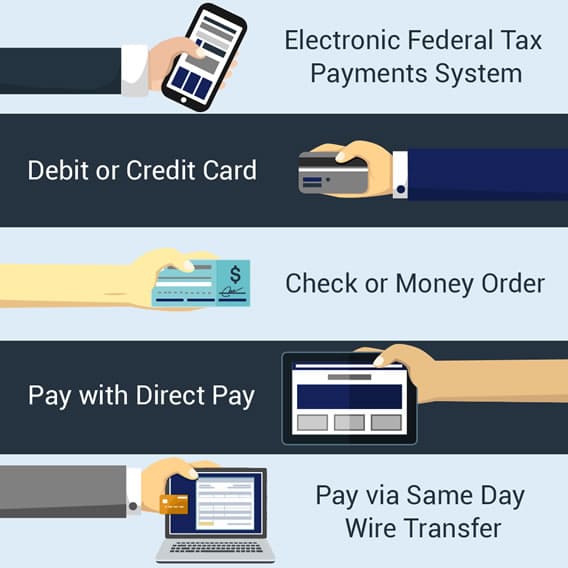
For the average individual taxpayer or solo entrepreneur, IRS Direct Pay is the most efficient “location” for payment. This portal allows you to pay your income tax directly from a checking or savings account without any processing fees. One of the primary advantages of Direct Pay is that it does not require registration. You simply verify your identity using information from a prior year’s tax return and select the reason for payment—such as a balance due on a 1040 or an estimated tax payment. It is the gold standard for those who value speed and simplicity.
EFTPS: The Corporate and Small Business Powerhouse
The Electronic Federal Tax Payment System (EFTPS) is a more advanced portal designed for businesses and individuals with complex tax lives. Unlike Direct Pay, EFTPS requires an enrollment process that includes receiving a PIN via physical mail. Once registered, however, it serves as a powerful financial tool. It allows you to schedule payments up to 365 days in advance and provides an exhaustive history of every payment made under your Taxpayer Identification Number (TIN). For those managing side hustles or corporate payroll taxes, EFTPS is the professional choice for ensuring consistency and record-keeping.
IRS2Go and Third-Party Processors
In the age of mobile finance, the IRS2Go app provides a mobile-friendly interface for making payments on the fly. Furthermore, for those who prefer to pay via credit or debit card, the IRS utilizes authorized third-party processors like ACI Payments, Inc. and Click2Pay. While the “where” in this case is a private website, these processors are officially sanctioned by the government. It is important to note that while the IRS does not charge a fee for card payments, these third-party sites charge a convenience fee, typically ranging from 1.8% to 2% of the total tax amount.
Navigating State-Level Tax Portals
State tax portals often vary in user experience and technical sophistication. However, the logic remains consistent across the country: you are looking for the official Department of Revenue website for your specific state.
Department of Revenue (DOR) Websites
Most states have branded their payment portals to be easily identifiable. For instance, Massachusetts uses “MassTaxConnect,” while Illinois uses “MyTax Illinois.” These sites function similarly to the IRS portals, allowing for direct bank transfers (ACH) or credit card payments. When searching for where to pay state taxes, always ensure the URL ends in “.gov” to avoid phishing scams or unauthorized third-party middle-men who may charge exorbitant service fees just to pass your money along to the state.
Multi-State Tax Filing Services
For digital nomads or businesses operating in multiple jurisdictions, the “where” becomes even more complicated. In these instances, many financial professionals recommend using professional tax software or cloud-based accounting platforms. These services act as an intermediary, allowing you to submit payments to multiple states through a single interface. While there is often a software fee associated with these services, the time saved and the reduction in potential errors often provide a significant return on investment.
Payment Methods: From Credit Cards to Direct Debits
Once you have identified the portal, you must decide which financial instrument to use. The choice of “how” you pay can have a significant impact on your overall financial strategy and cash flow management.
Pros and Cons of Paying by Credit Card
Paying taxes with a credit card is an increasingly popular option for those looking to maximize credit card rewards or bridge a short-term cash flow gap. If you have a high-spend requirement for a new card’s sign-up bonus, paying a large tax bill can be a strategic move. However, from a pure personal finance perspective, the 1.8% to 2% processing fee often outweighs the value of the points earned. Furthermore, if you cannot pay off the balance immediately, the high interest rates on credit cards will quickly turn a manageable tax debt into a financial burden.
Electronic Funds Withdrawal (EFW)
If you are using tax preparation software to file your return, the “where” is handled internally via Electronic Funds Withdrawal. This allows you to authorize the IRS to take the exact amount owed directly from your bank account on a specific date. This is the most “set it and forget it” method available, ensuring that you do not miss the filing deadline even if you finish your paperwork weeks in advance.
Traditional Methods: Checks and Money Orders
For those who prefer a paper trail or do not have access to reliable internet, the “where” is a physical P.O. Box. The IRS maintains several processing centers across the country. If you choose this route, the payment must be mailed with Form 1040-V (Payment Voucher). While traditional, this method is the most prone to delays and loss in the mail. Financial experts generally advise against mailing large checks if digital options are available, as the digital confirmation receipt provided by online portals is your strongest defense in the event of an audit or a dispute over late fees.
Future-Proofing Your Tax Payments
Understanding where to pay taxes is not just about the final April deadline; it is about managing your financial obligations throughout the year to avoid the “tax bill shock” that catches many off guard.
Estimated Quarterly Payments for Freelancers
If you are involved in side hustles, consulting, or any form of self-employment where taxes are not withheld from a paycheck, the “where” changes from an annual destination to a quarterly one. Using IRS Form 1040-ES, you are expected to make payments four times a year. Utilizing the EFTPS or Direct Pay systems to schedule these payments in advance is a hallmark of sophisticated financial planning. It ensures that you are “paying as you go,” which keeps your business’s cash flow predictable and avoids the underpayment penalties that the IRS levies on those who wait until the end of the year to settle up.
Keeping Records and Confirmations
The final step in the payment process is often the most overlooked: securing the confirmation number. Regardless of the portal used, every digital payment generates a unique transaction ID. In the world of finance, this ID is your receipt. You should store these digitally or in a dedicated tax folder. If the IRS or a state agency ever claims a payment was missed, having the specific confirmation number, the date of the transaction, and the portal used will resolve the issue almost instantly.
In conclusion, knowing where to pay taxes is a fundamental pillar of financial literacy. By leveraging tools like IRS Direct Pay, enrolling in EFTPS for business needs, and identifying the correct state Department of Revenue portals, you can transform a complex legal requirement into a streamlined digital process. As tax technology continues to evolve, staying informed about these platforms ensures that your focus remains on growing your wealth rather than navigating the logistics of the government’s intake systems.
aViewFromTheCave is a participant in the Amazon Services LLC Associates Program, an affiliate advertising program designed to provide a means for sites to earn advertising fees by advertising and linking to Amazon.com. Amazon, the Amazon logo, AmazonSupply, and the AmazonSupply logo are trademarks of Amazon.com, Inc. or its affiliates. As an Amazon Associate we earn affiliate commissions from qualifying purchases.