
The question “Where do I invest?” resonates with millions globally, a fundamental inquiry that marks the beginning of a crucial financial journey. In an era of evolving economic landscapes and a myriad of investment vehicles, understanding where to allocate your hard-earned money can feel daunting. This guide aims to demystify the investment world, offering insights into various avenues for financial growth and equipping you with the knowledge to make informed decisions tailored to your unique circumstances. Investing isn’t a one-size-fits-all endeavor; it’s a deeply personal path influenced by individual goals, risk tolerance, and financial situations. Whether you’re a novice looking to plant your first financial seed or a seasoned saver seeking to optimize your portfolio, embarking on this journey with a clear strategy is paramount.

Understanding Your Investment Foundation
Before diving into specific investment products, establishing a robust financial foundation is critical. This initial phase involves introspection and practical steps that lay the groundwork for successful and sustainable investing. Without these foundational elements, even the most promising investments can falter under the weight of unforeseen circumstances or misaligned expectations.
Defining Your Financial Goals
The first step in answering “Where do I invest?” is to clarify “Why do I want to invest?” Your financial goals will dictate your investment horizon, risk appetite, and the types of assets you choose. Are you saving for a short-term goal like a down payment on a house within three years, or a long-term aspiration like retirement in thirty years? Perhaps you’re building an education fund for your children, planning a significant travel experience, or simply aiming for general wealth accumulation. Short-term goals typically necessitate lower-risk, more liquid investments, while long-term objectives can accommodate higher-growth, potentially more volatile assets. Clearly defined goals provide direction and help you stay disciplined during market fluctuations.
Assessing Your Risk Tolerance
Risk tolerance is a measure of how much financial risk you are willing and able to take in pursuit of higher returns. This is a highly personal metric influenced by factors such as age, income stability, existing savings, and even psychological makeup. Someone nearing retirement, for instance, might have a lower risk tolerance than a young professional with decades of earning potential ahead. Investors are generally categorized as conservative, moderate, or aggressive. Conservative investors prioritize capital preservation and stable, albeit lower, returns. Aggressive investors are comfortable with higher volatility in exchange for the potential for substantial growth. Understanding your own comfort level with risk is crucial, as investing beyond your tolerance can lead to anxiety and impulsive, detrimental decisions during market downturns.
The Importance of a Budget and Emergency Fund
No investment journey should begin without a solid budget and a fully funded emergency savings account. A budget provides a clear picture of your income and expenses, identifying areas where you can save and invest. It ensures that you’re investing discretionary income, not funds essential for daily living. An emergency fund, typically three to six months’ worth of living expenses held in an easily accessible, liquid account, acts as a financial safety net. This fund prevents you from having to sell investments prematurely and at a loss during unexpected financial crises, such as job loss, medical emergencies, or significant home repairs. It’s the bedrock that allows your investments to weather market storms without disruption.
Traditional Avenues for Wealth Building
Once your foundation is secure, you can explore the traditional and time-tested investment vehicles that have formed the backbone of wealth creation for generations. These assets offer diverse risk-reward profiles and cater to a broad spectrum of investor preferences.
Stocks: Ownership in Public Companies
Investing in stocks means purchasing shares of ownership in publicly traded companies. As a shareholder, you own a piece of the company and may benefit from its growth through capital appreciation (the stock price increasing) and potentially dividend payments. Stocks are generally considered a high-growth investment, but they also come with higher volatility.
- Types: Growth stocks are from companies expected to grow faster than the market average. Value stocks are from companies that appear undervalued by the market. Dividend stocks provide regular income payments to shareholders.
- Strategies: Long-term holding (buy and hold) is a common strategy focusing on sustained growth. Day trading, involving frequent buying and selling, is highly speculative and not recommended for most investors.
- Risks & Rewards: While stocks offer the potential for significant returns, they also carry the risk of substantial losses, especially in the short term, due to market fluctuations and company-specific performance.
Bonds: Lending to Governments and Corporations
When you buy a bond, you are essentially lending money to a government or corporation. In return, the issuer promises to pay you regular interest payments over a specified period and return your principal at maturity. Bonds are generally considered less volatile than stocks and provide a more predictable income stream.
- Types: Treasury bonds are issued by national governments and are considered very low risk. Corporate bonds are issued by companies and carry varying levels of risk depending on the issuer’s financial health. Municipal bonds are issued by state and local governments, often offering tax advantages.
- Risks & Rewards: Bonds typically offer lower returns than stocks but also lower risk. They are a good option for income generation and portfolio diversification, acting as a buffer during stock market downturns. However, they are subject to interest rate risk and inflation risk.
Mutual Funds and ETFs: Diversification Made Easy
For investors seeking diversification without individually selecting numerous stocks and bonds, mutual funds and Exchange-Traded Funds (ETFs) are excellent choices.
- Mutual Funds: These are professionally managed portfolios of stocks, bonds, or other securities. Investors buy units in the fund, and their money is pooled to invest in a diversified range of assets. They are actively managed, often incurring higher fees (expense ratios).
- ETFs: Similar to mutual funds, ETFs also hold a basket of assets. However, they trade like individual stocks on exchanges throughout the day. Many ETFs are passively managed, tracking a specific index (like the S&P 500), which typically results in lower expense ratios.
- Benefits: Both offer instant diversification, reducing specific company risk, and are managed by professionals (or track an index).
- Considerations: Fees (expense ratios) can eat into returns over time, so it’s important to compare them.
Real Estate: Tangible Asset Appreciation and Income
Real estate investment involves purchasing physical property for appreciation, rental income, or both. It’s a tangible asset that can serve as a hedge against inflation.
- Methods: Direct ownership of residential or commercial properties for rental income. Real Estate Investment Trusts (REITs) are companies that own, operate, or finance income-producing real estate. They trade like stocks on major exchanges, offering a way to invest in real estate without direct property management. Real estate crowdfunding platforms also allow smaller investors to pool money for larger projects.
- Risks & Rewards: Real estate can provide significant capital appreciation and steady rental income. However, it’s often illiquid, requires substantial capital, and involves ongoing maintenance and management responsibilities.
Exploring Modern and Alternative Investment Options
Beyond traditional assets, the investment landscape continually evolves, offering new avenues that might appeal to certain investors, particularly those with a higher risk tolerance or specific interests.
Cryptocurrencies: The Digital Frontier
Cryptocurrencies like Bitcoin and Ethereum represent a revolutionary class of digital assets based on blockchain technology. They are decentralized and offer potential for high returns but come with extreme volatility.
- Risks & Rewards: Cryptocurrencies are highly speculative, subject to rapid price swings, regulatory uncertainty, and technological risks. However, they have also demonstrated the potential for exponential growth. Investing in crypto should typically be a small portion of a diversified portfolio, only with funds you can afford to lose.
Peer-to-Peer Lending: Becoming the Bank
Peer-to-peer (P2P) lending platforms connect individual borrowers with individual lenders, bypassing traditional financial institutions. Lenders earn interest on the loans they provide.
- Risks & Rewards: P2P lending can offer higher returns than traditional savings accounts, but it carries the risk of borrower default. Diversifying across multiple loans helps mitigate this risk.
Precious Metals and Commodities: Inflation Hedges
Investing in precious metals like gold and silver, or commodities like oil and agricultural products, can serve as a hedge against inflation and economic uncertainty.
- Role in Portfolio: These assets often move independently of stocks and bonds, providing diversification.
- Risks & Rewards: Prices can be volatile due to supply and demand dynamics, geopolitical events, and currency fluctuations. Storage costs can also be a factor for physical holdings.
Investing in Yourself: The Ultimate ROI
While not a conventional financial asset, investing in your own human capital yields some of the highest and most reliable returns. This includes pursuing further education, acquiring new skills, starting a business, or focusing on your health and well-being.
- Returns: Enhanced career prospects, higher earning potential, personal growth, and increased overall quality of life. The skills and knowledge you gain are assets that no market downturn can diminish.
Strategic Considerations for Successful Investing
Regardless of where you choose to invest, adopting sound strategic principles is fundamental to achieving your financial objectives and navigating the inherent uncertainties of the market.
The Power of Diversification
Diversification is perhaps the most crucial strategy in investing. It means spreading your investments across various asset classes (stocks, bonds, real estate), industries, and geographical regions. The goal is to minimize risk by ensuring that a poor performance in one area doesn’t derail your entire portfolio. A well-diversified portfolio aims to capture returns from different market segments while dampening the impact of volatility from any single investment.
Dollar-Cost Averaging
Dollar-cost averaging (DCA) is a strategy where you invest a fixed amount of money at regular intervals, regardless of the asset’s price. For instance, investing $200 in a specific ETF every month. When prices are high, your fixed amount buys fewer shares; when prices are low, it buys more shares. Over time, this strategy averages out your purchase price, reduces the risk of trying to “time the market,” and instills disciplined investing habits.
Long-Term Perspective and Compounding
The most successful investors often share a long-term perspective. Investing is a marathon, not a sprint. Short-term market fluctuations can be unsettling, but a long-term view allows your investments to recover from downturns and benefit from the power of compounding. Compounding is the process where the returns on your investments also earn returns, leading to exponential growth over time. The longer your money is invested, the more potent compounding becomes, making time your greatest ally in wealth accumulation.
Rebalancing Your Portfolio
Over time, the performance of different assets can shift your portfolio’s original allocation. For example, if stocks have a strong run, they might come to represent a larger percentage of your portfolio than initially intended, increasing your overall risk. Rebalancing involves periodically adjusting your portfolio back to your target asset allocation by selling assets that have grown disproportionately and buying those that have lagged. This strategy helps maintain your desired risk level and ensures diversification.
Professional Guidance vs. Self-Directed Investing
Deciding whether to manage your investments yourself or seek professional help depends on your financial literacy, time commitment, and comfort level.
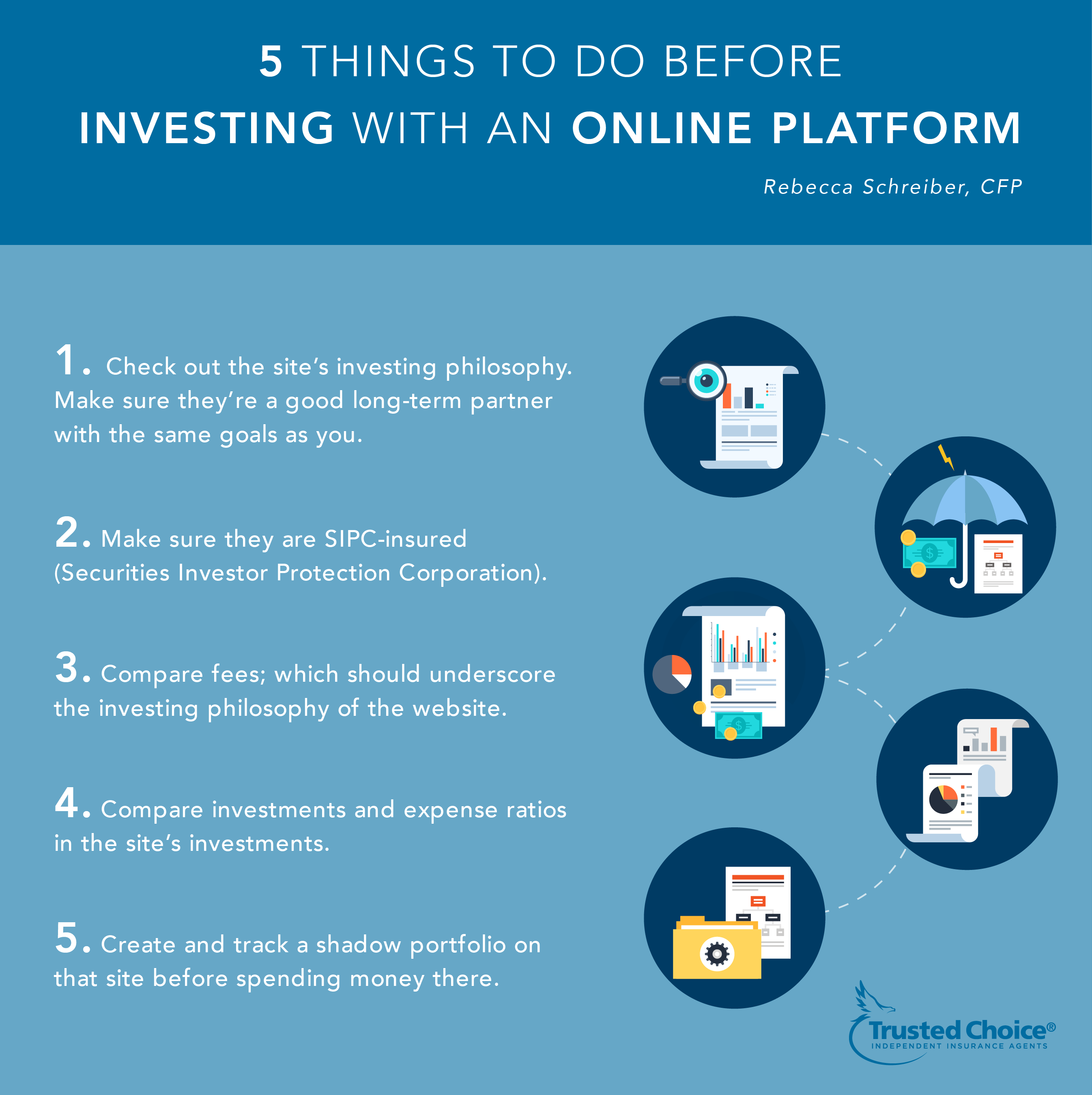
- Self-Directed Investing: Ideal for those who enjoy researching, have a good understanding of market principles, and want full control over their investments. Online brokerage platforms and robo-advisors (automated, algorithm-driven financial planning services) make self-directed investing more accessible than ever.
- Professional Guidance: A financial advisor can provide personalized advice, create a comprehensive financial plan, and manage your portfolio, especially beneficial for complex financial situations or those who prefer a hands-off approach. It’s crucial to find a fee-only fiduciary advisor who legally must act in your best interest.
Conclusion
The question “Where do I invest?” marks the beginning of an empowering journey towards financial independence and growth. There is no single correct answer, as the optimal investment path is deeply personal, shaped by your unique goals, risk tolerance, and circumstances. By establishing a solid financial foundation, understanding the diverse range of traditional and modern investment vehicles, and embracing strategic principles like diversification and a long-term perspective, you can confidently navigate the investment landscape. Remember, the most powerful asset you possess is your knowledge and discipline. Start small, stay informed, remain patient, and consistently review your strategy. The best time to start investing was yesterday; the next best time is today.
aViewFromTheCave is a participant in the Amazon Services LLC Associates Program, an affiliate advertising program designed to provide a means for sites to earn advertising fees by advertising and linking to Amazon.com. Amazon, the Amazon logo, AmazonSupply, and the AmazonSupply logo are trademarks of Amazon.com, Inc. or its affiliates. As an Amazon Associate we earn affiliate commissions from qualifying purchases.