
Embarking on higher education often requires a significant financial investment, and for many, student loans become an indispensable tool to bridge the funding gap. Navigating the world of student financing can seem daunting, but understanding the primary sources and types of loans available is the first crucial step. This guide demystifies the process, outlining where to secure student loans and the critical factors to consider along the way, ensuring you make informed financial decisions for your academic journey.
Understanding Your Student Loan Options
When seeking student loans, two primary categories emerge: federal student loans and private student loans. Each type offers distinct advantages, eligibility criteria, interest rates, and repayment terms. A comprehensive approach typically involves exploring federal options first, due to their borrower-friendly features, before turning to private lenders if additional funding is necessary.
Federal Student Loans: The First Stop
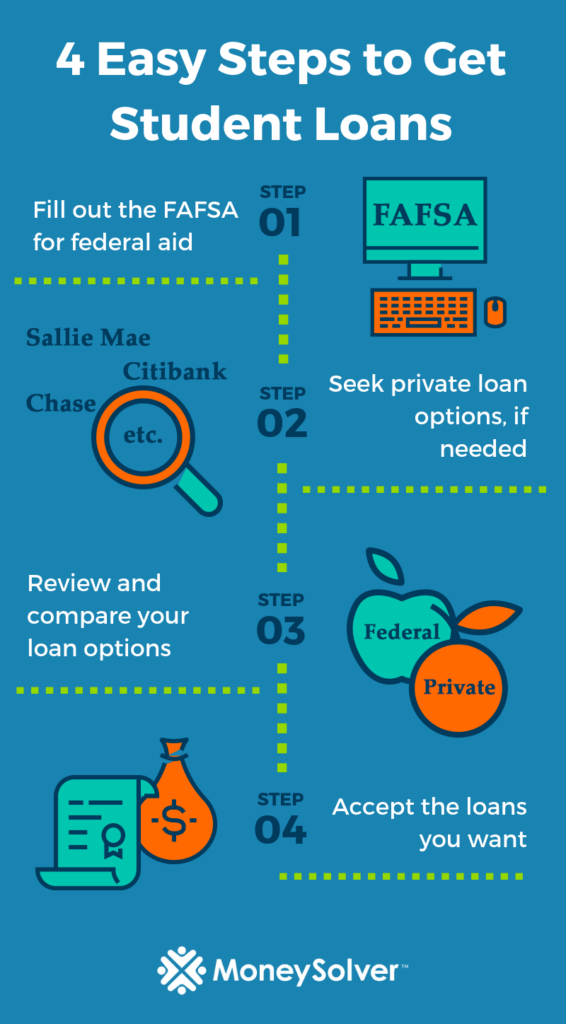
Federal student loans are issued by the U.S. Department of Education and are generally considered the most advantageous option for students. They come with a host of benefits that private loans often lack, including fixed interest rates, income-driven repayment plans, potential for loan forgiveness, and deferment or forbearance options in times of financial hardship. Eligibility for most federal student aid is determined by your Free Application for Federal Student Aid (FAFSA) results.
Private Student Loans: When Federal Isn’t Enough
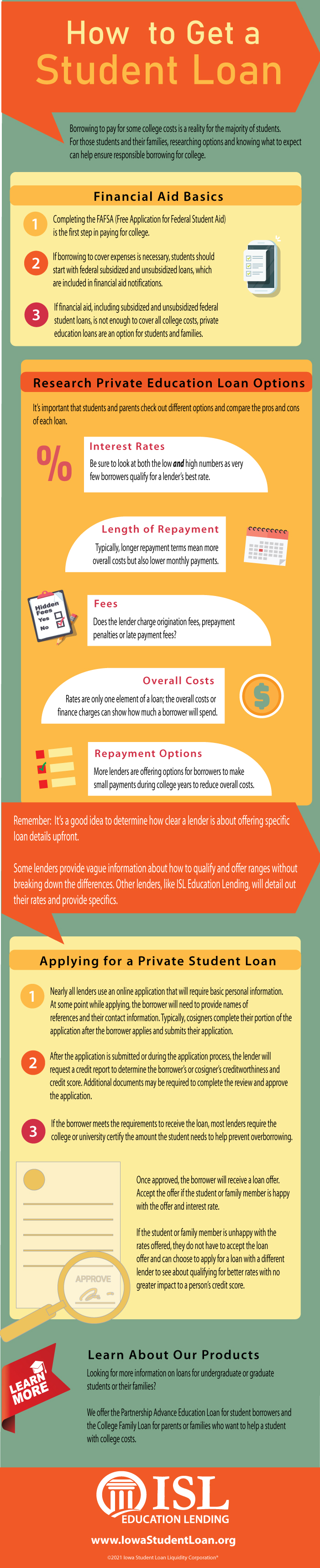
Private student loans are offered by banks, credit unions, state agencies, and other financial institutions. These loans are designed to cover the remaining costs of education once federal aid and other financial resources have been exhausted. Unlike federal loans, private student loans typically require a credit check and may necessitate a cosigner, especially for students with limited credit history. Their terms and conditions can vary significantly between lenders, making careful comparison a necessity.
Navigating the Federal Student Loan Landscape
The federal student loan program offers several distinct loan types, each designed for specific student needs and financial situations. Understanding these variations is key to maximizing your federal aid.
Direct Subsidized Loans
These loans are available to undergraduate students who demonstrate financial need. The U.S. Department of Education pays the interest on these loans while you are enrolled in school at least half-time, during your grace period (typically six months after you leave school), and during periods of deferment. This subsidy makes them the most cost-effective federal loan option.
Direct Unsubsidized Loans
Available to both undergraduate and graduate students, Direct Unsubsidized Loans do not require a demonstration of financial need. Interest accrues on these loans from the moment they are disbursed, even while you are in school. While you are not required to make interest payments during your studies, any unpaid interest will be capitalized (added to your principal balance) when repayment begins, increasing your total debt.
Direct PLUS Loans (Grad PLUS and Parent PLUS)
PLUS Loans are designed for graduate or professional students (Grad PLUS) and parents of dependent undergraduate students (Parent PLUS) to help cover education expenses not covered by other financial aid. Eligibility for PLUS Loans is not based on financial need, but a credit check is required. Borrowers with adverse credit histories may still qualify with an endorser (a type of cosigner) or by documenting extenuating circumstances. The maximum loan amount is the cost of attendance minus any other financial aid received.
Federal Perkins Loans (Historic Context)
While new Perkins Loans ceased to be disbursed after September 30, 2017, some students may still have outstanding Perkins Loans from previous years. These were low-interest federal student loans for undergraduate and graduate students with exceptional financial need. If you have a Perkins Loan, it is now managed by your school or its designated loan servicer, and its terms are generally very favorable.
How to Apply for Federal Loans: The FAFSA Process
The gateway to federal student aid, including all federal student loans, is the Free Application for Federal Student Aid (FAFSA). You must complete the FAFSA each year you wish to receive federal aid. This application collects financial information about you and your family to determine your Expected Family Contribution (EFC), which schools use to calculate your eligibility for various aid programs. Completing the FAFSA accurately and on time is paramount. After submission, you will receive a Student Aid Report (SAR) detailing your eligibility, and your chosen schools will receive this information to assemble your financial aid package.
Exploring Private Student Loan Providers
If federal student loans, grants, and scholarships do not fully cover your educational expenses, private student loans can provide supplementary funding. It’s crucial to approach private loans with caution and a thorough understanding of their terms.
Banks and Credit Unions
Many traditional financial institutions, such as national and regional banks (e.g., Sallie Mae, Wells Fargo, Chase, Discover) and local credit unions, offer private student loans. These lenders often have established reputations and may provide competitive interest rates to borrowers with strong credit or existing banking relationships. Credit unions, in particular, are known for their customer-centric approach and potentially more flexible terms.
Online Lenders
A growing number of online-only lenders specialize in private student loans. These platforms (e.g., College Ave, Ascent, SoFi) often boast streamlined application processes, quick approval times, and a variety of loan products. While convenience is a major draw, it’s essential to compare their offerings against traditional lenders, particularly regarding interest rates, fees, and customer service.
Key Considerations for Private Loans
- Interest Rates: Private loans typically have variable interest rates, meaning they can fluctuate over the life of the loan based on market indices. Some lenders offer fixed rates, which provide predictability but may start higher. Always compare Annual Percentage Rates (APRs), which include fees alongside the interest rate.
- Cosigners: Most undergraduate students require a creditworthy cosigner to qualify for a private loan and secure favorable interest rates. A cosigner shares equal responsibility for the debt, so their credit history is heavily factored into the loan decision.
- Repayment Terms: Private loan repayment options are generally less flexible than federal loans. Understand the grace period, deferment/forbearance policies, and potential for income-based repayment plans (which are rare for private loans). Some lenders offer interest-only payments while in school, which can mitigate interest capitalization.
- Fees: Be aware of any origination fees, application fees, or late payment fees that can increase the overall cost of the loan.
Strategic Borrowing and Responsible Repayment
Securing student loans is only half the battle; managing them wisely is equally important. Strategic borrowing and a proactive approach to repayment can save you thousands of dollars and reduce financial stress.
Borrow Only What You Need
It’s tempting to borrow the maximum amount offered, but resist this urge. Only borrow what is absolutely necessary to cover tuition, fees, books, and essential living expenses. Every dollar borrowed accrues interest and must be repaid, so minimizing your principal amount will significantly reduce your overall debt burden. Create a detailed budget for your academic year to accurately assess your needs.
Understanding Interest Rates and Fees
Interest rates are the cost of borrowing money. For federal loans, rates are typically fixed and set annually by Congress. For private loans, rates can be fixed or variable and depend heavily on your (or your cosigner’s) creditworthiness. Always prioritize loans with lower interest rates. Beyond interest, be mindful of any loan origination fees, which are deducted from your loan disbursement. These fees increase the effective cost of the loan.
The Importance of a Repayment Strategy
Before you even take out a loan, have a general idea of how you plan to repay it. Federal loans offer several repayment plans, including Standard, Graduated, Extended, and various Income-Driven Repayment (IDR) plans. IDR plans can be particularly beneficial if you anticipate a lower income after graduation, as they adjust your monthly payments based on your income and family size. Private loans have fewer standardized repayment options, so you’ll need to understand each lender’s specific terms. Consider whether you might be able to make interest-only payments while in school to prevent capitalization.
Loan Servicers and Communication
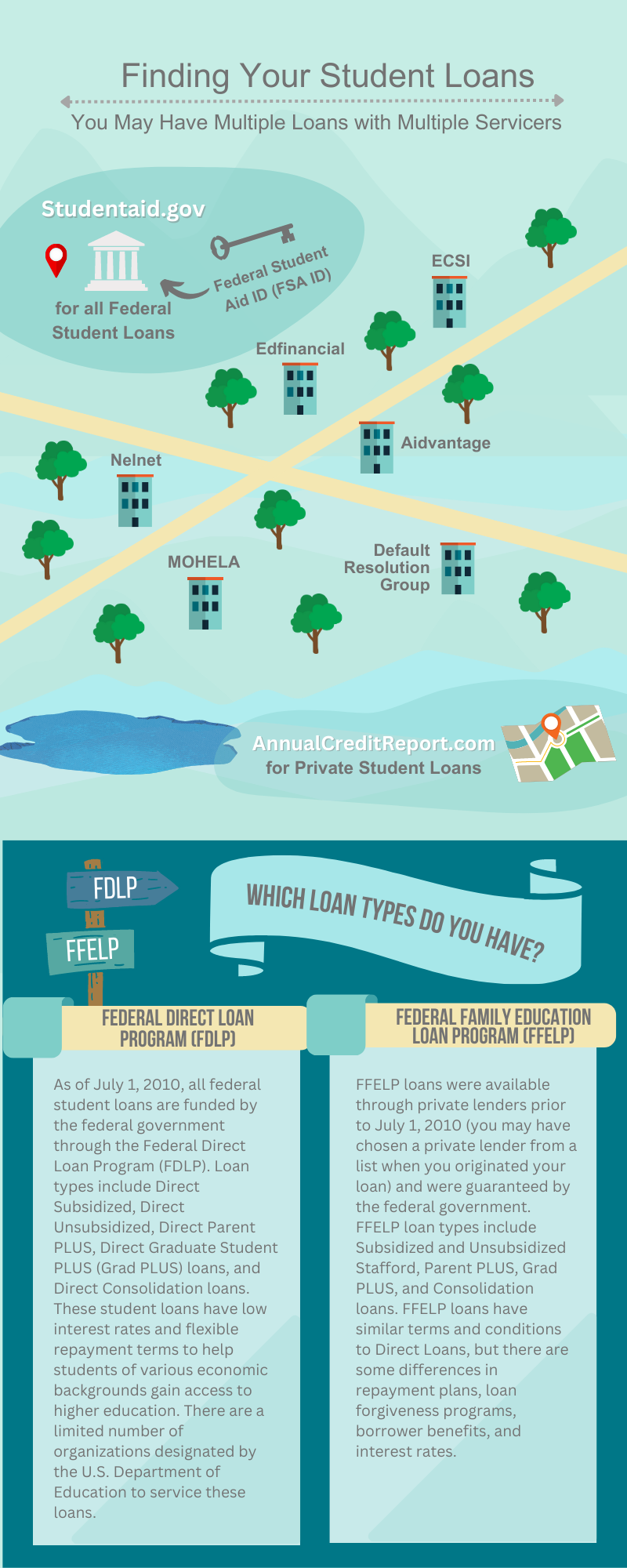
Once your loan is disbursed, it will be assigned to a loan servicer. This is the company that handles all billing, customer service, and repayment logistics for your loan. For federal loans, common servicers include Nelnet, Great Lakes, MOHELA, and Aidvantage. For private loans, your servicer will be the bank or financial institution that issued the loan, or a partner they work with. It is crucial to know who your servicer is and to maintain open communication with them, especially if you encounter financial difficulties that might impact your ability to make payments. They can guide you through options like deferment, forbearance, or changing repayment plans.
Beyond Loans: Exploring Other Financial Aid
While student loans are a critical resource, they should ideally be considered after exhausting other forms of financial aid that do not require repayment. Integrating scholarships, grants, and work-study into your funding plan can significantly reduce your reliance on borrowed money.
Scholarships and Grants
Scholarships and grants are forms of “gift aid” that do not need to be repaid. Scholarships are often merit-based, awarded for academic achievement, athletic talent, community service, specific fields of study, or unique personal characteristics. Grants are typically need-based, similar to subsidized federal loans, and are awarded based on financial need. Many organizations, foundations, universities, and private companies offer scholarships. Thoroughly research and apply for as many scholarships and grants as possible, as even small awards can add up.
Work-Study Programs
Federal Work-Study is a program that provides part-time jobs to students with financial need, allowing them to earn money to help pay for educational expenses. These jobs are often on campus or with non-profit organizations, offering flexible hours that accommodate academic schedules. Not only do work-study programs provide income, but they can also offer valuable work experience and networking opportunities.
Employer Assistance Programs
Some employers offer tuition assistance or reimbursement programs for employees pursuing higher education, particularly if the studies relate to their job. Investigate whether your current employer, or even your parents’ employers, offer such benefits. This can be a significant, often overlooked, source of funding that directly reduces the amount you need to borrow.
By carefully evaluating all available funding avenues, prioritizing non-repayable aid, and strategically utilizing federal and, if necessary, private student loans, you can finance your education responsibly and set a solid foundation for your financial future.
aViewFromTheCave is a participant in the Amazon Services LLC Associates Program, an affiliate advertising program designed to provide a means for sites to earn advertising fees by advertising and linking to Amazon.com. Amazon, the Amazon logo, AmazonSupply, and the AmazonSupply logo are trademarks of Amazon.com, Inc. or its affiliates. As an Amazon Associate we earn affiliate commissions from qualifying purchases.