
Securing a home loan pre-approval is arguably the most crucial first step for anyone serious about buying a home. It transforms a dream into a tangible plan, signaling to real estate agents and sellers that you are a credible and capable buyer. Without it, you’re merely window shopping in one of life’s most significant financial commitments. This guide will demystify the pre-approval process, outlining exactly where to go, what to expect, and how to maximize your chances of success, ensuring you embark on your homeownership journey with confidence and a clear financial roadmap.
Understanding Home Loan Pre-Approval: More Than Just a Green Light
Before diving into where to get pre-approved, it’s essential to grasp what pre-approval truly entails and why it holds such weight in the competitive real estate market. It’s often confused with pre-qualification, but the two are distinctly different, with pre-approval offering a far more robust advantage.
What Exactly is Pre-Approval?
Pre-approval is an official commitment from a lender, indicating their willingness to lend you a specific amount of money to purchase a home. This commitment is based on a thorough review of your financial information, including your credit history, income, assets, and debts. The lender essentially verifies your financial standing to determine how much house you can realistically afford. While not a final loan offer (that comes later, after you’ve identified a property), a pre-approval letter specifies the maximum loan amount, the potential interest rate, and the loan program you qualify for. It’s a conditional approval, contingent on factors like the appraisal of the chosen property and no significant changes to your financial situation.
The Critical Difference: Pre-Qualification vs. Pre-Approval
Many aspiring homeowners mistakenly believe that pre-qualification is sufficient. However, understanding the distinction is paramount.
- Pre-Qualification: This is a preliminary assessment based on self-reported financial information. You provide a lender with an overview of your income, assets, and debts, and they give you an estimated loan amount. There’s typically no hard credit check, and no documentation is verified. It’s a quick, informal estimate that offers little assurance to sellers or real estate agents.
- Pre-Approval: This involves a much deeper dive. The lender performs a hard credit inquiry, requests and verifies documentation for income (pay stubs, W-2s, tax returns), assets (bank statements), and debts. They rigorously underwrite your financial profile to provide a more accurate and reliable loan amount. This formal process makes the pre-approval letter a powerful tool in your home-buying arsenal.
Why Pre-Approval is Non-Negotiable for Homebuyers
Armed with a pre-approval letter, you gain several significant advantages:
- Credibility with Sellers: In a hot market, sellers often receive multiple offers. A pre-approval letter demonstrates that you are a serious and qualified buyer, making your offer more appealing than one from someone who hasn’t secured financing. It minimizes the risk for the seller that the deal will fall through due to financing issues.
- Realistic Budgeting: Pre-approval clearly defines your maximum borrowing capacity. This prevents you from falling in love with homes outside your financial reach, saving time, frustration, and emotional investment.
- Faster Closings: Because much of your financial documentation has already been reviewed, the loan processing time can be significantly reduced once you find a home, leading to a smoother and quicker closing process.
- Empowerment in Negotiations: Knowing your financial limits allows you to negotiate with confidence. You understand your buying power and can make informed decisions without the stress of uncertain financing.
- Access to Agents: Many real estate agents prefer to work with pre-approved buyers, as it shows commitment and readiness, making their time more effectively spent.
Key Players: Where to Secure Your Home Loan Pre-Approval
The good news is that you have several reputable options when it comes to securing a home loan pre-approval. Each type of lender offers distinct advantages, and the best choice for you will depend on your specific needs, preferences, and financial situation.
Traditional Banks and Credit Unions
These are often the first places people consider, and for good reason.
- Traditional Banks (e.g., Chase, Wells Fargo, Bank of America): Large, established institutions offer a wide range of loan products, competitive rates, and the convenience of in-person branches. If you already bank with them, they might offer you special incentives or streamline the process slightly due to existing financial relationships. However, they can sometimes be less flexible or slower in processing compared to specialized lenders.
- Credit Unions: Member-owned financial cooperatives often provide excellent customer service, competitive rates, and more flexible underwriting for their members. They are known for prioritizing member well-being over profit, which can translate into better terms. You typically need to be a member to apply, but eligibility requirements are often broad.
Mortgage Brokers: Your Independent Guides
A mortgage broker acts as an intermediary between you and multiple lenders. They don’t lend money directly but instead shop around on your behalf to find the best loan products and rates that fit your profile.
- Advantages: Brokers have access to a vast network of lenders, including those not available directly to the public. They can often secure better rates or more flexible terms. Their expertise can be invaluable in navigating complex financial situations or unique loan requirements. They handle much of the paperwork and correspondence with lenders, saving you time and effort.
- Considerations: Brokers are typically compensated by the lender (or sometimes by you through fees), so ensure transparency regarding their fees and affiliations.
Online Lenders: Convenience at Your Fingertips
The digital age has brought forth a new breed of lenders that operate primarily online.
- Advantages (e.g., Rocket Mortgage, Better.com): Online lenders are celebrated for their speed, efficiency, and often streamlined application processes. Many offer intuitive platforms for uploading documents and tracking your application status. They frequently have competitive interest rates due to lower overhead costs.
- Considerations: While convenient, the lack of face-to-face interaction might not suit everyone. You’ll need to be comfortable with a digital-first approach and proactive in communicating virtually.
Direct Lenders and Mortgage Bankers
These lenders work directly with consumers to originate loans but may or may not use their own funds.
- Mortgage Banks: These institutions primarily focus on originating and funding mortgages, often operating across multiple states. They are direct lenders, meaning they underwrite and process loans in-house. This can lead to a more controlled and potentially faster process.
- Correspondent Lenders: They originate and fund loans in their own name, but then sell those loans to larger banks or investors after closing. For the borrower, the experience is similar to working with a mortgage bank, offering a direct and often personalized service.
The Pre-Approval Process: Navigating the Application
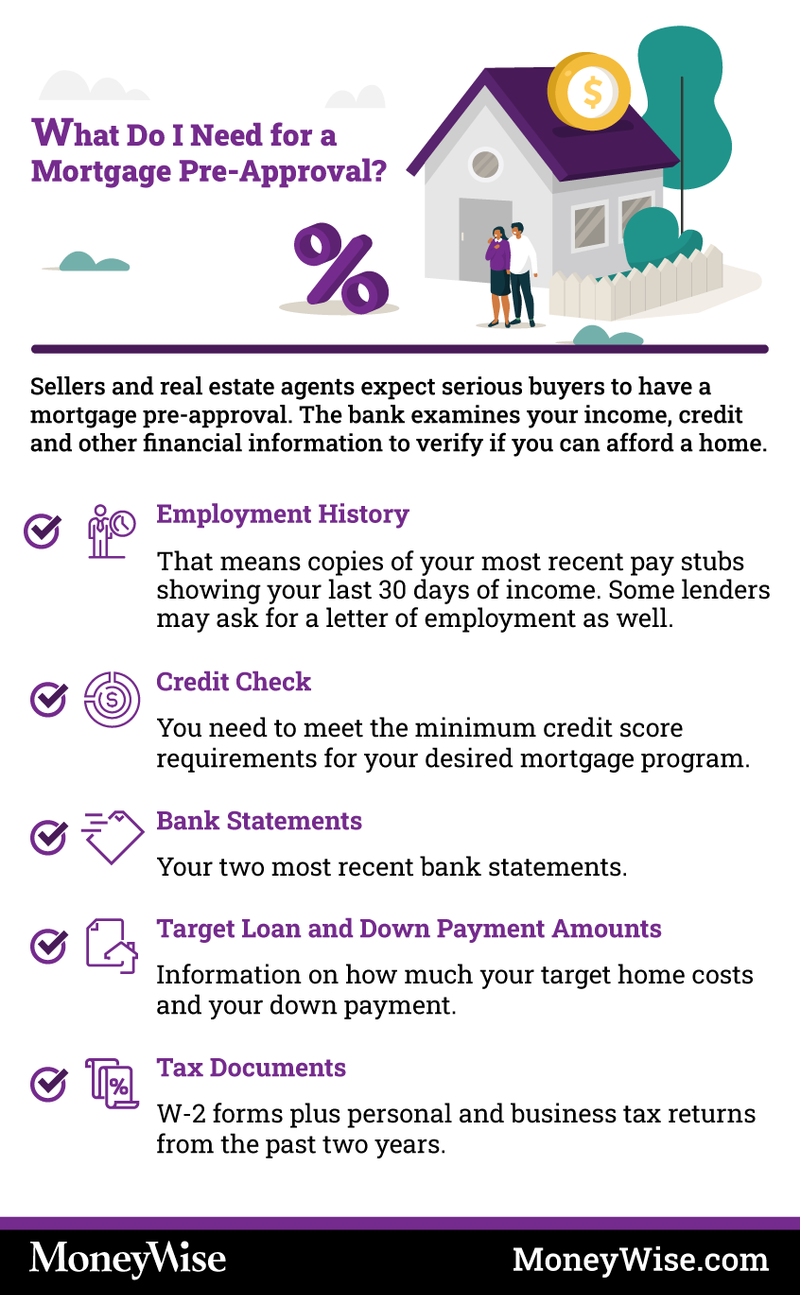
Regardless of where you choose to apply, the core pre-approval process follows a similar trajectory, demanding a comprehensive look at your financial life. Being prepared with the necessary documentation and understanding each step will make the experience smoother and more efficient.
Essential Documents: What You’ll Need
Lenders require a robust paper trail to verify your financial standing. Gather these documents before you apply to expedite the process:
- Proof of Income: Pay stubs (last 30-60 days), W-2 forms (last two years), tax returns (last two years), and if self-employed, profit and loss statements and 1099s.
- Proof of Assets: Bank statements (checking, savings, investment accounts for the last 60 days) to show funds for a down payment and closing costs, as well as reserves.
- Proof of Debts: Statements for credit cards, auto loans, student loans, and any other outstanding debts. The lender will pull your credit report, but having this information handy can help you review it for accuracy.
- Identification: Government-issued photo ID (driver’s license, passport).
- Employment History: Names and addresses of employers for the past two years.
The Credit Check: Your Financial Report Card
As part of the pre-approval process, the lender will perform a “hard inquiry” on your credit report. This allows them to assess your payment history, outstanding debts, and overall creditworthiness. A strong credit score (generally 620-640 and above, depending on the loan type) is crucial for favorable interest rates and loan terms. Be aware that a hard inquiry can temporarily lower your credit score by a few points, but the impact is usually minimal and short-lived.

Income and Asset Verification
Lenders scrutinize your income stability and asset liquidity. They want to ensure you have a consistent income stream capable of covering monthly mortgage payments and that you have sufficient funds for the down payment and closing costs without depleting all your savings. Discrepancies or unexplained large deposits in your bank statements might raise flags and require further explanation.
Understanding the Loan Estimate
While a full Loan Estimate is typically provided after you apply for a specific property, during pre-approval, the lender should give you a general idea of the potential interest rate, points, and other associated fees based on your profile. This preliminary information helps you understand the overall cost of borrowing and compare different lenders.
Maximizing Your Chances: Tips for a Smooth Pre-Approval
To ensure your pre-approval process is as seamless and successful as possible, a bit of proactive preparation can go a long way. These tips will help you present the strongest possible financial profile to potential lenders.
Improve Your Credit Score
Your credit score is a major determinant of loan eligibility and interest rates.
- Pay Bills on Time: Payment history is the most significant factor.
- Reduce Debt: Lowering credit card balances and other revolving debts can improve your score.
- Check for Errors: Review your credit report for any inaccuracies and dispute them promptly.
Reduce Your Debt-to-Income (DTI) Ratio
Lenders look at your DTI ratio – the percentage of your gross monthly income that goes towards debt payments. A lower DTI (ideally below 43%, though it varies by loan type) signals less risk. Pay down existing debts, if possible, before applying for pre-approval.
Save for a Down Payment and Closing Costs
A substantial down payment not only reduces your loan amount but also indicates financial responsibility to lenders. Additionally, budget for closing costs, which typically range from 2-5% of the loan amount. Having these funds readily available in your accounts is critical.
Avoid New Credit Applications
In the months leading up to and during your pre-approval and home-buying process, refrain from opening new credit cards, taking out new loans, or making large purchases on credit. New debt can alter your DTI and lower your credit score, potentially jeopardizing your pre-approval.
Shop Around for the Best Lender
Don’t settle for the first lender you speak with. Contact at least three to five different lenders (banks, credit unions, mortgage brokers, online lenders) to compare interest rates, fees, loan programs, and customer service. You can do this within a 14-45 day window without multiple hard inquiries negatively impacting your credit score significantly, as credit bureaus recognize you’re rate shopping for one specific loan type.
What Happens After Pre-Approval?
Receiving your pre-approval letter is a moment of triumph, but it’s not the end of your financial vigilance. It marks the transition from preparation to active house hunting, and there are still important considerations.
The Pre-Approval Letter: Your Buying Power
Your pre-approval letter is your official document outlining the maximum loan amount you qualify for. It typically has an expiration date (often 60-90 days), after which you’ll need to update your financial information and potentially get re-approved. Keep this letter handy for your real estate agent and when making offers.
Keeping Your Finances Stable
Once pre-approved, it’s crucial to maintain the financial status that qualified you. This means:
- No Major Purchases: Avoid buying a new car, furniture on credit, or anything that would increase your debt.
- No New Credit: Do not open new credit cards or close existing ones, as this can impact your credit score.
- Stable Employment: Don’t change jobs without consulting your lender, especially if it involves a pay cut or a different industry.
- Don’t Touch Reserves: Keep your down payment and closing cost funds untouched in your verified accounts.
Any significant change to your income, assets, or debts could invalidate your pre-approval and jeopardize your final loan approval.
The Transition to Loan Application
Once you find a home, your pre-approval will transition into a full loan application for that specific property. The lender will then order an appraisal to ensure the home’s value supports the loan amount, and they will conduct a final review of all your financial documentation. Provided your financial situation hasn’t changed, and the property meets the lender’s criteria, your pre-approval will pave the way for a smooth closing.
In conclusion, the journey to homeownership is multifaceted, but understanding where and how to get pre-approved for a home loan is an indispensable first step. By choosing the right lender, diligently preparing your finances, and maintaining financial discipline, you empower yourself to navigate the housing market with confidence, credibility, and a clear path toward owning your dream home.
aViewFromTheCave is a participant in the Amazon Services LLC Associates Program, an affiliate advertising program designed to provide a means for sites to earn advertising fees by advertising and linking to Amazon.com. Amazon, the Amazon logo, AmazonSupply, and the AmazonSupply logo are trademarks of Amazon.com, Inc. or its affiliates. As an Amazon Associate we earn affiliate commissions from qualifying purchases.