
In a world increasingly reliant on digital transactions, prepaid Visa cards offer a compelling blend of convenience, control, and accessibility. For many, they serve as a crucial financial tool, enabling secure payments without the need for a traditional bank account or a credit check. Whether you’re looking to manage a strict budget, facilitate online shopping, provide funds for a teenager, or manage expenses while traveling, understanding where and how to obtain a prepaid Visa card is the first step toward harnessing its benefits. This comprehensive guide will navigate you through the landscape of prepaid cards, ensuring you make an informed choice tailored to your specific financial needs.
Understanding Prepaid Visa Cards: The Basics
Before embarking on the quest for a prepaid Visa card, it’s essential to grasp what they are, how they function, and the distinct advantages they offer over other payment methods. This foundational knowledge will empower you to select the most suitable card and utilize it effectively.
What is a Prepaid Visa Card?
A prepaid Visa card is essentially a debit card that is pre-loaded with funds. Unlike a credit card, which allows you to borrow money up to a certain limit, a prepaid card only lets you spend the money that you have loaded onto it. It functions similarly to a gift card but is reloadable and typically carries the Visa logo, making it accepted at millions of merchant locations worldwide, both online and in brick-and-mortar stores, wherever Visa is accepted. The funds on the card are not linked to a bank account, offering a degree of separation and control that appeals to various users.
Key Benefits and Ideal Users
The appeal of prepaid Visa cards stems from a range of advantages that cater to diverse financial situations. One of the most significant benefits is budgeting and expenditure control. By only spending what’s loaded, users can avoid overspending and stick to a predetermined budget, making it an excellent tool for managing discretionary funds or specific project expenses.
For the unbanked or underbanked population, prepaid cards provide a vital gateway to the digital economy. Without the need for a traditional bank account, individuals can receive direct deposits, pay bills online, and make purchases securely. They also serve as an effective solution for travelers who prefer not to carry large amounts of cash and want to mitigate the risk of credit card fraud while abroad.
Parents often use prepaid cards to give allowances to teenagers, teaching them financial responsibility while maintaining oversight. Furthermore, they are a practical choice for online shopping, offering an extra layer of security by not exposing primary bank account details to multiple websites. Lastly, they offer a clear alternative to traditional debt, as there’s no credit line to draw from, making them debt-free spending solutions.
Important Considerations Before Getting One
While highly beneficial, prepaid Visa cards come with their own set of characteristics that potential users must understand. The most critical aspect is fees. Cards can levy various charges, including activation fees, monthly maintenance fees, reload fees, ATM withdrawal fees, foreign transaction fees, and even inactivity fees. Scrutinizing the fee structure is paramount to avoid unexpected costs.
Another consideration is reload options. Different cards offer various methods to add funds, such as direct deposit, cash reload at retail locations, or transfers from other bank accounts. Understanding the available options and their associated costs (if any) is crucial for consistent use. Spending and loading limits are also common, with daily, weekly, or monthly maximums that could impact how you use the card. Finally, while generally secure, it’s important to understand the level of fraud protection offered, which often mirrors traditional Visa cards but can vary by issuer.
Navigating the Options: Where to Purchase Your Card
Once you understand the fundamentals, the next step is identifying the various avenues through which you can acquire a prepaid Visa card. The availability and features can vary significantly depending on where you choose to purchase yours.
Retail Stores and Supermarkets
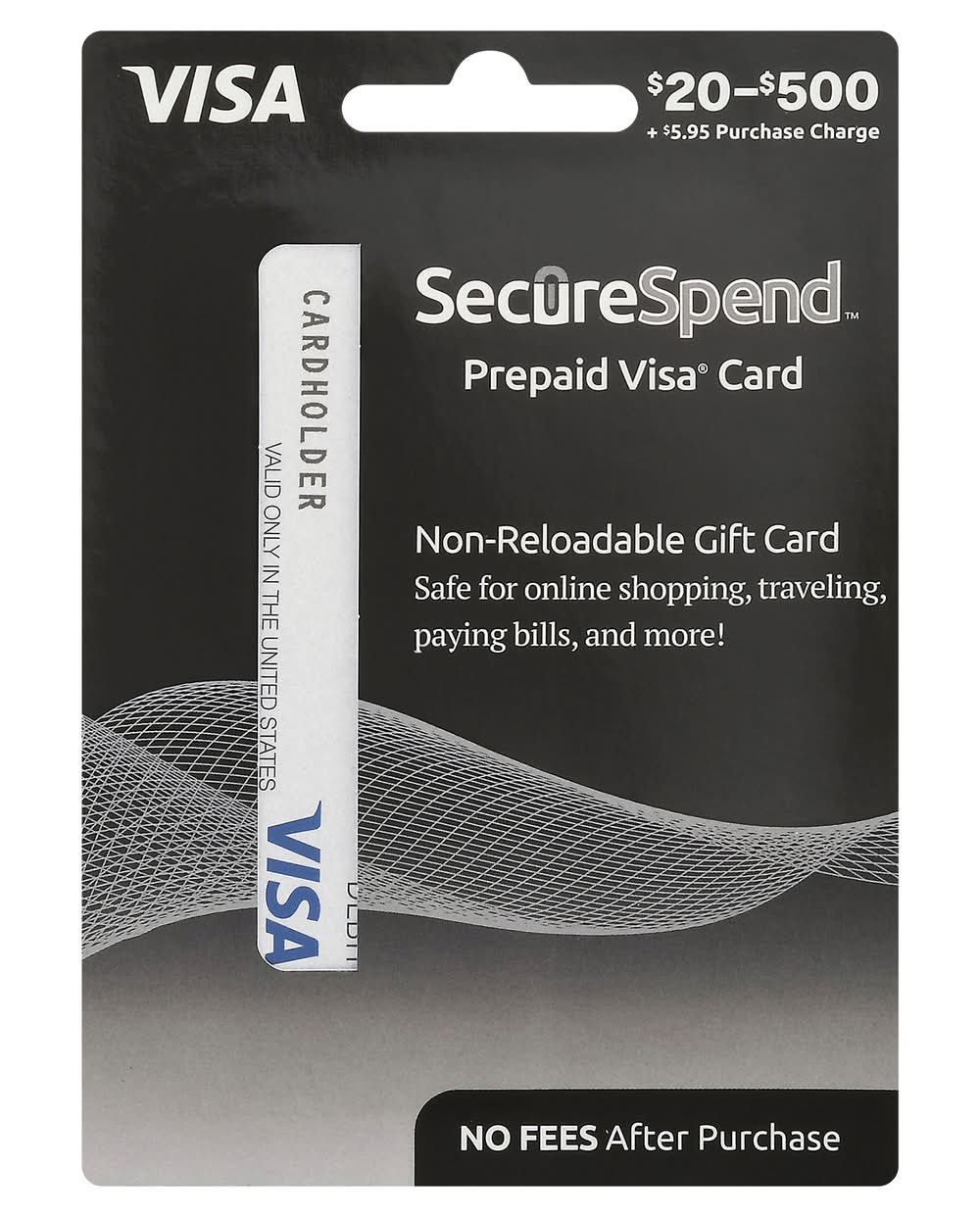
Perhaps the most accessible and immediate option for obtaining a prepaid Visa card is through major retail chains and supermarkets. Stores like Walmart, Target, CVS, Walgreens, 7-Eleven, and most grocery stores typically carry a selection of various prepaid cards. You can usually find them on display racks near the gift card section or at the customer service desk.
The process is generally straightforward: select the card, take it to the checkout counter, and load it with an initial amount of cash. The immediate benefit here is instant gratification – you can often activate and use the card within minutes or hours. However, the selection might be limited to popular brands, and these cards sometimes come with higher activation or reload fees compared to cards obtained directly from financial institutions.
Online Providers and Financial Institutions
For a broader selection and potentially more feature-rich options, turning to online providers and financial institutions is often recommended. Many companies specialize in prepaid cards, offering various benefits such as lower fees, free direct deposit, and enhanced online management tools.
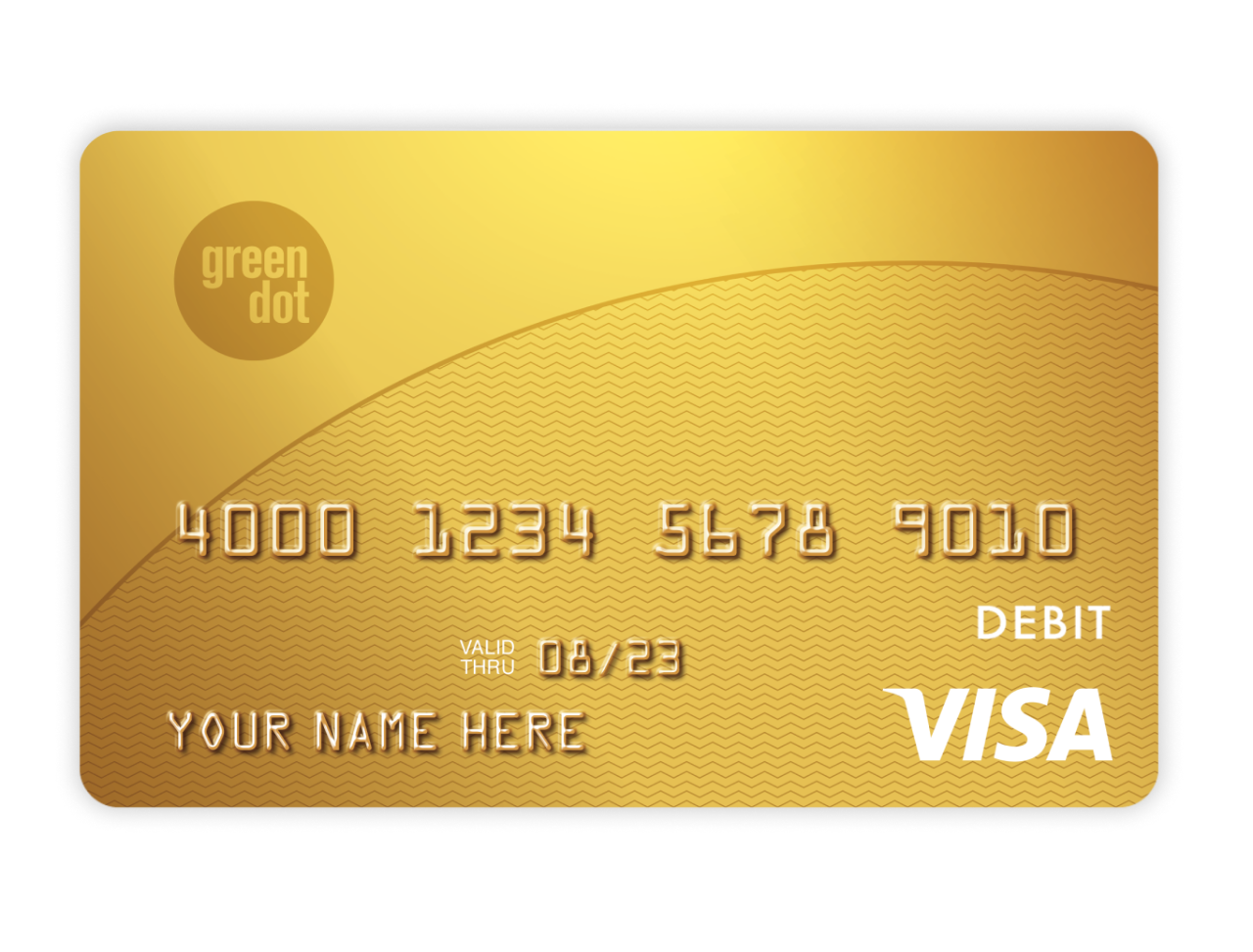
Prominent online providers include Netspend, Green Dot, Brinks Money, and Bluebird by American Express. These services often allow you to apply for a card online, which is then mailed to you. While this involves a waiting period, it usually opens up access to more competitive fee structures and advanced features like bill pay, budgeting tools, and even interest-bearing savings accounts linked to the card.
Traditional banks and credit unions also occasionally offer prepaid Visa cards, though they are less common than their debit or credit card counterparts. If your existing financial institution offers one, it might be a convenient option, potentially integrating with your other banking services. Exploring Visa’s official website can also provide a directory of approved prepaid card issuers, directing you to reputable providers.
Travel and Specialty Cards
For those whose primary need is managing funds during international travel, dedicated travel prepaid Visa cards are an excellent choice. These cards are often designed to minimize foreign transaction fees, offer favorable exchange rates, and provide easy access to local currency through ATMs. They allow travelers to load funds in their home currency and spend in local currency abroad, locking in an exchange rate at the time of loading.
Beyond travel, specialty prepaid cards also exist for specific purposes, such as payroll cards (issued by employers to distribute wages) or student allowance cards with specific parental control features. Researching these niche options can provide tailored benefits that general-purpose cards might lack.
The Activation and Loading Process: Getting Started
Acquiring a prepaid Visa card is only the first step. To begin using it, you’ll need to activate it and then load funds onto it. This process is generally user-friendly but requires attention to detail.
Activating Your Card

Once you have your prepaid Visa card in hand, activation is mandatory before use. Most cards can be activated in one of two ways:
- Online: Visit the card issuer’s website, usually printed on the card packaging or on the back of the card itself. You’ll typically enter your card number, security code (CVV), and sometimes personal information like your name, address, and date of birth. This is a crucial step for security and often involves identity verification (Know Your Customer – KYC) requirements to comply with financial regulations.
- By Phone: A toll-free activation number is usually provided. You’ll follow voice prompts to enter your card details and personal information.
Activating your card links it to you and ensures that the funds you load are properly secured and accessible only by you. It’s also usually when you set your PIN for ATM withdrawals and in-store purchases.
Funding Your Prepaid Card
Loading money onto your prepaid Visa card is straightforward, with several convenient options available:
- Cash Reload: This is a common method for many general-purpose prepaid cards. You can take your card and cash to participating retail locations (e.g., Walmart, CVS, 7-Eleven) and ask the cashier to load funds. Services like MoneyGram or Western Union are also often partners. Be aware that these cash reload services typically charge a small fee per transaction.
- Direct Deposit: Many online prepaid card providers offer the ability to set up direct deposit. You can provide your employer or government benefits provider with the routing and account numbers associated with your card (which function like a bank account for direct deposit purposes) to have funds directly loaded onto your card. This is often a free and highly convenient option.
- Bank Transfer: If you have an existing bank account, you might be able to transfer funds directly from your bank to your prepaid card online or via your bank’s mobile app. This method usually incurs no fees, but check with both your bank and the prepaid card issuer.
- Online Transfers: Some peer-to-peer payment apps or online money transfer services might allow you to link your prepaid card for loading, though this is less common and may involve fees.
Always keep your reload receipts and check your card balance after loading funds to ensure the transaction was successful.
Managing Your Funds and Transactions
Effective management of your prepaid card funds is key to maximizing its utility. Most prepaid card issuers offer robust online portals and mobile apps that allow you to:
- Check your balance in real-time.
- View transaction history to track your spending.
- Set up alerts for low balances or transaction notifications.
- Pay bills online directly from your card’s balance.
- Transfer funds between linked cards or to other users (if offered).
Regularly monitoring your account helps you stay within your budget, identify any unauthorized transactions promptly, and ensure you always have sufficient funds for your intended purchases.
Maximizing Value and Avoiding Pitfalls
To truly benefit from a prepaid Visa card, it’s crucial to approach its usage strategically. Understanding how to minimize costs and maximize security will enhance your overall experience.
Understanding the Fee Structure
Fees are the primary consideration for prepaid cards, as they can significantly erode the value of your loaded funds if not managed carefully. Beyond activation and monthly fees, look out for:
- ATM withdrawal fees: Both the card issuer and the ATM owner might charge a fee. Look for networks of fee-free ATMs if available.
- Reload fees: As mentioned, cash reloads often incur a charge.
- Foreign transaction fees: If using the card abroad, this fee can add 1-3% to every purchase.
- Inactivity fees: Some cards charge a fee if not used for a certain period.
- Declined transaction fees: If you attempt a purchase with insufficient funds.
To minimize fees, opt for cards with transparent fee schedules, consider cards that waive monthly fees with direct deposit or a minimum balance, and utilize free reload options like direct deposit whenever possible. Always read the cardholder agreement thoroughly before committing.
Security Features and Fraud Protection
Prepaid Visa cards generally come with robust security features. Like traditional Visa cards, they often include:
- EMV chip technology: Provides enhanced security for in-store purchases.
- PIN protection: For secure ATM withdrawals and POS transactions.
- Visa’s Zero Liability Policy: Protects cardholders from unauthorized purchases if their card is lost, stolen, or used fraudulently, provided they report it promptly. This typically applies to signature and PIN-based transactions processed through the Visa network.
- Online security: Many cards offer features like virtual card numbers for online shopping or the ability to temporarily lock your card if misplaced.
Always register your card with your personal information, as this is often a prerequisite for fraud protection. Report lost or stolen cards immediately to your card issuer to prevent unauthorized use and protect your funds.
Choosing the Right Card for Your Needs
The “best” prepaid Visa card is subjective and depends entirely on your specific use case.
- For budgeting: Look for cards with low or no monthly fees, easy balance tracking, and perhaps budgeting tools.
- For travel: Prioritize cards with low or no foreign transaction fees and good exchange rates.
- For online shopping: Focus on security features like virtual card numbers and easy loading.
- For the unbanked: Seek cards with free direct deposit, low monthly fees, and a wide network of cash reload locations.
Compare cards from different providers, pay close attention to their fee structures, reload options, and customer service reputation before making your final decision.
Beyond the Transaction: The Broader Financial Impact
While often viewed as simple transactional tools, prepaid Visa cards can have a more significant impact on an individual’s financial journey, offering avenues for improved financial control and accessibility.
Budgeting and Financial Control
For many, the most compelling aspect of a prepaid Visa card is its inherent ability to enforce budgeting discipline. By separating funds for specific purposes (e.g., groceries, entertainment, bills) onto different cards or simply limiting the funds on one card, users gain immediate visibility and control over their spending. This “spend what you have” mentality can be a powerful antidote to overspending and a practical step towards achieving financial goals. It removes the temptation of credit and provides clear boundaries for discretionary income.
A Stepping Stone to Mainstream Banking
For individuals without a traditional bank account, a prepaid Visa card can be an invaluable first step into the formal financial system. It provides experience with electronic payments, direct deposit, and online account management – skills that are essential in today’s economy. As users become more comfortable and their financial needs evolve, this experience can serve as a foundation for transitioning to a full-service bank account, potentially even helping them establish a banking relationship without a prior history.
Dispelling Myths
It’s important to clarify what a prepaid Visa card is not. It is not a credit builder. Since you are spending your own money, there is no credit extended, and thus, no credit history is reported to credit bureaus. While it fosters responsible spending habits, it won’t directly improve your credit score. Furthermore, while they offer privacy in some respects, prepaid cards are subject to Know Your Customer (KYC) regulations, meaning issuers typically require identity verification during activation. They are not anonymous tools to hide funds and are subject to financial regulations designed to prevent money laundering and fraud.
In conclusion, a prepaid Visa card can be a powerful and flexible financial tool when chosen and used wisely. By understanding its nuances, exploring the various acquisition channels, and diligently managing its features, you can unlock a convenient and controlled way to manage your money in an increasingly cashless world.
aViewFromTheCave is a participant in the Amazon Services LLC Associates Program, an affiliate advertising program designed to provide a means for sites to earn advertising fees by advertising and linking to Amazon.com. Amazon, the Amazon logo, AmazonSupply, and the AmazonSupply logo are trademarks of Amazon.com, Inc. or its affiliates. As an Amazon Associate we earn affiliate commissions from qualifying purchases.