
In the landscape of modern personal finance, credit cards stand as ubiquitous tools that, when used responsibly, can unlock a world of convenience, rewards, and financial flexibility. However, for many, the initial question remains: “Where do I even begin to get a credit card?” This seemingly simple query opens the door to understanding a complex ecosystem of financial products, eligibility criteria, and strategic choices. Far from being a mere transaction, obtaining a credit card is a deliberate step that can significantly impact your financial health, offering both immense benefits and potential pitfalls.
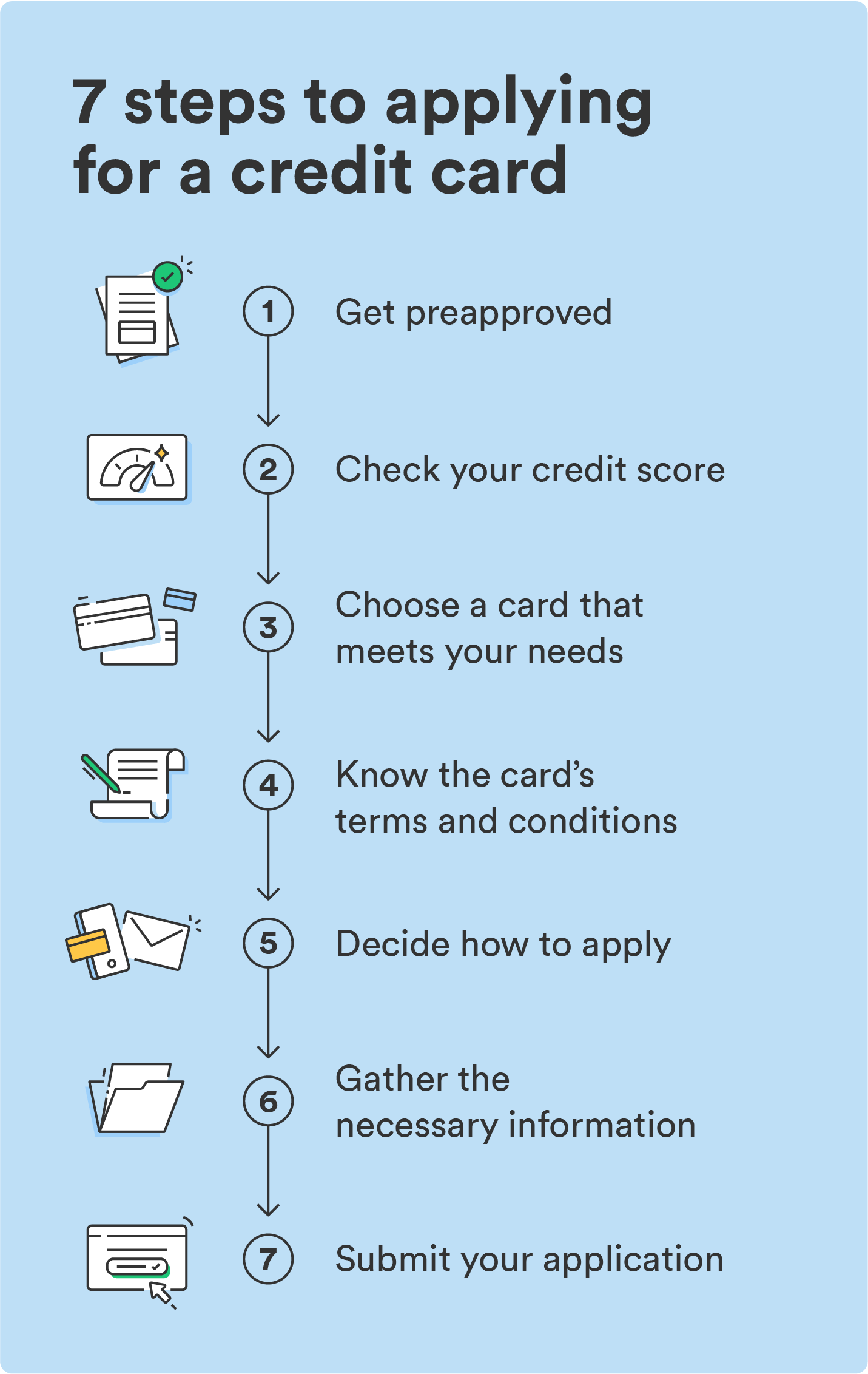
This guide aims to demystify the process, providing a professional, insightful, and engaging roadmap for anyone looking to acquire their first credit card or explore new options. We’ll delve into the various avenues available, the crucial factors lenders consider, and how to select a card that aligns perfectly with your financial goals, ensuring you make an informed decision that sets you on a path to financial empowerment.
Understanding Your Eligibility Before You Apply
Before you even start browsing for credit card offers, the foundational step is to understand what lenders look for in an applicant. Credit card issuers assess your financial reliability to determine your risk level. Meeting their criteria is paramount to a successful application.
Credit Score Basics: Your Financial Report Card
Your credit score is a three-digit number that summarizes your creditworthiness. It’s essentially a financial report card, indicating how likely you are to repay borrowed money. Scores generally range from 300 to 850, with higher scores signifying lower risk. Lenders use these scores, primarily FICO and VantageScore, to make lending decisions. A good to excellent score (typically 670 and above) significantly improves your chances of approval for premium cards with better rates and rewards. If you have no credit history (a “thin file”) or a low score, options like secured cards or student cards might be more appropriate for building or rebuilding credit. It’s wise to check your credit score and report annually (you’re entitled to a free report from each of the three major credit bureaus – Equifax, Experian, and TransUnion – once every 12 months via AnnualCreditReport.com) before applying, as this helps you gauge your standing and identify any inaccuracies. This inquiry is a “soft inquiry” and does not impact your score. When you apply for a credit card, the lender performs a “hard inquiry,” which can temporarily lower your score by a few points.
Income and Employment Requirements: Proving Your Capacity to Pay
Credit card issuers need assurance that you have the means to repay your debts. This is why they consider your income and employment status. While there isn’t a universal minimum income requirement, lenders typically want to see a stable source of income. This can include wages from a job, self-employment income, retirement benefits, or even some forms of government assistance. The CARD Act of 2009 stipulates that applicants under 21 must demonstrate independent means to make payments or have a co-signer. For those 21 and over, “ability to pay” includes any income to which they have a reasonable expectation of access, even if it’s not directly their own, such as a spouse’s income. Be prepared to provide details about your employer, annual income, and possibly proof of income during the application process.
Age and Residency: Meeting the Legal Thresholds
Legally, you must be at least 18 years old to open a credit card account in the United States. Additionally, applicants typically need to be a U.S. citizen or a permanent resident with a Social Security Number (SSN) or Individual Taxpayer Identification Number (ITIN) to apply. Some banks may also require a physical U.S. address for mailing statements and the card itself. These are non-negotiable prerequisites for obtaining a credit card.
Diverse Avenues for Obtaining a Credit Card
The journey to getting a credit card isn’t a one-size-fits-all path. Different avenues cater to various financial situations, credit profiles, and preferences. Understanding these options will help you pinpoint the best starting point for your needs.
Traditional Banks and Credit Unions: The Conventional Approach
For decades, banks and credit unions have been the primary providers of credit cards. Large national banks like Chase, Citi, Bank of America, and Wells Fargo offer a wide array of cards, from basic options to premium rewards cards. Local credit unions often provide more personalized service and may be more forgiving with applicants who have a limited credit history, especially if they are already a member. Applying can involve visiting a physical branch, where a representative can guide you through the process, or applying directly through their extensive online platforms. Many individuals prefer this route due to existing relationships with their bank, which can sometimes lead to pre-approved offers or simpler application processes.
Online Lenders and Fintech Platforms: Convenience at Your Fingertips
The digital age has ushered in a new era of credit card accessibility through online-only lenders and financial technology (fintech) platforms. Companies like Discover, Capital One, and various comparison websites (e.g., Credit Karma, NerdWallet) offer streamlined online application processes. These platforms are excellent for comparing multiple offers side-by-side, allowing you to filter by rewards, APR, fees, and credit score requirements. They often leverage sophisticated algorithms to provide instant approval decisions. This route is particularly appealing for those who value convenience, transparency in comparing options, and a purely digital experience.
Retail Store Credit Cards: Loyalty Programs with a Catch
Many major retailers offer their own branded credit cards (e.g., Amazon, Target, Kohl’s). These cards often provide immediate discounts on purchases made at the store, exclusive promotions, and loyalty rewards tailored to the brand. While they can be tempting, especially at the checkout counter, it’s crucial to understand their specific nature. Store cards often have higher interest rates than general-purpose cards and can sometimes only be used within that particular store or family of brands. They can be a good option for building credit if used responsibly and paid off quickly, but their limited utility and higher APRs require careful consideration.
Secured Credit Cards: A Stepping Stone to Creditworthiness
For individuals with no credit history or a poor credit score, secured credit cards are an invaluable tool. Unlike traditional unsecured cards, secured cards require a cash deposit, which typically acts as your credit limit. For example, if you deposit $500, your credit limit will be $500. This deposit minimizes the risk for the issuer, making them more willing to approve applicants with less-than-perfect credit. The key benefit is that your payment activity is reported to the credit bureaus, allowing you to build a positive credit history over time. With responsible use (paying on time and keeping utilization low), many secured cardholders can eventually graduate to an unsecured card, often with their deposit returned.
Student Credit Cards: Tailored for Young Adults
College students often find themselves in a unique financial position: they need to build credit but typically have limited income and no established credit history. Recognizing this, many issuers offer student credit cards specifically designed for this demographic. These cards usually come with lower credit limits, fewer perks, but often include educational resources on managing credit. They also consider factors like financial aid as income and might have more lenient approval criteria than standard unsecured cards. A co-signer may still be required in some cases.
The Application Process: Step-by-Step
Once you’ve identified suitable options and understood your eligibility, the next phase is the actual application. This process, while straightforward, demands attention to detail.
Research and Comparison: The Due Diligence Phase
Before committing to an application, thorough research is non-negotiable. Don’t just pick the first card you see. Use reputable financial websites and comparison tools to evaluate different cards based on key factors:
- Annual Percentage Rate (APR): This is the interest rate you’ll pay if you carry a balance. Look for competitive rates, especially if you anticipate not paying in full every month.
- Annual Fees: Some cards, particularly rewards or premium cards, charge an annual fee. Weigh the fee against the benefits you expect to receive.
- Rewards Programs: Cash back, travel points, airline miles, or specific merchant discounts – choose a program that aligns with your spending habits.
- Sign-Up Bonuses: Many cards offer attractive bonuses for meeting specific spending thresholds within the first few months.
- Other Fees: Be aware of potential late payment fees, foreign transaction fees, balance transfer fees, and cash advance fees.
Gathering Necessary Information: Be Prepared

When you apply, you’ll need to provide accurate personal and financial information. This typically includes:
- Full legal name, date of birth, and Social Security Number (SSN) or ITIN.
- Current and previous addresses.
- Contact information (phone number, email address).
- Employment status and annual income.
- Monthly housing payment (rent or mortgage).
- Bank account details (sometimes, for verification).
Having this information readily available will expedite the application process, especially for online submissions.
Submitting Your Application: Online vs. In-Person
Most credit card applications can be completed online in a matter of minutes. This method is quick, convenient, and often provides an instant decision. If you prefer a more personal touch or have questions, applying in-person at a bank or credit union branch is an alternative. Once submitted, the lender will review your credit report, income, and other details.
Understanding the Decision: Approval or Denial
If Approved: Congratulations! Your new card will typically arrive in the mail within 7-10 business days. Upon receipt, activate it as per the instructions and begin using it responsibly. Review the cardholder agreement carefully.
If Denied: Don’t be discouraged. A denial isn’t the end of your credit journey. The lender is legally required to provide a reason for the denial. This “adverse action notice” can help you understand what areas you need to improve, such as building more credit history, reducing debt, or increasing income. You might also consider calling the reconsideration line if you believe there was an error or if you can provide additional context that might sway their decision. Otherwise, look into options like secured cards or becoming an authorized user on someone else’s account to build your credit before reapplying.
Choosing the Right Credit Card for Your Needs
The “best” credit card isn’t universal; it’s the one that best fits your individual spending habits, financial goals, and credit profile. This selection requires a clear understanding of your priorities.
Rewards Credit Cards: Maximizing Your Spending
Rewards cards are designed to give back a percentage of your spending in the form of cash back, travel points, or specific merchant rewards.
- Cash Back Cards: Simple and straightforward, these cards give you a percentage of your spending back as cash, either as a statement credit, direct deposit, or check. Some offer flat rates (e.g., 1.5% on all purchases), while others have tiered rewards (e.g., 5% on rotating categories, 1% on everything else).
- Travel Credit Cards: Ideal for frequent travelers, these cards earn points or miles that can be redeemed for flights, hotel stays, or other travel-related expenses. Many come with premium benefits like airport lounge access, travel insurance, and statement credits for travel purchases.
- Co-Branded Cards: These are partnerships between an issuer and a specific brand (airline, hotel chain, retailer). They offer enhanced rewards and benefits specific to that brand, such as free checked bags or hotel loyalty status.
Low-Interest Rate/Balance Transfer Cards: Minimizing Borrowing Costs
If you anticipate carrying a balance from month to month, a low-interest rate credit card is crucial to minimize the cost of borrowing. These cards have a lower APR compared to rewards cards. Additionally, many offer introductory 0% APR periods on purchases or balance transfers for a set number of months. A balance transfer card can be a powerful tool for consolidating high-interest debt from other cards onto a new card with a 0% introductory APR, allowing you to pay down the principal faster without accruing interest for a period. Be mindful of balance transfer fees, which are typically 3-5% of the transferred amount.
Building Credit vs. Maximizing Rewards: Prioritizing Your Goals
Your primary goal for getting a credit card should dictate your choice.
- If you’re building or rebuilding credit: Focus on secured cards, student cards, or entry-level unsecured cards with minimal fees. Your priority is responsible usage to establish a positive payment history, not extensive rewards.
- If you have excellent credit and stable finances: You can strategically choose rewards cards that maximize your spending and align with your lifestyle (e.g., a travel card if you fly frequently, a cash back card for everyday expenses).
Annual Fees and Other Charges: Don’t Overlook the Fine Print
While some cards offer exceptional value, they may come with an annual fee. Always calculate if the rewards and benefits you’ll receive outweigh the cost of the fee. For example, a travel card with a $95 annual fee might be worthwhile if you earn hundreds of dollars in travel rewards or utilize perks like free checked bags. Beyond annual fees, scrutinize foreign transaction fees (usually 2-3% of international purchases), late payment fees (can be up to $40), and cash advance fees (often high APRs and immediate interest accrual). Understanding all potential charges is key to responsible card management.
Responsible Credit Card Management
Obtaining a credit card is merely the first step. True financial mastery lies in how you manage it. Responsible credit card use is critical for building a strong credit score, avoiding debt, and leveraging the card’s benefits effectively.
Paying Your Bill On Time and In Full: The Golden Rule
The single most impactful action you can take for your credit health is to pay your credit card bill on time. Late payments can severely damage your credit score, incur late fees, and result in penalty APRs. Even better, pay your statement balance in full every month. This strategy allows you to avoid interest charges altogether, effectively making the credit card a free short-term loan. If you cannot pay in full, always pay at least the minimum amount due to avoid late fees and negative marks on your credit report.
Monitoring Your Credit Usage: The Credit Utilization Ratio
Your credit utilization ratio (CUR) is another critical factor influencing your credit score. It’s the amount of credit you’re using divided by your total available credit, expressed as a percentage. For instance, if you have a $5,000 credit limit and a $1,000 balance, your CUR is 20%. Experts recommend keeping your CUR below 30% across all your cards to maintain a healthy credit score. High utilization can signal to lenders that you are over-reliant on credit, potentially making you a higher risk.
Guarding Against Fraud: Protecting Your Financial Security
Credit cards are susceptible to fraud. Regularly monitor your account activity for any unauthorized charges. Many card issuers offer transaction alerts via email or text. If you spot anything suspicious, report it to your issuer immediately. Most credit cards offer $0 fraud liability, meaning you won’t be responsible for fraudulent charges if reported promptly. Additionally, be cautious about sharing your card details online, use strong passwords, and never respond to unsolicited requests for personal financial information.
Periodically Reviewing Your Card: Ensuring Continued Alignment
Your financial needs and spending habits evolve, and so should your credit card strategy. Periodically review your current card(s) to ensure they still align with your goals. Are the rewards still relevant? Is the annual fee still justified by the benefits? If not, consider contacting your issuer to inquire about product changes (upgrading or downgrading to a different card within the same family) or exploring new cards that better suit your current lifestyle. This proactive approach ensures your credit cards remain powerful tools, not liabilities.
Conclusion
The journey to obtaining a credit card is a significant step in your personal finance evolution. It requires careful consideration, thorough research, and a commitment to responsible financial habits. From understanding your eligibility through credit scores and income, to exploring the diverse landscape of traditional banks, online lenders, and specialized card types, every step is crucial. By meticulously researching options, understanding the application process, and selecting a card that genuinely matches your needs, you equip yourself with a powerful tool. Remember that getting the card is just the beginning; diligent management—paying on time, keeping utilization low, and staying vigilant against fraud—is what truly unlocks its potential to build a strong credit foundation and provide lasting financial convenience and rewards. Approach this process with knowledge and discipline, and your credit card can become a valuable asset in your financial toolkit.
aViewFromTheCave is a participant in the Amazon Services LLC Associates Program, an affiliate advertising program designed to provide a means for sites to earn advertising fees by advertising and linking to Amazon.com. Amazon, the Amazon logo, AmazonSupply, and the AmazonSupply logo are trademarks of Amazon.com, Inc. or its affiliates. As an Amazon Associate we earn affiliate commissions from qualifying purchases.