
In the intricate world of personal finance, understanding the fundamental components of your banking tools is paramount. Among these, the unassuming check holds a wealth of critical information, none more vital than your account number. While digital transactions increasingly dominate our financial landscape, physical checks remain an essential instrument for a myriad of financial operations—from setting up direct deposits and automatic bill payments to making secure transfers. Yet, for many, the precise location and significance of the account number on a check can be a source of confusion.
This comprehensive guide aims to demystify your check, providing a clear roadmap to locating your account number and understanding its role in your financial ecosystem. We’ll delve into the anatomy of a check, explore alternative methods for retrieval, underscore its critical applications, and crucially, discuss the imperative of safeguarding this sensitive financial identifier. By the end, you’ll not only know exactly where to find your account number but also possess a deeper insight into its importance for secure and efficient financial management.

Deciphering the Anatomy of Your Check: The MICR Line Explained
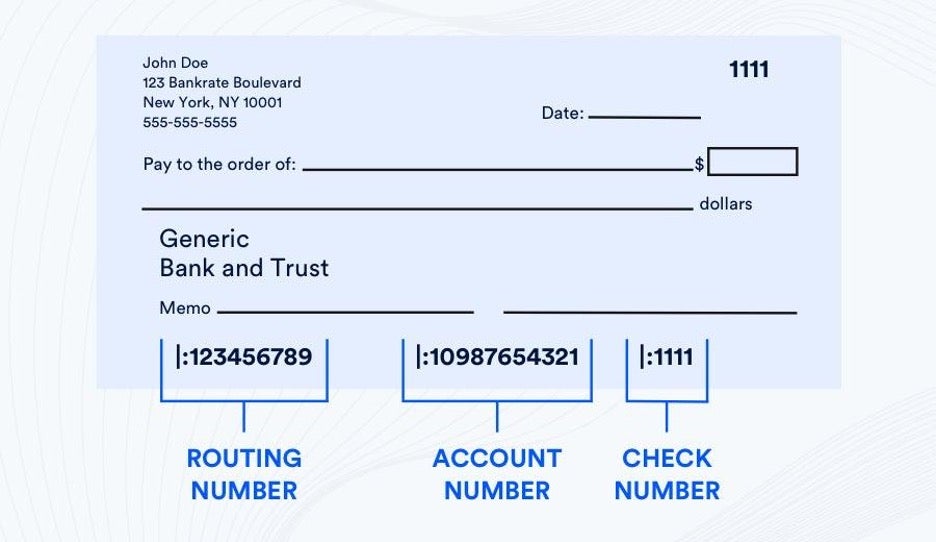
To truly understand where your account number resides, we must first dissect the physical check itself. While various elements like your name, address, and the payee line are easily discernible, the truly operational data is encoded along the bottom edge, a section known as the Magnetic Ink Character Recognition (MICR) line. This strip of numbers, printed in a special magnetic ink, is designed for automated processing by banking systems, ensuring speed and accuracy in transaction handling.
The Foundation of Financial Transactions: What is the MICR Line?
The MICR line is far more than just a sequence of digits; it is the technological backbone that allows checks to be processed efficiently across the global banking network. Each character, printed in a unique font that can be read by magnetic readers, represents a specific piece of information crucial for routing funds correctly. Without this standardized format, the manual processing of billions of checks would be an insurmountable task, leading to delays and errors. Understanding the MICR line is the first step towards financial literacy when dealing with paper checks, as it holds the key identifiers for your specific bank and account. It’s designed to be machine-readable, providing a swift and reliable way for financial institutions to identify the originating bank, the specific account, and the check itself.
Unpacking the Three Pillars: Routing Number, Account Number, and Check Number
The MICR line typically comprises three distinct sets of numbers, each serving a unique purpose. Misidentifying any of these can lead to significant financial headaches, from delayed payments to incorrect transfers.
-
The Routing Number (Bank Identifier): This is the first set of nine digits on the left side of the MICR line, often enclosed by special symbols (⑈ or ⑆). The routing number, sometimes called an ABA (American Bankers Association) number, identifies your financial institution. Think of it as your bank’s address within the banking system. When you initiate a transaction that involves transferring funds to or from your bank, this number directs the funds to the correct bank. Every U.S. financial institution has at least one routing number, and larger banks may have several, depending on the type of transaction or location. It’s crucial for direct deposits, wire transfers, and electronic funds transfers (EFTs).
-
The Account Number (Your Unique Identifier): Located in the middle section of the MICR line, your account number is the second set of numbers you’ll encounter. This is your specific identifier within your bank. While its length can vary between banks (typically 10 to 12 digits, but sometimes fewer or more), it uniquely pinpoints your individual checking account. This is the number you need for setting up direct debits, receiving direct deposits, making online bill payments through third-party services, and linking external financial applications. It’s the numerical representation of your specific financial relationship with your bank. This is the number that directly links to your funds, distinguishing your account from every other customer’s at that institution.
-
The Check Number (Document Identifier): The final set of numbers on the right side of the MICR line is the check number. This number is usually 3-4 digits long and matches the pre-printed check number found in the upper right corner of the check. It serves as an internal tracking mechanism, allowing you and your bank to identify individual checks. While not directly involved in routing funds, it’s essential for reconciliation, record-keeping, and disputing transactions. When you write a check, this number helps you track which check was used for which payment.
By carefully distinguishing between these three numbers, you empower yourself with accurate information, preventing common errors that can disrupt your financial flow.
Beyond the Check: Alternative Avenues to Locate Your Account Number
While a physical check is the most direct source for your account number, it’s not always readily available or convenient. Fortunately, modern banking offers several other secure and accessible methods to retrieve this vital piece of information. Knowing these alternatives ensures you can always access your account number when needed, even without a checkbook handy.
Digital Convenience: Online and Mobile Banking Portals
In an increasingly digital world, your bank’s online portal and mobile banking app are indispensable tools. These platforms typically provide secure access to all your account details, including your account number, often with just a few clicks or taps.
- Online Banking: After logging into your bank’s secure website, navigate to the specific checking account you need the number for. Often, there will be an “Account Details,” “Account Summary,” or “Information” section. Your full account number, along with your routing number, is usually displayed here. Some banks might require an additional verification step, such as entering a one-time password sent to your phone, before revealing sensitive information for security purposes.
- Mobile Banking Apps: Similar to online banking, most mobile apps offer the same functionality. Once logged in, select the relevant checking account. Look for an “Account Info,” “Details,” or “Summary” option. Banks often design these apps for intuitive navigation, making it quick and easy to find your account number. Be aware that some apps might only display the last few digits of your account number for security reasons until you explicitly request to see the full number or undergo an additional verification step.
These digital methods are not only convenient but also often the quickest way to obtain your account number, provided you have your login credentials.
Your Financial Blueprint: Bank Statements and Official Documents
Before the widespread adoption of digital banking, paper statements and official documents were the primary means of tracking financial activity and retrieving account information. They remain a reliable source.
- Bank Statements: Whether you receive paper statements in the mail or access e-statements online, your monthly bank statement is a treasure trove of information. Your full account number, along with your bank’s routing number, is prominently displayed, typically at the top of the statement or within the account summary section. These statements are official records and provide an authoritative source for your account details.
- Welcome Kit/Account Opening Documents: When you first opened your bank account, you would have received a welcome kit or a series of documents detailing your account terms and conditions. These initial documents almost always contain your full account number, routing number, and other essential banking information. If you keep these records organized and secure, they can be a useful reference point.
Direct Assistance: Connecting with Your Financial Institution
When all other methods fail, or if you simply prefer direct interaction, contacting your bank’s customer service or visiting a branch are guaranteed ways to retrieve your account number.
- Customer Service Hotline: Call your bank’s official customer service number. Be prepared to go through a rigorous identity verification process. This typically involves providing personal details like your full name, address, date of birth, social security number, and answering security questions to confirm you are the account holder. Once verified, a representative can provide your account number over the phone.
- Visiting a Bank Branch: For those who prefer face-to-face interaction, visiting a local branch is an option. Make sure to bring a valid form of photo identification (e.g., driver’s license, passport) as the bank teller will need to verify your identity before disclosing any account information. This method can be particularly helpful if you’ve forgotten login credentials or misplaced all other documents.
Each of these alternative methods provides a secure pathway to obtaining your account number, ensuring you’re never left without this crucial piece of information when you need it most.
Why Your Account Number Matters: Essential Applications and Critical Security
Knowing where to find your account number is merely the first step. Understanding why it’s so important and how to protect it is equally, if not more, critical in safeguarding your financial well-being. Your account number is a powerful key, enabling a wide array of financial operations but also presenting a potential vulnerability if it falls into the wrong hands.
Facilitating Seamless Finance: Common Uses for Your Account Number
Your account number is fundamental to many common financial transactions, making daily life and long-term financial planning much smoother.
- Direct Deposit Setup: This is perhaps the most common use. To have your paycheck, government benefits (like Social Security), or tax refunds deposited directly into your bank account, your employer or the disbursing agency will require both your bank’s routing number and your personal account number. This eliminates the need for physical checks and ensures timely access to your funds.
- Automatic Bill Payments (ACH Debits): Many utility companies, landlords, mortgage lenders, and other service providers offer the convenience of automatic bill payments. To set these up, you typically provide your account number and routing number, authorizing the company to debit your account for recurring payments. This helps avoid late fees and simplifies budgeting.
- External Transfers and Fund Transfers: When transferring money between your accounts at different banks, or setting up transfers to family and friends through certain platforms, your account number (and often the routing number of the recipient’s bank) is essential. Wire transfers, for instance, heavily rely on accurate account numbers to ensure funds reach the intended recipient swiftly and securely.
- Linking to Payment Apps and Services: Platforms like PayPal, Venmo, or investment apps often require you to link a bank account for funding or withdrawals. This linking process typically involves entering your account and routing numbers to establish a secure connection.
- Setting Up Business Transactions: For entrepreneurs and small business owners, an account number is critical for receiving payments from clients, setting up merchant services, or managing payroll.
Without your account number, many of these convenient and essential financial activities would be impossible or significantly more cumbersome.
Guarding Your Financial Gateway: Best Practices for Account Number Security
Given its central role in your finances, your account number is a prime target for fraudsters. Protecting it is paramount to preventing identity theft and unauthorized access to your funds.
- Be Skeptical of Unsolicited Requests: Never provide your account number (or any other sensitive financial information) in response to unsolicited emails, texts, or phone calls, especially if they claim to be from your bank or a government agency. Banks will never ask for your full account number or PIN via email or text message. Always verify the legitimacy of the request through an official channel (e.g., calling the bank’s published number).
- Secure Physical Checks: Treat your checkbook like cash. Keep it in a secure location where it cannot be easily accessed by others. When disposing of old or unused checks, always shred them to prevent criminals from obtaining your account information.
- Monitor Account Statements: Regularly review your bank statements (both physical and digital) for any unauthorized transactions. Promptly report any discrepancies to your bank. Early detection is key to limiting potential damage.
- Use Secure Digital Channels: When accessing your account information online, always ensure you are on your bank’s official, secure website (look for “https://” in the URL and a padlock symbol). Use strong, unique passwords for your online banking accounts and enable two-factor authentication whenever available.
- Be Wary of Public Wi-Fi: Avoid accessing sensitive financial information or making transactions while connected to unsecured public Wi-Fi networks, as these can be vulnerable to eavesdropping.
- Limit Sharing: Only share your account number with trusted individuals or entities (like your employer or legitimate billers) when absolutely necessary for a transaction. Be especially cautious when sharing it with new or unknown parties.
By adopting these security measures, you significantly reduce the risk of your account number being compromised, safeguarding your assets and financial identity.
Navigating Common Misconceptions and Ensuring Accuracy
Despite its clear location, confusion surrounding the account number persists, often leading to common errors that can delay or derail financial transactions. Understanding these pitfalls and adopting best practices for verification can save you time, stress, and potential financial loss.
The Routing vs. Account Number Conundrum: Avoiding Costly Errors
One of the most frequent mistakes people make is confusing the routing number with the account number, or vice versa. Both are essential, but they serve entirely different functions, and interchanging them can have immediate and negative consequences.
- Consequences of Mix-Up: If you provide your routing number instead of your account number for a direct deposit, your funds will likely be returned, causing delays in payment. Similarly, if you provide the wrong number for an automatic bill payment, the payment will fail, potentially leading to late fees or service interruptions. In some cases, if the incorrect number happens to match another valid account, funds could be sent to the wrong person—a much more difficult error to rectify.
- Visual Cues: Always remember that the routing number is always nine digits long and is typically the first set of numbers on the MICR line, flanked by distinct symbols. Your account number is usually longer and situated in the middle. Taking a moment to double-check these visual cues can prevent significant headaches. Many online forms will specifically label which number they are asking for, so read carefully.
Validity and Verification: Using Current Information
Another critical aspect of accuracy is ensuring that the information you’re using is current and correct.
- Using Up-to-Date Checks: Bank account numbers generally don’t change unless you open a new account. However, routing numbers can sometimes change, especially if your bank merges with another institution or undergoes significant structural changes. Relying on very old checks might inadvertently lead you to use outdated routing information, which could cause issues with electronic transfers. It’s always best to use a recent check or verify the routing number directly through your bank’s official channels.
- Cross-Reference and Confirm: Before submitting your account number for any significant transaction, such as direct deposit or large payments, it’s wise to cross-reference it with another source, like your online banking portal or a recent bank statement. If you’re providing it to a third party, confirm the exact format and requirements they need. Some systems might require the full string of digits, while others might ask for it in segments. Don’t assume; always verify.
- New Accounts and Closures: If you’ve recently opened a new account or closed an old one, be absolutely certain you are using the correct account number for your active account. Using a number from a closed account will result in failed transactions.
By being meticulous and taking a few extra seconds to verify your account number and differentiate it from your routing number, you can ensure your financial transactions proceed smoothly and without error.

Conclusion
Understanding where to find your account number on a check and its broader implications is a fundamental aspect of modern financial literacy. It’s not merely a string of digits but a powerful identifier that underpins a vast array of essential financial activities, from receiving your salary to securely paying your bills.
We’ve explored how the MICR line on your physical check serves as the primary repository for this information, meticulously distinguishing your account number from the routing number and check number. Furthermore, we’ve highlighted the convenience of modern alternatives like online banking portals, mobile apps, and bank statements, ensuring you’re never without access to this crucial detail. Crucially, we’ve emphasized the paramount importance of safeguarding your account number, outlining best practices to protect yourself from fraud and unauthorized access in an increasingly digital world.
By taking the time to familiarize yourself with these details, you empower yourself to navigate your financial life with greater confidence, efficiency, and security. Whether you’re setting up a new direct deposit, authorizing an automatic payment, or simply reconciling your finances, knowing your account number and understanding its role is a key step towards mastering your personal financial management.
aViewFromTheCave is a participant in the Amazon Services LLC Associates Program, an affiliate advertising program designed to provide a means for sites to earn advertising fees by advertising and linking to Amazon.com. Amazon, the Amazon logo, AmazonSupply, and the AmazonSupply logo are trademarks of Amazon.com, Inc. or its affiliates. As an Amazon Associate we earn affiliate commissions from qualifying purchases.