
In the intricate world of personal finance, your account number is more than just a sequence of digits; it’s a unique identifier that unlocks access to your money, facilitates transactions, and forms the bedrock of your financial interactions. Whether you’re setting up a direct deposit, paying a utility bill, or verifying your identity with a financial institution, knowing where to locate this crucial piece of information is fundamental. This guide delves into the various places you can find your account numbers across different financial products, emphasizing the importance of doing so securely and efficiently, all within the overarching sphere of sound personal finance management.
The Indispensable Role of Your Account Number in Personal Finance
Understanding the profound significance of your account number is the first step toward effective financial management. It’s not merely an arbitrary string of characters but a vital key to your economic life, enabling a myriad of financial activities that shape your daily finances.
More Than Just a String of Digits
At its core, an account number serves as a unique identifier assigned by a financial institution to a specific account held by an individual or entity. This individuality ensures that funds are directed to and debited from the correct account, preventing costly errors and maintaining the integrity of financial systems. For checking accounts, it typically works in conjunction with a bank’s routing number to pinpoint the exact destination for electronic transfers, while for credit cards, it distinguishes your specific card activity from millions of others. Without this unique identifier, the vast network of global finance would grind to a halt, unable to differentiate one person’s assets or liabilities from another’s.
The Nexus of Transactions and Verification
The utility of your account number extends across nearly every facet of your financial life. It’s the primary piece of information required for setting up direct deposits of your salary or government benefits, ensuring your income lands directly in your bank account without delay. Similarly, when you wish to establish automatic bill payments for utilities, loans, or subscriptions, your account number—often alongside a routing number—is essential for linking your bank account to the service provider. For withdrawing funds, initiating wire transfers, or making large purchases, financial institutions frequently request your account number for verification purposes, adding a layer of security to prevent unauthorized access. Moreover, in scenarios involving loan applications, tax filings, or legal financial proceedings, your account numbers serve as critical references, authenticating your financial standing and historical transactions.
Mitigating Financial Hassles
Having immediate access to your account numbers can significantly streamline your financial operations and prevent unnecessary stress. Imagine needing to pay an overdue bill, set up a new recurring payment, or respond to an urgent request from your bank, only to spend valuable time searching for the correct account information. Ready access ensures that transactions are processed promptly, avoiding late fees, service interruptions, or potential damage to your credit score. For personal finance planning, understanding where all your account numbers are located helps in consolidating information, making it easier to track income, expenses, investments, and debts. This organized approach is a cornerstone of responsible money management, fostering a sense of control and preparedness for any financial situation that may arise.
Decoding the Locations: A Guide to Different Financial Account Numbers
The term “account number” can refer to various financial instruments, each with its own typical location for this critical identifier. Navigating where to find these numbers requires a systematic approach, as their placement varies significantly between banking, credit, investment, and utility services.
Bank Accounts (Checking/Savings)
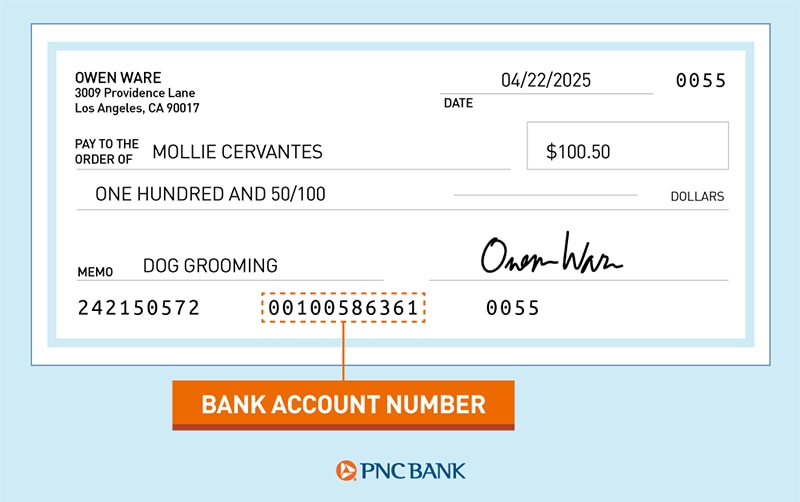
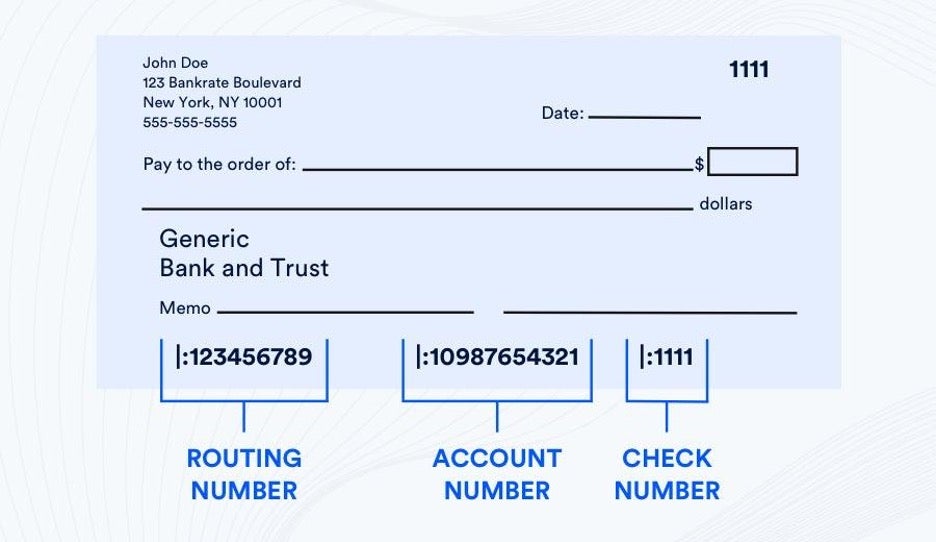
For your primary checking and savings accounts, the account number is readily available in several key places. The most traditional source is your checkbook, where the account number is printed on the bottom of each check, typically the middle set of digits in the MICR (Magnetic Ink Character Recognition) line, usually nestled between the routing number and the check number. Bank statements, whether paper or digital, are another reliable source; your account number is prominently displayed near your name and address at the top of the statement. Lastly, online banking portals and mobile banking apps have become indispensable tools. After logging in securely, you can usually find your account number under “Account Details,” “Account Summary,” or by viewing your digital statements. It’s crucial to remember that the 16-digit number on your debit card is the card number, not your bank account number.
Credit Card Accounts
Finding your credit card account number requires a different approach from bank accounts. The 16-digit number printed on the front of your physical credit card is indeed a unique identifier for that specific card, often referred to as the PAN (Primary Account Number). However, for purposes such as setting up automatic payments to your credit card or communicating with customer service, you might be asked for a different “account number” which is an internal identifier for your credit line. This internal account number is typically found on your credit card statements, both paper and digital, usually near your name, payment due date, and current balance. Your online credit card portal or mobile app, once logged in, will also display this under “Account Summary” or “View Statement.”
Investment Accounts (Brokerage, Retirement)
For investment vehicles like brokerage accounts, IRAs, 401(k)s, or mutual fund accounts, your account number is crucial for managing your portfolio. These numbers are usually found on your investment statements, which are typically mailed quarterly or monthly, or are available as digital documents within your online portal. When you log into your online brokerage or retirement account, your account number is usually displayed prominently on the main dashboard or under “Account Summary” or “Profile Settings.” Initial account opening documents and trade confirmations also typically include your account number.
Loan Accounts (Mortgage, Auto, Personal)
Managing various loan types—be it a mortgage, auto loan, or personal loan—necessitates knowing your respective account numbers. These are primarily used for making payments and communicating with your lender. Your loan account number will be clearly stated on your monthly loan statements or payment coupons. If you have an online loan portal provided by your lender, logging in will usually present your account number on the dashboard or under the “Account Details” section. Furthermore, the original loan agreement documents you signed when the loan was initiated will also contain this information.
Utility and Service Accounts
Beyond traditional financial institutions, various utility and service providers assign account numbers for billing and service management. These include electricity, gas, water, internet, and phone providers. Your monthly bills, whether delivered by mail or email, will conspicuously display your account number, usually near your name, address, and the amount due. Most utility companies also offer online customer portals where, after logging in, you can find your account number under “My Account,” “Billing Details,” or similar sections. These numbers are vital for making payments, inquiring about service, or setting up new services.
Navigating Digital Pathways: Accessing Account Numbers Online and via Apps

In today’s digital age, financial management has largely shifted to online platforms and mobile applications. These digital pathways offer unparalleled convenience for accessing your financial information, including account numbers, but also necessitate a strong emphasis on security.
The Convenience of Digital Portals
Almost every financial institution, from large banks to niche investment firms and utility providers, now offers robust online portals and mobile apps. These platforms are designed to give you instant access to your account balances, transaction history, statements, and crucially, your account numbers. The convenience factor is immense: you can access this information 24/7 from virtually anywhere with an internet connection, eliminating the need to wait for physical statements or business hours. This immediate access is particularly valuable for urgent financial tasks, like setting up a new direct debit, transferring funds, or verifying details for a tax return. It centralizes your financial data, making it easier to monitor and manage multiple accounts efficiently.
Step-by-Step: Logging In and Locating Details
The process of finding your account number through digital channels generally follows a similar pattern across different institutions. First, you’ll need to navigate to the official website or open the mobile app of your financial institution. Next, you’ll be prompted to log in using your unique username and password. Many institutions also employ multi-factor authentication (MFA), requiring an additional verification step, such as a code sent to your phone or email, or a biometric scan. Once successfully logged in, look for sections labeled “Account Summary,” “Account Details,” “Statements,” “Profile,” or “Manage Account.” Your specific account number will typically be displayed prominently within these sections, often alongside other details like your routing number (for banks), current balance, and recent transactions. If it’s not immediately visible, checking your digital statements within the portal is often a surefire way to find it, as it’s always printed on these documents.
Security First: Best Practices for Online Access
While digital access offers tremendous convenience, it also introduces security risks that, if unaddressed, can lead to financial fraud and identity theft. Prioritizing security is paramount when accessing sensitive financial information online. Always ensure you are using a strong, unique password for each financial account, ideally incorporating a mix of uppercase and lowercase letters, numbers, and symbols. Enable two-factor authentication (2FA) whenever available, as this adds a critical layer of security by requiring a second verification method. Avoid logging into financial accounts on public Wi-Fi networks, which are often unsecured and vulnerable to eavesdropping. Be extremely vigilant against phishing attempts, which are fraudulent emails or messages designed to trick you into revealing your login credentials on fake websites. Always verify the authenticity of a website by checking its URL for “https://” and a padlock icon. Regularly monitor your account activity for any suspicious transactions, and log out of your financial accounts once you’ve finished your session, especially on shared devices. These practices are essential for safeguarding your financial data in the digital realm.
When All Else Fails: Alternative Methods and Direct Assistance
Despite the numerous places to find account numbers, there might be situations where the usual sources are unavailable or yield no results. In such scenarios, knowing alternative methods and understanding how to effectively seek direct assistance from your financial institution becomes crucial for sound money management.
Scrutinizing Physical Documents
Before resorting to direct contact, a thorough search through your physical financial documents can often unearth the elusive account number. Dig out old paper statements – banks, credit card companies, and investment firms regularly send these, and your account number will be prominently displayed. Your initial welcome kit or account opening documents from any financial institution are also goldmines of information, containing all primary account details. For bank accounts, your checkbook or even a deposit slip will have the account number printed at the bottom. For loans, the original loan agreement letters or payment coupons are reliable sources. Even old utility bills can provide the necessary service account numbers. Organize these documents regularly to avoid frantic searches in the future, as good record-keeping is a cornerstone of effective personal finance.
Reaching Out to Customer Service
If you’ve exhausted all physical and digital self-service options, the most reliable last resort is to contact your financial institution’s customer service directly. This typically involves calling their official support line, which can be found on their website, the back of your debit/credit card, or on a previous statement. When you call, be prepared to undergo a rigorous identity verification process. This is a critical security measure designed to protect your financial information from unauthorized access. You will likely be asked for personal identifying information such as your full name, date of birth, mailing address, phone number registered with the account, the last four digits of your Social Security Number (SSN), and potentially answers to security questions you set up. Having this information readily available will expedite the process and help the representative quickly locate your account details and provide the necessary number. Avoid emailing sensitive information unless explicitly instructed and secured by the institution, as email is generally not a secure channel for private data.
Special Cases: Closed Accounts or Unusual Circumstances
Locating an account number for a closed account presents a unique challenge, as online access might be revoked, and statements may no longer be regularly issued. However, for tax purposes, historical record-keeping, or resolving past financial disputes, this information can still be vital. In such cases, contacting the customer service department of the institution that previously held the account is the primary method. They are legally obligated to retain records for a certain period (which varies by jurisdiction and account type) and can usually retrieve past account numbers after a thorough identity verification process. Be prepared for a potentially longer process, as retrieving archived information may take more time. Similarly, for unusual circumstances like inherited accounts or accounts where the primary account holder is incapacitated, legal documentation (such as power of attorney, death certificate, or court orders) will be required alongside personal identification to access or retrieve account numbers. Always consult with legal or financial professionals in these complex situations to ensure proper procedures are followed.
The Imperative of Security: Protecting Your Account Numbers
In the realm of personal finance, knowing where to find your account numbers is only half the battle; the other, equally critical half is ensuring their absolute protection. Your account numbers are gateways to your financial assets, and their compromise can lead to severe financial repercussions.
Why Confidentiality Matters
The confidentiality of your account numbers is paramount because they are prime targets for malicious actors. If your bank account number and routing number fall into the wrong hands, fraudsters can initiate unauthorized withdrawals, set up fraudulent direct debits, or even create fake checks. Similarly, a compromised credit card account number can lead to unauthorized purchases, racking up debt in your name. Investment account numbers, if exposed, can be exploited to liquidate assets or transfer funds illicitly. The consequences of such breaches are not limited to monetary loss; they can also result in identity theft, damage to your credit score, and considerable emotional distress and time spent rectifying the situation. Therefore, treating your account numbers with the same level of security as your Social Security Number or passport information is a non-negotiable aspect of responsible personal finance.
Practical Safeguards for Financial Information
Implementing practical safeguards is essential to protect your account numbers and overall financial security. Start by meticulously shredding all old financial documents that contain account numbers, such as outdated statements, expired credit cards, or voided checks. Never simply throw them in the trash. For digital records, use secure password managers to store login credentials and sensitive account details, and always ensure your devices are protected with strong passwords and up-to-date antivirus software. Be extremely cautious about sharing your account numbers. Never provide them in response to unsolicited emails, texts, or phone calls – these are often phishing or vishing attempts. Financial institutions will never ask for your full account number or password via unsecured communication channels. When making payments or providing account details online, always ensure the website is secure (look for “https://” and a padlock icon in the address bar). Finally, make a habit of regularly monitoring your bank, credit card, and investment statements for any suspicious or unauthorized activity. Early detection is key to mitigating potential damage.
Educating Yourself: The Best Defense Against Financial Crime
The landscape of financial crime is constantly evolving, with fraudsters employing increasingly sophisticated tactics. Your best defense is continuous self-education and vigilance. Stay informed about common scams and security threats by regularly checking updates from reputable financial institutions, consumer protection agencies, and cybersecurity experts. Understand the red flags of phishing, smishing (SMS phishing), and vishing (voice phishing). Be skeptical of too-good-to-be-true offers or urgent requests for personal financial information. Learn about identity theft protection services and how to freeze your credit if you suspect a breach. By actively educating yourself on financial security best practices and remaining hyper-aware of potential threats, you empower yourself to be the strongest guardian of your account numbers and, by extension, your entire financial well-being. This proactive approach is an invaluable asset in safeguarding your hard-earned money and peace of mind.
aViewFromTheCave is a participant in the Amazon Services LLC Associates Program, an affiliate advertising program designed to provide a means for sites to earn advertising fees by advertising and linking to Amazon.com. Amazon, the Amazon logo, AmazonSupply, and the AmazonSupply logo are trademarks of Amazon.com, Inc. or its affiliates. As an Amazon Associate we earn affiliate commissions from qualifying purchases.