
In the modern era of fintech and digital wallets, the traditional paper check might seem like a relic of a bygone era. However, the American financial system remains deeply rooted in the protocols established by the banking industry decades ago. Whether you are setting up a direct deposit for a new job, authorizing an automated monthly payment for your mortgage, or initiating a wire transfer, you will invariably be asked for two critical pieces of information: your account number and your routing transit number (RTN).
Understanding how to read a check is a fundamental skill in personal finance. While the layout of a check is standardized for efficiency, many consumers find the string of numbers at the bottom confusing. This guide provides a comprehensive breakdown of where to find your routing number, what those digits actually signify, and why this information is the backbone of the United States payment infrastructure.

Anatomy of a Check: Identifying the Key Numbers
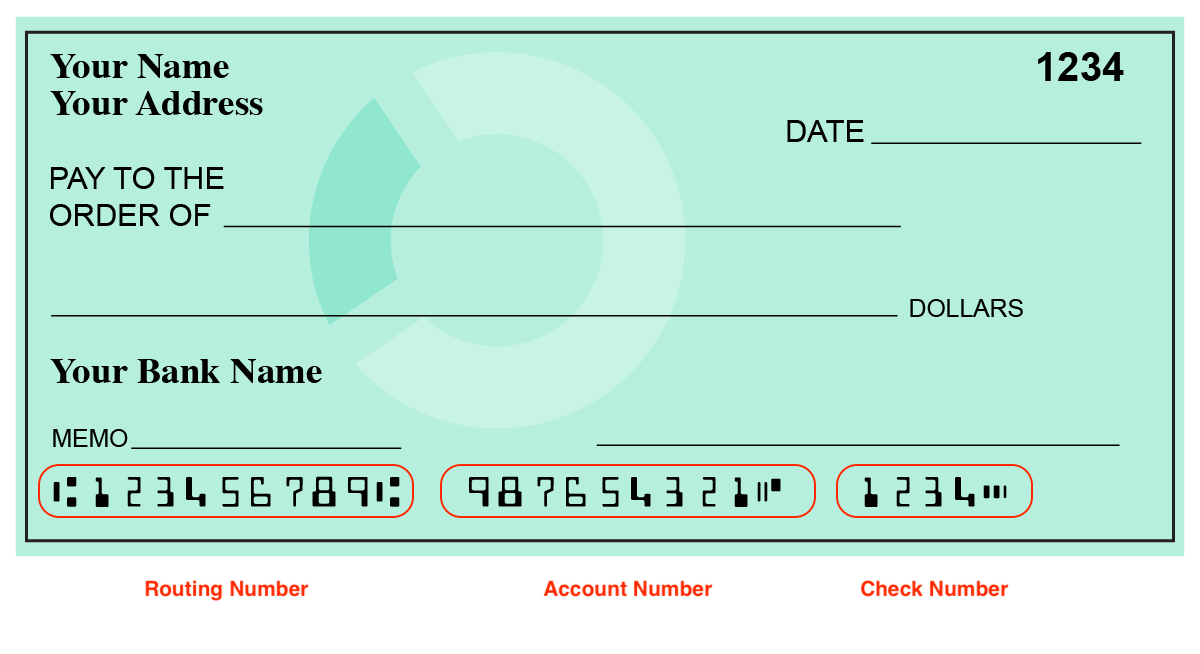
When you look at a standard personal or business check, your eyes are often drawn to the name of the financial institution or the signature line. However, the most critical data for the movement of money is located at the very bottom. This area is known as the MICR line, which stands for Magnetic Ink Character Recognition. This specialized ink allows high-speed processing machines at the Federal Reserve and private clearinghouses to read the check data quickly and accurately.
The Routing Transit Number (RTN)
The routing number is almost always the first set of numbers printed on the bottom left-hand corner of your check. In the United States, a routing number is a nine-digit code used to identify a specific financial institution. It is frequently preceded and followed by a specific symbol that looks like a colon with a vertical dash, known as a “transit” symbol.
The nine digits are not random. The first two digits represent the Federal Reserve district where the bank is located. The third digit identifies the specific Federal Reserve check processing center, and the remaining digits represent the specific bank’s unique identifier.
The Account Number
Following the routing number is your unique account number. This is usually the second set of digits in the MICR line. Unlike the routing number, which is shared by every customer at your specific branch or bank, the account number is unique to your individual checking or savings account. It tells the bank exactly which “folder” of money to pull from or deposit into once the routing number has guided the transaction to the correct institution.
The Check Number
The shortest sequence of numbers on the MICR line is the check number. This typically matches the number found in the top right-hand corner of the document. Its purpose is purely for your personal record-keeping and for the bank to ensure that a check isn’t processed twice. When you view your bank statement, the check number helps you reconcile your spending by identifying which specific payment was cleared.
Understanding the Routing Number’s Purpose in Personal Finance
The routing number is effectively the “address” of your bank within the global financial network. Without it, the financial system would have no way of knowing where to send a request for funds. In the context of “Money” and financial management, the routing number serves as the primary gateway for several types of transactions.
How Banks Use ABA Numbers
The routing number is often referred to as an “ABA number” because the American Bankers Association (ABA) created the system in 1910. The goal was to eliminate the chaos of early American banking, where thousands of local banks issued their own notes and managed their own clearing. By assigning a unique nine-digit code to every legitimate financial institution, the ABA created a standardized roadmap for the flow of capital. Today, this ensures that a check written in California can be cleared by a bank in New York with 100% accuracy.
Direct Deposits and Automatic Payments
For most individuals, the routing number is most relevant when setting up “Automated Clearing House” (ACH) transactions. When you provide your employer with your routing and account numbers, you are giving the ACH network the coordinates needed to route your salary into your account. The same logic applies to “pull” transactions, such as when a utility company automatically withdraws your monthly bill payment. The routing number ensures the utility company’s bank knows exactly which financial institution to contact to request the funds.
Wire Transfers vs. ACH Transfers
It is important for savvy financial consumers to note that some larger banks use different routing numbers for different types of transactions. While the routing number on your paper check is valid for ACH transfers and check clearing, it may not be the correct number for an international or domestic wire transfer. Wire transfers often move through a different “pipe” (such as the Fedwire system), and using the check routing number for a wire transfer can result in the transaction being rejected or delayed. Always verify with your bank’s website if they have a specific “Wire Routing Number.”
Where to Find Your Routing Number Without a Physical Check
In an increasingly paperless world, many people no longer carry a checkbook or may not have ordered checks for their accounts at all. Fortunately, because the routing number is public-facing information for the bank, there are several other ways to locate it without needing a physical piece of paper.
Online Banking Portals and Mobile Apps
The most efficient way to find your routing number today is through your bank’s digital interface. Once you log in to your mobile app or desktop portal, look for “Account Details” or “Direct Deposit Information.” Most banks will display both your account number and the routing number in a secure area. This is often the most accurate source, as the app will specify if the number is for ACH or Wire transfers.
Monthly Bank Statements
If you have access to your monthly statements—either via mail or as a PDF download—the routing number is usually printed on the first page. It is often located near the summary of your balance or in the header alongside the bank’s contact information.
The American Bankers Association (ABA) Lookup
If you know the name of your bank but cannot log in to your account, you can use the official ABA routing number lookup tool online. However, keep in mind that large national banks may have dozens of different routing numbers based on the state where you opened the account. Therefore, it is always safer to confirm the number through your personal banking documents to ensure you are using the correct one for your specific region.
Security and Best Practices for Financial Information
Because the routing and account numbers are the keys to your financial “house,” protecting this information is a cornerstone of digital security and personal finance management. While a routing number is not a secret (anyone who sees your check has it), the combination of your routing and account numbers can be used to authorize unauthorized payments.
Protecting Your Routing and Account Numbers
You should treat the bottom of your check with the same level of care as you treat your Social Security number or credit card details. Avoid sending photos of your checks over unencrypted email or text messages. When providing this information for a side hustle or a new business contract, ensure you are using a secure portal provided by a reputable payment processor.
Common Scams Involving Check Information
A common financial scam involves “overpayment.” A scammer might send you a check for an amount higher than what they owe you and ask you to wire back the difference. They are counting on the fact that while your bank might “advance” you the funds, the check itself will eventually bounce because the routing or account numbers on the scammer’s check are fraudulent. By understanding how checks are processed, you can better protect your personal capital from these predatory tactics.
What to Do if Your Check Information is Compromised
If you lose your checkbook or believe someone has gained unauthorized access to your routing and account number combination, you must contact your bank immediately. Unlike a credit card, which can be easily cancelled and replaced, your checking account is a primary financial hub. If a breach is significant, the bank may advise you to close the account entirely and move your funds to a new account with a new number to prevent unauthorized ACH withdrawals.

Conclusion: The Foundation of Financial Literacy
Knowing where to find a routing number on a check is more than just a logistical necessity; it is a gateway to understanding how the modern economy functions. While the physical check may eventually fade from daily use, the underlying system of routing transit numbers will continue to facilitate the trillions of dollars that move through the U.S. economy every year.
By mastering these small details of personal finance, you empower yourself to manage your money with greater precision. Whether you are automating your savings, receiving a paycheck from a side hustle, or simply paying your monthly bills, being able to identify and verify your routing number ensures that your hard-earned money always ends up exactly where it belongs. Professional financial management starts with these fundamentals, ensuring your path to wealth and stability is built on a clear understanding of the tools at your disposal.
aViewFromTheCave is a participant in the Amazon Services LLC Associates Program, an affiliate advertising program designed to provide a means for sites to earn advertising fees by advertising and linking to Amazon.com. Amazon, the Amazon logo, AmazonSupply, and the AmazonSupply logo are trademarks of Amazon.com, Inc. or its affiliates. As an Amazon Associate we earn affiliate commissions from qualifying purchases.