
Navigating the complexities of the tax season can be a daunting endeavor for even the most seasoned financial veterans. For independent contractors, freelancers, and small business owners, the 1099 form represents a critical pillar of tax compliance and financial reporting. Unlike the standard W-2 form, which employees receive from a single employer, 1099 forms can originate from various sources, making the process of locating and organizing them a central task in personal and business finance management.
As the “gig economy” continues to expand, understanding the nuances of where to find 1099 forms—and knowing which specific versions you need—is essential for maintaining a healthy financial profile. This guide explores the diverse avenues for procuring these documents, whether you are the payer responsible for issuing them or the payee waiting to report your hard-earned income.
Understanding the Landscape of 1099 Forms
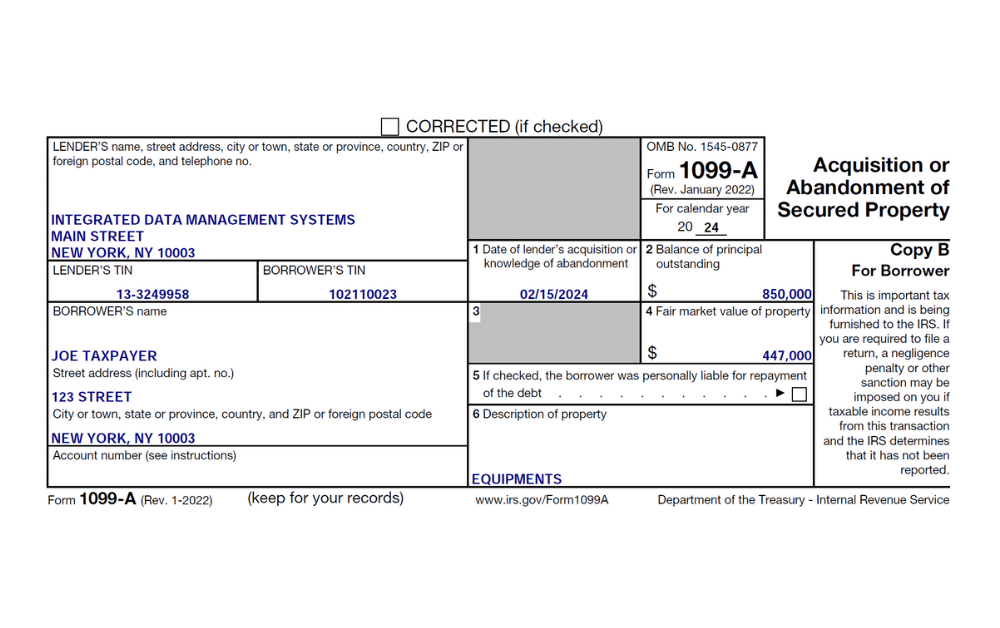
Before diving into the “where,” it is vital to understand the “what.” The 1099 series is a collection of “information returns” used to report various types of income other than wages, salaries, and tips. In the realm of business finance, these forms ensure that the Internal Revenue Service (IRS) is aware of non-employee compensation and other financial distributions.
Common Types of 1099s: NEC vs. MISC
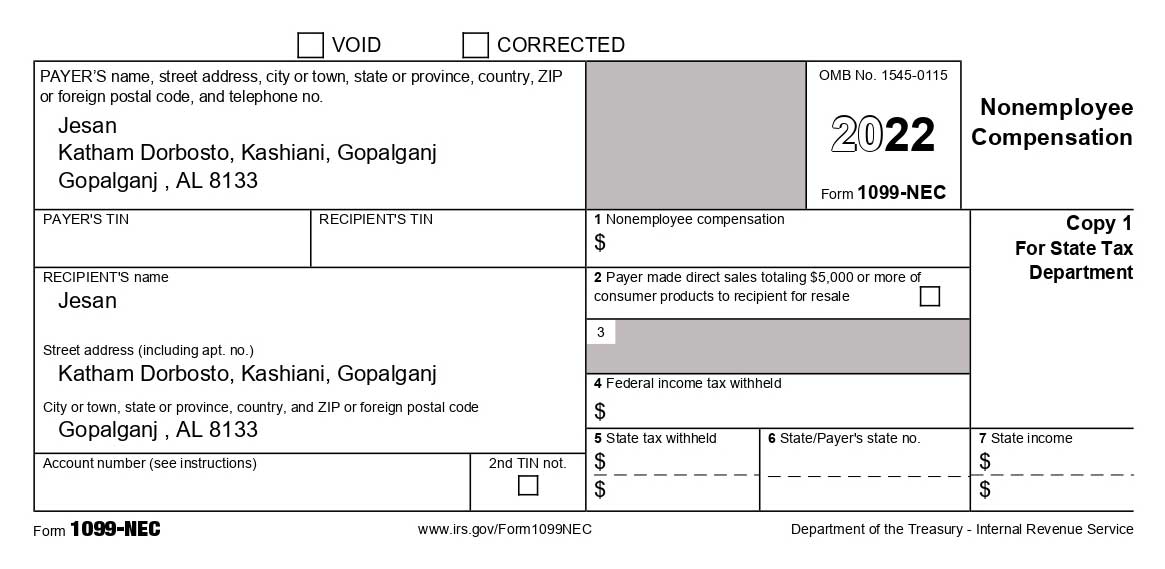
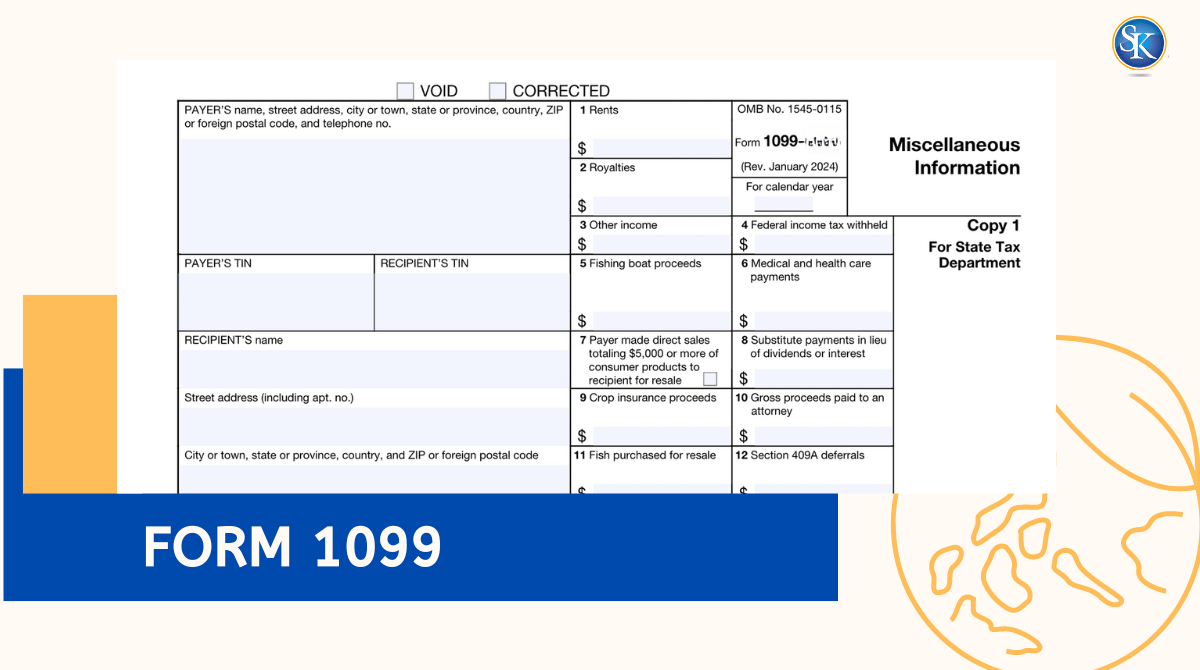
For many years, the 1099-MISC was the primary document for reporting independent contractor pay. However, the IRS recently reintroduced the Form 1099-NEC (Nonemployee Compensation) to separate contractor payments from other types of miscellaneous income. If you have earned more than $600 as a freelancer or consultant, you should look for the 1099-NEC. On the other hand, Form 1099-MISC is still used for reporting rent, prizes, awards, and other specific categories of payments. Distinguishing between these two is the first step in auditing your financial records for the year.
Who is Responsible for Issuing vs. Receiving?
The responsibility for generating a 1099 form lies with the payer—the entity that disbursed the funds. If you are a business owner who paid a contractor more than $600, you are legally obligated to find, fill out, and file these forms. If you are the contractor, you are the recipient. Knowing your role helps you determine whether you should be searching for a blank template to fill out or a completed document provided by a client.
Thresholds and Financial Reporting
In the world of personal finance, the $600 threshold is the golden rule for 1099-NEC and 1099-MISC. However, other forms have different triggers. For example, 1099-K forms, which report third-party payment network transactions, have undergone significant legislative shifts regarding their reporting thresholds. Staying updated on these financial regulations ensures you are not searching for a form that might not have been triggered by your annual earnings.
Digital Sources: Where to Locate Your Forms Online
In the modern financial era, the vast majority of 1099 forms are distributed digitally. This shift toward paperless reporting has made retrieval faster, provided you know which portals to access.
Using the IRS Official Website
The most direct source for blank 1099 forms and instructions is the official IRS website (IRS.gov). For business owners and administrators, the IRS provides PDF versions of most 1099 forms. However, there is a catch: Copy A of many 1099 forms is printed in a special red drop-out ink and cannot be simply downloaded and printed on a standard home printer. For those filing paper returns, the IRS website serves as a portal to order the official, scannable forms at no cost. For those looking for historical data, the IRS “Get Transcript” tool can provide records of 1099s filed under your Social Security Number in previous years.
Accessing Forms via Payroll and Freelance Platforms
If you operate within the gig economy, your 1099 forms are likely hosted on the platforms through which you conduct business. Marketplaces like Upwork, Fiverr, and Toptal typically generate 1099-K or 1099-NEC forms for their high-earning users. Similarly, if you use payment processors like Stripe, PayPal, or Square, you will find a dedicated “Tax Center” or “Document” tab within your account settings. These platforms are required by law to make these forms available by January 31st each year.
Financial Institutions and Brokerage Portals
For investors, the 1099-DIV (dividends), 1099-INT (interest), and 1099-B (brokerage proceeds) are the primary forms of interest. These are almost exclusively found within the “Documents” or “Tax Information” sections of your online banking or brokerage accounts. Institutions like Vanguard, Fidelity, and Charles Schwab provide high-security portals where users can download these forms as soon as they are generated, often in late January or February.
Physical and Alternative Procurement Methods
While digital access is the standard, there are many scenarios where physical copies are necessary or preferred, especially for small businesses that do not yet utilize sophisticated accounting software.
Ordering Physical Copies for Filing
As mentioned previously, the IRS requires “Copy A” of forms like the 1099-NEC to be submitted on official, scannable red-ink paper. To find these, you can visit the IRS.gov “Forms and Publications” page and navigate to the “Order Forms” section. The IRS will mail these forms to your business address at no charge, though it is recommended to order them well in advance of the January 31st deadline to account for shipping times.
Local Community Resources
During the tax season, many local post offices and public libraries act as distribution centers for common tax forms. While they may not always carry the more specialized 1099 variants, they often have the 1099-MISC or the general instructions booklet. This can be a quick solution for those who need a physical reference document immediately.
Office Supply Stores and Financial Software
Major office supply retailers sell “1099 Tax Kits” which include the forms, the corresponding 1096 transmittal form, and even the envelopes. For a more integrated approach, business finance software like QuickBooks or FreshBooks allows users to generate and e-file 1099s directly from their accounting data. These tools are invaluable for ensuring that the data on your forms matches your annual bookkeeping perfectly.
Best Practices for Managing and Storing 1099 Documentation
Finding your 1099 forms is only half the battle; the other half is managing them effectively to optimize your tax position and ensure long-term financial security.
Implementing a Digital Filing System
Given that 1099s often arrive from multiple sources at different times, creating a centralized digital repository is a hallmark of good personal finance management. Create a dedicated, encrypted folder for each tax year. As soon as a 1099 becomes available for download, save it with a standardized naming convention (e.g., “20231099NECClientName”). This practice prevents the common “last-minute scramble” and ensures that you are prepared in the event of a financial audit.
Timelines and Deadlines to Remember
In the world of finance, timing is everything. Payers must typically send 1099-NEC forms to both the recipient and the IRS by January 31st. Other forms, like the 1099-MISC (if not reporting nonemployee compensation) or 1099-B, may have slightly later deadlines. As a recipient, if you haven’t found your forms by early February, it is time to take proactive steps. Mark these dates in your financial calendar to avoid late-filing penalties which can range significantly depending on the size of your business and the duration of the delay.
Reconciling Forms with Your Records
Never take a 1099 form at face value. One of the most important steps in business finance is reconciling the amount reported on the 1099 with your own invoices and bank statements. If a client reports that they paid you $10,000, but your records show $8,000, you must resolve this discrepancy before filing your taxes. Finding the form is your chance to verify the accuracy of your income reporting.
Troubleshooting Common Retrieval Issues
Even with the best preparation, you may encounter obstacles when trying to locate your tax documentation. Knowing how to troubleshoot these issues is a vital skill for any independent professional.
What to Do if a Form is Missing
If the January deadline has passed and you still cannot find your 1099, the first step is to contact the payer directly. Often, the issue is as simple as an outdated mailing address or an incorrect email on file. If the payer is unresponsive, you are still obligated to report your income. In such cases, use your own financial records (bank statements and invoices) to calculate your earnings. You can also file Form 4852, “Substitute for Form W-2, Wage and Tax Statement,” which can be adapted for 1099 scenarios in certain circumstances, though this is usually a last resort.
Correcting Errors on Received Forms
If you find an error on a 1099—such as an incorrect Social Security Number or a transposed digit in the payment amount—do not ignore it. The IRS receives a copy of what you receive. If your tax return doesn’t match the 1099 on file, it will trigger an automated notice. Reach out to the issuer immediately and request a “Corrected” 1099. They will need to check the “Corrected” box at the top of the form and resubmit it to both you and the IRS.
Leveraging Financial Professionals
When in doubt, consult with a Certified Public Accountant (CPA) or a tax advisor. For complex business structures or high-volume freelance work, a professional can help you navigate the “Information Returns Intake System” (IRIS) and ensure that every 1099 form you are searching for is accounted for. This investment in professional advice often pays for itself by preventing costly errors and identifying potential tax deductions.
In conclusion, finding 1099 forms requires a proactive approach to financial record-keeping. By leveraging digital portals, understanding the requirements of the IRS, and maintaining a rigorous organizational system, you can transform the stress of tax season into a streamlined component of your financial strategy. Whether you are downloading a 1099-INT from your bank or ordering red-ink 1099-NECs for your contractors, staying informed is the key to financial compliance and success.
aViewFromTheCave is a participant in the Amazon Services LLC Associates Program, an affiliate advertising program designed to provide a means for sites to earn advertising fees by advertising and linking to Amazon.com. Amazon, the Amazon logo, AmazonSupply, and the AmazonSupply logo are trademarks of Amazon.com, Inc. or its affiliates. As an Amazon Associate we earn affiliate commissions from qualifying purchases.