
Tax season often brings a mix of anxiety and confusion, primarily centered around one fundamental question: “Where do I file taxes?” In an era where financial technology is rapidly evolving, the answer is no longer as simple as visiting a local post office for a paper form. Today, the “where” involves a sophisticated ecosystem of government portals, commercial software, and professional services, each tailored to different financial profiles.
Whether you are a W-2 employee with a straightforward return, a freelance entrepreneur managing multiple 1099s, or an investor navigating the complexities of capital gains, choosing the right platform is a strategic financial decision. Selecting the wrong method can lead to missed deductions, unnecessary filing fees, or even costly errors. This guide explores the most effective venues for filing your taxes, categorized by their utility to your personal finance journey.

Understanding Your Filing Options: IRS Direct and Free File Programs
The Internal Revenue Service (IRS) has made significant strides in providing accessible filing options directly to taxpayers. For many Americans, the best place to file is through a government-sanctioned portal that eliminates the middleman and reduces costs.
IRS Free File: The Public-Private Partnership
The IRS Free File program is a collaboration between the federal government and many of the nation’s leading tax preparation software companies. If your Adjusted Gross Income (AGI) is $79,000 or less, you are eligible to use brand-name software to file your federal taxes for free. Some providers also offer free state returns within this program.
The primary advantage of Free File is that it provides the same “interview-style” experience found in premium paid software without the price tag. It is a powerful tool for building financial stability by ensuring that lower-to-middle-income earners do not lose a portion of their refund to preparation fees.
IRS Direct File: The New Frontier
In a landmark shift, the IRS has launched “Direct File,” a pilot program that allows eligible taxpayers to file their taxes directly with the IRS for free, without using third-party software. Currently available in participating states for taxpayers with relatively simple tax situations (such as W-2 income, Social Security, or unemployment compensation), Direct File represents the government’s move toward a more integrated digital financial experience. It is an excellent option for those who prioritize data privacy and want a direct line to the taxing authority.
Top-Tier Commercial Software for Individuals and Small Businesses
For those whose income exceeds the Free File threshold or whose financial situations involve complex investments, commercial software remains the most popular destination for tax filing. These platforms act as digital financial advisors, guiding users through the labyrinth of tax law.
The Industry Giants: TurboTax and H&R Block
TurboTax and H&R Block are the titans of the tax world. They are best suited for individuals who want a highly polished user interface and “audit defense” features. TurboTax is renowned for its ease of use, particularly for importing data from investment accounts and employer payroll systems.
H&R Block offers a similar digital experience but provides the added security of a physical retail presence. If you begin your filing online and realize your situation is too complex, you can transition to a professional at one of their thousands of offices. While these are often the most expensive options, their ability to find obscure deductions can sometimes offset the software cost.
The Value Leaders: FreeTaxUSA and Cash App Taxes
For the financially savvy filer who wants to avoid the “upselling” tactics of larger corporations, FreeTaxUSA and Cash App Taxes have emerged as favorites.
- FreeTaxUSA: This platform allows for free federal filing regardless of income level and complexity. It covers K-1s, rental income, and small business expenses for a fraction of the cost of its competitors.
- Cash App Taxes: Formerly Credit Karma Tax, this service provides 100% free federal and state filing. It is an excellent choice for mobile-first users who manage their personal finances through apps and want a streamlined, no-cost filing experience.
Filing for Specialized Financial Situations: Investors and Side Hustlers
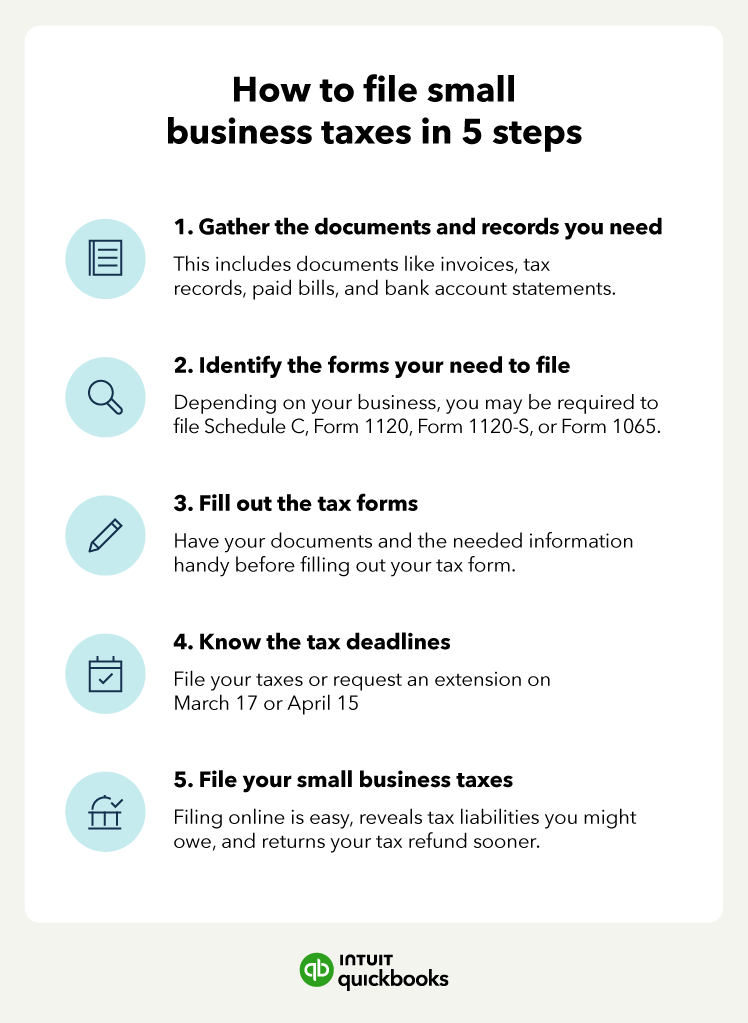
If your financial life involves “Money” in more complex forms—such as stock trading, cryptocurrency, or a side hustle—the question of where to file becomes even more critical. You need a platform capable of handling Schedule C (Profit or Loss from Business) and Schedule D (Capital Gains and Losses).
Managing 1099 Forms and Freelance Income
The “Gig Economy” has changed the tax landscape. If you earn income from Uber, Airbnb, or freelance consulting, you are essentially a small business owner in the eyes of the IRS. In this case, you should file on platforms that offer robust business expense tracking.
Software like QuickBooks Self-Employed integrates directly with TurboTax, allowing you to track mileage and expenses throughout the year and export them directly into your tax return. This integration is vital for ensuring you don’t overpay on self-employment taxes, which can be a significant drain on your net income.
Capital Gains, Crypto, and Real Estate Considerations
Investors dealing with high volumes of trades or decentralized finance (DeFi) transactions need specialized tools. Many general tax platforms now partner with crypto-tax aggregators like CoinLedger or Koinly. When deciding where to file, ensure the platform allows for the bulk upload of 1099-B forms. Filing these manually is prone to error and incredibly time-consuming. For real estate investors, filing through a platform that handles depreciation and multi-state rental income is non-negotiable for maintaining a healthy bottom line.
When to Move Beyond Software: Professional Tax Assistance
Sometimes, the best place to file taxes isn’t an “app” or a “website,” but a professional’s office. As your net worth grows and your financial instruments become more sophisticated, the “DIY” approach may carry hidden costs.
Hiring a CPA or Enrolled Agent
A Certified Public Accountant (CPA) or an Enrolled Agent (EA) is recommended if you own multiple businesses, have foreign assets, or are dealing with complex estate planning. Unlike software, a human professional can offer year-round tax planning advice. They don’t just tell you where to file; they tell you how to structure your finances to minimize future liability. This is a proactive financial strategy rather than a reactive annual chore.
VITA and TCE Programs for Community Support
For those who cannot afford professional software or a CPA, the Volunteer Income Tax Assistance (VITA) and Tax Counseling for the Elderly (TCE) programs offer free tax help. These programs are staffed by IRS-certified volunteers and are typically located at community centers, libraries, and schools. They are an invaluable resource for low-to-moderate-income individuals and seniors, providing a safe and reliable “where” for those who might otherwise struggle with the digital divide.
Digital Security and Preparing Your Financial Documents
Regardless of where you choose to file, the security of your financial data is paramount. Your tax return contains your Social Security number, income details, and bank account information—the ultimate prize for identity thieves.
Protecting Your Identity from Tax Fraud
Before you enter your data into any platform, ensure you are using a secure, private internet connection. Avoid public Wi-Fi at all costs when filing. Additionally, many experts recommend filing as early as possible. By filing early, you “lock” your Social Security number with the IRS, preventing a fraudster from filing a fake return in your name and claiming your refund.
Essential Documents for a Seamless Filing Process
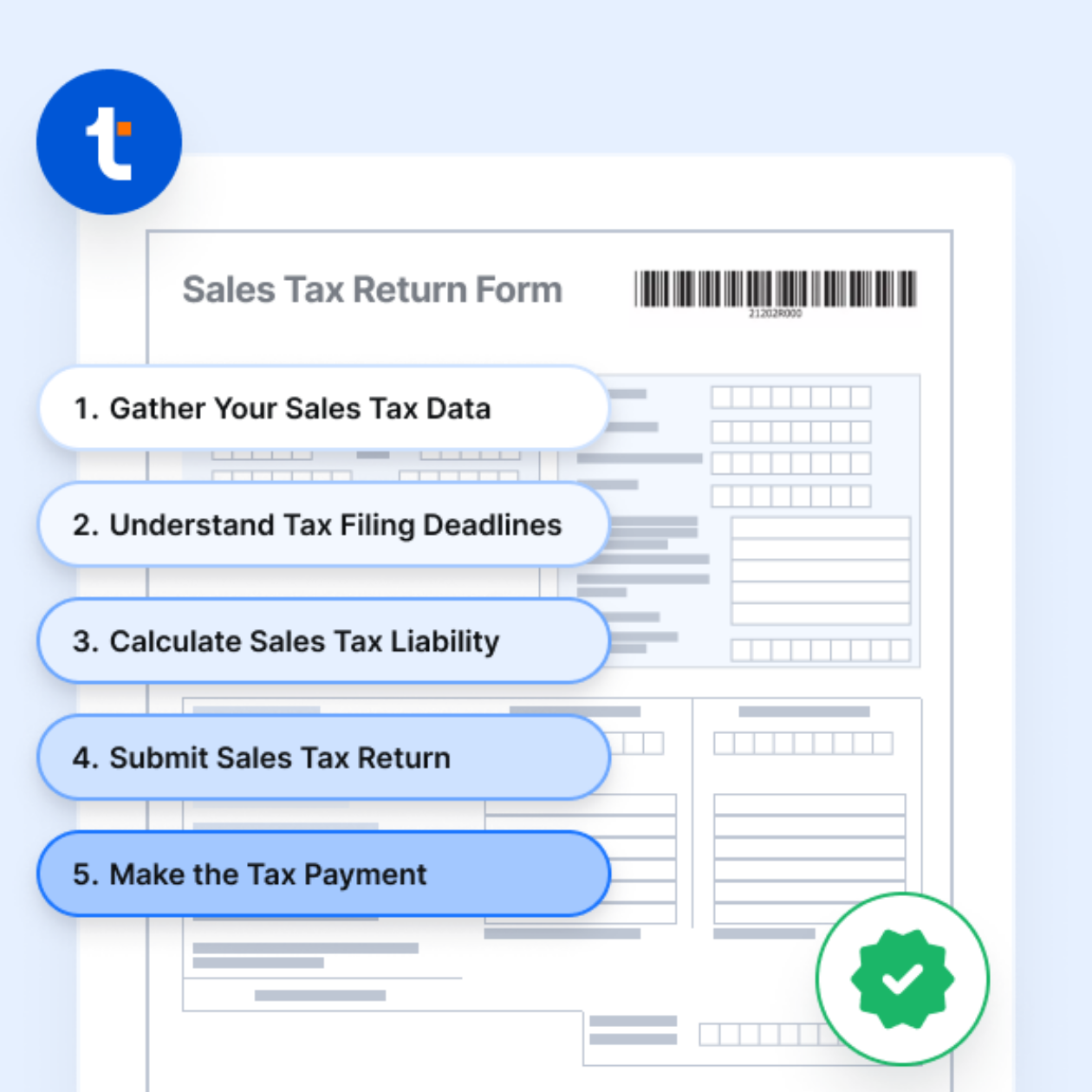
Efficiency in filing is built on preparation. Before logging into your chosen platform, gather the following:
- Income Statements: W-2s from employers and 1099s from freelance work or investments.
- Adjustment Documents: Records of student loan interest, HSA contributions, and IRA contributions.
- Deduction Records: If you are itemizing, you need receipts for charitable donations, medical expenses, and mortgage interest (Form 1098).
- Identity Verification: Your prior year’s Adjusted Gross Income (AGI) is often required to “sign” your electronic return.
Conclusion: Choosing the Right Venue for Your Wealth
The question “Where do I file taxes?” is ultimately a question of matching your financial complexity with the right technology or professional service. If your goal is to maximize your personal finance health, don’t view filing as a mere administrative hurdle. Instead, see it as an annual financial audit.
For the budget-conscious with simple returns, IRS Free File or Cash App Taxes are unbeatable. For the busy professional or small business owner, TurboTax or H&R Block provide the automation and peace of mind that justify their cost. And for the high-net-worth individual or the complex entrepreneur, a CPA remains the gold standard for long-term wealth preservation. By choosing the right platform, you ensure that you remain in control of your money, your data, and your financial future.
aViewFromTheCave is a participant in the Amazon Services LLC Associates Program, an affiliate advertising program designed to provide a means for sites to earn advertising fees by advertising and linking to Amazon.com. Amazon, the Amazon logo, AmazonSupply, and the AmazonSupply logo are trademarks of Amazon.com, Inc. or its affiliates. As an Amazon Associate we earn affiliate commissions from qualifying purchases.