
Navigating the complexities of the Internal Revenue Service (IRS) can often feel like a daunting task for even the most financially savvy individuals. As the deadline for federal tax submissions approaches, the most fundamental question remains: “Where do I file my federal tax return?” The answer has evolved significantly over the last decade, transitioning from a predominantly paper-based system to a sophisticated digital infrastructure. Understanding your options—ranging from free government-sponsored tools to high-end commercial software—is essential for ensuring compliance, maximizing your return, and protecting your financial data.
The modern tax landscape is defined by efficiency and accessibility. Whether you are a salaried employee with a straightforward W-2, a freelancer navigating the world of 1099s, or a high-net-worth investor with a complex portfolio, the method you choose for filing dictates not only where your data goes but how quickly you receive your refund.
Choosing the Right Platform: Digital vs. Manual Filing
In the current financial era, the IRS strongly encourages electronic filing, commonly referred to as e-file. According to recent data, over 90% of individual taxpayers now file their returns electronically. The primary advantage of e-filing is the significant reduction in processing time and the minimization of mathematical errors, which are far more common in handwritten returns.
The IRS Free File Program
For many Americans, the most cost-effective way to file is through the IRS Free File program. This is a public-private partnership between the IRS and several tax preparation software companies. If your Adjusted Gross Income (AGI) falls below a certain threshold—typically $79,000 for the most recent tax year—you are eligible to use brand-name software at no cost to file your federal return.
This program is designed to democratize tax preparation, ensuring that personal finance management is accessible to all income brackets. When using Free File, the “where” is a secure web portal hosted by the participating software provider, which then transmits your encrypted data directly to the IRS servers. This method provides the highest level of security and the fastest route to a refund, particularly when paired with direct deposit.
Commercial Tax Preparation Software
For those whose income exceeds the Free File threshold or who have more complex financial situations—such as rental properties, capital gains from cryptocurrency, or intricate business expenses—commercial software like TurboTax, H&R Block, or TaxSlayer remains the preferred choice.
These platforms act as an intermediary. When you “file” through these services, you are essentially submitting your data to their secure cloud infrastructure. The software performs comprehensive logic checks to identify potential deductions and credits you might have missed. Once finalized, the software uses the IRS Modernized e-File (MeF) system to transmit the return. The advantage here is the user interface; these tools translate the dense language of tax code into a guided interview process, making the “where” of filing as simple as clicking a “Submit” button from your home office.
The New IRS Direct File Pilot
In an effort to further modernize the relationship between the taxpayer and the government, the IRS has recently introduced a “Direct File” pilot program in select states. This initiative allows taxpayers to file their federal returns directly with the IRS for free, bypassing third-party software altogether. This represents a significant shift in the personal finance world, as it moves the filing process into a government-owned digital space. While currently limited in scope, it signals a future where the answer to “where do I file” might be a single, unified government dashboard.
Where to Mail Paper Returns: A State-by-State Logistics Overview
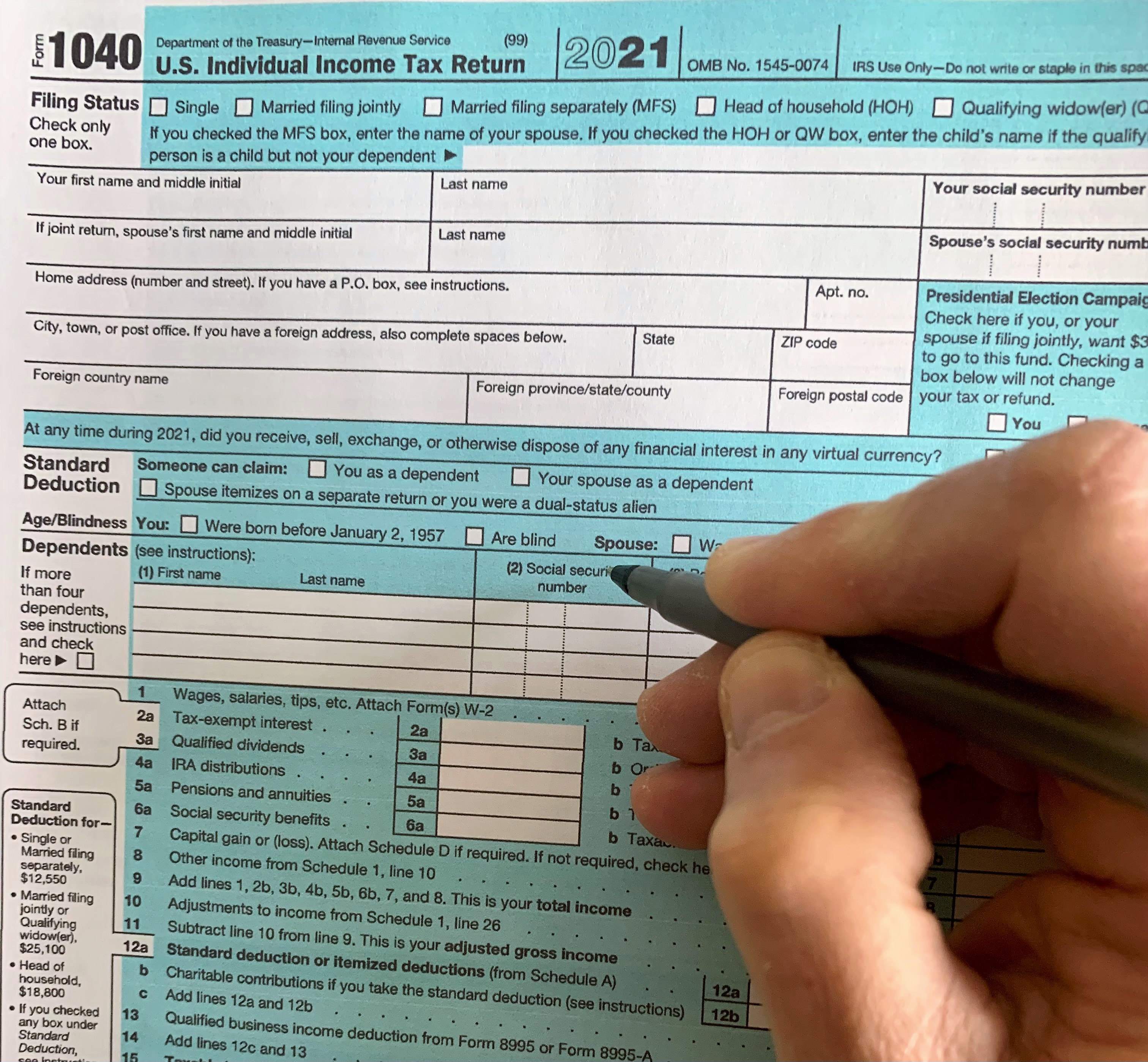
Despite the digital revolution, a small percentage of taxpayers still prefer—or are required—to file paper returns. This might include individuals filing certain amended returns that cannot yet be e-filed, or those who simply prefer the tactile nature of physical records. If you are filing a paper Form 1040, the “where” depends entirely on your state of residence and whether you are enclosing a payment.
Determining Your Mailing Address Based on Residency
The IRS operates several processing centers across the United States, primarily in Austin, TX; Kansas City, MO; and Ogden, UT. The specific address you use is determined by the geography of your home. For example, a taxpayer living in Florida will mail their return to a different service center than a taxpayer living in California.
It is critical to verify the current mailing address on the official IRS website or in the instructions for Form 1040. These addresses can change from year to year as the IRS redistributes its workload across regional centers. If you send your return to the wrong center, it will eventually be forwarded, but this can add weeks or even months to the processing time of your return.
When to Opt for Physical Filing Over Digital
While e-filing is the gold standard for speed, physical filing is sometimes necessary for specific administrative reasons. For instance, if you are required to attach physical documentation that cannot be scanned or if you are filing a return for a deceased taxpayer where specific original signatures are needed, the mail becomes your primary channel.
When mailing a return, it is a best practice in financial management to use a trackable mailing service, such as USPS Certified Mail with a Return Receipt. This provides legal proof that your return was filed on time, which is essential if the document is lost in transit or if the IRS claims a late filing. In the eyes of the law, the “postmark rule” applies: as long as the envelope is postmarked by the filing deadline, it is considered filed on time, regardless of when it arrives at the IRS facility.
Emerging Trends in Tax Technology and Financial Management
The act of filing a tax return is no longer an isolated event; it is now an integrated part of a broader digital financial ecosystem. As technology continues to permeate the world of personal finance, the tools we use to file are becoming more intelligent and more secure.
The Impact of Automation on Personal Finance
Many modern financial tools now offer “tax-loss harvesting” and automatic tracking of deductible expenses throughout the year. These tools often sync directly with tax filing software. This means the “where” of filing is increasingly becoming a continuous process of data collection rather than a frantic scramble in April. By using apps that track business mileage or categorize side-hustle expenses in real-time, the final step of filing becomes a data transfer rather than a manual entry task. This automation reduces the likelihood of audits and ensures that taxpayers are maximizing their liquidity by claiming all eligible credits.
Security Protocols for Protecting Your Financial Data
As tax filing has moved online, the security of where you file has become paramount. Identity theft and tax refund fraud are significant concerns in the digital age. To combat this, both the IRS and private software providers have implemented multi-factor authentication (MFA) and Identity Protection PINs (IP PINs).
When you choose a digital filing location, you are also choosing a security partner. Leading financial platforms invest millions in encryption and intrusion detection to ensure that your Social Security number and bank account details remain private. Understanding the security protocols of your chosen filing method is a critical component of modern financial literacy. Always ensure the website URL ends in .gov for official resources or has a verified SSL certificate for commercial software.
Managing Post-Filing Logistics: Tracking Refunds and Future Planning
Once the question of “where do I file” is answered and the submission is complete, the focus shifts to the lifecycle of the return. Professional financial management involves tracking the status of your return and using the data to inform your budget for the coming year.
Utilizing “Where’s My Refund?” and Direct Deposit
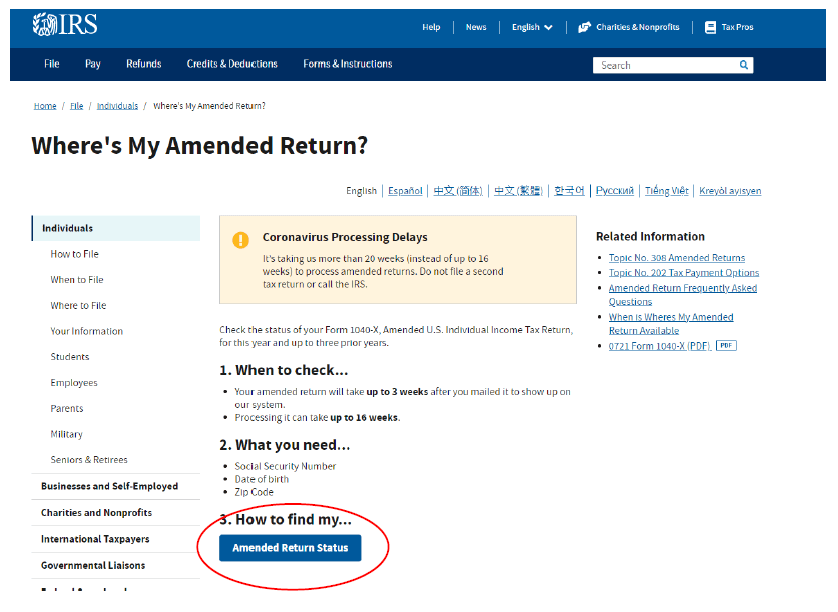
The IRS provides a digital tool called “Where’s My Refund?” which allows taxpayers to track the status of their return starting 24 hours after an e-filed return is received. This tool provides a transparent look into the IRS processing system, moving from “Return Received” to “Refund Approved” to “Refund Sent.”
For those looking to optimize their personal cash flow, selecting direct deposit is the most efficient choice. By providing your routing and account numbers during the filing process, you bypass the delays associated with the postal service and manual check processing. In most cases, e-filing combined with direct deposit results in a refund within 21 days.

Adjusting Withholdings for the Upcoming Year
A tax return is essentially a final accounting of the previous year’s financial activity. Once you have filed, the data you’ve compiled provides an excellent opportunity to review your financial health. If you received a very large refund, it means you essentially gave the government an interest-free loan throughout the year. Conversely, if you owed a significant amount, you may be subject to underpayment penalties.
The final step in the filing process is using the IRS Tax Withholding Estimator to adjust your Form W-4 with your employer. By fine-tuning your withholdings based on the results of your latest return, you can ensure that more money stays in your pocket during each pay period, allowing for more consistent investing and debt repayment strategies. In the world of finance, filing your return isn’t just about meeting a legal obligation; it’s about gathering the intelligence necessary to build a more robust and efficient personal wealth strategy for the future.
aViewFromTheCave is a participant in the Amazon Services LLC Associates Program, an affiliate advertising program designed to provide a means for sites to earn advertising fees by advertising and linking to Amazon.com. Amazon, the Amazon logo, AmazonSupply, and the AmazonSupply logo are trademarks of Amazon.com, Inc. or its affiliates. As an Amazon Associate we earn affiliate commissions from qualifying purchases.