
The allure of the stock market is undeniable. For many, it represents a pathway to wealth accumulation, financial independence, and a deeper understanding of the economic world. However, for those new to investing, the sheer volume of information and the perceived complexity can be overwhelming. The fundamental question, “Where do I buy stocks?” is often the first hurdle, yet it’s a gateway to a lifelong journey of financial growth and education. This article aims to demystify the process, guiding you from understanding the basics to executing your first trade and building a robust investment strategy.

Understanding the Foundation of Stock Investing
Before diving into the “how-to,” it’s crucial to grasp the fundamental concepts that underpin stock market investing. A solid understanding here will empower you to make informed decisions and build a more resilient portfolio.
What is a Stock?
At its core, a stock represents a fractional ownership in a company. When you buy a share of stock, you’re buying a tiny piece of that business. Companies issue stocks primarily to raise capital to fund their operations, expand, or develop new products. As an owner, albeit a small one, you have a claim on the company’s assets and earnings, and in some cases, voting rights on corporate matters. The value of a stock can fluctuate based on the company’s performance, industry trends, economic conditions, and investor sentiment. Investors hope to profit from stock investments in two main ways: through capital appreciation (when the stock price increases and they sell it for more than they paid) and through dividends (a portion of the company’s profits distributed to shareholders).
Why Invest in Stocks?
Investing in stocks offers several compelling advantages, making it a cornerstone of many successful financial plans. Historically, stocks have provided a higher return over the long term compared to other asset classes like bonds or savings accounts, offering a powerful hedge against inflation. They allow individuals to participate in the growth of successful businesses and economies. Moreover, stocks can provide diversification within an investment portfolio, helping to spread risk across various companies and industries. While past performance is no guarantee of future returns, the potential for significant wealth creation through compounding returns makes stock investing an attractive proposition for long-term financial goals such such as retirement planning, funding education, or purchasing a home.
Key Considerations Before Investing
Embarking on your stock investing journey requires a thoughtful assessment of your personal financial situation and goals. Firstly, define your financial objectives: are you saving for a short-term goal (e.g., a down payment in 3 years) or a long-term one (e.g., retirement in 30 years)? This will influence your investment horizon and risk tolerance. Your risk tolerance—your comfort level with potential losses in exchange for higher returns—is paramount. Younger investors with a longer time horizon might tolerate more risk, while those nearing retirement might prefer a more conservative approach. Lastly, assess the capital you have available for investment. It’s crucial to only invest money you can afford to lose and to ensure you have an adequate emergency fund (typically 3-6 months of living expenses) set aside before putting money into the market. Starting small and gradually increasing your investments as your understanding and confidence grow is a prudent strategy.
Navigating the Platforms: Where to Buy Stocks
Once you understand the ‘why,’ the next logical step is to determine the ‘where.’ The financial landscape offers a variety of platforms tailored to different investor needs and experience levels. Choosing the right platform is critical for a smooth and effective investing experience.
Online Brokerage Accounts
For the vast majority of individual investors, an online brokerage account is the most common and accessible way to buy stocks. These platforms allow you to open an account, deposit funds, and buy or sell stocks, ETFs (Exchange Traded Funds), mutual funds, and other securities directly from your computer or mobile device. Online brokers generally fall into two categories:
- Discount Brokers: These platforms offer low fees, often commission-free trading for stocks and ETFs, and a wide array of self-service tools, research, and educational resources. They are ideal for investors who prefer to manage their own portfolios.
- Full-Service Brokers: These brokers provide more personalized advice, financial planning services, and direct access to human advisors, often at a higher cost. They are suitable for investors seeking comprehensive guidance and wealth management.
When choosing an online broker, consider factors like fees (commissions, maintenance fees, transfer fees), the breadth of investment options, the quality of research and analytical tools, the user-friendliness of their platform and mobile app, and the responsiveness of their customer service.
Robo-Advisors
Robo-advisors offer an automated, algorithm-driven approach to investment management, making them an excellent choice for beginners or those who prefer a hands-off investing experience. After you answer a series of questions about your financial goals, risk tolerance, and time horizon, a robo-advisor will construct and manage a diversified portfolio of low-cost ETFs. They typically handle portfolio rebalancing, dividend reinvestment, and even tax-loss harvesting automatically. While they offer less personalization than human financial advisors, their low fees (often a small percentage of assets under management) and ease of use make them a highly attractive option for building a diversified portfolio without extensive knowledge of individual stocks.
Direct Stock Purchase Plans (DSPPs)
Some companies offer Direct Stock Purchase Plans (DSPPs), which allow investors to buy shares directly from the company itself, often without going through a broker. These plans can be beneficial for long-term investors interested in accumulating shares of a specific company, as they sometimes allow for small, regular investments and reinvestment of dividends. However, DSPPs are not available for all companies, and the fees and investment options can vary significantly. They are less flexible than brokerage accounts, as they limit you to investing in a single company or a small group of companies within that plan.
Employer-Sponsored Plans
Many employers offer investment plans that include options to invest in stocks, either through specific company stock or through diversified stock funds. Common examples include 401(k)s, 403(b)s, and Employee Stock Purchase Plans (ESPPs). These plans often come with significant benefits, such as tax advantages (contributions are often tax-deductible or tax-deferred) and employer matching contributions, which essentially provide free money. While these are excellent vehicles for long-term savings and retirement, they typically offer a limited selection of investment options compared to a personal brokerage account. It’s wise to fully utilize any employer match available before exploring other investment avenues.
The Mechanics of Buying Your First Stock
Once you’ve chosen your platform, the actual process of buying a stock involves a few distinct steps. Understanding these mechanics will ensure you navigate your first trades with confidence.
Opening and Funding Your Brokerage Account

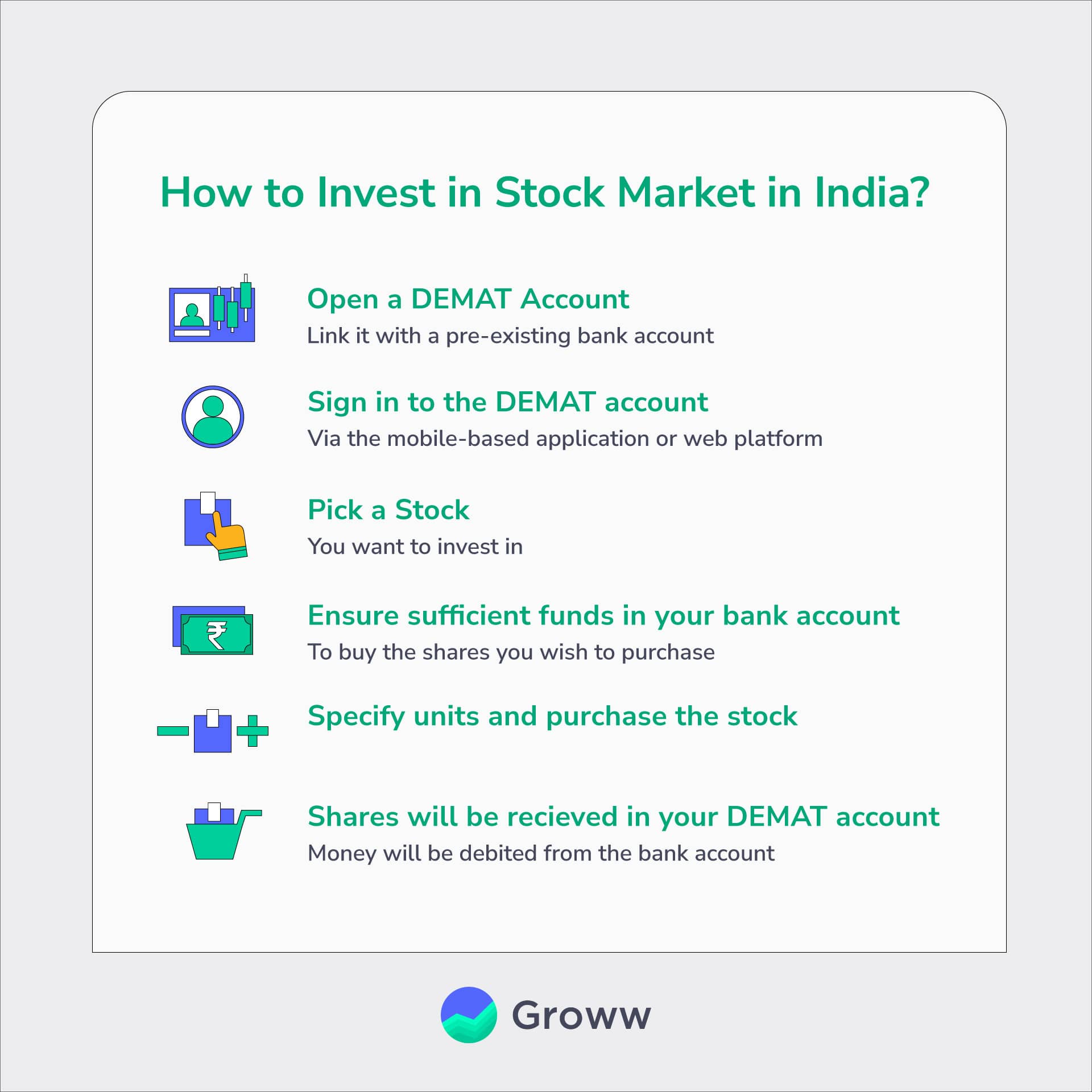
The first step is to open an investment account. This typically involves an online application where you’ll provide personal information such such as your name, address, Social Security number, and employment details. You’ll also likely need to upload identification documents. Once your account is approved, you’ll need to fund it. This is usually done by linking your bank account (checking or savings) and initiating an electronic transfer (ACH), wire transfer, or by mailing a check. The type of account you open is also important; common options include a taxable brokerage account, a Traditional IRA (Individual Retirement Account), or a Roth IRA, each with different tax implications. Choose the one that aligns with your financial goals and tax situation.
Placing a Trade
With funds in your account, you’re ready to place a trade. You’ll search for the company you wish to invest in using its stock symbol (often called a “ticker”). For example, Apple is AAPL. When buying, you’ll generally encounter two main order types:
- Market Order: This instructs your broker to buy or sell shares immediately at the best available current market price. While it ensures execution, the exact price might vary slightly from what you see due to market fluctuations.
- Limit Order: This allows you to set a maximum price you’re willing to pay for a stock (or a minimum price you’re willing to sell it for). Your order will only be executed if the stock reaches that specific price or better. Limit orders provide more control over the price but don’t guarantee execution if the stock never reaches your specified limit.
For most new investors, a limit order offers a safer way to buy, ensuring you don’t overpay for a stock in a volatile market. Always double-check the ticker symbol, the number of shares, and the order type before confirming your trade.
Understanding Costs and Fees
Even with commission-free trading becoming the norm for many online brokers, there are still various costs and fees associated with investing that you need to be aware of. While you might not pay a per-trade commission for stocks and ETFs, you might encounter expense ratios for mutual funds and ETFs, which are annual fees charged as a percentage of your investment within the fund. Some brokers might charge account maintenance fees, inactivity fees, or fees for transferring funds or closing an account. Always read the fee schedule carefully provided by your broker. Being aware of these costs helps you calculate your true return on investment and avoid any surprises.
Building a Resilient Investment Strategy
Simply buying stocks is only the first step. To achieve long-term financial success, you need a thoughtful and disciplined investment strategy that adapts to market conditions and your evolving financial goals.
Diversification: Don’t Put All Your Eggs in One Basket
Diversification is perhaps the most fundamental principle of prudent investing. It means spreading your investments across various assets, industries, and geographies to minimize risk. If one investment performs poorly, the impact on your overall portfolio is mitigated by the performance of others. You can diversify by investing in a mix of individual stocks from different sectors (e.g., technology, healthcare, consumer staples), through broad market ETFs or mutual funds that hold hundreds or thousands of different stocks, and by allocating some capital to other asset classes like bonds or real estate. This strategy doesn’t guarantee profits or protect against losses, but it significantly reduces the impact of any single investment’s poor performance.
Long-Term vs. Short-Term Investing
A crucial aspect of your strategy is your investment horizon. Long-term investing, typically spanning years or even decades, capitalizes on the power of compounding and allows you to ride out short-term market volatility. This approach emphasizes growth and is often favored for retirement planning. Short-term investing, on the other hand, involves buying and selling stocks quickly, often within days or weeks, to profit from rapid price movements. This is a much riskier and more speculative approach, often associated with day trading, and generally not recommended for novice investors due to its high degree of risk and the significant time and expertise required. Most financial advisors advocate for a long-term approach for individual investors.
The Power of Dollar-Cost Averaging
Dollar-cost averaging is a simple yet powerful strategy where you invest a fixed amount of money at regular intervals (e.g., $100 every month), regardless of the stock’s price. When the price is high, your fixed amount buys fewer shares; when the price is low, it buys more shares. Over time, this strategy helps to average out your purchase price, reducing the risk associated with trying to “time the market” (i.e., trying to buy at the absolute lowest point). It’s an excellent discipline for building wealth steadily and consistently, taking the emotion out of investing and leveraging market fluctuations to your advantage.
Continuous Learning and Monitoring
The stock market is dynamic, constantly influenced by economic data, geopolitical events, and company-specific news. As an investor, it’s vital to commit to continuous learning. Stay informed about the companies you invest in, understand broader economic trends, and regularly review your portfolio to ensure it aligns with your goals and risk tolerance. This doesn’t mean obsessively checking stock prices daily, which can lead to emotional decisions. Instead, schedule periodic reviews—quarterly or semi-annually—to assess performance, rebalance your portfolio if necessary, and adjust your strategy as your life circumstances change. Educating yourself about financial principles, market history, and investment theories will serve you well throughout your investing journey.
Important Considerations and Common Pitfalls
As you progress in your investing journey, it’s important to be aware of potential challenges and common mistakes to avoid. Knowledge and discipline are your best defenses.
Taxes on Investments
One of the most overlooked aspects by new investors is the tax implications of their investments. Profits from selling stocks are generally subject to capital gains taxes. Short-term capital gains (from assets held for one year or less) are typically taxed at your ordinary income tax rate, while long-term capital gains (from assets held for more than one year) are usually taxed at lower, preferential rates. Dividends received from stocks are also generally taxable. Understanding these tax rules, and potentially leveraging tax-advantaged accounts like IRAs or 401(k)s, can significantly impact your net returns. It’s always advisable to consult with a tax professional to understand your specific tax obligations.
Risk Management
Investing inherently involves risk. While stocks offer high growth potential, they also come with market risk (the risk that the overall market declines), company-specific risk (the risk that a particular company performs poorly), and inflation risk (the risk that your returns don’t keep pace with inflation). A critical rule of thumb is never to invest money you cannot afford to lose. This means having an emergency fund in place and not using funds earmarked for essential living expenses or short-term needs for stock investments. Avoid emotional decisions driven by fear or greed. Panicking during market downturns and selling at a loss, or chasing “hot” stocks without proper research, are common pitfalls that can derail your financial progress.
The Importance of a Financial Plan
Investing in stocks should not happen in isolation. It should be an integral part of a comprehensive personal financial plan. Before you even consider buying stocks, ensure you have a solid financial foundation: manageable debt, an emergency fund, and clear financial goals. Your investment strategy should align with your overall financial objectives, whether that’s saving for retirement, a down payment, or a child’s education. A well-thought-out financial plan acts as a roadmap, helping you stay focused, make rational decisions, and measure your progress toward achieving financial security and independence. Regularly review and update your plan as your life circumstances and goals evolve.
In conclusion, the question “Where do I buy stocks?” opens the door to a world of financial opportunity. By understanding the fundamentals, choosing the right platform, mastering the mechanics of trading, and building a disciplined strategy, you can confidently embark on your journey to wealth creation. Remember, investing is a marathon, not a sprint. Start small, stay informed, diversify wisely, and commit to continuous learning. Your financial future is in your hands.
aViewFromTheCave is a participant in the Amazon Services LLC Associates Program, an affiliate advertising program designed to provide a means for sites to earn advertising fees by advertising and linking to Amazon.com. Amazon, the Amazon logo, AmazonSupply, and the AmazonSupply logo are trademarks of Amazon.com, Inc. or its affiliates. As an Amazon Associate we earn affiliate commissions from qualifying purchases.