
Investing in tangible assets like silver coins has captivated individuals for centuries, serving as a hedge against inflation, a store of value, and a critical component of a diversified investment portfolio. In an increasingly digital world, the enduring appeal of physical silver remains strong, drawing investors seeking a tangible asset that is universally recognized and holds intrinsic value. However, for those new to the world of precious metals, the initial question often arises: “Where do I buy silver coins?” This guide aims to demystify the purchasing process, providing a professional, insightful, and engaging overview of the most reputable and secure avenues for acquiring silver coins, along with crucial considerations for a successful investment journey.
Understanding the Allure of Silver as an Investment
Before delving into where to buy silver coins, it’s essential to understand why silver holds such a compelling position in the investment landscape. Its dual role as both a monetary metal and an industrial commodity gives it a unique market dynamic, distinct from gold.
Why Invest in Silver?
Silver’s appeal as an investment stems from several key characteristics. Firstly, it acts as a traditional hedge against inflation and economic uncertainty. When fiat currencies lose purchasing power, precious metals often retain or even increase their value, preserving wealth. Secondly, silver offers a more accessible entry point into the precious metals market compared to gold, allowing investors with smaller capital to participate. This affordability makes it an attractive option for regular, consistent accumulation.
Beyond its monetary role, silver is an indispensable industrial metal. It’s vital in countless modern technologies, including solar panels, electronics, medical devices, and electric vehicles. This strong industrial demand provides a fundamental floor for its price, distinguishing it from pure monetary assets. Furthermore, silver often exhibits higher volatility than gold, which can present greater profit opportunities for investors who time the market effectively, albeit with increased risk. Lastly, holding physical silver offers tangible security. Unlike stocks or bonds, it doesn’t carry counterparty risk; you physically possess the asset, providing a sense of security and control, particularly during times of geopolitical instability or financial crisis.
Types of Silver Products for Investors
When considering an investment in physical silver, it’s important to differentiate between the various forms available. While silver can be purchased as bars, rounds, or even granulated silver, silver coins are particularly popular among investors for several reasons.
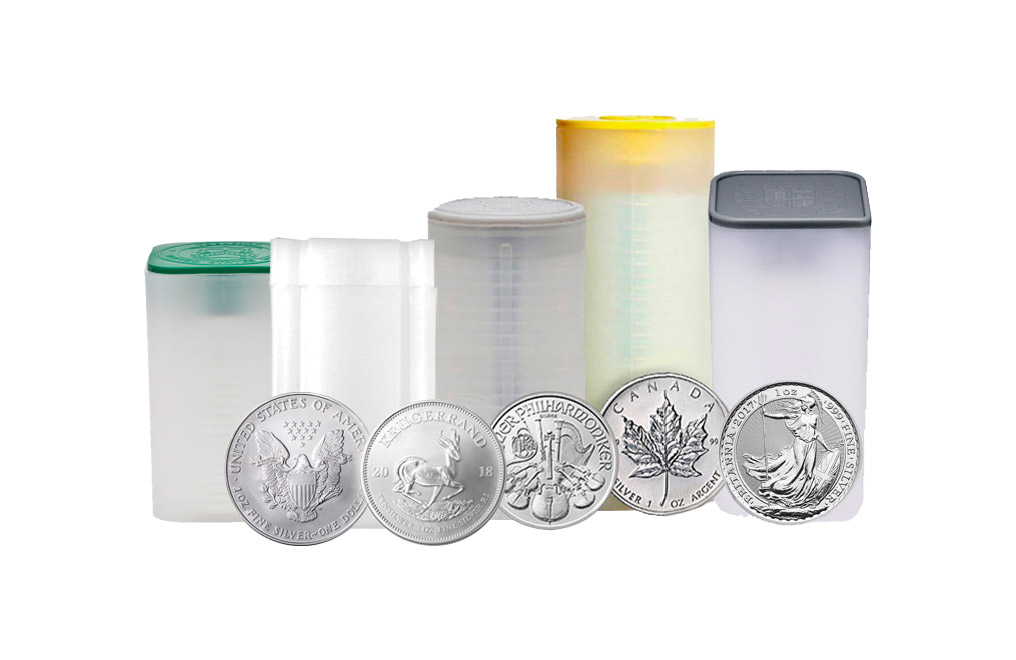
- Bullion Coins vs. Numismatic Coins: For most investors focused on silver’s intrinsic metal value, bullion coins are the preferred choice. These coins are minted by government entities, such as the U.S. Mint or the Royal Canadian Mint, and their value is primarily derived from their silver content, typically one troy ounce, plus a small premium. They are usually widely recognized, easy to buy and sell, and have guaranteed purity and weight. Examples include the American Silver Eagle, Canadian Silver Maple Leaf, and Austrian Silver Philharmonic. Numismatic coins, on the other hand, are valued more for their rarity, historical significance, or artistic merit, often commanding prices far exceeding their melt value. While potentially lucrative for collectors, they involve specialized knowledge and higher risk for pure investors.
- Coins vs. Bars vs. Rounds: While this guide focuses on coins, it’s worth noting the differences. Silver bars come in various sizes (1 oz, 10 oz, 100 oz, 1000 oz) and generally carry lower premiums per ounce than coins due to simpler manufacturing. They are ideal for larger investments focused purely on silver weight. Silver rounds are privately minted, coin-shaped pieces that often mimic government coin designs but do not have a face value. They can offer competitive pricing but may lack the instant recognizability and liquidity of government-issued bullion coins. For new investors, bullion coins often strike the best balance between liquidity, authenticity assurance, and affordability.
Reputable Avenues for Purchasing Silver Coins
Having understood the “why,” the next crucial step is identifying the “where.” The market for precious metals is robust, offering several reliable channels to purchase silver coins, each with its own advantages and considerations.
Online Bullion Dealers
The most popular and often most competitive route for purchasing silver coins today is through online bullion dealers. These specialized retailers operate large-scale e-commerce platforms, offering a vast inventory, competitive pricing, and unparalleled convenience.
- Advantages: Online dealers typically offer the widest selection of coins from various mints worldwide, allowing investors to compare different types and choose based on their preferences. Their overheads are often lower than physical stores, which translates into more competitive pricing (lower premiums over spot price). The convenience of ordering from home 24/7 and having the coins delivered securely is a significant draw. Reputable dealers also provide transparent pricing, often updated in real-time with market fluctuations.
- Key Considerations: When buying online, reputation and trust are paramount. Look for dealers with a long history, excellent customer reviews (on independent platforms like Trustpilot or the Better Business Bureau), and clear policies on shipping, insurance, and returns. Popular and trusted names in the industry include JM Bullion, SD Bullion, APMEX, and Golden State Mint. Always verify their physical address, contact information, and security protocols for online transactions. Understand their shipping and insurance policies; reputable dealers fully insure shipments until they are signed for by the customer. Familiarize yourself with their payment options (bank wire, credit card, e-check, cryptocurrency) and any associated fees or processing times.
Local Coin Shops (LCS)
For those who prefer a more personal touch or immediate gratification, local coin shops (LCS) remain a viable option. These brick-and-mortar establishments offer a different set of advantages.
- Advantages: The primary benefit of an LCS is the ability to take immediate possession of your purchase. You can physically inspect the coins before buying, addressing any concerns about authenticity or condition. Building a relationship with a trusted local dealer can provide access to expert advice, market insights, and sometimes even exclusive inventory. Furthermore, you avoid shipping costs and the waiting period associated with online orders. For investors who prefer privacy, cash transactions at an LCS can be appealing.
- Key Considerations: Inventory at an LCS can be more limited compared to online dealers, meaning you might not find specific coins or larger quantities readily available. Premiums might also be slightly higher due to their higher operating costs. Always compare prices with online dealers to ensure you’re getting a fair deal. Just like online, trustworthiness is crucial. Seek out shops with a good local reputation, transparent pricing, and knowledgeable staff. Don’t be afraid to ask questions and inspect the coins thoroughly.
National Mints & Government Retailers
Directly purchasing from national mints or their authorized distributors is another avenue, particularly for those seeking specific sovereign coins.
- Advantages: Buying directly from mints like the U.S. Mint, Royal Canadian Mint, or Perth Mint guarantees authenticity and quality, as you are purchasing straight from the source. This can be especially appealing for collectors or those who want absolute assurance of provenance. Mints often release special editions or collector’s versions of their bullion coins, which can sometimes appreciate beyond their metal value.
- Key Considerations: The primary drawback is often higher premiums compared to large online bullion dealers, as mints may focus more on retail pricing than bulk investor pricing. Their inventory is also limited to their own products, offering less variety if you’re looking for coins from multiple nations. Shipping times and costs can also be a factor, similar to other online purchases.
Online Marketplaces & Auctions (with caution)
Platforms like eBay or specialized online forums (e.g., r/Pmsforsale on Reddit) can offer a vast array of silver coins, sometimes at attractive prices. However, these platforms come with significant risks.
- Advantages: You might find unique items or potentially lower prices from individual sellers. The variety can be immense, catering to both investors and collectors.
- Key Considerations: The risk of encountering counterfeit coins is substantially higher on these platforms. Authenticity is not guaranteed by the platform itself, making thorough due diligence critical. Always scrutinize seller reputation, reviews, and transaction history. Use payment methods that offer buyer protection (e.g., PayPal Goods & Services, credit card disputes). For significant investments, these platforms are generally not recommended unless you are highly experienced in authenticating precious metals or the seller has an impeccable, verified track record specifically for bullion sales.
Key Considerations Before Making Your Purchase
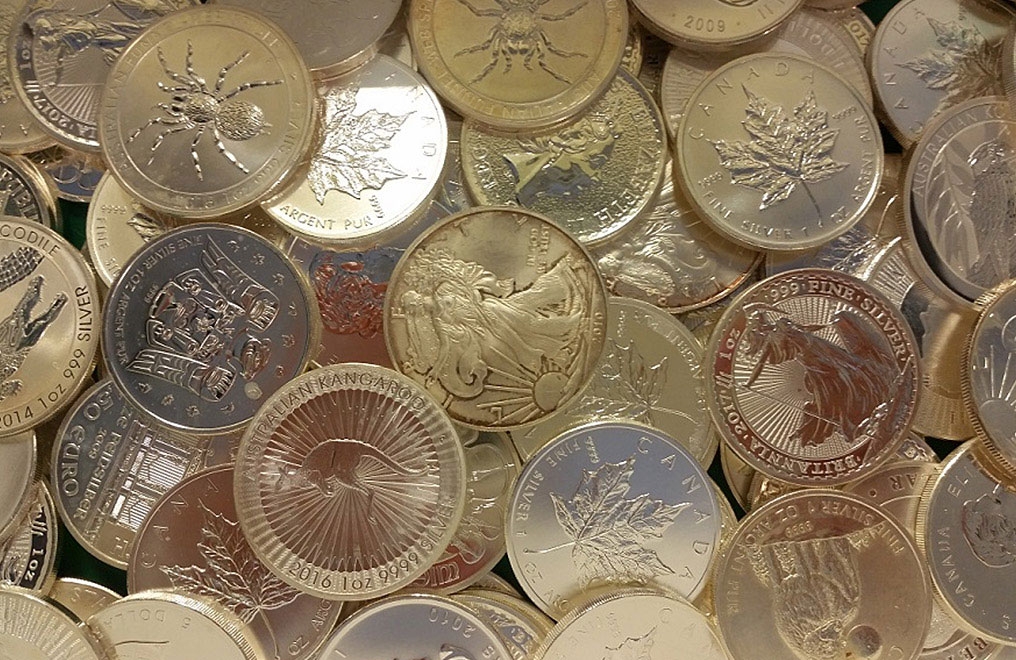
Acquiring silver coins involves more than just finding a seller. Savvy investors understand the nuances that contribute to a successful and secure purchase.
Understanding Premiums and Spot Price
The spot price is the current market price for one troy ounce of silver, typically based on futures contracts. However, you will always pay a premium above the spot price when buying physical silver. This premium covers minting costs, dealer overheads, shipping, and profit margins.
- Factors influencing premiums: Smaller coin sizes (e.g., 1 oz) generally have higher premiums per ounce than larger bars. Popular, highly liquid coins (like the American Silver Eagle) often carry higher premiums due to demand and collector appeal. Market conditions, dealer competition, and supply chain issues can also affect premiums. It’s crucial to compare the total price per ounce (including shipping and any fees) from multiple dealers to find the most competitive offer.
Authenticity and Verification
Ensuring the authenticity of your silver coins is paramount. Reputable dealers guarantee the authenticity of their products. However, investors should be aware of common verification methods.
- Trusted Sources: The best defense against counterfeits is buying from the established, reputable dealers mentioned earlier.
- Physical Properties: Silver has specific weight, diameter, and thickness for standard bullion coins. You can use precision scales and calipers (e.g., a “fisch tester”) to verify these. Magnetic properties: silver is not magnetic, so a strong magnet test can rule out certain base metals.
- Sound Test: Tapping a silver coin can produce a distinct “ping” sound compared to base metals.
- Professional Verification: For significant purchases or if you have any doubt, consider having coins professionally authenticated by a reputable third-party service.
Storage Solutions
Once you own silver coins, secure storage becomes a critical concern. Losing your investment to theft or damage would negate all your efforts.
- Home Safe: For smaller quantities, a well-secured, fire-rated home safe can be an option. Ensure it’s hidden and bolted down. However, be mindful of the limits of your home insurance policy for precious metals.
- Bank Safe Deposit Box: A common solution for many investors, offering professional security and insurance. However, access is limited to bank hours, and the box contents may not be covered by FDIC insurance.
- Third-Party Vaulting Services: Specialized precious metals depositories (e.g., Brinks, Loomis, independent vault companies) offer highly secure, insured storage solutions. This is often recommended for larger investments. They typically provide segregated storage, meaning your specific coins are stored separately. While incurring annual fees, the peace of mind and high level of security can be well worth the cost.
Payment Methods, Shipping, and Tax Implications
- Payment Methods: Bank wires are often preferred by dealers for larger orders as they offer the fastest clearing and usually incur the lowest fees. Credit card purchases are convenient but may come with higher premiums (to cover processing fees) and often have lower transaction limits. Checks and e-checks take longer to clear. Some dealers accept cryptocurrency, offering speed but also price volatility risks during transaction.
- Shipping & Insurance: Always ensure your order is fully insured during transit. Reputable dealers use discreet packaging and require a signature upon delivery to prevent theft. Review their shipping policies carefully.
- Tax Implications: Sales tax on precious metals varies by state/country; some exempt bullion, especially on purchases over a certain amount. Capital gains tax typically applies when you sell silver for a profit. For complex situations or significant investments, consult a tax professional specializing in precious metals to understand your specific obligations.
Popular Silver Bullion Coins to Consider
For those ready to make a purchase, several widely recognized and highly liquid silver bullion coins are excellent choices for investors.
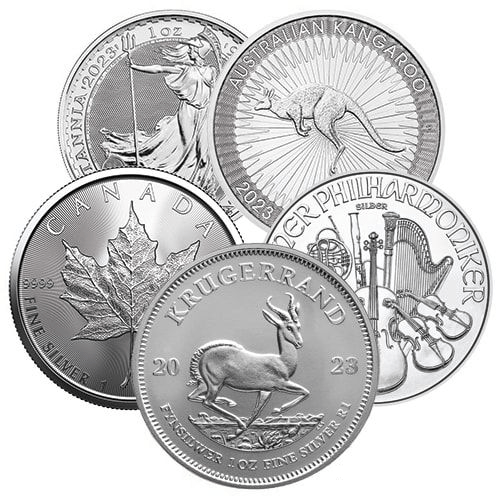
- American Silver Eagle: Issued by the U.S. Mint, it’s one of the most popular and recognizable silver coins globally. It contains one troy ounce of .999 fine silver and carries a face value of one dollar. Its high demand often results in higher premiums, but it boasts excellent liquidity.
- Canadian Silver Maple Leaf: Produced by the Royal Canadian Mint, this coin is renowned for its exceptional purity of .9999 fine silver. It also features advanced security measures, making it difficult to counterfeit.
- Austrian Silver Philharmonic: Europe’s most popular silver bullion coin, issued by the Austrian Mint. It features the instruments of the Vienna Philharmonic Orchestra and contains one troy ounce of .999 fine silver.
- British Silver Britannia: Minted by the Royal Mint, the Britannia has become a favorite among international investors. It contains one troy ounce of .999 fine silver and includes multiple security features.
- Australian Silver Kangaroo/Koala/Kookaburra: The Perth Mint produces a range of high-quality silver bullion coins, including the iconic Silver Kangaroo, as well as annual designs featuring Koalas and Kookaburras. These coins are known for their beautiful designs and consistent quality.
Final Tips for a Successful Silver Coin Investment
Embarking on silver coin investment can be a rewarding endeavor, provided you approach it with prudence and informed decision-making.
Start Small and Learn
Don’t feel pressured to make a large initial investment. Begin with smaller purchases to familiarize yourself with the process, market dynamics, and dealer interactions. Learn about premiums, spot price fluctuations, and storage options before committing significant capital.
Diversify Your Portfolio
While silver offers unique benefits, it should generally be considered a component of a broader, diversified investment portfolio. Balance your precious metals holdings with other asset classes like stocks, bonds, and real estate to mitigate risk.
Stay Informed
The price of silver is influenced by a multitude of factors, including economic data, industrial demand, geopolitical events, and currency strength. Stay informed about global economic trends and news that can impact precious metal prices. Knowledge is power in the investment world.
Read Reviews and Compare Prices
Before every purchase, take the time to compare prices across several reputable dealers. Account for shipping costs, payment method fees, and any applicable taxes to calculate the true “out-the-door” price per ounce. Always read recent customer reviews to gauge a dealer’s reliability and service quality.
In conclusion, buying silver coins is a straightforward process once you understand the various avenues and crucial considerations. By choosing reputable dealers, understanding market dynamics, prioritizing authenticity, and securing proper storage, investors can confidently acquire physical silver, adding a tangible and potentially valuable asset to their financial future. The journey into precious metals investing is one of continuous learning, but with a solid foundation, it can lead to enhanced financial security and portfolio resilience.
aViewFromTheCave is a participant in the Amazon Services LLC Associates Program, an affiliate advertising program designed to provide a means for sites to earn advertising fees by advertising and linking to Amazon.com. Amazon, the Amazon logo, AmazonSupply, and the AmazonSupply logo are trademarks of Amazon.com, Inc. or its affiliates. As an Amazon Associate we earn affiliate commissions from qualifying purchases.