
For most cruise lines, a destination is simply a point on a map—a logistical stop where passengers disembark to explore local culture. For Disney Cruise Line (DCL), however, “where” the ships go is a fundamental component of the brand’s multi-billion-dollar identity. Since its inception, DCL has utilized its itineraries not just as travel routes, but as curated extensions of its storytelling ecosystem. When we ask “where do Disney cruises go,” we are actually asking how The Walt Disney Company strategically deploys its brand equity across the globe to maintain a premium market position.
Disney’s geographic footprint is a masterclass in brand scaling. By meticulously selecting ports that align with the “Disney Magic” and investing heavily in proprietary destinations, the company has created a closed-loop economy of tourism. This strategy ensures that from the moment a guest leaves their home to the moment they return, the brand’s standards of service, safety, and immersion are never compromised.
The Architecture of Immersive Environments: Destination as Brand Extension
The most significant answer to where Disney cruises go lies in the concept of the “Private Island.” In the branding world, this is the ultimate manifestation of “controlling the environment.” Disney does not merely stop at Caribbean ports; they curate entire geographical landscapes to serve as physical representations of their corporate values.
Castaway Cay and Lighthouse Point: Controlling the Ecosystem
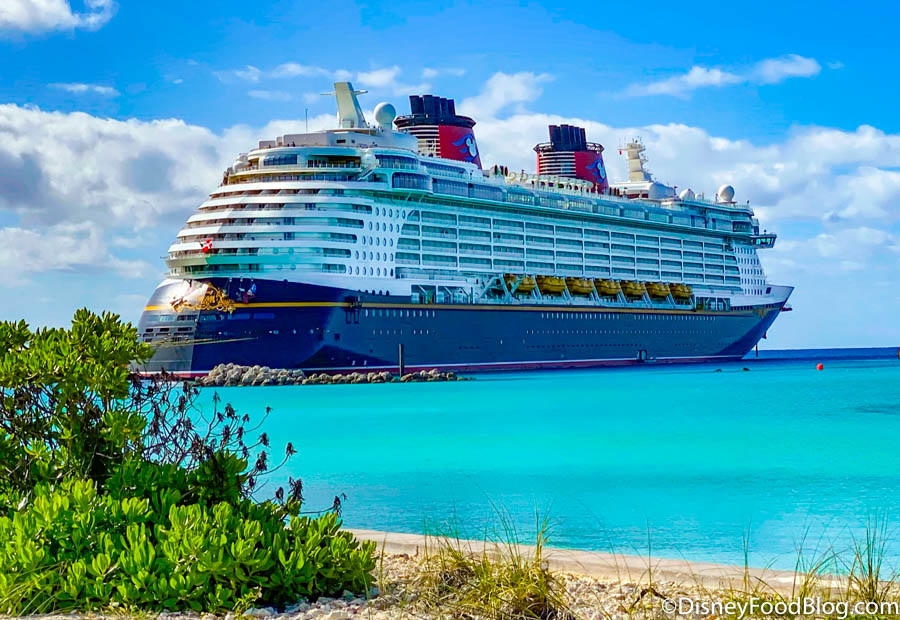
For decades, Castaway Cay in the Bahamas has been the cornerstone of Disney’s brand dominance in the cruise industry. Unlike public ports where the brand must compete with local vendors and varying levels of infrastructure, Castaway Cay is a controlled environment. Every palm tree, beach chair, and structure is designed to reflect the Disney aesthetic.
From a brand strategy perspective, this is “Environmental Branding” at its peak. By owning the destination, Disney eliminates the variables of the outside world. This allows for a seamless transition from the ship to the shore, maintaining the “Disney Bubble.” The recent development of Lookout Cay at Lighthouse Point on Eleuthera further solidifies this strategy. By expanding their private port portfolio, Disney is able to scale its capacity while maintaining the exclusivity that justifies its premium pricing. These locations are not just vacation spots; they are high-performing assets that reinforce the brand’s promise of safety, cleanliness, and organized magic.
Cultivating Exclusive Access in the Caribbean
While the Caribbean is the most saturated cruise market in the world, Disney maintains its brand authority by selecting ports that complement its family-centric narrative. By frequenting locations like Cozumel, Grand Cayman, and Falmouth, Disney positions itself as the gateway to the “safe” and “curated” Caribbean. The brand strategy here is one of curation—Disney filters the local experience through Port Adventures that have been vetted to meet the company’s stringent quality standards. This allows the brand to “go” to popular locations while still offering a proprietary experience that distinguishes them from budget-conscious competitors.
Strategic Diversification: Moving Beyond the “Mickey” Motif
To maintain its status as a premium lifestyle brand, Disney Cruise Line must appeal to more than just families with young children. Where Disney cruises go is often dictated by the need to capture a higher-income, more sophisticated demographic. This is achieved through geographic diversification into markets that offer cultural capital.
The European Grand Tour: Brand Prestige in the Mediterranean
Disney’s expansion into the Mediterranean and Northern Europe is a calculated move to align the brand with luxury and education. When a Disney ship sails to Civitavecchia (Rome), Villefranche (the French Riviera), or the Greek Isles, the brand is leveraging the prestige of these locations to elevate its own image.
In Europe, the branding shifts from “whimsical” to “sophisticated.” The itineraries are designed to appeal to the “Disney Adult” and families seeking a blend of high-end education and brand reliability. By navigating these waters, DCL competes directly with luxury lines like Cunard or Viking, but with the added value of the Disney service model. This expansion allows the company to capture the “Grand Tour” market, positioning the cruise line as a global travel brand rather than just a regional entertainment provider.
Alaska and the Pacific: Leveraging the Adventure Narrative

The brand’s presence in Alaska is a strategic play into the “Adventure and Wellness” trend that has dominated the travel industry over the last decade. By sailing through the Inside Passage and stopping in ports like Juneau, Skagway, and Ketchikan, Disney aligns its brand with environmental stewardship and natural wonder.
From a marketing standpoint, Alaska itineraries allow Disney to utilize the “Explorer” archetype. The destination becomes the star, and the brand acts as the expert guide. This diversification is essential for brand longevity, as it ensures that the Disney Cruise Line remains relevant to guests as they age and their travel preferences evolve from theme-park-style immersion to nature-based exploration.
Emerging Markets and the Logistics of Brand Loyalty
The future of where Disney cruises go is being written in the Eastern Hemisphere. As the brand seeks to become a truly global entity, it is expanding into markets with high growth potential and a burgeoning middle class that is hungry for the Disney brand experience.
The Asian Expansion: Singapore as a Strategic Hub
The announcement of the Disney Adventure homeporting in Singapore represents the most significant geographic shift in the company’s history. This is a move of immense strategic importance. Singapore serves as a hub for the entire Southeast Asian market, allowing Disney to tap into demographics in China, India, and Australia that have previously had limited access to the cruise line.
By basing a ship in Singapore, Disney is localizing its brand presence. The itineraries in this region will not just be about the destinations, but about establishing the Disney Cruise Line as the premier vacation choice for the Asian market. This move is a recognition that the brand’s growth in the West is reaching saturation, and the next frontier of “where Disney goes” must be the East.
Regional Adaptability: Localizing the Disney Experience
When Disney enters a new region like Australia or New Zealand, the brand strategy involves “Disney Magic at Sea” limited-time engagements. This creates a sense of urgency and exclusivity—a classic branding tactic. By only going to these locations for a few months a year, Disney maintains a “high-demand, low-supply” dynamic. This allows them to test the market without the long-term capital risk of year-round operations, while simultaneously building brand loyalty in new territories.
The Future of Disney Cruise Line: Scaling the Brand Portfolio
The trajectory of where Disney cruises go is intrinsically linked to the expansion of their fleet. With the addition of several new mega-ships, the company is forced to find new waters to conquer. This expansion is not just about logistics; it is about “Brand Ubiquity.”
Fleet Expansion and Port Dominance
As Disney adds ships like the Wish, Treasure, and Destiny, the company is gaining the leverage needed to negotiate better terms with global ports. This allows Disney to secure the most desirable docking times and locations, further enhancing the guest experience. The brand’s strategy is to become a “Port Anchor.” When a Disney ship is in port, it becomes a major economic driver for the local community, which in turn gives Disney more control over how their brand is represented on the ground.

Sustaining Premium Positioning in a Competitive Market
The ultimate goal of Disney’s geographic strategy is to justify its price point. A Disney cruise is significantly more expensive than a comparable itinerary on Royal Caribbean or Carnival. The brand justifies this through its choice of destinations. By going to places that are perceived as “safe,” “exclusive,” and “expertly curated,” Disney creates a value proposition that transcends the cost of the ticket.
In conclusion, the question of “where do Disney cruises go” is answered by a complex interplay of brand strategy, market expansion, and environmental control. Whether it is a private island in the Bahamas, a historic port in the Mediterranean, or a new hub in Singapore, every destination is a calculated step in the global narrative of The Walt Disney Company. Disney does not just go to destinations; it transforms them into part of its own expansive, profitable, and highly protected brand universe. As the fleet grows, the “Disney Magic” will continue to redraw the map of global cruising, ensuring that wherever the world goes, Disney is already there, waiting to curate the experience.
aViewFromTheCave is a participant in the Amazon Services LLC Associates Program, an affiliate advertising program designed to provide a means for sites to earn advertising fees by advertising and linking to Amazon.com. Amazon, the Amazon logo, AmazonSupply, and the AmazonSupply logo are trademarks of Amazon.com, Inc. or its affiliates. As an Amazon Associate we earn affiliate commissions from qualifying purchases.